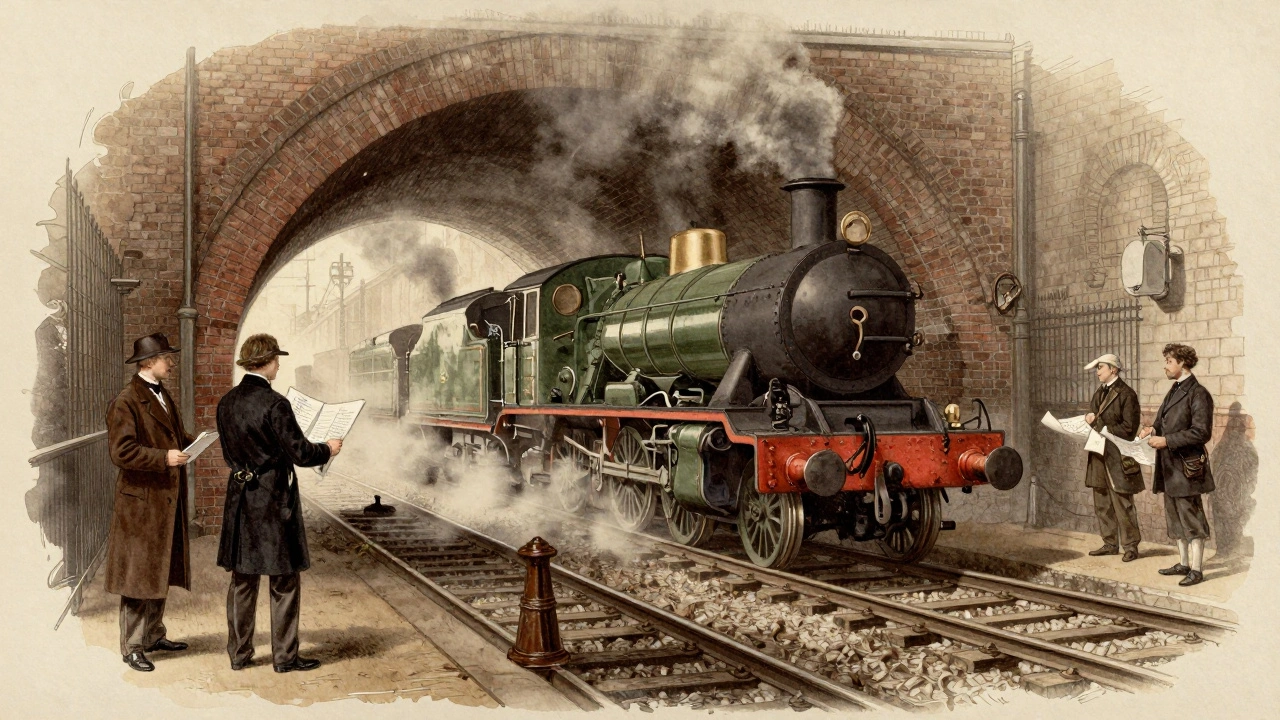
You think you know your way around the capital until you realize some tunnels were built before electricity was common. That is the kind of detail Annie Mole’s London Underground Blog explores with passion and precision. The site stands as a dedicated archive for those curious about the layers of London Undergroundhistory hidden beneath the bustling streets. Instead of dry dates, readers get stories about engineers, art directors, and the accidental discoveries that shaped the network.
This resource isn’t just a timeline; it is a collection of visual evidence and personal observations that bring the railway to life. Whether you are standing on Platform 4 at Piccadilly Circus or reading from home, understanding the past changes how you view the commute. We will walk through the major historical milestones covered by the blog, examine the design evolution, and look at why these records matter for modern preservation.
The Origins of the Network
To appreciate the blog’s depth, you first need to grasp the starting point. The Metropolitan Railway opened in 1863, marking the beginning of the world’s first underground passenger system. Annie’s posts frequently reference early steam traction on surface lines and the transition to electric power later on. She details how the initial tunnels were shallow, using cut-and-cover techniques that disrupted London traffic above ground.
A key focus in her writing involves the technological shifts between eras. For instance, the introduction of the deep-level tubes in the late 19th century changed everything. These circular tunnels required heavy engineering and high-pressure air to seal them off from water. The Piccadilly LinePiccadilly Tube, originally part of the Great Northern, Piccadilly and Brompton Railway, is a prime example she highlights. Her articles explain how ventilation shafts became architectural landmarks rather than hidden utilities.
- Early steam trains used for the first few decades
- Electric propulsion introduced by the City & South London Railway
- Deep-level tunnels reaching depths of over 40 meters
- Rapid expansion during the interwar period known as Metro-land
These technical advancements are not just specs; they represent safety challenges and labor conditions of the time. The blog discusses the health impacts on workers, a topic often overlooked in standard travel guides. By connecting engineering feats to human stories, the content becomes accessible to non-experts while retaining accuracy for historians.
Design Evolution and Art Deco
Beyond the tracks, the aesthetic identity of the Tube is legendary. Posters, fonts, and station architecture tell a story of national pride. During the 1930s, the company commissioned artists like Edward McKnight Kauffer to create promotional works. These images are featured prominently in Annie’s historical reviews. She analyzes how the Art Deco style influenced platforms at stations like Aldwych and Ealing Broadway, blending function with luxury.
The famous map design is another cornerstone of this section. Before the mid-20th century, maps tried to show geographic accuracy, making the city center look incredibly crowded. Enter Harry Beck. His 1933 diagrammatic map simplified the geography, prioritizing clarity over distance. Annie Mole’s blog explains why this shift revolutionized navigation. It turned a complex web of lines into a recognizable icon that tourists and locals recognize instantly.
| Element | Description | Significance |
|---|---|---|
| Sans Serif Font | Johnston typeface designed by Edward Johnston | Set the global standard for transit signage readability |
| Tube Roundel | Blue circle with red horizontal bar | Iconic branding recognized worldwide |
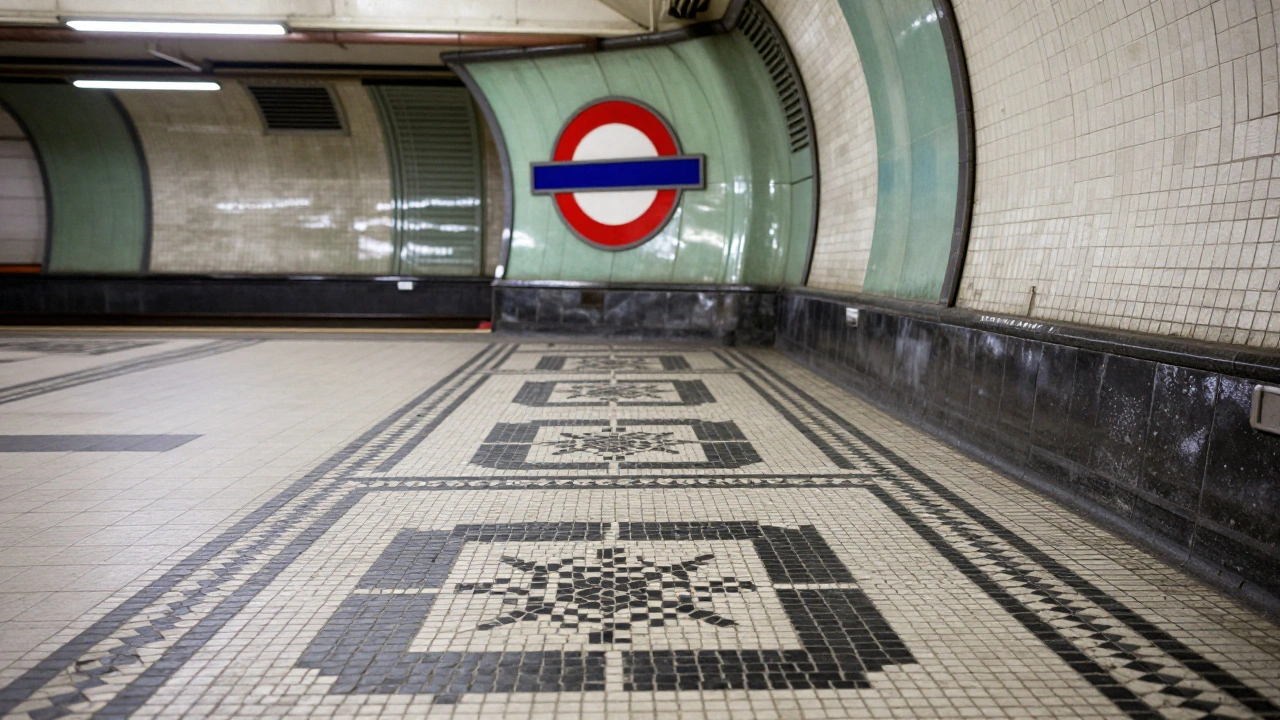
| Platform Tiling | Black and white geometric patterns | Durable flooring reflecting early 20th-century hygiene trends |
This design continuity is vital. Even today, new stations attempt to honor these principles while integrating modern accessibility features. The blog notes recent renovations where original tile work is preserved behind protective barriers. Conservation efforts ensure that when we travel, we still touch the history created by designers decades ago.
Wartime Secrets and Air Raid Shelters
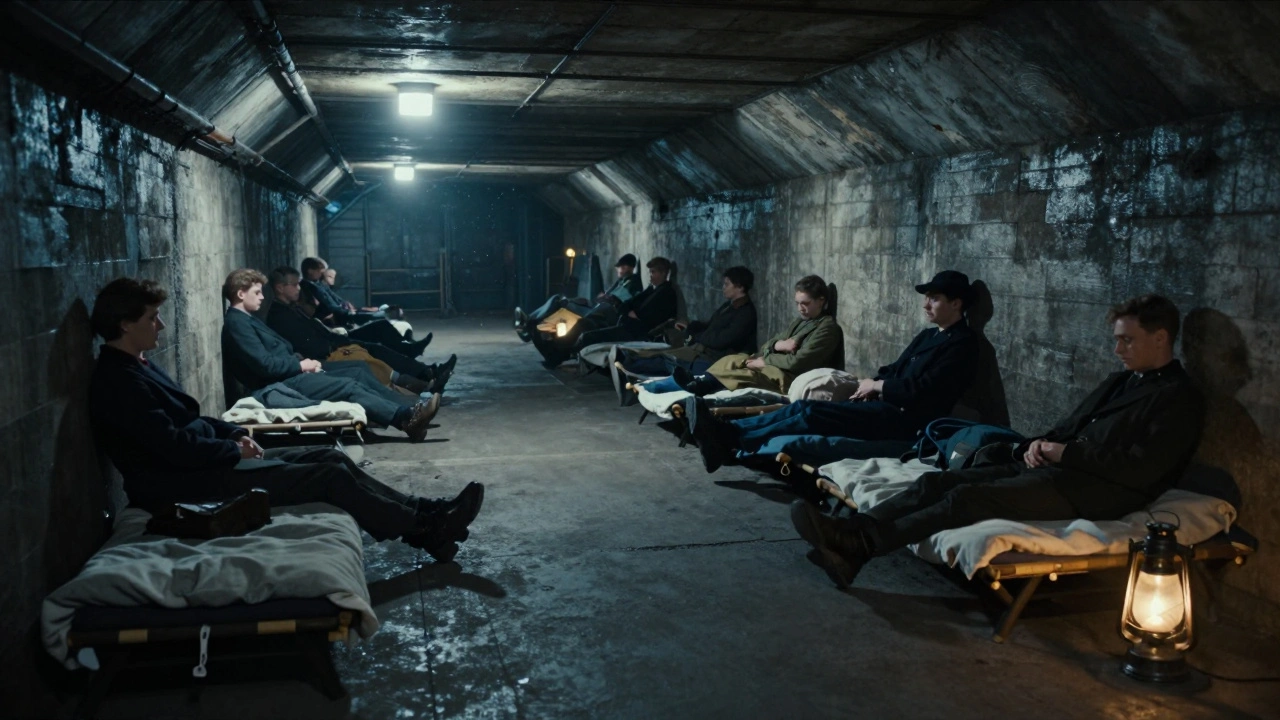
No discussion of London history is complete without addressing World War II. The Underground played a unique role during the Blitz. It was officially designated as shelter space for thousands of civilians. Annie’s coverage includes lesser-known facts about how stations were converted into hospitals and workshops.
Stations like Clapham South and Holborn saw structural changes to improve gas protection. The government managed propaganda posters displayed in ticket halls to boost morale. These documents are fragile now, but the blog archives digital scans of them. Understanding this dual purpose-transportation versus refuge-adds weight to the infrastructure we see today. Some platforms remain sealed off permanently due to flood risks, serving as silent memorials to those dark years.
This section of the blog connects civilian memory with archival research. It shows how public sentiment shifted regarding the network. What started as a luxury commuter rail became a lifeline for survival. Reading these accounts helps visitors appreciate the resilience built into the walls of the stations.
Modern Era and Future Plans
Moving past the mid-20th century, the focus shifts to expansion and automation. The Victoria Line, opened in 1968, introduced fully automatic train operation. This meant drivers were not strictly necessary to control movement, changing the operational model entirely. Annie Mole traces the rollout of driverless technology and how it impacted workforce planning.
Recent years have seen significant investment in Elizabeth Line connections and signaling upgrades. The blog reviews how old sections integrate with new infrastructure. Compatibility issues arise constantly when trying to fit modern trains into Victorian tunnels. Engineers face tight clearances that limit size. The writing describes the negotiation process between heritage preservationists and efficiency experts.
There is also a growing emphasis on sustainability. Older ventilation systems are being retrofitted to reduce energy consumption. These updates are often invisible to passengers but crucial for long-term viability. The blog provides links to official consultation documents, allowing readers to track upcoming changes proposed for their local stations.
Why This Archive Matters
In an age of digital ephemera, a curated blog serves as a stable repository of knowledge. Unlike social media feeds that vanish after trending, this site organizes information chronologically and thematically. It acts as a bridge between official corporate histories and amateur enthusiasts. For students or researchers, it provides citations and photographic evidence that support broader cultural studies.
The connection to physical locations strengthens the experience. When visiting the London Transport MuseumCockle, Covent Garden, the blog offers context for exhibits not always detailed in labels. It complements the museum visit by highlighting topics like signal box operations or ticket office mechanics that require specialized knowledge. This symbiotic relationship encourages visitors to explore further offline.
Preservation depends on public interest. By sharing these stories, the author ensures that maintenance crews understand the value of aging assets. A cracked tile isn't just damage; it might be part of an original mosaic pattern. Awareness leads to better funding decisions. Community engagement remains a powerful tool for protecting historical infrastructure against budget cuts.
Frequently Asked Questions
Is Annie Mole’s blog free to access?
Yes, the blog functions as an open educational resource. All articles and image archives are available to the public without charge. Some premium newsletters may offer exclusive interviews or early access to new findings.
Can I use the photos for my own project?
You need to check individual licensing terms for each image. Many are marked for educational use only, while others might have copyright restrictions requiring prior permission from the London Transport Museum or TfL.
Does the blog cover other UK cities?
No, the primary focus remains on the London Underground network. While occasional comparative pieces regarding Glasgow or Manchester trams appear, the core database is centered on London.”
How often are new posts published?
Updates vary depending on seasonal events. Historical anniversaries usually trigger special features. Regular weekly updates cover maintenance news and minor architectural changes across the network.
Are there inaccuracies in historical claims?
The author cross-references all dates and names with archived council records and Transport for London documents. Readers are encouraged to report potential errors via a dedicated contact form to improve accuracy.
Exploring the past through this lens transforms the daily rush hour into a journey through time. Every beep and chime has a lineage. By following these digital trails, you become part of the ongoing conversation about preserving urban heritage. The next time you descend the escalator, take a moment to notice the craftsmanship underneath your feet.