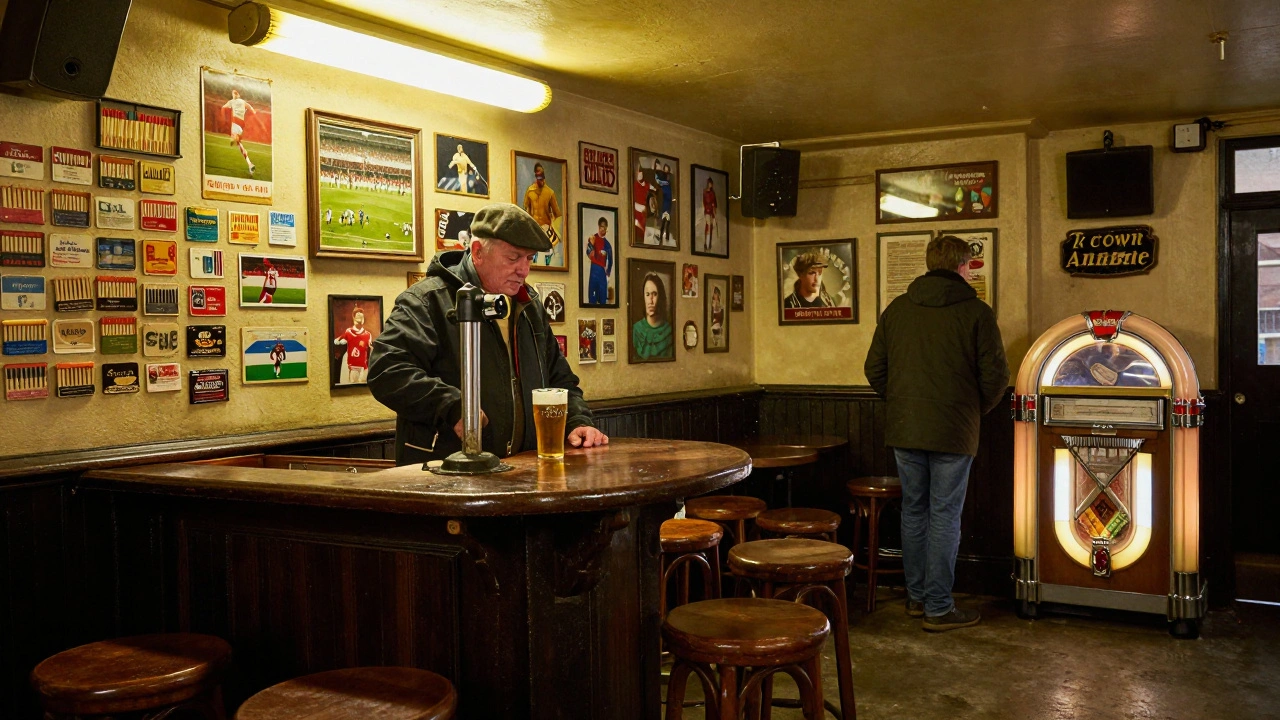
London’s best dive bars don’t advertise themselves. You won’t find them on Instagram influencers’ stories or in glossy travel magazines. They’re tucked behind unmarked doors, down narrow alleys, or tucked under railway arches-places where the beer is cold, the stools are sticky, and the regulars know your name before you do. These aren’t themed cocktail lounges with neon signs and $18 gin tonics. These are the real ones: the kind where the bartender doesn’t flinch when you ask for a pint of bitter and a packet of crisps, and the jukebox plays The Clash instead of Taylor Swift.
What Makes a Dive Bar a Dive Bar?
A dive bar isn’t defined by how dirty it is-it’s defined by how honest it is. No pretense. No mixology. No curated playlists. The lighting is usually fluorescent or dim enough that you can’t see the dust on the bar top. The floors might be concrete, the toilets might be questionable, and the staff might not smile, but they’ll pour you a perfect pint without asking if you want a straw.
Real dive bars in London have three things in common: history, regulars, and zero interest in being trendy. They’ve survived rent hikes, gentrification, and the rise of craft beer. Some have been open since the 1950s. Others were once brothels, warehouses, or even bomb shelters. Their charm isn’t in their decor-it’s in the stories they hold.
The Crown and Anchor, Bermondsey
Just a 10-minute walk from Bermondsey Tube station, The Crown and Anchor has been serving drinkers since 1837. It’s the kind of place where the landlord still uses a hand pump for the real ales, and the walls are covered in decades-old pub signs, old matchbooks, and faded photos of local football teams. You won’t find a menu here-just a chalkboard listing three ales and a lager. The crowd? Retired dockworkers, local artists, and a few curious tourists who stumbled in after getting lost.
One regular, Dave, has been coming here every Tuesday since 1982. He doesn’t talk much, but he’ll nod at you if you’re new. That’s his way of saying you’re welcome. The beer’s £4.20. The crisps are salt and vinegar. The jukebox? A battered 1970s machine that only plays punk and reggae. It’s not fancy. It’s not Instagrammable. But it’s real.
The Hope & Anchor, Islington
Don’t let the name fool you-this isn’t a cozy country pub. The Hope & Anchor has been a cornerstone of London’s punk and alternative scene since the late 1970s. It’s where bands like The Clash, The Jam, and The Smiths played their first gigs. The stage is small, the sound system is old, and the bar stools are held together with duct tape. But the energy? Electric.
On any given night, you’ll find a mix of aging punk rockers, music students, and young musicians hoping to get noticed. The beer selection is basic: London Pride, Carlsberg, and a local IPA that changes monthly. The food? Battered sausages and mushy peas. No frills. No vegan options. Just solid pub grub that tastes like it was cooked by someone who’s been doing it for 40 years.
If you’re looking for a place where music still matters more than marketing, this is it. The walls are covered in concert flyers from the ’80s. The bathrooms haven’t been renovated since the ’90s. And the owner still argues with customers about whether Oasis is better than Blur.
The Prince Albert, Brighton Road (Brixton)
Yes, it’s in Brixton. And yes, it’s still standing. The Prince Albert is a two-story dive bar with a tiny front room and a back room that doubles as a live music venue. It’s loud, smoky, and unapologetically raw. You’ll find reggae nights, poetry slams, and indie rock bands playing to crowds of 30 people who all know each other.
The bar doesn’t have a website. No social media. No fancy cocktails. Just £3.50 pints of Foster’s and a fridge full of local lagers. The staff don’t wear aprons-they wear hoodies. The toilets? You’ll need a torch and a brave heart. But the vibe? Pure Brixton. It’s where locals come to unwind after work, where musicians test out new songs, and where tourists who actually want to feel the pulse of the city end up by accident.
There’s no cover charge. No dress code. No one checks your ID unless you look 16. The regulars don’t care where you’re from. They care if you’re cool with the music, if you buy a round, and if you don’t talk too loud.

The Salisbury, Clapham
Hidden behind a brick wall near Clapham Common, The Salisbury is a 19th-century pub that somehow escaped renovation. It’s got mismatched chairs, a warped floor, and a bar that’s seen more beer spills than cleanings. The landlord, Mick, has been running it since 1989. He doesn’t take bookings. He doesn’t do events. He just opens the door at 4 p.m. and serves pints until last orders.
There’s no Wi-Fi. No TV screens. Just a single radio playing BBC Radio 6 Music. The walls are covered in old newspaper clippings about local history, old match tickets, and a faded photo of a 1978 football team that won the Clapham League. The beer list? Three options. The food? A ploughman’s lunch that costs £7.50 and comes with a side of silence.
It’s the kind of place where you’ll sit next to someone who’s lived in Clapham for 50 years and hear stories about when the common was still used for horse racing. You won’t leave with a photo op. But you might leave with a new friend.
Why These Bars Still Exist
London has lost hundreds of pubs in the last 20 years. Over 30,000 have closed since 2000. But these dive bars? They’re still here. Why? Because they’re not businesses-they’re communities. They’re not trying to be the next hot spot. They’re just trying to stay open.
Their survival isn’t about marketing. It’s about loyalty. Regulars pay for the beer, the space, the quiet, the history. They don’t need Instagram filters or branded merchandise. They need a place where they can be themselves. And that’s something no corporate pub chain can replicate.
These bars don’t need to be saved. They just need to be visited-by people who care more about authenticity than aesthetics. Go with an open mind. Don’t expect a perfect photo. Don’t expect a cocktail list. Just order a pint, sit down, and listen.
How to Find More Dive Bars in London
If you want to keep exploring, here’s how:
- Ask the bartender at one of these places where they used to go. They’ll point you to another one.
- Look for pubs without signs. If the door looks like it hasn’t been repainted since 1997, you’re on the right track.
- Check local listings for live music nights-many dive bars host gigs but don’t advertise them online.
- Avoid places with “craft beer” or “gastro pub” in the name. If it sounds like a marketing pitch, it’s probably not a dive.
- Go on a weekday afternoon. That’s when the real regulars show up.
There are dozens more-The Grapes in Limehouse, The Albion in Brixton, The Old Bank in Peckham. But the best ones aren’t listed anywhere. You find them by wandering, by asking, by being okay with not knowing what’s coming next.

What to Expect When You Go
Here’s what you’ll actually experience:
- Prices: Pints range from £3.80 to £5.50. Food is £6-£9. No £12 cocktails.
- Atmosphere: Quiet during the day. Lively but not loud at night. No music blasting. No dancing.
- Staff: Friendly if you’re respectful. No forced smiles. They’ve seen it all.
- Restrooms: Don’t expect luxury. Bring hand sanitizer.
- Music: Often live, often local, often loud. Rarely on a playlist.
- Who’s there: Locals, artists, musicians, retirees, students, and the occasional curious traveler.
There’s no dress code. No ID check unless you look underage. No need to book. Just walk in.
Why You Should Go
London is full of places that look like pubs but feel like showrooms. These dive bars are the opposite. They’re not trying to impress you. They’re just letting you in.
There’s something powerful about sitting in a room where the walls remember more than you do. Where the same barstool has held the same person’s weight for 30 years. Where the beer tastes like it’s been poured the same way since before you were born.
You won’t find a better representation of London’s soul in any five-star hotel bar or trendy cocktail lounge. These places aren’t just where people drink-they’re where people live.
Are dive bars in London safe?
Yes, they’re generally safe. These bars are low-key, quiet, and full of locals who know each other. Violence is rare. The biggest risk is accidentally sitting in someone’s usual spot. Just be respectful, don’t be loud, and you’ll be fine.
Do dive bars in London serve food?
Most do, but it’s basic: ploughman’s lunches, sausage and mash, pies, or battered fish and chips. Don’t expect gourmet. Do expect it to be cheap, hearty, and cooked fresh.
Can I bring a group to a dive bar?
Small groups are fine-three or four people. Big groups can overwhelm the space and make regulars uncomfortable. If you’re coming with six or more, call ahead or pick a bigger pub. These places aren’t designed for parties.
Do I need to tip at a London dive bar?
No, tipping isn’t expected. The price you see is the price you pay. But if you want to show appreciation, buy the bartender a drink next time or just say thanks. They’ll remember you.
Are dive bars in London open late?
Most close at 11 p.m. or midnight, but some stay open until 1 a.m. on weekends. Check locally-many don’t post hours online. If you’re unsure, go earlier. You’ll get a better vibe anyway.
Next Steps
Start with one. Pick a bar from this list. Go alone if you can. Sit at the bar. Order a pint. Watch. Listen. Don’t take photos. Just be there. If you like it, come back next week. That’s how you become a regular.
London’s soul isn’t in its landmarks. It’s in the corners where no one’s looking. Find one. Sit down. Stay awhile.