London Facebook groups are your shortcut to bypassing the 'tourist traps' and finding the weird, wonderful, and genuinely free experiences that define the city. Whether you're a lifelong Londoner or just landed at Heathrow, these digital communities act as a real-time concierge for the city's cultural pulse.
Key Takeaways for Finding London Events
- Join niche groups for specific interests (like art or music) rather than just general "London" groups.
- Use the search function within groups to find recurring events like "First Thursdays."
- Engage with members to get tips on ticket giveaways and last-minute discounts.
- Cross-reference group posts with official calendars for high-demand events.
The Go-To Hubs for Art and Creative Exploration
If you're tired of the same five blockbuster exhibits at the Tate, you need to pivot toward community-led art circles. London Art Groups is a broad category, but specific communities focusing on the East End are where the magic happens. For example, groups dedicated to Shoreditch and Hackney often post about studio open-houses that aren't advertised anywhere else. Imagine finding a warehouse party that's secretly a high-end sculpture exhibition-that's the kind of value these groups provide.
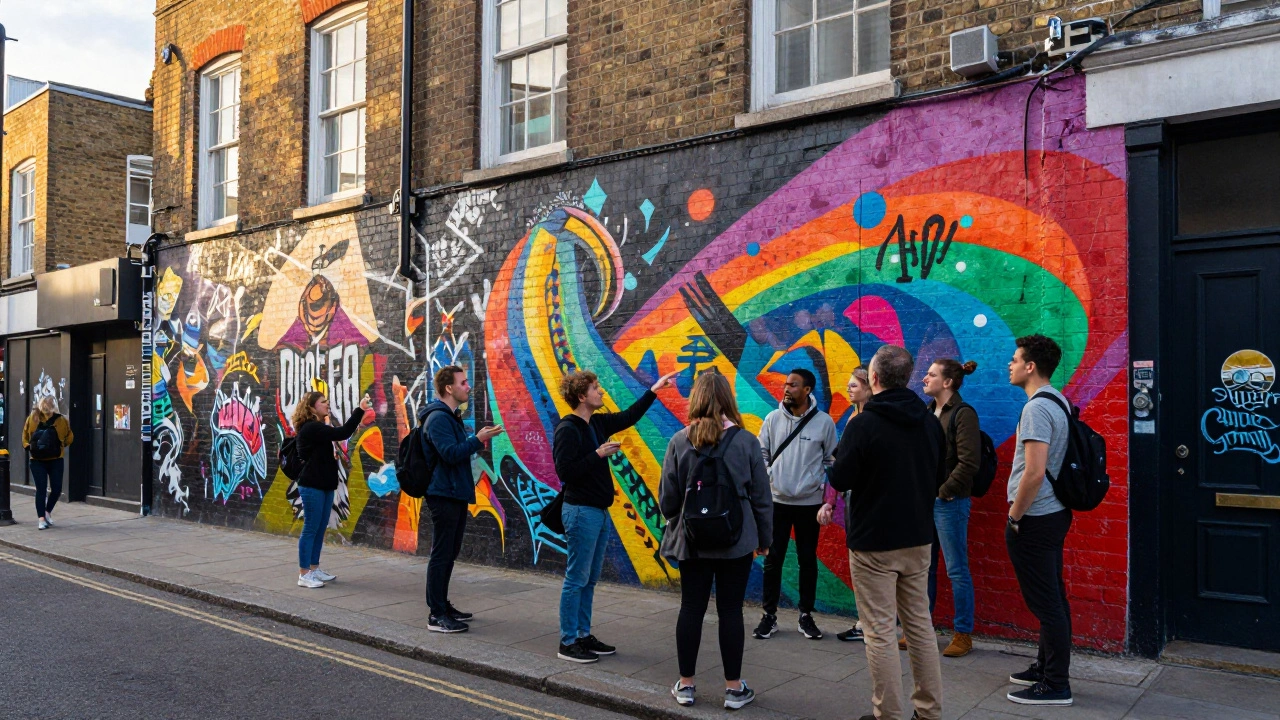
Look for groups that focus on Street Art and urban murals. London is essentially an open-air gallery, and there are dedicated enthusiasts who track every new piece in Brick Lane or Leake Street. These members don't just share photos; they organize informal walks and discuss the political context of the work. If you want to know why a specific wall in Southbank is suddenly the most photographed spot in the city, these groups have the answer before the blogs even pick it up.
Finding Free and Budget-Friendly Experiences
London is notoriously expensive, but the city is surprisingly generous if you know where to look. There are numerous groups dedicated to "Free things to do in London." These aren't just lists of free museums (though The British Museum and The National Gallery are obviously staples). Instead, they focus on things like free poetry slams in basement bars or outdoor cinema screenings in parks during the summer.
One of the best strategies is to join "Buy Nothing" or community exchange groups localized to your borough. While these are often for furniture or clothes, they frequently become hubs for sharing tickets to local theater productions or community festivals. It's not uncommon to find someone giving away two tickets to a fringe play because they can't make it, simply because they want the seat to be filled.
| Group Type | Best For... | Vibe | Reliability |
|---|---|---|---|
| Hyper-Local (Borough) | Neighborhood festivals, markets | Friendly, chatty | High |
| Niche Interest (e.g., Jazz) | Underground gigs, workshops | Passionate, expert | Medium |
| "Free/Cheap" Hubs | Last-minute deals, free entry | Hectic, fast-paced | Variable |
| Expat/Newcomer Groups | Social mixers, guided tours | Welcoming, structured | High |

The Secret to Music and Nightlife Discovery
The mainstream charts don't tell you what's happening in the warehouses of Walthamstow or the hidden bars of Dalston. To find the real London Underground Music Scene, you have to look for groups that categorize themselves by genre rather than location. Search for terms like "London Synthwave," "UK Drill Community," or "London Jazz Collective."
These groups act as an ecosystem where promoters and artists interact directly with the audience. You'll often find "early bird" ticket links or secret passwords for guest lists. For instance, a small group dedicated to experimental noise music might notify its members about a pop-up event in a converted car park three days before it happens. If you only rely on apps like Dice or Eventbrite, you're seeing the filtered version of the city's nightlife.
Connecting Through Culture: Social and Expat Groups
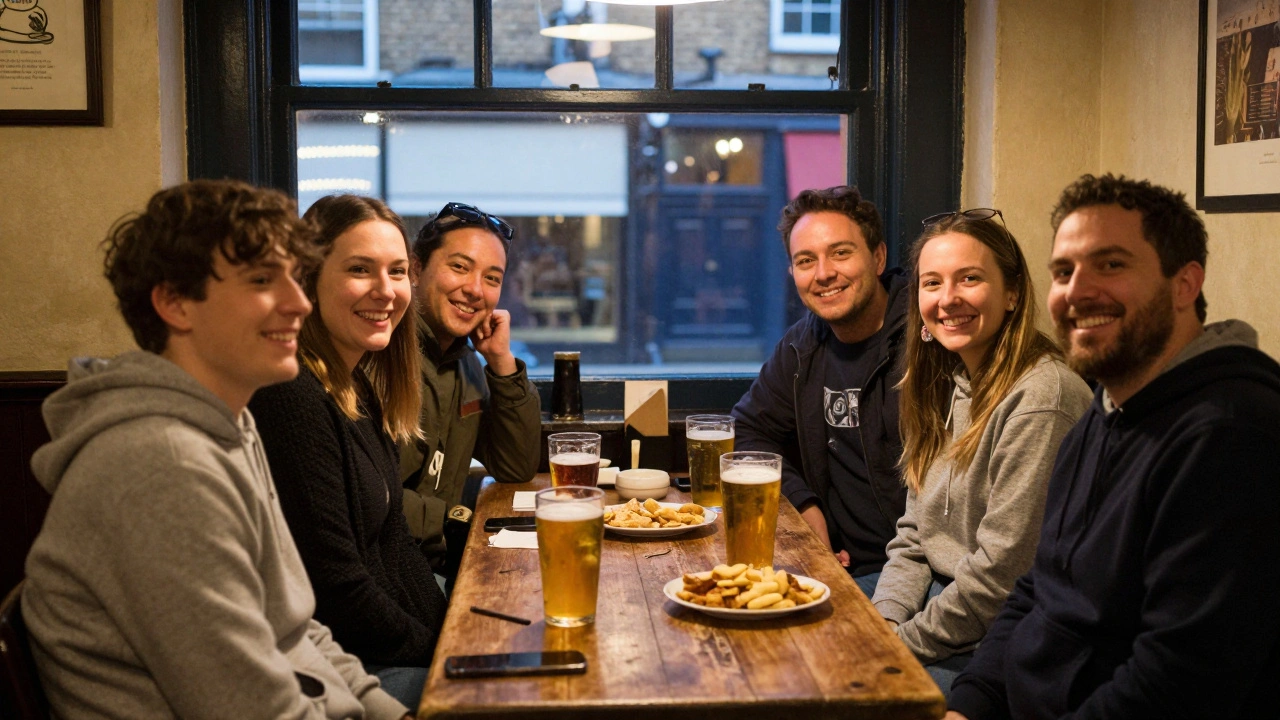
For many, the goal isn't just to see a show, but to find people to go with. This is where Expat Communities excel. Groups like "Londoners in their 20s/30s" or specific nationality-based hubs are goldmines for cultural exchange. They often organize "culture crawls"-a Saturday spent visiting three different galleries and ending at a traditional pub.
These groups solve the loneliness problem that often hits people moving to a city as massive as London. Instead of staring at a screen, you're meeting a group of ten strangers to go see a West End Show. The beauty of these groups is the shared intent: everyone there is actively looking to explore the city's cultural offerings, which removes the awkwardness of suggesting an outing.
Avoiding the Noise: How to Use These Groups Effectively
Joining twenty groups can quickly turn your feed into a mess of spam and irrelevant notifications. The trick is to curate your experience. I recommend using the "Favorites" feature for the 2-3 groups that consistently provide high-value event leads. Turn off all notifications for the rest and simply check them once a week on Thursday or Friday when most weekend events are announced.
Be wary of "promoter spam." Some groups are essentially billboards for the same three commercial nightclubs. If a group only posts professional flyers with no discussion or community interaction, it's likely a marketing tool, not a community. The most valuable groups are those where people are asking questions like "Has anyone been to this exhibition?" and others are providing honest, unpaid reviews.
Practical Tips for Getting the Most Out of Your Groups
- Ask specifically: Instead of "What's fun tonight?", try "Does anyone know of any free art openings in South London this Friday?" You'll get much better results.
- Contribute value: If you find a cool event, post it. The members who share the most are usually the ones who get the best tips in return.
- Check the 'Files' tab: Some groups maintain shared spreadsheets or PDFs of recurring monthly events that are easier to read than a scrolling feed.
- Set alerts for keywords: Use the group search for terms like "discount," "free," or "last minute."
Are Facebook groups still relevant for finding events in 2026?
Absolutely. While apps for ticketing are great, they lack the community discussion and "insider" tips that Facebook groups provide. For underground culture and hyper-local neighborhood events, community-led groups remain the fastest way to get real-time information.
How do I find the 'secret' or underground groups?
Start by joining a few well-known public groups. Once inside, look for members who post about niche events and check their profiles or ask them directly for recommendations on other groups. Many of the best cultural circles are 'private' to avoid spam and require a referral or a quick questionnaire to join.
Is it safe to meet people from these groups for events?
Generally, yes, but always follow basic safety rules. Meet in public spaces, like the lobby of a gallery or a well-known pub, and let a friend know where you are going. When attending a group-organized event, you'll usually be meeting multiple people at once, which adds a layer of security.
What's the best day of the week to check these groups?
Wednesday and Thursday are the sweet spots. Most organizers have their weekend schedules finalized by then, and a lot of last-minute ticket giveaways happen 48-72 hours before the event starts.
Which groups are best for a complete beginner in London?
Start with broad "New to London" or "Expat" groups. These communities are designed for onboarding and often have a wealth of resources on the must-see cultural landmarks and how to navigate the city's various arts districts.
Next Steps for Your Cultural Journey
If you're feeling overwhelmed by the number of options, start small. Pick one interest-be it 19th-century pottery, electronic music, or street food-and find one dedicated group for it. Spend a week just observing the posts to understand the vibe before jumping in. Once you've attended your first group-discovered event, you'll realize that the "real" London exists in these small digital pockets, far away from the glossy brochures of the city center.
For those who want to expand their horizons even further, consider looking into local council newsletters or community boards in libraries. While less immediate than a Facebook notification, they often list traditional cultural events-like neighborhood choir concerts or local history lectures-that rarely make it onto social media but provide a deep connection to the city's heritage.