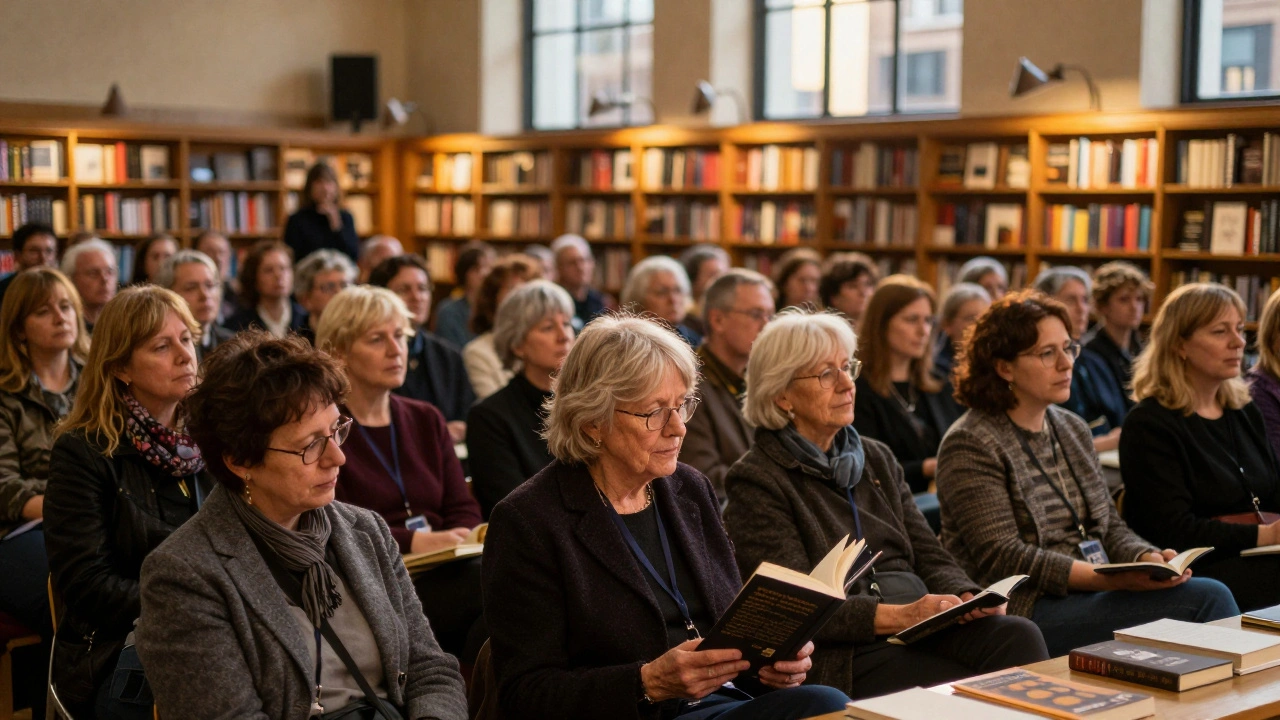
London doesn’t just have libraries and bookshops-it has literary festivals that turn the city into a living novel every year. If you love hearing authors read their work, debating ideas with writers, or getting lost in a story told live by someone who lived it, then these festivals are where you need to be. Forget quiet reading corners. These are places where books come alive-on stages, in pubs, under tents, and even on boats along the Thames.
Hay Festival London: Where Ideas Spark
Hay Festival isn’t just a name-it’s a phenomenon. While the original Hay-on-Wye festival in Wales draws crowds from across the globe, its London offshoot at the Southbank Centre brings the same energy to the heart of the city. In May 2025, over 120 writers, journalists, and thinkers filled the Royal Festival Hall for three days of talks. You could hear a Nobel Prize winner unpack her latest novel, then walk ten minutes to catch a young poet performing spoken word about growing up in Brixton.
What makes Hay Festival London different? It doesn’t just talk about books-it talks about the world through them. A session titled “Climate Fiction: Can Stories Save Us?” drew a packed room of students, scientists, and retirees all arguing over whether dystopian novels actually change behavior. The answer? One attendee told me, “I started volunteering with a local tree-planting group after listening to Amitav Ghosh. That’s the power here.”
London Literature Festival: Poetry, Plays, and the Unspoken
Run by the Southbank Centre, the London Literature Festival is the city’s most diverse literary gathering. It doesn’t just focus on novels. You’ll find translators reading Arabic poetry with live oud music, playwrights discussing how silence speaks louder than dialogue, and memoirists from refugee backgrounds telling stories they never thought anyone would hear.
In 2024, a 17-year-old Syrian refugee read her poem “I Didn’t Choose This Journey” to a hushed crowd. Afterward, the poet laureate, Simon Armitage, stood up and said, “That was the most honest thing I’ve heard all year.” That moment didn’t happen by accident. The festival actively invites voices often left out of mainstream publishing. Their “New Voices” program scouts writers from underrepresented communities and gives them free stage time. You won’t find celebrity authors here just for the spotlight. You’ll find truth.
Book at the Brighton: London Edition
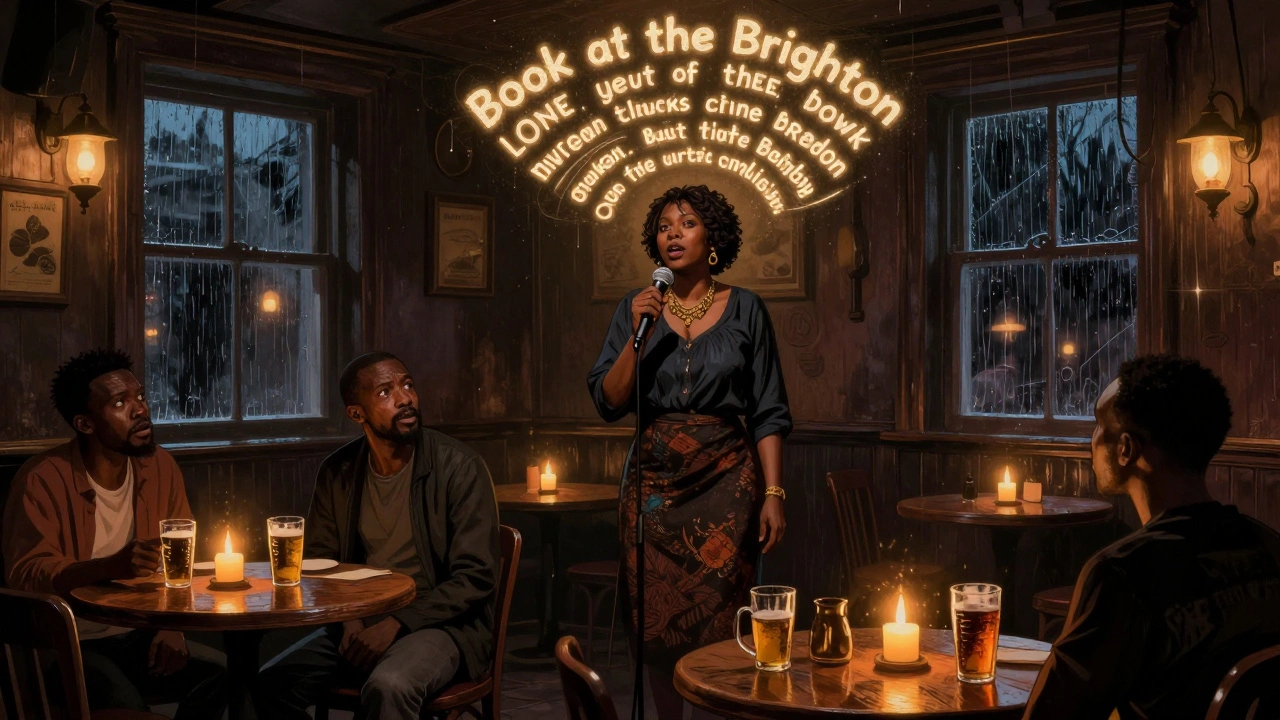
Don’t let the name fool you-Book at the Brighton isn’t in Brighton. It’s a pop-up event hosted in London’s historic George Tavern in Stepney. This festival is for people who want to read books like they’re drinking beer: raw, real, and surrounded by friends. The stage is small. The lights are low. The audience leans in.
One night in October 2025, a crime novelist from Lagos read a chapter from her debut novel about a detective chasing a ghost in East London. Halfway through, a man in the back stood up and said, “That’s my uncle.” He’d lived in the same tower block the story described. The author paused, smiled, and said, “Then you know how it ends.” No one clapped. Everyone just nodded. That’s the magic of this place-it doesn’t perform for you. It lets you in.
London Writers’ Fair: Meet the Writers Behind the Pages
If you’ve ever wondered how to get published, or what it’s really like to write a book while working two jobs, the London Writers’ Fair is your classroom. Held every February at the British Library, this event brings together indie publishers, literary agents, and debut authors under one roof.
One standout moment in 2025 was a panel called “Writing While Broke.” A single mother from Peckham shared how she wrote her novel on her phone during her daughter’s nap times. She got published after submitting to a small press that only accepts unsolicited manuscripts. Her book sold 12,000 copies in six months. The agent on the panel, who usually only works with big-name clients, told her, “I’m representing you.”
This fair isn’t about glitz. It’s about grit. You’ll find tables with zines, chapbooks, and self-published poetry collections. No fancy jackets. No PR teams. Just words, and the people who made them.
Southbank Centre’s Winter Words: Stories in the Cold
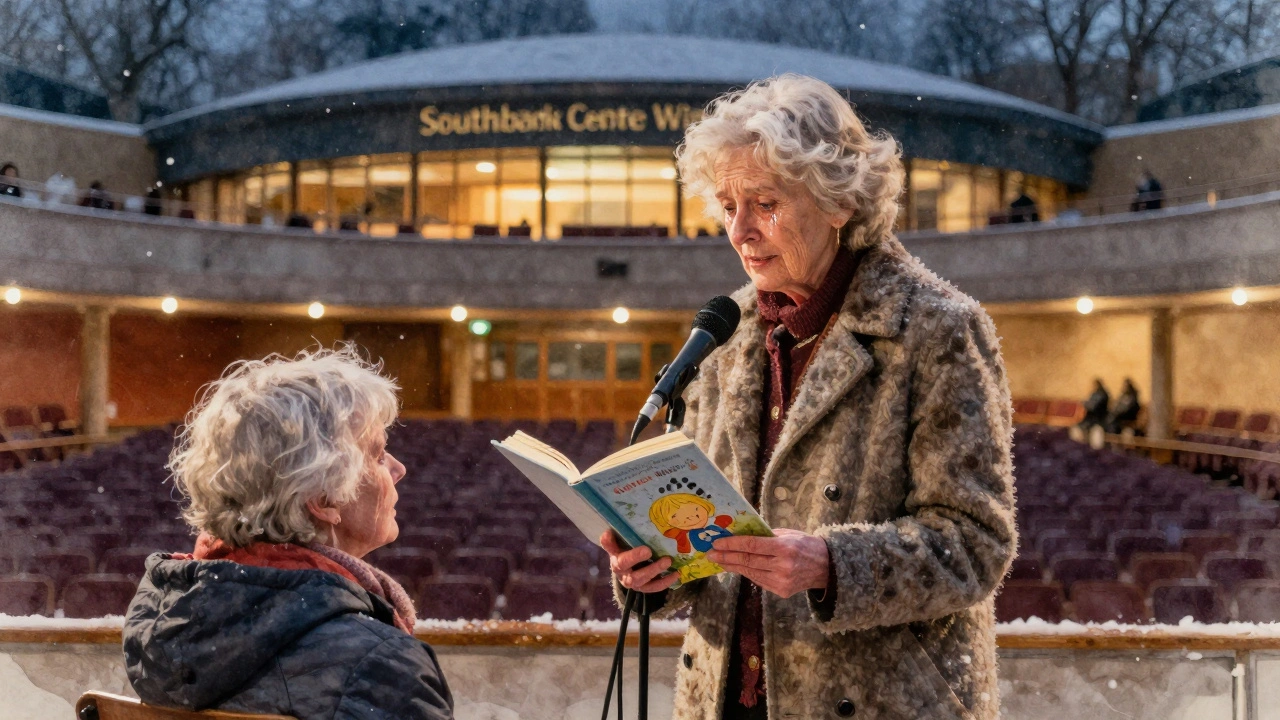
Winter in London is gray, wet, and long. But in December, the Southbank Centre turns it into something warm. Winter Words is a series of intimate storytelling nights where ordinary people-teachers, bus drivers, nurses-share true, personal stories on stage. No scripts. No props. Just a mic and a memory.
In 2025, a retired librarian told the story of the last book a dying patient asked her to read aloud. It was a children’s book about a lost dog. The patient, 89 years old, had never read one before. “He cried,” she said. “Not because he was sad. Because he finally understood what love felt like.” The room didn’t move for a full minute after she finished.
These aren’t performances. They’re acts of courage. And they remind you that stories aren’t just entertainment-they’re how we survive.
What You Need to Know Before You Go
- Book early-Tickets for popular events sell out within hours. Some free events still require registration.
- Arrive early-Many venues are small. If you want a good seat, show up 30 minutes before.
- Bring a notebook-You’ll hear lines you’ll want to remember. Or maybe a name of a book you’ve never heard of.
- Ask questions-Most Q&As are open. Don’t be shy. Writers love being asked the hard questions.
- Check the weather-Outdoor events happen rain or shine. Bring a coat. London winters don’t care if you’re there for a poem.
Why These Festivals Matter
Literary festivals in London aren’t just about celebrating books. They’re about keeping conversation alive in a world that’s rushing past too fast. In a city where people often walk past each other without speaking, these events force you to sit down, listen, and maybe even change your mind.
One woman told me after a session at the London Literature Festival: “I came because I wanted to feel smart. I left because I felt human.” That’s the real goal of these festivals-not to impress, but to connect.
What’s Next in 2026
The 2026 calendar is already shaping up to be bigger. The London Literature Festival is adding a new “Storytelling on the Underground” series, where authors read short tales on late-night Tube trains. The Hay Festival is launching a mobile book bus that will tour outer boroughs. And for the first time, the British Library is partnering with community centers to host free writing workshops for teens.
If you’ve ever thought, “I don’t know where to start with books,” these festivals are your starting line. You don’t need to be a scholar. You don’t need to have read every classic. You just need to show up.
Are London literary festivals free to attend?
Some events are free, especially workshops, open mics, and pop-up readings in parks or libraries. But major talks and headline author events usually cost between £10 and £25. Many festivals offer discounted tickets for students, seniors, and low-income attendees-just ask when booking.
Do I need to have read the books before attending?
No. Many talks focus on ideas, not plot summaries. You might hear a writer talk about grief, identity, or justice without ever mentioning their book’s title. Sometimes, you’ll leave with a new book to read-not because you knew it before, but because you felt something while listening.
Can I bring my kids to literary festivals?
Yes-many festivals have dedicated children’s and teen programs. The London Literature Festival runs a “Young Readers” zone with storytelling, comic workshops, and even puppet shows based on books. Hay Festival London has a family day with author meet-and-greets and book-themed games. Check the event schedule for age-appropriate sessions.
Where can I find the full 2026 festival schedule?
Start with the Southbank Centre’s website for the London Literature Festival and Winter Words. Hay Festival London updates its calendar in January. The London Writers’ Fair and Book at the Brighton post dates in late November. Sign up for their newsletters-they’re the only way to get early access to tickets.
Are these festivals only for English speakers?
Not at all. The London Literature Festival regularly features events in Spanish, Arabic, Bengali, and Polish, often with live translation. Some readings are performed in the original language with subtitles projected on screen. If you’re not fluent in English, you’ll still find stories that speak to you.
Final Thought: Don’t Just Read. Listen.
Books are silent. But stories? Stories have voices. And in London, those voices don’t stay on the page. They rise from stages, echo through pubs, and linger in the quiet after a speaker finishes. If you want to feel what literature really is-beyond ink and paper-go to one of these festivals. Sit in the back. Listen. You might hear your own story in someone else’s words.