The Rush for a Table That Might Not Exist Tomorrow
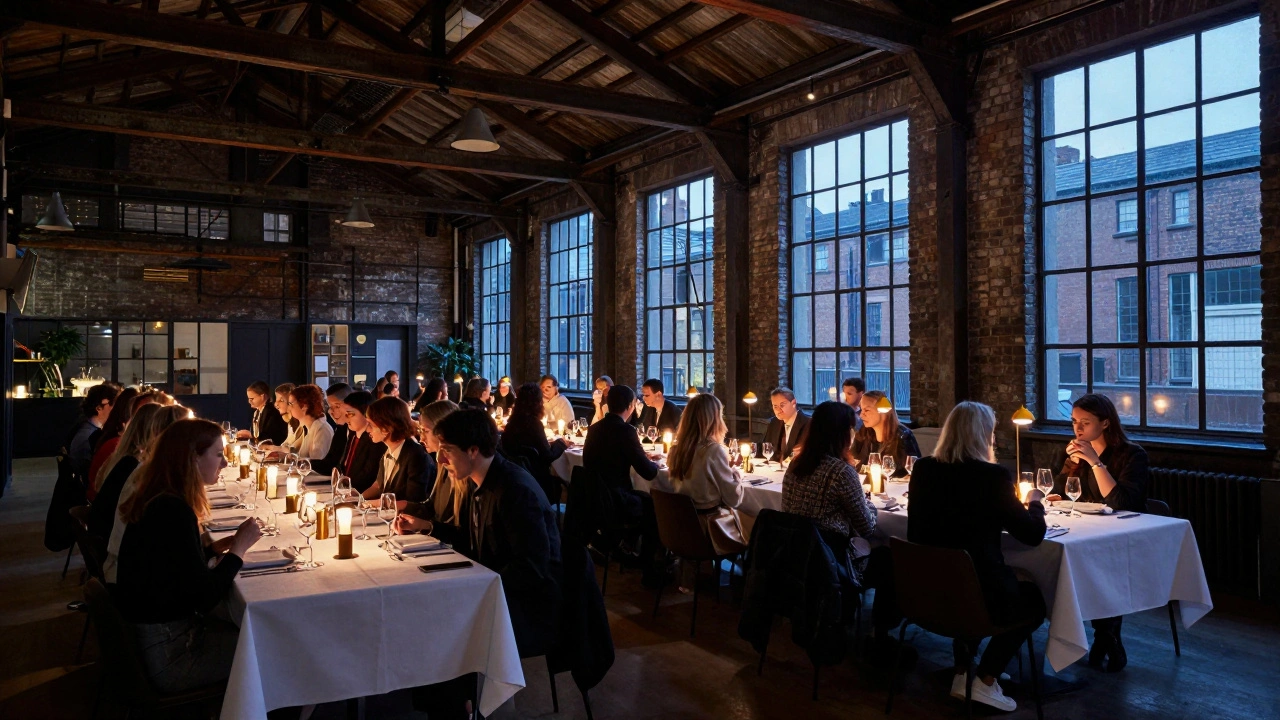
Imagine walking into a refurbished warehouse in Shoreditch or a hidden garden in Soho, only to find a world-class chef serving a 12-course tasting menu in a space that will be a clothing store by next month. That's the thrill of the London pop-up scene. These aren't just temporary cafes; they are high-stakes culinary experiments where chefs take risks they can't afford in a permanent lease. If you enjoy the feeling of discovering something before the rest of the city catches on, pop-up restaurants London offers the ultimate adrenaline rush for your taste buds.
The problem is that these spots vanish faster than a plate of scallops. One day you're reading about a secret Basque cider house in Peckham, and the next, the shutters are down. To actually land a seat at the best limited-time spots, you have to move faster than the crowds and know where to look. Whether it's a residency at a popular pub or a completely standalone warehouse takeover, these experiences prioritize creativity over consistency.
Key Takeaways for the Hungry Hunter
- Check Instagram and TikTok daily; most pop-ups announce dates via social media, not websites.
- Look for "residencies" in existing pubs or hotels for a more stable but still temporary experience.
- Book the moment tickets drop-some of the most famous pop-ups sell out in under ten minutes.
- Be open to weird locations; the best food often comes from the most unlikely basements or rooftops.
What Exactly Makes a Pop-Up Different?
At its core, a Pop-up Restaurant is a temporary dining establishment that operates for a short period, ranging from a single weekend to a few months. Unlike a traditional restaurant, these setups have lower overhead costs, which means chefs can experiment with wilder ingredients or more niche themes without worrying about a ten-year business plan.
You'll often find these ventures taking the form of a residency. This is where a chef "pops up" inside an existing venue, like a Gastropub, using their kitchen for a few weeks. It's a symbiotic relationship: the pub gets a buzz of new customers, and the chef gets a professional kitchen without the massive deposit of a commercial lease.
| Feature | Permanent Restaurant | Pop-Up Experience |
|---|---|---|
| Menu Stability | Consistent, seasonal updates | Rapidly evolving or single-theme |
| Risk Level | Low (proven concepts) | High (experimental techniques) |
| Accessibility | Easy to find/book | Hard to track; often "secret" |
| Atmosphere | Designed interior | Industrial, raw, or repurposed |
Where the Magic Happens: Top Hubs for Temporary Eats
If you're hunting for these spots, you need to focus on specific neighborhoods. Shoreditch is the spiritual home of the pop-up. Because of its high density of creative spaces and warehouses, it's the first place chefs go when they want to test a concept. You'll often find "secret" dining rooms here that require a password or a specific DM to enter.
Then there's Peckham, particularly around the rooftops and markets. The vibe here is more community-driven. You might find a pop-up specializing in West African fusion or a tiny Japanese izakaya that only exists for three weekends in April. These spots often rely on word-of-mouth and local WhatsApp groups rather than fancy marketing.
Don't ignore the Soho district. While it's the heart of London's permanent dining, many high-end chefs use Soho for "concept tests." They might rent a small space for a month to see if a specific dish or style of service resonates with the London crowd before opening a full-scale restaurant in Mayfair.
How to Score a Table Before They Vanish
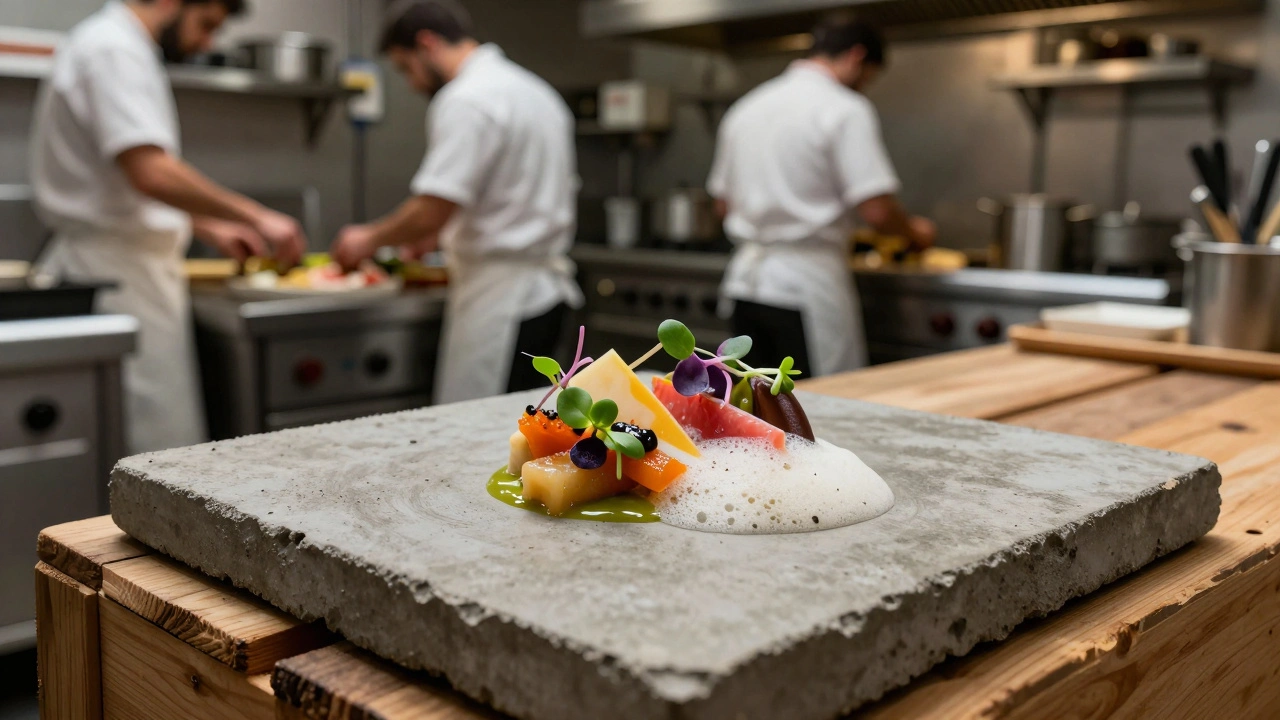
Getting into a top-tier pop-up isn't as simple as opening OpenTable. Many of the most exclusive experiences use "drop" culture, similar to how sneakers are sold. Here is the most effective way to actually get a seat:
- Follow the "Chef-Preneurs": Don't just follow the restaurant; follow the individual chefs on Instagram. Most pop-ups are passion projects, and the first announcement usually happens on a chef's personal story.
- Watch the Residencies: Keep an eye on venues known for hosting guests. Many Boutique Hotels in London rotate their kitchen staff every few months to keep the offering fresh.
- Join the Newsletters: While social media is great, some of the most prestigious limited-time events send invite-only emails to their mailing lists first.
- The "Last Minute" Gambit: If a spot is "sold out," keep checking on the day of the event. Pop-ups are notorious for last-minute cancellations, and since they have limited seating, a single open slot is a goldmine.
The Trade-offs: Is the Hype Worth It?
Is a pop-up always better than a Michelin-starred permanent spot? Not necessarily. When you eat at a temporary venue, you're trading comfort for novelty. You might be sitting on a folding chair in a room that's slightly too cold, or the acoustics might be terrible because you're in a converted garage. But that's part of the charm.
The real value is in the food. Because these chefs aren't beholden to a corporate board or a long-term brand image, they can be weirder. You might find a menu that focuses entirely on one ingredient, like the "Salty and Sweet" pop-ups that once took over a basement in Hackney, serving everything from fermented honey to sea-buckthorn glazed ribs. You won't find that kind of focused obsession in a restaurant that needs to appeal to everyone to survive a decade.
Avoiding the "Tourist Trap" Pop-Ups
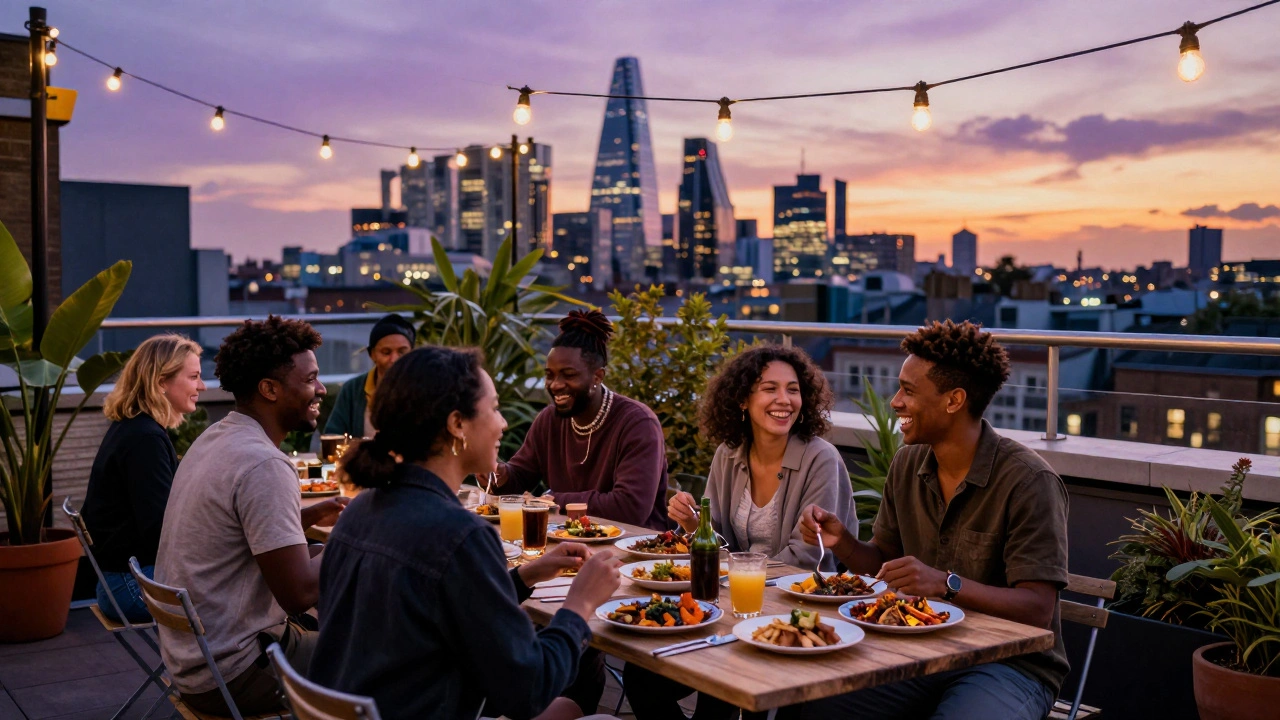
Not every temporary eatery is a culinary gem. Lately, there's been a rise in "Instagram-bait" pop-ups-places that look amazing in photos (think neon lights and glittery desserts) but taste like mediocre takeout. To avoid these, look for the "chef-led" signal.
A genuine pop-up is usually led by someone with a clear vision or a professional background in a known kitchen. If the marketing is 90% photos of the decor and 10% about the food source or the technique, it's probably a trap. The real deal usually brags about the provenance of their ingredients-like mentioning a specific farm in Kent or a particular fishmonger in Billingsgate Market.
How do I find out about new pop-ups in London?
The best way is through social media, specifically Instagram and TikTok. Follow hashtags like #LondonPopUp or #LondonDining. Additionally, subscribe to local food newsletters and follow the accounts of established chefs who often experiment with temporary venues. Many pop-ups also announce their presence through local community boards in areas like Hackney and Peckham.
Are pop-up restaurants more expensive than regular ones?
It varies wildly. Some are very affordable "street food style" pop-ups in markets, while others are high-end tasting menus that can cost as much as a Michelin-starred meal. Because they often offer a unique, limited experience, some chefs charge a premium for the exclusivity. However, the lack of permanent rent sometimes allows them to offer better value for the quality of food provided.
Do I need to book in advance for pop-up dining?
Almost always. Because the space is limited and the timeframe is short, most pop-ups operate on a pre-paid ticket or reservation system. Walking in is rare and usually only happens at larger market-style pop-ups. For the more exclusive, "secret" dining experiences, booking weeks in advance is often necessary.
What is a "culinary residency"?
A residency is a specific type of pop-up where a chef or a restaurant team takes over the kitchen of an existing establishment (like a pub, hotel, or cafe) for a set period. This allows the host venue to offer a new menu without changing their staff, and the guest chef to reach a new audience without investing in their own physical space.
Are pop-ups safe and hygienic?
Yes. Even temporary restaurants must comply with the local council's food safety and hygiene regulations. Whether they are in a professional kitchen or a temporary setup, they are subject to inspections and must maintain health and safety standards to operate legally in London.
Next Steps for Your Food Adventure
If you're new to this, start small. Visit a food market like Borough Market or Maltby Street Market where several temporary vendors operate. It's a low-pressure way to get a feel for the "limited time" vibe. Once you're comfortable, start tracking a few local chefs on Instagram and set alerts for their announcements.
If you find a spot that's completely sold out, don't give up. Send a polite message to the organizer expressing your interest. Often, pop-up chefs are thrilled to find genuine food enthusiasts and might put you on a priority waitlist for their next project. The London food scene is all about who you know and how fast you can click "Book Now." Happy hunting!