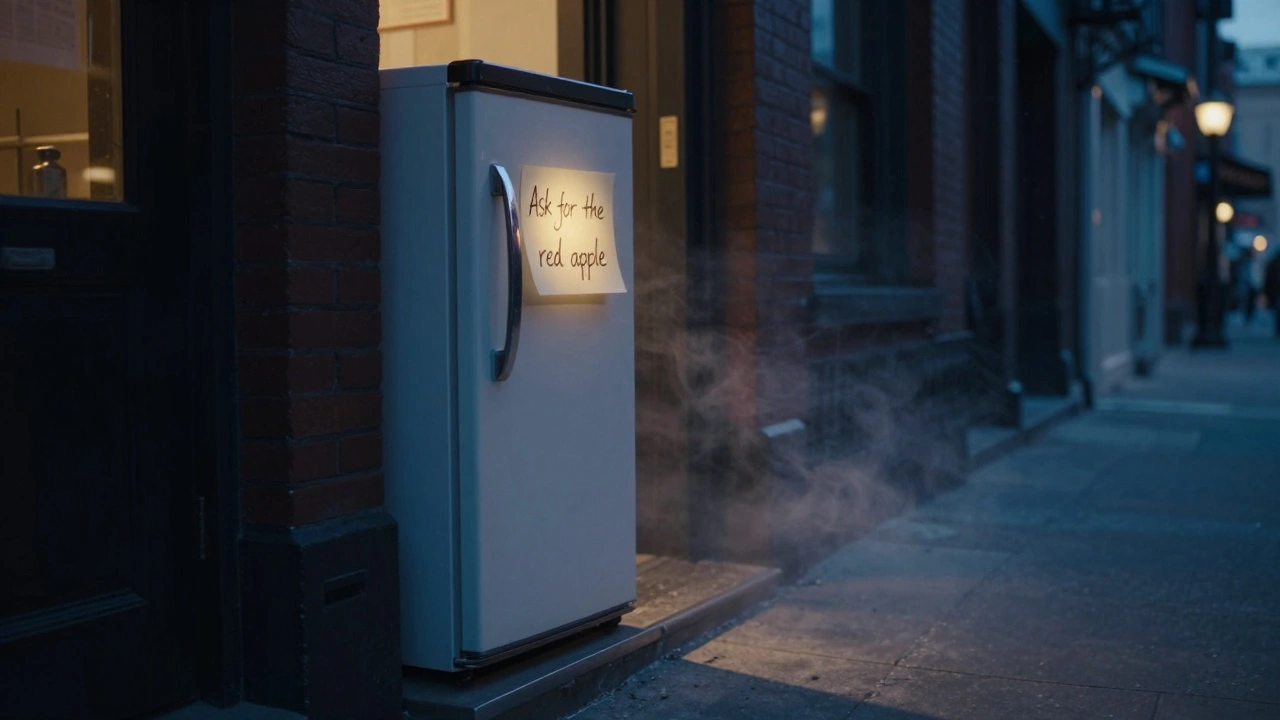
Walk down a quiet alley in Soho and you might see a fridge door with a sticky note that says "Ask for the red apple". That’s not a grocery store. That’s your entrance to one of London’s best speakeasy bars.
Forget neon signs and loud music. London’s hidden bars aren’t about being seen-they’re about being found. These aren’t just places to drink. They’re experiences: a password whispered at a bakery, a bookshelf that swings open, a phone booth that takes you downstairs. And the drinks? They’re not on the menu. You have to ask.
There are over 40 verified speakeasies in London right now, and new ones pop up every few months. But only a handful deliver on the full promise: secrecy, craftsmanship, and a vibe that feels like you’ve stepped into a 1920s film-except the cocktails are better.
The Password Bar: The Connaught’s Coburg
Most people think of The Connaught as a luxury hotel. Few know it hides a bar behind a bookcase in its basement. The Coburg doesn’t have a sign. You need to know the password. It changes weekly, and you get it by emailing them ahead of time-or by chatting up the bartender at their sister bar, The Connaught Bar, and asking nicely.
The menu? No paper. No QR codes. Just the bartender asking, "What are you in the mood for tonight?" Then they pull out a leather-bound book with handwritten recipes. One night, you might get a smoked honey and thyme gin sour. Another, a bourbon aged in a cask that once held sherry. The ice is hand-carved. The glassware? Custom-made in Scotland.
This isn’t a bar for crowds. It seats 24. You’ll likely be the only table. That’s the point.
The Secret Door Behind the Bakery: Nightjar
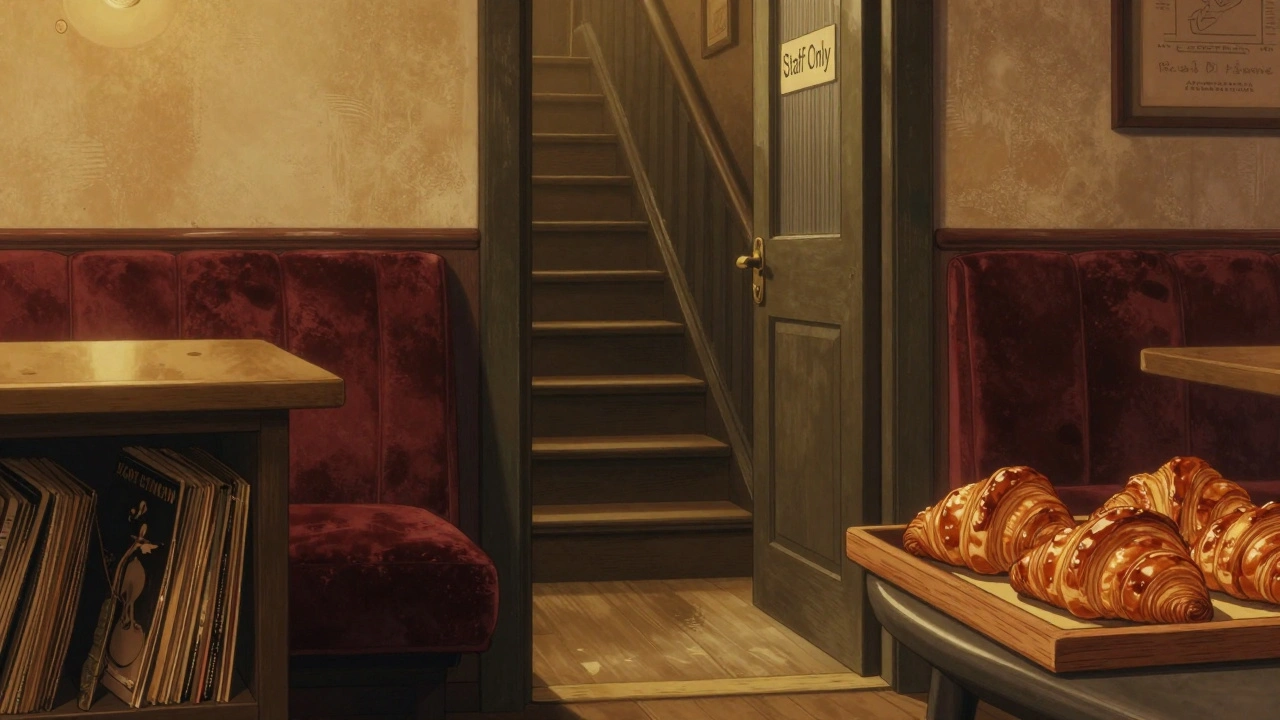
Nightjar opened in 2012 and started the modern speakeasy wave in London. It’s still one of the best. You enter through a tiny bakery called "The Cake Shop" on Shoreditch High Street. The smell of fresh croissants lures you in. At the back, a door labeled "Staff Only" leads down a narrow staircase.
Downstairs, it’s all velvet booths, jazz records spinning, and bartenders in waistcoats. The menu is split into three eras: Prohibition, the Roaring Twenties, and the 1970s. Each drink comes with a short story. The "Blackout"-a mix of mezcal, blackberry, and activated charcoal-is served in a glass that looks like a vintage radio. The bartender tells you it was inspired by a 1920s jazz musician who drank it after midnight sets.
Nightjar doesn’t take reservations for the bar area. You show up, wait in line, and if you’re lucky, you get a stool. The line moves fast. The drinks? Worth every minute.
The Phone Booth That Takes You Underground: The Alchemist
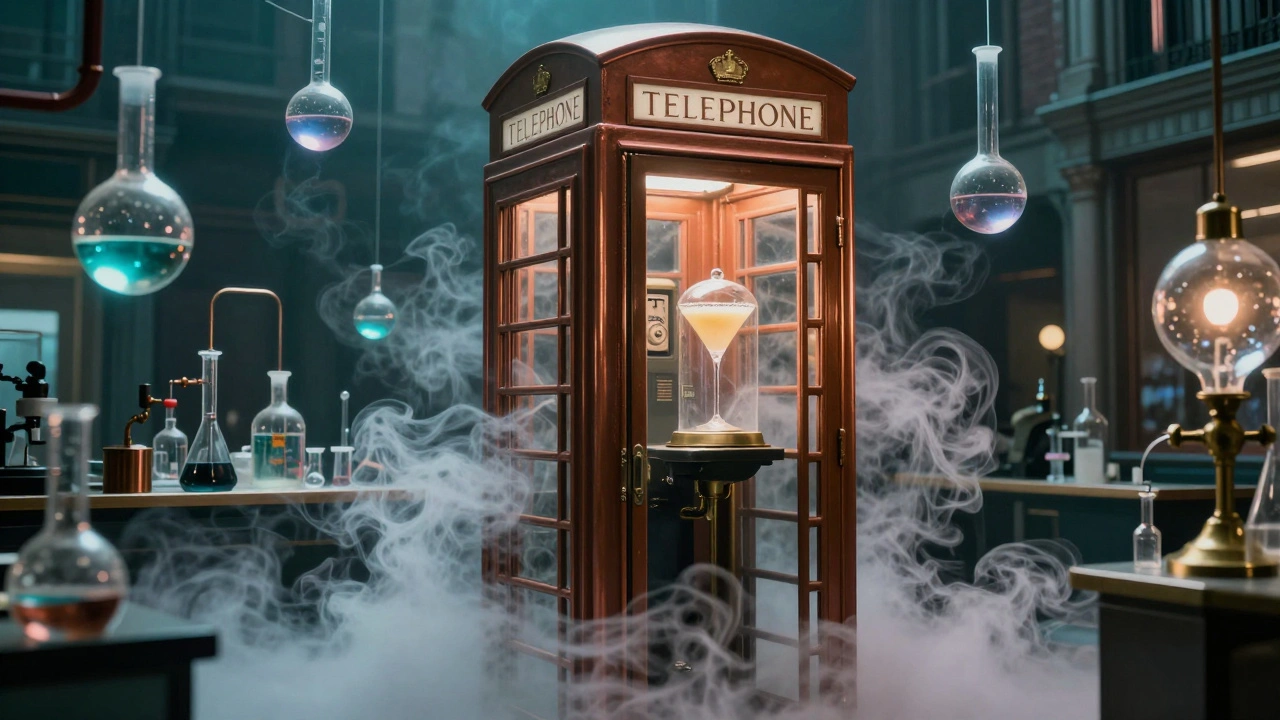
On the corner of Kingly Street in Soho, you’ll find a phone booth that looks like it’s been there since 1975. It’s not a real phone booth. It’s a portal.
Open the door, step inside, and press the button. The floor drops. You’re now in The Alchemist, a bar that feels like a mad scientist’s lab. Glass beakers, bubbling liquids, dry ice misting over tables. The menu is divided into categories like "Alchemy," "Chemistry," and "Molecular."
Try the "Smoke & Mirrors": gin, yuzu, and elderflower, served under a glass dome that’s filled with smoke. When the dome is lifted, the scent hits you first-then the taste. The bartender explains how they infuse the smoke with lavender and juniper. They’ve spent months perfecting it.
The Alchemist doesn’t just serve drinks. It serves science. And it’s one of the few places where you can watch your cocktail being made in real time-like a live experiment.
The Library That Doesn’t Exist: The American Bar at The Savoy
Most people know The Savoy for its history. Few know about the hidden door behind the library on the third floor. It’s not marked. You need to know to ask for the "American Bar" by name. If you say "I’d like to see the bar", you’ll be sent to the main lounge. But if you say "I’m here for the American Bar", you’re led to a small, unmarked hallway.
The American Bar has been serving cocktails since 1893. It’s the oldest cocktail bar in London. The current head bartender, who’s been there 18 years, still uses the original recipe book from 1927. The menu has 12 drinks. Each one is a classic-reimagined. The "Savoy Cocktail" is made with Plymouth gin, apricot brandy, and lemon. It’s been on the menu since 1930. They don’t change it. They don’t need to.
Here, the secret isn’t the entrance. It’s the silence. No music. No phones. Just the clink of ice and the murmur of people who know they’re in the presence of something rare.
The Back Room of a Tattoo Shop: The Little Bar
On a quiet street in Shoreditch, there’s a tattoo shop called "Ink & Iron." You walk in, see the needles and ink bottles, and think you’ve got the wrong place. Then you notice the small door behind the reception desk. A sign says: "Open 7pm-2am. No signs. No menu. Just ask."
The Little Bar is tiny. Six stools. Two tables. A single bartender who’s also the owner. He used to work at Nightjar. He left because he wanted something quieter. His menu? Five drinks. All made with ingredients he grows himself. The mint for the mojito? From his rooftop garden. The elderflower syrup? Made from flowers picked in Kent.
He doesn’t take bookings. He doesn’t have Instagram. He doesn’t care if you’re famous. He’ll ask you where you’re from. Then he’ll make you something that tastes like home-if home had a cocktail bar.
Why Speakeasies Still Matter in 2025
Why do people line up for hours to get into a bar they can’t even find?
Because the world is loud. Because everything is visible. Because your phone knows where you are, what you bought, and what you liked. Speakeasies are the opposite. They’re quiet rebellion. They ask you to slow down. To trust. To be curious.
These bars don’t sell alcohol. They sell mystery. They sell craftsmanship. They sell time.
And in a city like London-where everything is marketed, branded, and streamed-finding a place you have to earn your way into? That’s the real luxury.
What to Know Before You Go
- Reservations matter-even for secret bars. Most require you to book ahead, even if it’s just a name and a time.
- Don’t bring a big group-these places are small. Four people max, unless they say otherwise.
- Ask questions-the bartenders love to talk. They’ve spent years perfecting their craft. Let them show you.
- Dress nicely-no hoodies, no flip-flops. These aren’t clubs. They’re temples of taste.
- Don’t post the location-respect the secrecy. If you tell everyone, it won’t be secret anymore.
Final Tip: The Best Secret Is the One You Don’t Tell
The real magic of a speakeasy isn’t the door or the drink. It’s the feeling that you’ve discovered something no one else knows. That you’ve been let in on a quiet, beautiful secret.
So next time you’re in London, skip the Instagrammable rooftop. Skip the tourist bars. Find a fridge door. Knock. Whisper. Wait.
And when the door opens? Step through. Don’t look back.
Do I need to know the password to get into a speakeasy bar in London?
Not always, but many of the best ones do. Some bars require you to email ahead for the password, others let you earn it by asking the right question at a nearby spot. If you don’t know it, just be polite and ask the bartender or host-they’ll usually help you figure it out.
Are speakeasy bars in London expensive?
Yes, but not because they’re overpriced-they’re worth it. Cocktails usually cost between £16 and £22. You’re paying for hand-pressed juices, rare spirits, and bartenders with 10+ years of experience. A drink here isn’t just a cocktail-it’s a performance.
Can I just walk in without a reservation?
Some bars let you walk in, but most have limited seating. Nightjar and The Alchemist often have lines. The Coburg and The American Bar require reservations. Always check their website or call ahead. Even if it’s a secret, they still need to manage their space.
Are these bars open every day?
Most are open Tuesday through Sunday, closing Monday. Hours vary-some open at 5 PM, others not until 7 PM. Always check their website or social media. A few close for private events or holidays, especially around Christmas.
What’s the difference between a speakeasy and a regular cocktail bar?
A regular cocktail bar has a menu, lights, and a sign. A speakeasy hides. It makes you work for the experience. The drinks are often more experimental, the atmosphere quieter, and the service more personal. It’s not just about what you drink-it’s about how you find it.