London is one of those cities that never truly sleeps, yet choosing when to step foot on its streets makes all the difference to your experience. You might wonder if you should chase the blooming gardens in spring or brave the chilly nights for winter Christmas lights. The reality is, every month brings a distinct vibe, crowd level, and price tag that changes how much you actually enjoy the trip. Knowing the best time to visit London isn't just about avoiding rain; it’s about matching your travel style to the city’s rhythm.
We’ve seen travelers arrive excited only to find their plans halted by unexpected fog or booked-out venues. On the flip side, visiting at the right shoulder season can save you hundreds of pounds while offering clearer skies. This guide breaks down the year into manageable chunks so you can plan around your budget, tolerance for crowds, and weather preferences without the guesswork.
Key Takeaways
- Late Spring (May): Offers the sweet spot for warm weather, longer days, and manageable crowds before summer peaks.
- Early Autumn (September): Provides mild temperatures and fewer queues than July or August, making sightseeing easier.
- Peak Summer (July-August): Expect high prices, full hotels, and packed attractions, though daylight lasts until 9 PM.
- Winter Low Season (January): Best for budget travelers willing to deal with cold weather in exchange for cheap flights and hotel rates.
- Avoid Mid-December: While festive, it attracts massive crowds and inflated costs due to holiday shopping.
Understanding the Four Seasons in London
When people talk about the British climate, rain immediately comes to mind, but London’s weather is surprisingly nuanced depending on the season. Unlike Mediterranean destinations with guaranteed sun, London offers a mix of crisp mornings, overcast afternoons, and occasional heatwaves. To plan effectively, you need to understand the core characteristics of each season rather than hoping for perfect conditions.
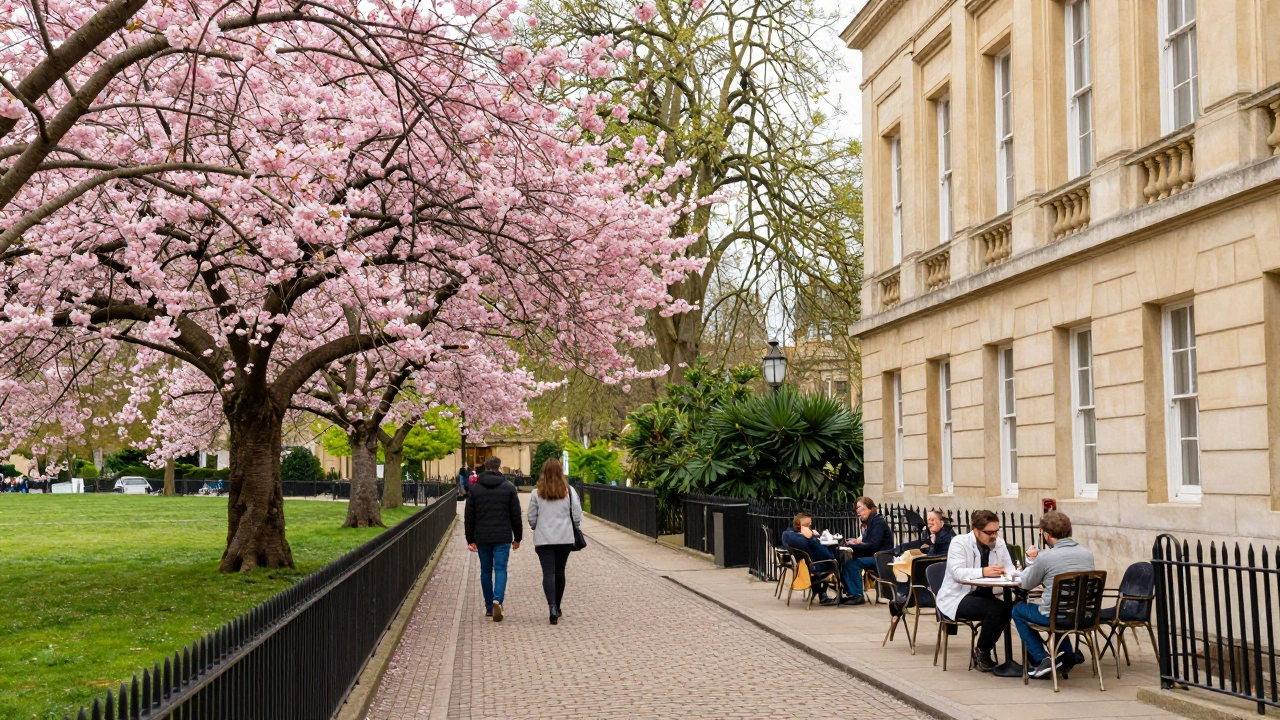
London is a major global city and capital of England known for its historic architecture and diverse culture. The city experiences four distinct seasons with average temperatures ranging from 5°C in January to 24°C in July. Also known as Greater London, it sees over 20 million international visitors annually.Start with spring, running from March to May. Temperatures creep up slowly from cool to comfortable. March can still feel quite windy, but by May, the Royal Parks turn lush green, and outdoor dining begins. If you prefer walking without sweating, aim for early May. Then there is summer, officially June through August. While many hope for beach weather, London summers are often mild, occasionally spiking above 30°C, but humidity rarely hits tropical levels. This period is prime time for locals taking vacations, meaning public spaces like Hyde Park get crowded.
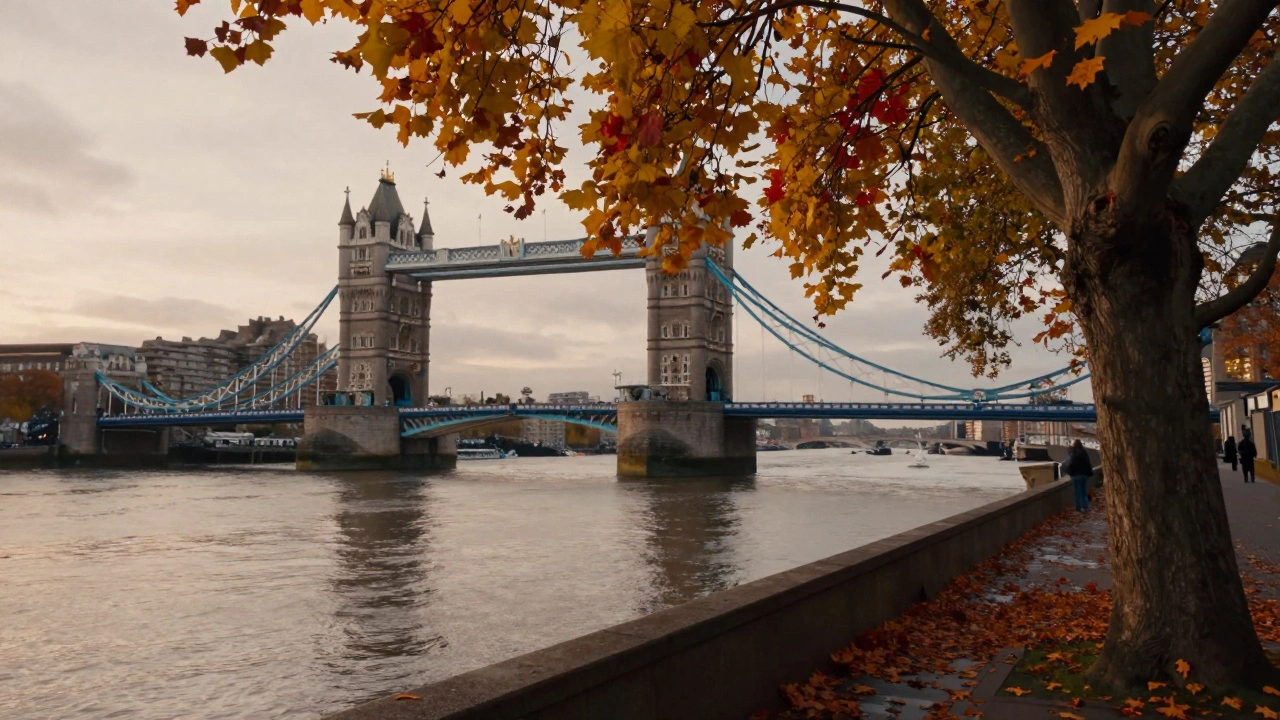
Autumn arrives September through November. This is a personal favorite for many frequent visitors because the air cools down, and the trees display stunning yellow and red hues. October is particularly magical near the Thames, though rain probability increases slightly towards November. Finally, winter covers December to February. It is undeniably colder, with days ending by 4 PM in December. However, the city transforms with market stalls and illuminations, offering a cozy atmosphere if you dress appropriately. Snow is rare, so pack layers instead of heavy ski gear.
The Shoulder Seasons: Your Sweet Spot
If you ask seasoned travelers when to book a flight to the UK, the answer usually involves the "shoulder seasons." These are the transition periods between peak tourist times and low seasons. Specifically, look at late April to mid-June and late August to mid-October. During these windows, you get the best balance of decent weather and reasonable accommodation costs.
Consider May for a week-long stay. Daytime highs often hit 18°C, which feels warm under the sun but doesn’t require air conditioning indoors. More importantly, queues at top attractions like the Tower of London or the British Museum are significantly shorter compared to July. You won’t be fighting families trying to see Harry Potter’s wizard school set in Diagon Alley. Hotels drop their rates slightly because business travelers haven't fully returned, and leisure tourists haven't flooded in yet.
September works similarly well. The school year starts in late August, clearing out the family rush from schools. The weather remains mild, often lingering near 20°C. One drawback is that some seasonal outdoor restaurants might begin closing menus, though indoor venues remain active. A strategy here is to book popular dinner spots two weeks in advance, as Friday nights fill up fast even in September. Checking the forecast apps locally a few days before arrival helps you layer clothing correctly-usually a light coat suffices.
Navigating Peak Summer and School Holidays
Summer in London creates a buzz, but it comes with trade-offs. From late June through August, the city hosts major outdoor events like Wimbledon, the Notting Hill Carnival, and various music festivals. While these are culturally significant, they draw huge numbers of people. If your itinerary depends on quiet strolls along the Southbank, you might find yourself shoulder-to-shoulder with others.
| Month | Avg Temp | Crowd Level | Cost Rating | Key Event |
|---|---|---|---|---|
| April | 13°C | Medium | $$$ | Cherry Blossom Season |
| June | 19°C | High | $$$$ | King's Birthday Parade |
| August | 22°C | Very High | $$$$$ | Notting Hill Carnival |
| October | 12°C | Medium-Low | $$$ | Diwali Celebrations |
| January | 8°C | Low | $ | New Year Sales |
You must also account for school holidays. UK schools typically take two weeks off in early July and half-term breaks in late October and early May. Flights and hotels spike in price directly correlating with these dates. For example, checking availability during the second week of August might cost 40% more than late September. If you do visit during summer, prioritize booking activities online in advance. Many museums offer timed entry slots, but popular exhibitions sell out quickly. Use the early morning hours, specifically 9:00 AM to 11:00 AM, to explore sites before tour groups arrive.
Winter Savings and Festive Magic
There is a misconception that winter travel is pointless due to rain and cold. In reality, winter offers the deepest savings on flights and lodging. From January to February, excluding the New Year period, demand drops sharply. You can often secure luxury hotels for standard chain prices. It is an ideal time for museum lovers who spend long days indoors exploring art collections without rushing.
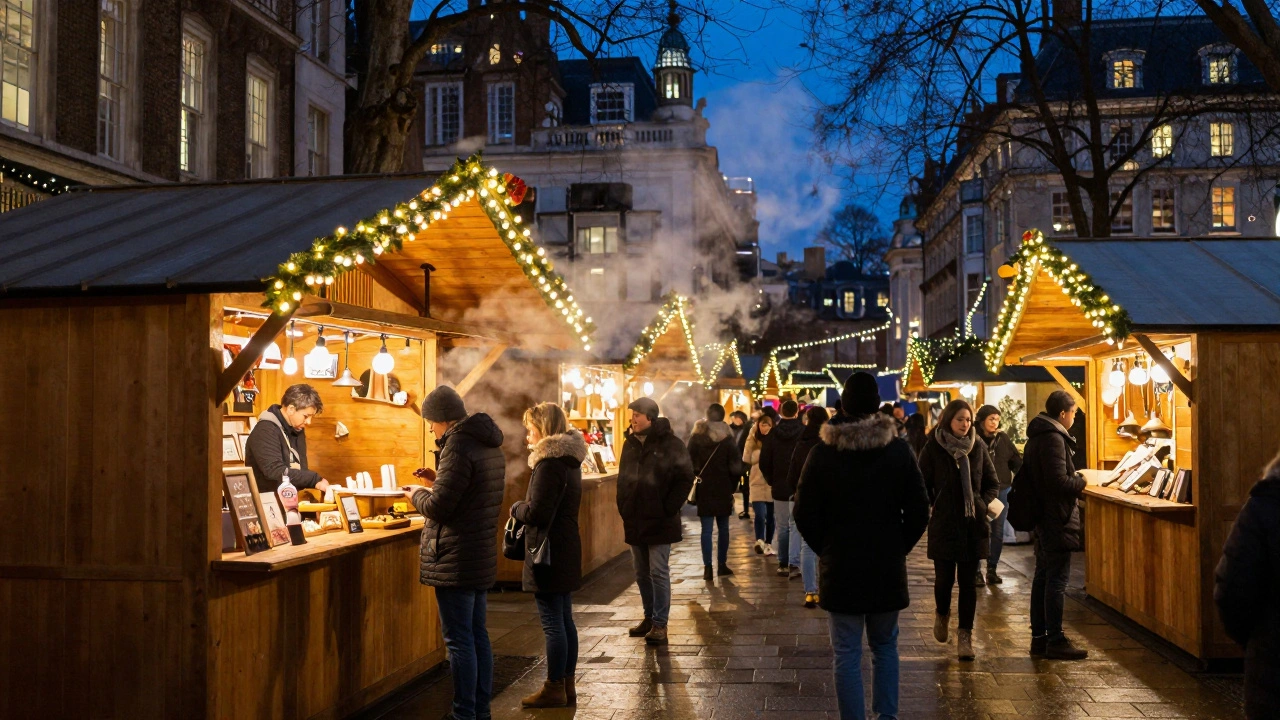
However, the festive season from mid-December presents a different scenario. The Christmas markets pop up across the city, such as Winter Wonderland in Hyde Park. While visually stunning, expect extreme congestion. Train stations become busy hubs with shoppers returning home for the holidays. If you love the atmosphere, book accommodation months in advance and embrace the chaos. If you dislike crowds, skip the period between December 20th and January 5th. Late January is remarkably peaceful; shops are open, and galleries are accessible.
Packing and Practicality Tips
Your suitcase needs to adapt to the local context regardless of the month. Comfortable footwear is non-negotiable because cobblestone streets remain uneven, and walking distances are vast. Layering is the golden rule of London wardrobes. Carrying a waterproof jacket is smarter than relying on an umbrella, especially during sudden gusty winds common in autumn.
Maintain flexibility in your schedule. If rain is predicted, have backup indoor plans. Most national galleries are free, providing shelter without sacrificing quality. Keep a portable power bank handy, as using maps and navigation apps drains battery quickly. Download offline maps before leaving the hotel, as signal strength can vary in underground Tube stations. The Tube network itself runs extensive routes, but surface-level buses offer better views and cost less.
Frequently Asked Questions
Is London expensive to visit in the summer?
Yes, summer is peak season. Hotels and flights can cost up to 50% more than in winter months like February or November. Dining prices also rise as demand increases.
What is the rainiest month in London?
Autumn months, particularly October and November, tend to have the highest rainfall totals. However, spring months like April can also see significant showers, so carrying rain gear is always wise.
Do I need a visa for a short trip?
Citizens from many countries do not need a visa for stays under six months. Always check the official UK government website for your specific nationality before traveling to confirm requirements.
Are museums free in London?
Major national museums like the British Museum and the National Gallery are free to enter. Special exhibitions usually charge a fee, so check beforehand if you want to avoid extra costs.
When is the cheapest time to fly to London?
Late January and early February typically offer the lowest airfare rates. Flights are cheapest mid-week (Tuesday or Wednesday) rather than weekends when leisure travelers dominate bookings.
Planning your trip requires balancing these factors against your personal priorities. There is no single perfect day, but understanding the seasonal patterns ensures you maximize your enjoyment. Whether you seek the energy of summer festivals or the quiet reflection of winter galleries, London awaits. By timing your arrival wisely, you avoid stress and uncover the true charm of the capital.