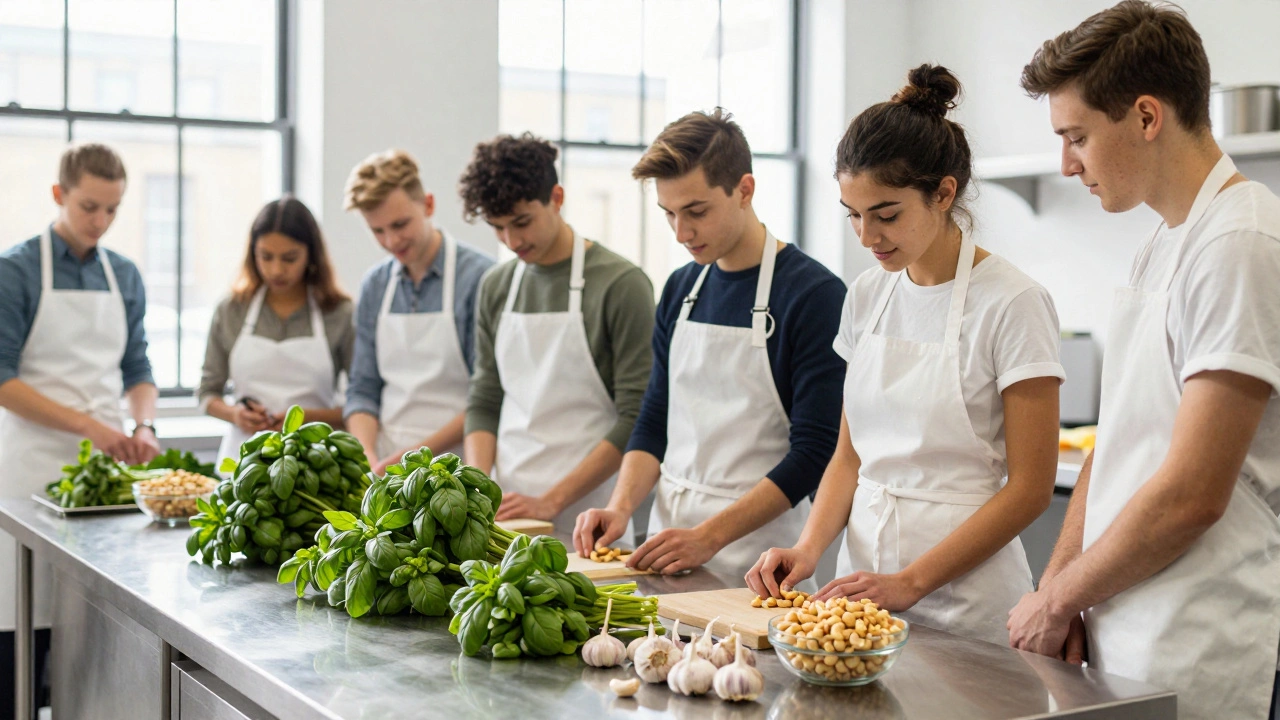
Quick Takeaways for Your Plant-Based Journey
- Skill Levels: Classes cater to everyone from absolute beginners to experienced home cooks.
- Focus Areas: Common themes include vegan pastry, fermented foods, and high-protein meat alternatives.
- Location: Most hubs are centered around East London (Hackney/Shoreditch) and Central London.
- Expected Outcome: You'll leave with a set of versatile techniques rather than just a single recipe.
Mastering the Art of Vegan Substitutions
The biggest hurdle for most people starting with vegan cooking classes London is the "swap." How do you replace an egg in a cake or a heavy cream in a pasta sauce without losing the soul of the dish? This is where professional workshops provide the most value. Instead of just telling you to use a "flax egg," a good instructor explains the binding properties of mucilage and how it mimics the protein structure of an egg white.
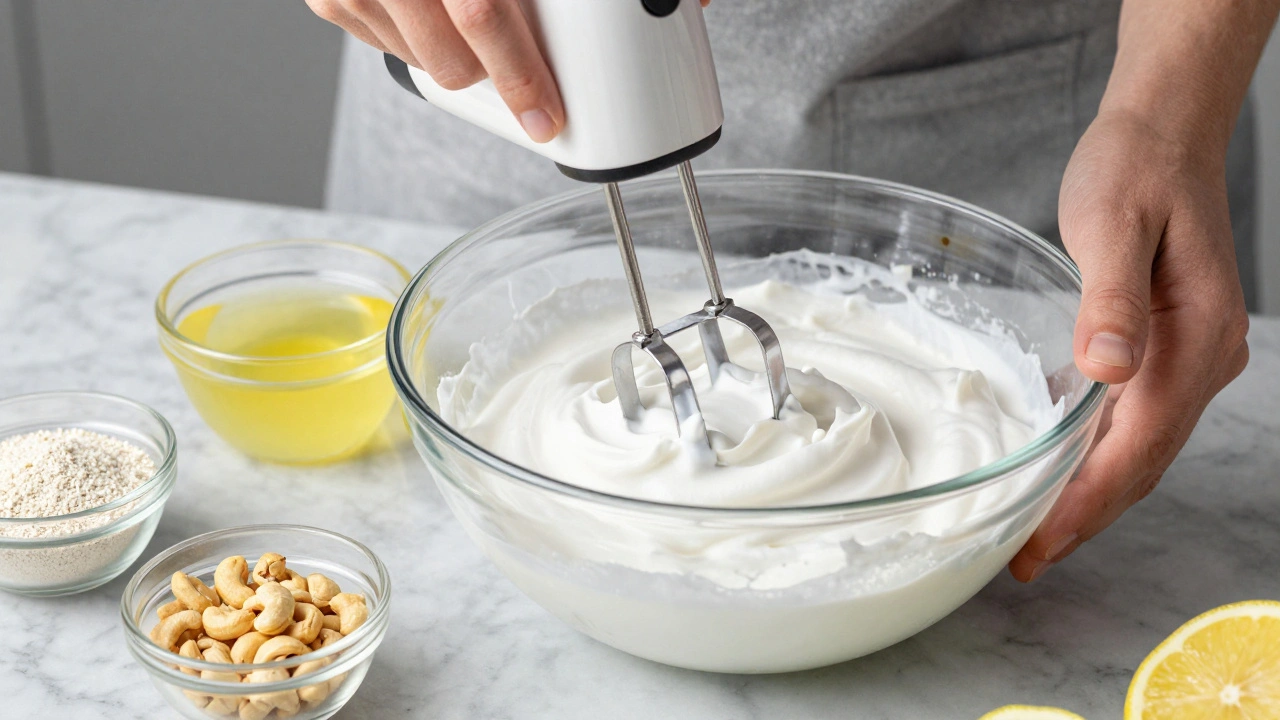
Take the example of Nutritional Yeast, which is a deactivated yeast that provides a savory, cheesy flavor to vegan dishes. In a workshop, you'll learn that it's not just a sprinkle on top; when blended with soaked cashews and lemon juice, it becomes a high-quality parmesan alternative. You'll also dive into the world of Aquafaba-the liquid from a can of chickpeas. It's a game-changer for making meringues and mousses because it contains a unique mix of proteins and starches that allow it to whip into stable peaks, just like egg whites.
Choosing the Right Type of Workshop
Not all classes are built the same. Depending on what you actually want to achieve, you'll find three main styles of learning in the city. Some people want the fast-track version where they make one meal and go home, while others want to understand the science of food.
| Workshop Type | Best For... | Typical Duration | Key Skill Learned |
|---|---|---|---|
| Themed Masterclass | Specific cravings (e.g., Vegan Sushi) | 3-4 Hours | Niche technique execution |
| Foundational Course | New vegans/Beginners | Full Day/Weekend | Pantry staples & basic swaps |
| Professional Diploma | Aspiring chefs/Entrepreneurs | Multiple Weeks | Menu planning & scaling |
The Science of Plant-Based Proteins
One of the most rewarding parts of a dedicated workshop is learning how to handle Tofu and Tempeh. Most people hate tofu because they buy the watery supermarket version and fry it without seasoning. A professional class will teach you the "freeze-thaw" method-freezing tofu and then thawing it-which changes the cellular structure to create a meatier, sponge-like texture that absorbs marinades far more effectively.
Then there's the world of Seitan, which is a gluten-based meat substitute made from wheat flour. Learning to make seitan from scratch in a London kitchen is like a rite of passage. You'll learn the "wash the flour" technique to remove starches, leaving only the protein. This allows you to create a texture that is indistinguishable from chicken or beef, provided you nail the seasoning with smoked paprika and soy sauce.
Exploring London's Vegan Culinary Hubs
Where you learn matters. East London, particularly around Hackney and Shoreditch, has become the epicenter for plant-based innovation. Many workshops here are hosted in converted warehouses that double as community kitchens. These spaces often focus on sustainability, teaching you how to use Zero Waste Cooking principles-like turning broccoli stalks into a creamy soup or using citrus peels for homemade candies.
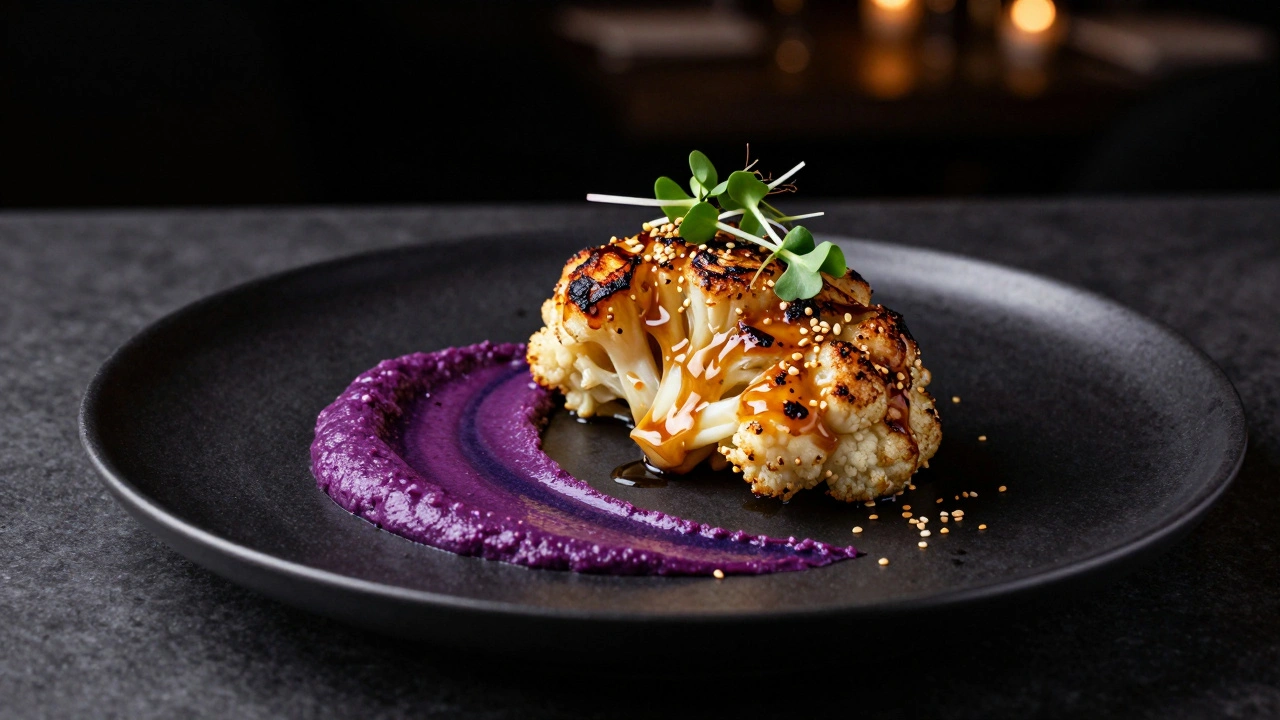
In contrast, the classes in Central London often lean toward the "fine dining" experience. You might find yourself in a sleek studio learning how to plate a vegan tasting menu that looks like a piece of art. These classes emphasize visual aesthetics, using vegetable purees to create vibrant smears of color and using micro-greens for height and texture. It's less about "survival cooking" and more about culinary expression.
Common Pitfalls to Avoid in Vegan Cooking
Even with a class, there are a few traps that catch people out. The biggest one? Over-relying on processed substitutes. Many beginners try to replace everything with store-bought vegan meats and cheeses. A quality workshop will push you away from the processed stuff and toward whole foods. They'll show you that a roasted cauliflower steak, when treated with a high-heat sear and a miso glaze, is often more satisfying than a processed patty.
Another common mistake is ignoring acidity. Because plant-based fats (like coconut milk or avocado) can be very "heavy," you need acid to cut through that richness. Instructors will emphasize the use of lime juice, apple cider vinegar, or sumac to brighten a dish. Without that balance, vegan food can taste flat or overly earthy.
Building Your Plant-Based Pantry
After your workshop, the real challenge is maintaining the momentum at home. You don't need every gadget in the store, but a few specific tools make a world of difference. A high-speed blender is practically non-negotiable if you want to make smooth nut creams or silky soups. If you're getting into fermentation, a few wide-mouth glass jars and some non-iodized salt are your best friends.
Stocking your pantry with a few "power players" will also help. Keep a variety of legumes-black beans, chickpeas, and red lentils-alongside a good stock of dried mushrooms (like Porcini) for that deep, savory Umami flavor that is often missing in home-cooked vegan meals. When you combine these with the techniques learned in class, you can stop relying on recipes and start creating based on intuition.
Do I need to be a strict vegan to join these classes?
Not at all. Most London workshops are designed for everyone, including vegetarians and meat-eaters who want to reduce their environmental footprint or explore new flavors. Many students are "flexitarians" who just want to improve their vegetable cooking skills.
What should I bring to a cooking workshop?
Most studios provide aprons and all the ingredients. However, it's a good idea to bring a notebook to jot down those little "chef's tips" that aren't in the printed recipe, and perhaps a container if the class allows you to take home extra portions of what you've made.
Are these classes suitable for people with allergies?
Yes, but be cautious. Vegan cooking relies heavily on nuts (cashews, almonds) and soy. Always inform the instructor of your allergies during the booking process so they can provide substitutions, such as using sunflower seeds instead of cashews for creams.
How long does it take to see improvement in my cooking?
You'll see an immediate change in your food's flavor after just one class because you'll learn about seasoning and acidity. However, mastering textures-like getting the perfect consistency for vegan cheese-usually takes a few weeks of practicing the techniques at home.
Which part of London has the best classes?
East London (Hackney and Shoreditch) is generally the most vibrant area for plant-based workshops due to the high concentration of vegan cafes and creative studios. However, Central London offers more high-end, luxury culinary experiences.
Next Steps for Aspiring Vegan Chefs
If you're feeling overwhelmed by the options, start with a single-day "Basics" workshop. Focus on learning one core skill-like making a great plant-based sauce-and then practice it three times a week. Once you've nailed the basics, move on to more complex topics like vegan pastry or fermented kombuchas. The goal isn't to be perfect overnight; it's to build a relationship with your ingredients so that you can look at a vegetable and know exactly how to make it taste incredible.