Quick Guide to London Relaxation
- For Pure Luxury: Head to Mayfair for high-end facial technology and champagne.
- For Deep Recovery: Look for centers offering contrast therapy (sauna and ice baths).
- For Mindset Shifts: Seek out holistic centers in East London focusing on meditation and sound baths.
- For a Quick Reset: Opt for a 60-minute targeted massage in the City.
The High-End Sanctuary Experience
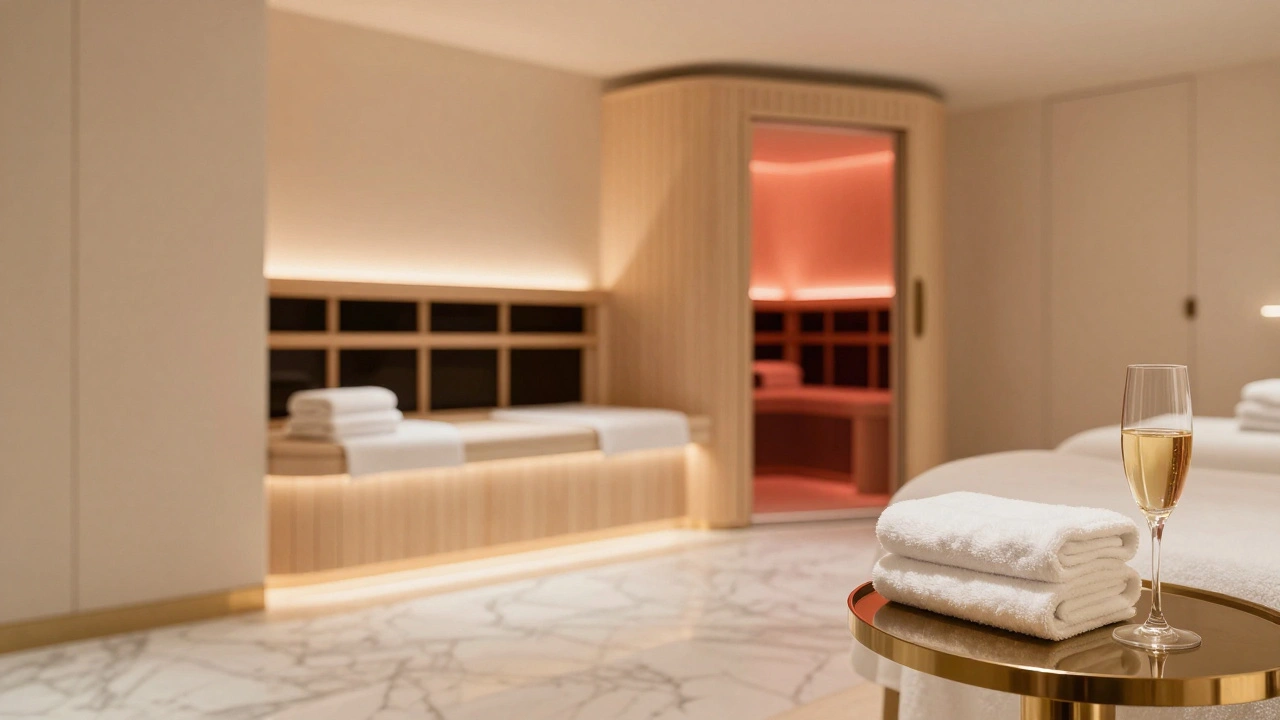
If you have a budget that allows for it, the luxury districts of Mayfair and Knightsbridge are the epicenters of indulgence. Here, Wellness Centers and Spas in London is a specialized sector of the hospitality industry focusing on high-end aesthetic treatments, stress management, and luxury hydrotherapy. These spots aren't just about a massage; they are about an entire sensory shift. You'll find places like the Claridge's spa, where the atmosphere is designed to lower your cortisol levels the moment you step inside.
In these elite spaces, you aren't just getting a treatment; you're accessing advanced technology. For example, many luxury spas now use HydraFacial technology, which uses a patented vortex-fusion delivery system to cleanse and hydrate the skin. It's the difference between a basic facial and a medical-grade skin reset. If you're looking for something that targets the nervous system, look for spas offering Infrared Saunas. Unlike traditional saunas that heat the air, these use infrared light to warm your body directly, which often feels more relaxing and is better for muscle recovery.
Contrast Therapy and the New Wave of Biohacking
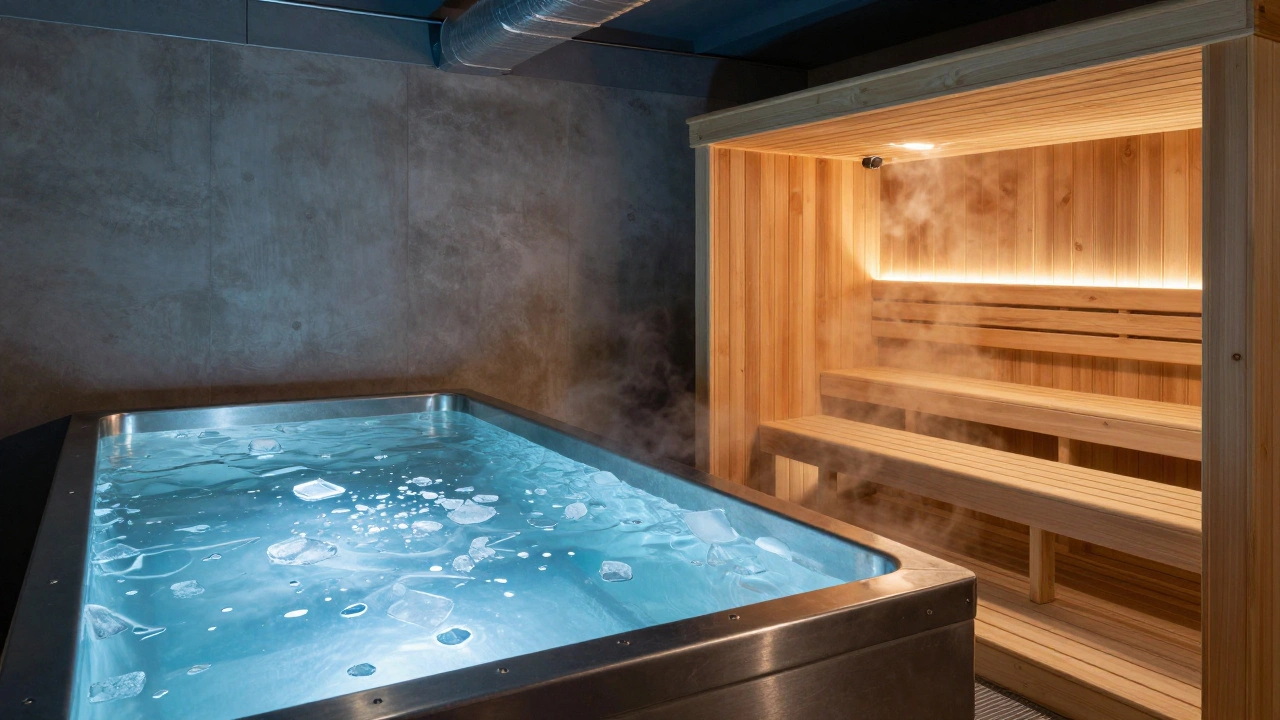
There is a growing trend in London moving away from "pampering" and toward "optimization." This is where Biohacking enters the picture. Biohacking is essentially the practice of using science and technology to "hack" your biology for better health. In London, this often manifests as contrast therapy-alternating between extreme heat and extreme cold.
You'll find dedicated centers where you can jump into a Cold Plunge (usually kept around 3-5°C) and then immediately step into a Finnish sauna. This process triggers a massive release of endorphins and norepinephrine, which clears brain fog and reduces inflammation. It's not a "relaxing" experience in the traditional sense-it's a shock to the system-but the feeling of lightness you have afterward is unmatched. These centers are popping up across Shoreditch and Soho, catering to a crowd that wants a physical and mental "hard reset."
| Approach | Primary Goal | Typical Treatments | Best For... |
|---|---|---|---|
| Traditional Luxury | Deep Relaxation | Aromatherapy, Facials, Steam | Stress relief & pampering |
| Biohacking | Physical Optimization | Cryotherapy, Red Light, Ice Baths | Recovery & mental clarity |
| Holistic/Zen | Spiritual Alignment | Sound Baths, Reiki, Yoga | Emotional detox & peace |
Holistic Healing and Mind-Body Connection
Sometimes, a massage isn't enough. When the stress is mental rather than physical, you need a Holistic Wellness Center. These centers view the body as an integrated system rather than a collection of parts. In areas like Marylebone, you'll find practitioners who combine Acupuncture-a traditional Chinese medicine technique involving thin needles-with modern psychology.
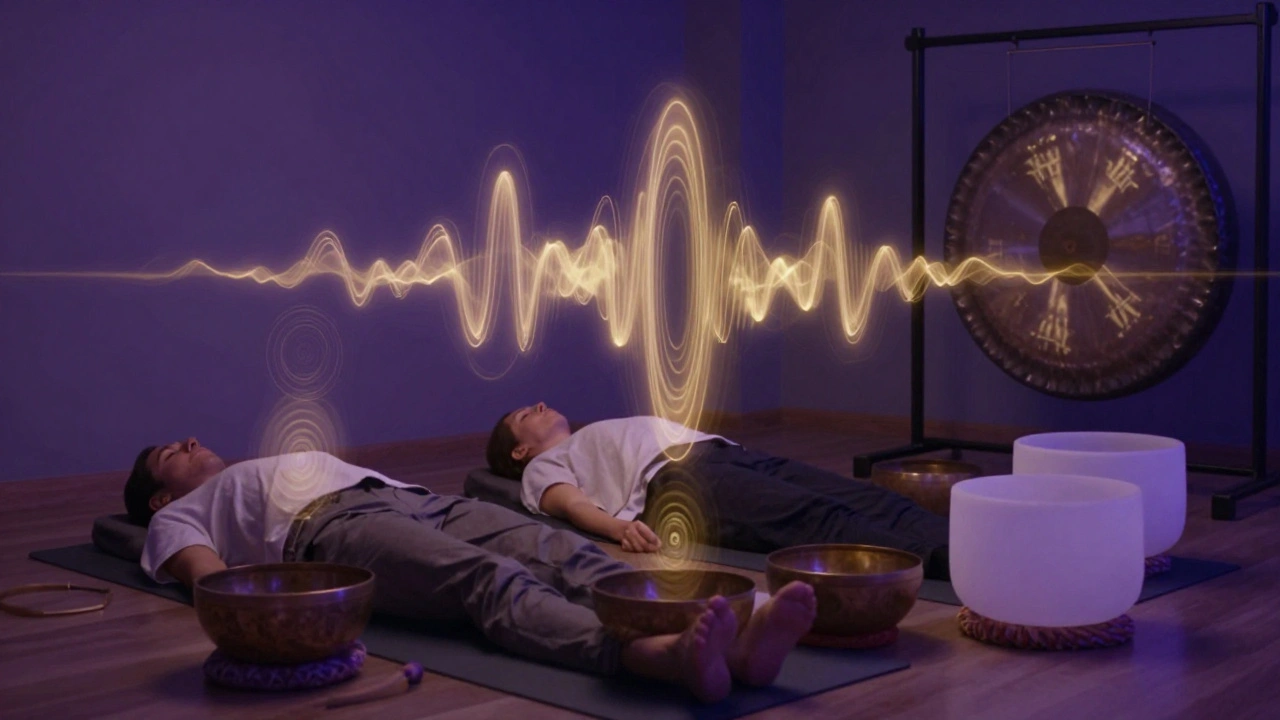
One of the most popular trends right now is the sound bath. Imagine lying on a mat in a dimmed room while someone plays Tibetan Singing Bowls and gongs. The vibrations physically resonate through your body, which can nudge your brain from an active Beta state into a relaxed Theta state. It's an incredible way to stop the "monkey mind" from racing. If you've never tried it, it feels like a massage for your brain.
Practical Tips for Choosing Your Spot
Navigating the London spa scene can be overwhelming because the pricing varies wildly. A quick facial in a high-street chain might cost £40, while a signature treatment at a Mayfair hotel could be £400. To get the best value, look for "Day Packages." Most top-tier spas offer a package that includes access to the pool, sauna, and gym for the day, plus one or two treatments. This is almost always cheaper than booking a room and a treatment separately.
Also, consider the timing. If you're visiting a spa in the City (the financial district), avoid Tuesday to Thursday mid-days; they are packed with corporate executives taking "wellness breaks." Instead, aim for Monday mornings or late Friday afternoons. If you're looking for a more authentic experience, avoid the huge hotel chains and look for independent Boutique Spas. These smaller venues often have more passionate staff and a less "assembly line" feel to their service.
Common Pitfalls to Avoid
Not all "wellness" is created equal. Be wary of centers that promise instant cures for chronic illnesses through a single treatment. Real wellness is a gradual process. Also, check the "wet area" rules. Some London spas have very strict policies about swimwear or the use of specific robes. Nothing ruins a relaxing day like being told your attire isn't up to code in front of a dozen other people.
Another mistake is ignoring the hydration factor. Between the sauna, the steam room, and the massage, you'll lose a lot of water. Many high-end places provide infused water, but if you're at a more basic gym-spa, bring your own bottle. Dehydration during a detox treatment can actually make you feel more fatigued and give you a headache, which completely defeats the purpose of the visit.
What is the difference between a day spa and a wellness center?
A day spa usually focuses on short-term relaxation and beauty treatments like massages and facials. A wellness center typically takes a more comprehensive approach, offering a mix of physical fitness, nutritional guidance, and therapeutic treatments aimed at long-term health improvement.
Are ice baths actually safe?
For most healthy adults, yes, but they should always be done under supervision, especially for beginners. Cold plunge therapy causes a sudden increase in heart rate and blood pressure, so if you have cardiovascular issues, you must consult a doctor first.
How do I find the most authentic holistic spas in London?
Look beyond the big hotels. Search for practitioners in Marylebone or East London who specialize in specific modalities like Reiki, Ayurveda, or Sound Healing. Check for certifications and read reviews that mention the "atmosphere" and "intent" rather than just the luxury of the facilities.
What is the best time of day to visit a London spa?
Mid-week mornings (Tuesday/Wednesday) are usually the quietest for luxury hotel spas. Avoid weekends and the 5 PM to 8 PM window on weekdays, as this is when the local workforce heads in for post-work stress relief.
Do I need to book weeks in advance?
For the top-rated spots like Claridge's or high-end biohacking centers, yes. Saturday appointments often fill up 2-3 weeks in advance. However, for mid-week visits, you can often find a slot with 48 hours' notice.
Next Steps for Your Wellness Journey
If you're new to this, start with a simple hydrotherapy circuit-sauna, steam, and pool. It's the lowest barrier to entry and gives you a feel for how your body responds to heat and water. Once you're comfortable, try a targeted treatment like a deep-tissue massage or a high-tech facial.
For those who want something more intense, try a guided contrast therapy session. Pair the cold plunge with a warm tea and a meditation session to fully ground yourself. If you find that physical treatments aren't hitting the mark, shift your focus toward the holistic side-try a sound bath or an acupuncture session to address the mental clutter. London's wellness scene is vast; the trick is to experiment until you find the specific combination that actually makes you feel like a human again.