Shopping in London: Where Style Meets the Street
London isn't just a city; it's a global runway. Whether you're hunting for a rare couture piece that costs more than a small car or just want a reliable pair of jeans that actually fit, this city has a spot for you. But let's be honest, walking blindly into Oxford Street during a bank holiday is a nightmare. To actually find the womenswear shops in London that match your vibe and budget, you need a strategy.
Depending on who you ask, the "best" shop is either a hidden vintage gem in East London or the polished halls of Harrods. The truth is, London's fashion scene is split into distinct ecosystems. You have the high-speed churn of the high street, the curated elegance of luxury department stores, and the rebellious spirit of independent boutiques. This guide breaks down exactly where to go so you don't spend four hours walking in circles around Soho.
Quick Shopping Cheat Sheet
| Category | Top Location | Typical Vibe | Budget Range |
|---|---|---|---|
| Ultra-Luxury | New Bond Street | Polished, Exclusive | ££££ |
| High Street | Regent Street | Trendy, Fast-paced | £ - ££ |
| Indie/Eclectic | Shoreditch | Experimental, Raw | ££ - £££ |
| Curated Luxury | Knightsbridge | Classic, Opulent | £££ - ££££ |
The Heavy Hitters: Luxury and Department Stores
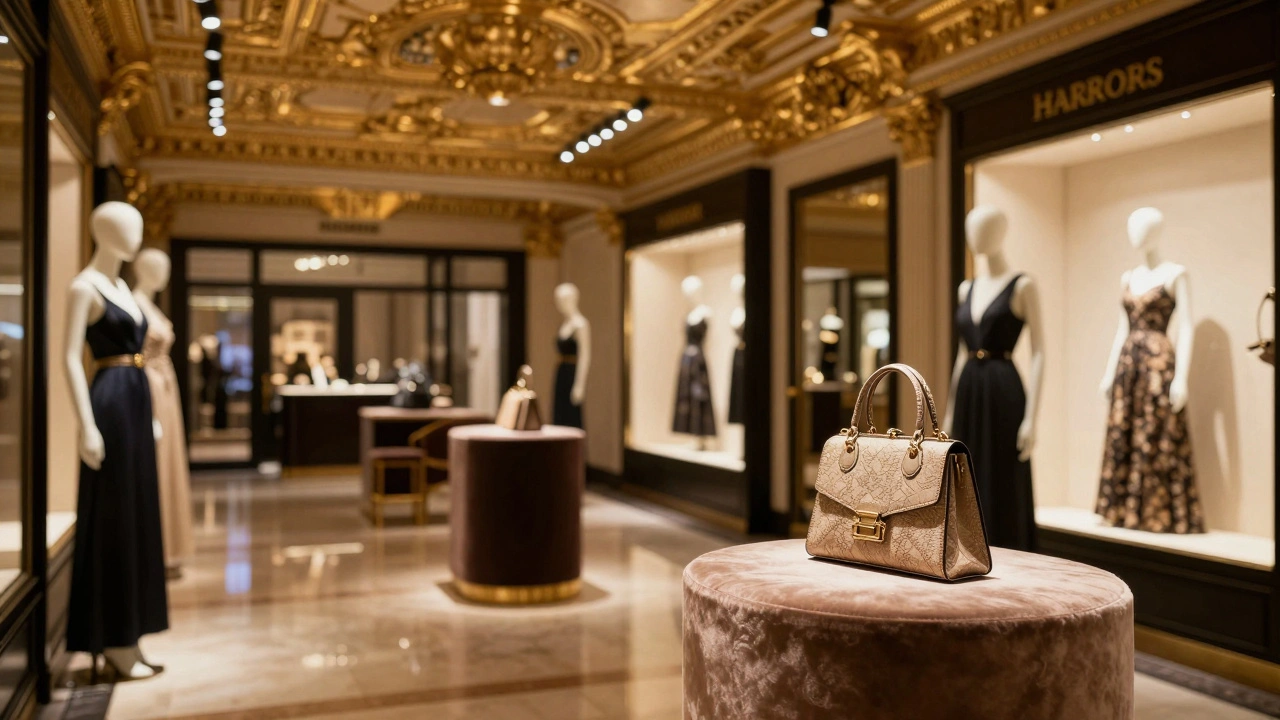
If you're looking for a one-stop shop where you can see everything from Gucci to Selfridges' own curated labels, the big department stores are your best bet. These aren't just shops; they're landmarks. Harrods in Knightsbridge is the gold standard. It's where you go when you want the full experience-think gold-leaf ceilings and personal shoppers who know exactly which limited-edition handbag just arrived from Italy.
Then there's Selfridges on Oxford Street. Unlike Harrods, which feels like a royal palace, Selfridges is more about the "now." It's the place to find the latest collaboration between a streetwear brand and a luxury house. If you're after the most current trends seen on TikTok or at Fashion Week, this is the hub. The store is divided into zones, making it easier to navigate the chaos of the crowds outside.
For a slightly more understated but equally luxurious experience, Liberty London is a must-visit. Housed in a stunning Tudor-style building, Liberty feels more like a boutique than a department store. Their womenswear selection focuses heavily on prints, artisanal fabrics, and a more romantic, bohemian aesthetic. It's the perfect place to find a unique piece that doesn't look like it came off a mass-production line.
High Street Staples: Trends and Accessibility
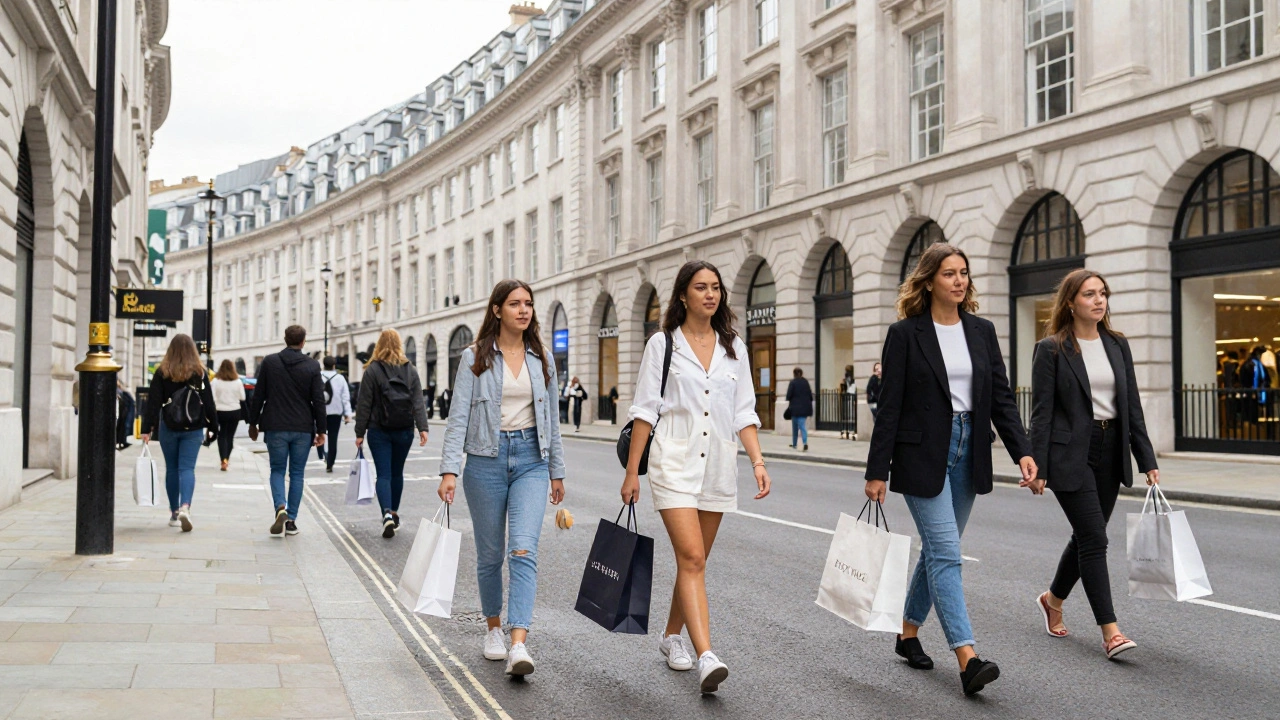
Most of us don't shop for £5,000 gowns every Tuesday. For the daily grind, the high street is where the action is. Regent Street is arguably the best stretch for this. It's cleaner and more spaced out than Oxford Street, and it hosts the giants of fast fashion and "bridge-to-luxury" brands. You'll find everything from Zara for those sharp, tailored looks to Cos if you prefer a minimalist, architectural silhouette.
When shopping the high street, the key is knowing the "neighborhood clusters." For example, if you want a mix of globally recognized brands and slightly more curated options, head to Covent Garden. The shopping here is more integrated into the street life, with boutiques tucked into courtyards. It's a great spot to pick up a dress for a dinner party while enjoying the street performers.
A common mistake visitors make is sticking only to the main drags. If you want the high street experience without the shoulder-to-shoulder crowds, try the shops around Marylebone High Street. It's far more relaxed, with a mix of high-end brands and local boutiques that offer a more personalized service. It's where Londoners who actually live in the city tend to do their browsing.
The Creative Core: Independent and Vintage Finds
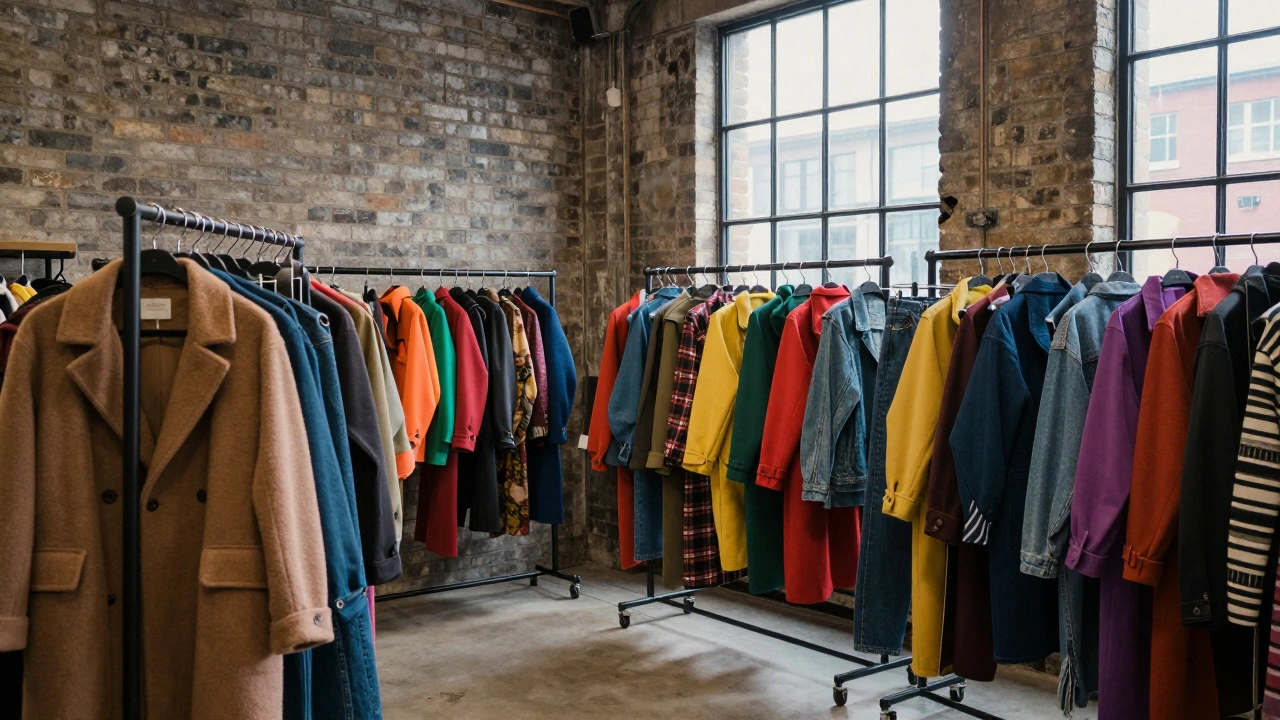
If the idea of wearing the same dress as three other people at a party sounds like a nightmare, leave the West End and head East. Shoreditch and Brick Lane are the heart of London's independent fashion scene. Here, the "shops" range from polished boutiques to warehouses where you dig through racks of 90s Prada and vintage Levi's.
Vintage shopping in London is an art form. You aren't just buying old clothes; you're hunting for archives. In the East End, you'll find stores that specialize in specific eras. One shop might only sell 1970s disco attire, while another focuses on Japanese minimalism from the 80s. The value here isn't just in the price, but in the sustainability. Buying a high-quality vintage wool coat is almost always better for your wallet and the planet than buying a synthetic one from a fast-fashion giant.
For those who want "indie" but with a higher budget, Soho offers a fantastic middle ground. It's the place for conceptual stores and "concept spaces" where the interior design is as much a part of the experience as the clothing. You'll find smaller labels that prioritize ethical sourcing and slow fashion-clothes designed to last a decade, not a season.
How to Plan Your Shopping Trip
Trying to hit all these spots in one day is a recipe for exhaustion. The best way to tackle London fashion is to split your trip by "intent." If you're in the mood for luxury and grandeur, spend your morning in Knightsbridge and your afternoon at New Bond Street. These areas are close enough to navigate by taxi or a short bus ride.
If you're on a budget or looking for trends, stick to the West End. Start at Oxford Circus, work your way down Regent Street, and end up in Soho. This allows you to see the biggest brands and the smaller boutiques without crossing the city. Just remember to wear comfortable shoes-you'll easily clock 10,000 steps before lunch.
For the vintage hunters, dedicate an entire Saturday to East London. The markets, like the Old Spitalfields Market, are most vibrant on weekends. This is the time to explore the side streets and find the shops that don't even have signs on their doors, just a curated mannequin in the window.
Avoiding Common Shopping Pitfalls
One big trap is the "tourist tax" of convenience. Shopping at the very center of Oxford Street is easy, but the stores are often overcrowded, and the service can be rushed. If you want a more attentive experience, move just a few blocks away to the smaller streets. You'll find the same brands but with a staff that actually has time to help you find the right size.
Another tip: check the return policies if you're buying from international labels in London. Some luxury boutiques have very strict "final sale" rules for tourists, while department stores like Selfridges are generally more flexible. Always keep your receipts in a dedicated folder-don't just stuff them in your shopping bag.
Lastly, keep an eye on the timing. If you're visiting during the famous January Sales or the Black Friday rush, the experience changes. The luxury stores remain calm, but the high street becomes a battlefield. If you hate crowds, avoid these dates or arrive exactly when the doors open at 10:00 AM.
Which area is best for affordable women's clothing?
Regent Street and Oxford Street offer the widest variety of high-street brands like Zara and H&M. However, for better deals and unique finds, the vintage markets in Shoreditch and Brick Lane are your best bet for affordable, high-quality pieces.
Where can I find high-end designer labels in London?
For the most concentrated collection of luxury brands, head to New Bond Street and Old Bond Street. For a curated experience with multiple designers under one roof, Harrods in Knightsbridge and Selfridges on Oxford Street are the top choices.
Is there a good place for sustainable and ethical fashion?
Soho and East London are the hubs for sustainable fashion. Look for independent boutiques that focus on "slow fashion" and organic materials. Additionally, shopping vintage in Shoreditch is one of the most sustainable ways to consume fashion in the city.
What is the best time of year to shop for sales?
The biggest sales typically happen in January (Winter Sales) and July (Summer Sales). You can find massive discounts at both high-street stores and luxury department stores during these periods, though the stores become significantly more crowded.
Do I need to book an appointment for luxury shopping?
For general browsing at Harrods or Selfridges, no appointment is needed. However, if you want a personal shopper or access to a private VIP suite at a boutique on New Bond Street, booking in advance is highly recommended and often required.
Next Steps for Your Fashion Tour
If you've conquered the main shopping districts, try expanding your horizon. A great next move is to visit the Victoria and Albert Museum to see the history of fashion; it provides a great context for why London's current styles look the way they do.
For those who prefer a more relaxed pace, a trip to Notting Hill on a Saturday allows you to browse antique clothing and eclectic boutiques while wandering through the colorful streets. Whether you're rebuilding your entire wardrobe or just looking for one perfect accessory, London's diversity is its biggest strength. Just remember to take breaks, drink plenty of tea, and maybe leave a little extra room in your suitcase for the trip home.