If you're living in London or planning to move there, one of the biggest surprises isn't rent-it's getting around. The Tube, buses, and even river services add up fast. People often think they can save money by avoiding the Tube and walking everywhere. But in a city this big, that’s not realistic. You need a clear picture of what monthly transport actually costs. This guide breaks down exactly how much you’ll pay for Tube, bus, and river services in 2026, with real numbers, smart tricks, and what happens if you mix them up.
How Much Does a Monthly Tube Pass Cost?
The Tube is the backbone of London transport. If you’re commuting daily, you’ll want a Travelcard or pay-as-you-go with contactless. There’s no monthly ticket you can buy like in some cities-you get capped daily and weekly spending instead. That’s the key.
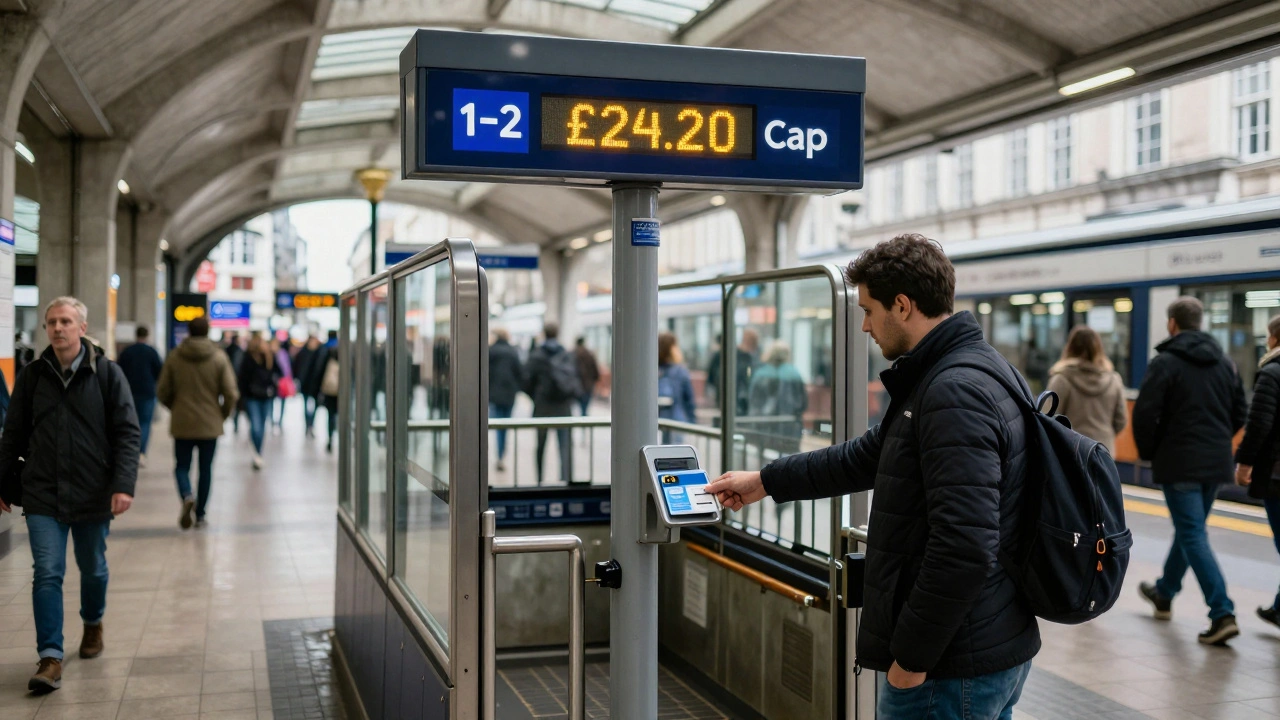
As of January 2026, the weekly cap for Zones 1-2 (which covers most central London) is £24.20. That means if you take five trips a week, you’ll never pay more than that. But if you’re in Zones 1-3 or 1-4, the cap jumps to £31.00 and £38.00 respectively. Multiply that by 4.3 weeks (average month), and you get:
- Zones 1-2: £104.06 per month
- Zones 1-3: £133.30 per month
- Zones 1-4: £163.40 per month
That’s before you factor in weekends. If you use the Tube on Saturdays and Sundays too, you’ll hit that cap every week without trying. Many people don’t realize they’re already paying the max-so buying a monthly pass doesn’t save you anything. Pay-as-you-go with contactless is cheaper and simpler.
Bus Fares: Cheaper Than You Think
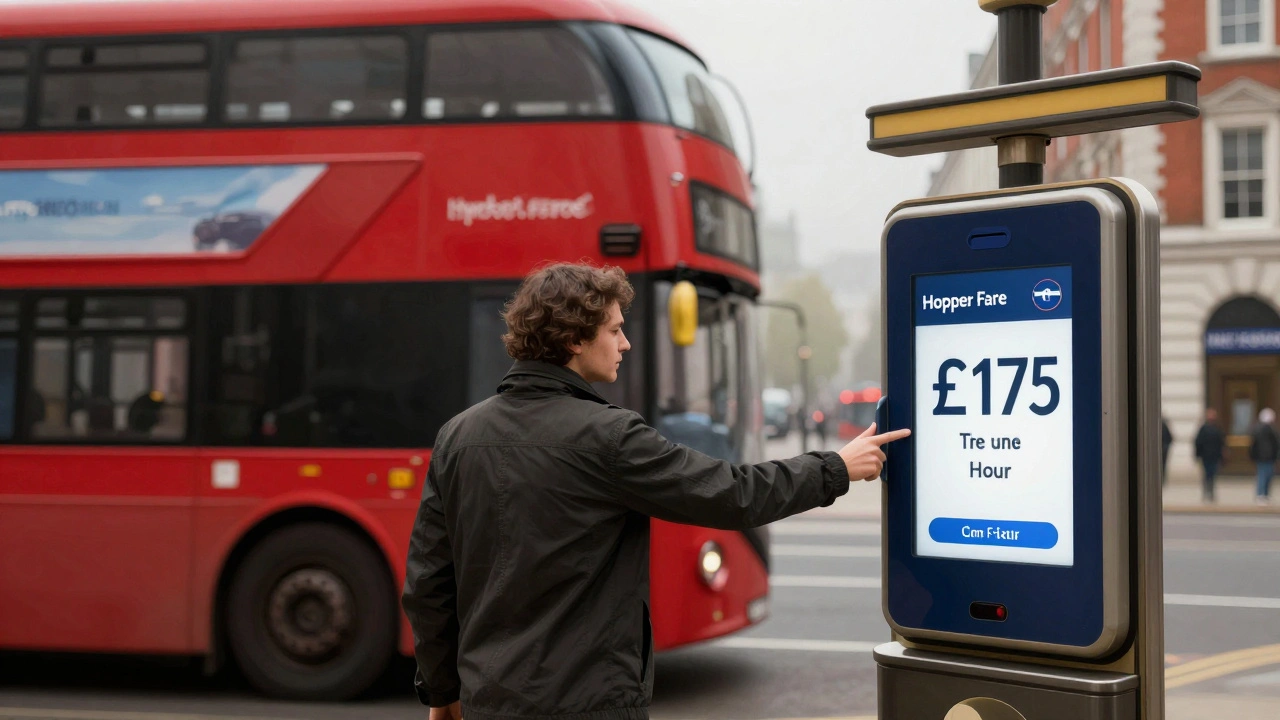
London buses are a bargain. One ride costs £1.75, no matter how far you go. And here’s the trick: if you take a bus and then switch to the Tube within an hour, you only pay the bus fare once. That’s called a Hopper Fare. It’s built into contactless and Oyster cards.
But here’s the real math: if you take two buses a day, five days a week, that’s 10 rides. At £1.75 each, that’s £17.50 weekly. With the weekly cap, you’ll pay £17.50 even if you take 15 buses in a week. So monthly, you’re looking at around £75.25 if you’re only using buses.
But most people don’t use buses alone. They use them to connect to the Tube. That’s where the Hopper Fare saves you. For example: bus to the station, Tube to work, bus home. That’s three fares-but you only pay two because of the one-hour window. That’s how people end up spending less than they expect.
River Services: Niche but Useful
London River Services (like Thames Clippers) aren’t just for tourists. They’re used by commuters who live along the Thames-places like Greenwich, Canary Wharf, Putney, and Richmond. A single ticket costs £12.50 one-way in 2026. But if you take it regularly, you can buy a monthly pass.
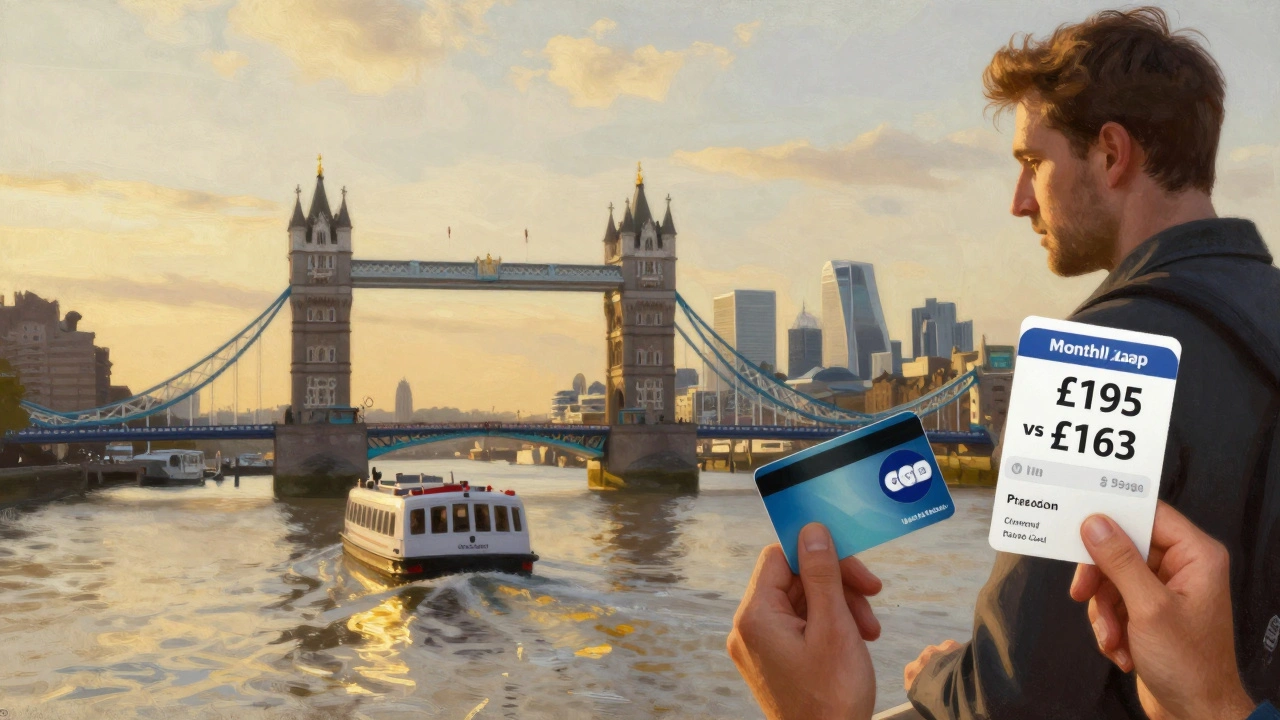
Thames Clippers offers a Monthly Travelcard for £195 for unlimited travel between Putney and Woolwich (the main commuter stretch). That’s expensive compared to the Tube. But here’s the catch: it’s often faster. A river commute from Canary Wharf to Westminster can be 20 minutes instead of 45 on the Tube during rush hour. And you get views. Some companies even reimburse part of the cost if you work in the City or Canary Wharf.
If you take the river service three times a week, you’re looking at £150-£180 a month. That’s not for everyone. But if you live near the river and work near it? It’s worth considering. You’ll skip the crush on the Jubilee Line.
Combining Transport: The Real Monthly Cost
Most people don’t use just one mode. They mix Tube, bus, and sometimes river. So here’s what real Londoners pay:
- Basic commuter (Zones 1-2, Tube + bus): £105-£120/month. You hit the Tube cap, use buses for short hops, and never pay more.
- Extended commuter (Zones 1-4): £160-£180/month. Higher Tube cap, maybe one or two bus trips daily.
- River user (3x/week): £180-£220/month. Adds £60-£100 on top of Tube costs.
- Weekend explorer (frequent travel): £140-£190/month. Hits caps on weekends too.
Many people assume they need a monthly Travelcard. They don’t. Contactless cards auto-cap. You can’t overpay. That’s why nearly 90% of daily commuters use contactless. Only 8% buy monthly passes-and most of them are tourists who don’t understand how capping works.
How to Save on Transport in London
You can’t avoid paying for transport. But you can avoid paying too much. Here’s how:
- Use contactless, not Oyster. Contactless has the same caps but also applies to rail and river services. Oyster doesn’t always sync with river fares.
- Don’t buy monthly passes. Unless you’re traveling outside the capping zones (like to Heathrow or Reading), you’re wasting money.
- Use the Hopper Fare. One bus ride, then a Tube within an hour? Only pay once. That’s £1.75 saved per trip.
- Travel off-peak. If you can leave after 9:30 a.m., you get cheaper fares on some rail lines. Not on Tube or bus, but on Overground and Elizabeth Line.
- Check if your employer offers a Cycle to Work scheme. Many Londoners bike to the station, then take the Tube. Bikes are allowed on Tube trains outside peak hours.
There’s no magic discount code. No secret app. Just smart use of the system. The system is designed to be fair-you pay based on how much you use, not how long you live here.
What Happens If You Forget to Tap Out?
This is the #1 mistake. If you forget to tap out on the Tube or bus, you get charged the maximum fare for that zone. That’s £9.40 for a Zone 1-2 journey. If you do it twice a week, you’re paying an extra £37.60 a month. That’s more than your bus fare.
London Underground has an auto-refund system. If you forget to tap out, you’ll get a refund within 48 hours-if you use the same card. But you have to check your online account. Most people don’t. They just assume they were overcharged and keep paying.
Set a reminder on your phone: “Tap out.” It’s that simple.
Is There a Cheaper Alternative?
Yes-walking. But only if you live within 2 miles of work. London’s walkability is better than most cities. In areas like Camden, Shoreditch, or Southwark, many people walk to the Tube station. That cuts their daily cost to zero.
Another option: cycling. A decent e-bike costs £1,200 upfront. But if you ride 4 days a week, you’ll save £120/month. Payback time? Under 11 months. And you’ll get fitter.
Some neighborhoods have free community shuttles. Hackney, Lewisham, and Tower Hamlets run local buses that connect to main stations. They’re free or £1. You can use them to avoid the Tube entirely.
Final Estimate: What You’ll Really Pay
Let’s make it simple. Here’s what most people pay in 2026:
- Central London resident (Zones 1-2): £105-£120/month
- Outer London resident (Zones 1-4): £160-£180/month
- River commuter (3x/week): £180-£220/month
- Student or part-timer (3 days/week): £50-£70/month
That’s it. No surprises. No hidden fees. Just the numbers. The system works if you understand it. And now you do.
Do I need an Oyster card or can I use contactless?
Use contactless. It’s easier, automatically applies daily and weekly caps, and works on buses, Tube, Overground, Elizabeth Line, and river services. Oyster cards still work, but they don’t sync as well with river fares, and you can’t use them for bike rentals or some newer services.
Is a monthly Travelcard ever worth it?
Only if you’re traveling outside the capping zones-like to Heathrow, Watford, or beyond Zone 6. For most people inside Zones 1-4, contactless is cheaper. Monthly passes are designed for tourists who don’t understand capping.
Can I use my contactless card on the river bus?
Yes, if it’s a Thames Clippers route that accepts contactless (most do). You’ll be charged per trip, but it counts toward your weekly cap if you also use Tube or bus. No separate monthly pass needed unless you ride daily.
What’s the cheapest way to get from Zone 4 to Zone 1?
Take the Tube. But if you’re near the river, check Thames Clippers-it might be faster and cost the same. For example, from Richmond to Westminster: Tube takes 40 minutes, river takes 25. Both cost £3.20 with contactless. The river wins on time and comfort.
Do students get discounts on London transport?
Yes, if you have a valid 18+ Student Oyster card. You get 30% off weekly and monthly caps. You must apply online through TfL and upload proof of enrollment. It’s not automatic. If you’re under 18, you get free travel on buses and Tube.
Next Steps: What to Do Today
Don’t guess your transport costs. Know them.
- Check your last 30 days of contactless spending on the TfL website.
- If you’re spending over £130/month in Zones 1-2, you’re either over-traveling or forgetting to tap out.
- Download the TfL Go app-it shows real-time caps and alerts you if you’ve been overcharged.
- If you live near the river, try one trip. You might save time and stress.
- Set a phone reminder: “Tap out.” Seriously. Do it.
Transport in London isn’t expensive if you know how to use it. It’s expensive if you don’t. You’ve got the info. Now use it.