
Quick Wins for Budget Travelers
- Travel after 10:00 AM: This is the golden rule for off-peak savings.
- Pack your own food: Station sandwiches are a rip-off; use a local supermarket instead.
- Use Railcards: If you're 16-30 or traveling as a pair, these pay for themselves in one trip.
- Walk the last mile: Avoid expensive local buses or taxis once you hit the destination.
Mastering the Art of the Off-Peak Fare
The biggest expense on any trip is usually the journey. In the UK, National Rail is the network of passenger railway services across Great Britain , and their pricing is notoriously complex. To save money, you need to understand the difference between Peak and Off-Peak. Peak times are generally during the morning rush (before 10:00 AM) and evening rush (4:00 PM to 7:00 PM). If you travel during the "off-peak" window, you can often save 40% to 60% on the ticket price.
For those who travel frequently, a Railcard is a discount card that reduces the cost of most rail fares by one-third . For example, the 26-30 Railcard is a lifesaver for young professionals. If you're traveling with a partner, a "Two Together Railcard" makes a huge dent in the cost of a return trip to somewhere like Brighton or Oxford . Just remember to book via an app like Trainline or the official operator's site to avoid station queues and occasionally find "Advance" tickets, which are even cheaper than standard off-peak fares.
| Ticket Type | Best For... | Saving Potential | Flexibility |
|---|---|---|---|
| Advance Single | Fixed plans booked weeks early | Highest (up to 70%) | Low (Specific train only) |
| Off-Peak Return | Flexible day trips after 10 AM | Medium | High (Any train in window) |
| Anytime Return | Business or rushed travel | None | Highest |
Destination 1: The Coastly Vibe of Brighton
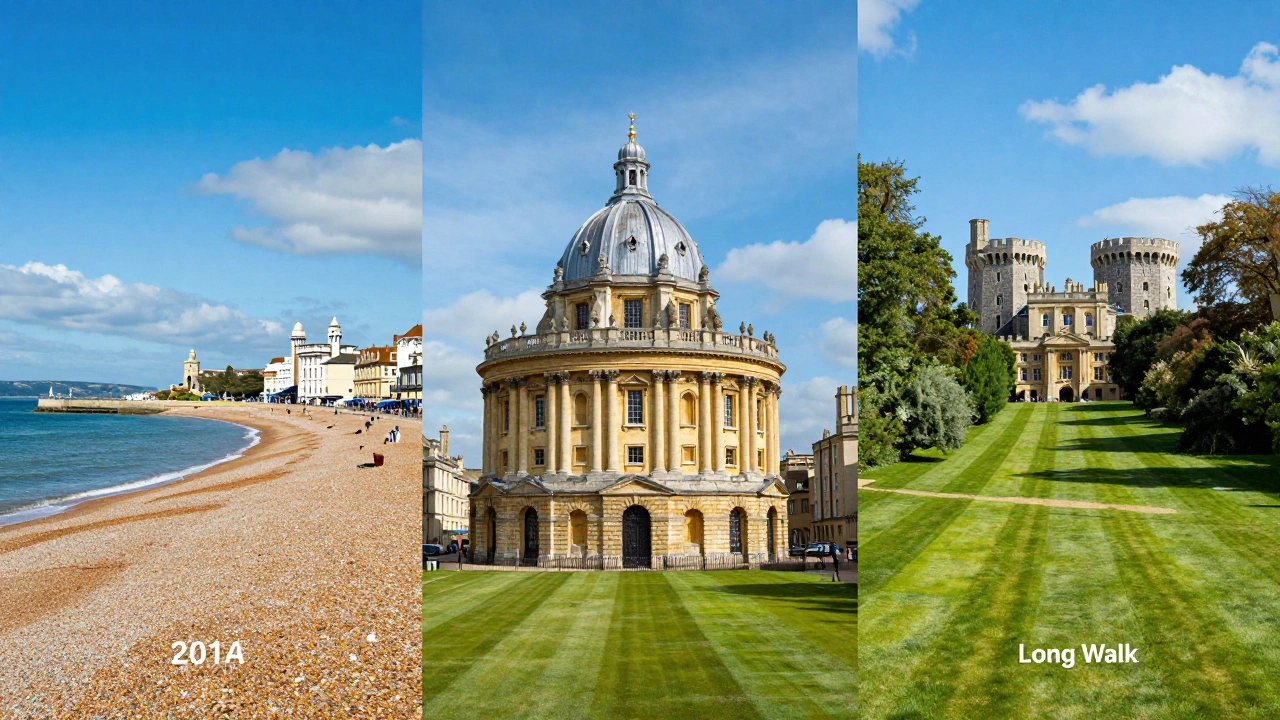
Brighton is the classic London escape. It's a short hop from London Victoria or London Bridge. While the Brighton Palace Pier is a historic pleasure pier featuring rides, games, and dining is great for people-watching, you don't need to spend money there to enjoy the atmosphere. Walking along the pebble beach is free, and the seafront is always buzzing.
For a free cultural hit, head to The Lanes . This is a maze of narrow alleyways filled with independent shops and antiques. It's a living museum of the city's quirky side. Instead of a pricey seaside restaurant, grab some fish and chips from a local shop and eat them on the promenade. It's a local tradition and costs a fraction of a sit-down meal.
Destination 2: Academic Elegance in Oxford
Oxford is practically a second city for Londoners. The architecture is stunning, and the best part is that much of the beauty is external. You can walk past the dreaming spires of the University of Oxford for free. While the colleges themselves charge entry fees, the general atmosphere of the city and the riverside paths are free to explore.
A great budget move here is visiting the Ashmolean Museum . It's one of the oldest museums in the world and, crucially, it offers free admission to its permanent collections. You can see world-class art and archaeology without spending a penny. To keep costs down, avoid the tourist-heavy cafes in the center. Instead, head to the meadows for a picnic. The greenery is a perfect contrast to the stone walls of the city.
Destination 3: Windsor and the Great Outdoors
If you want a mix of royal history and nature, Windsor is the spot. Yes, Windsor Castle is expensive, but you don't actually have to go inside to enjoy the town. Walking the "Long Walk" is a completely free experience that gives you a magnificent view of the castle and the surrounding forest. It's one of the most photographed spots in England for a reason.
Windsor is also a great place to practice the "supermarket picnic" strategy. There are plenty of green spaces along the river Thames where you can set up camp. If you're feeling adventurous, walk further into the Windsor Great Park . It's a massive area of woodland and grassland that feels miles away from the London smog. Just remember that parking in Windsor is a nightmare and pricey, so sticking to the train and walking is the smartest financial move.

The Picnic Strategy: Eating on a Budget
Food is where budget day trips usually fall apart. Once you arrive in a tourist town, you're tempted by the "Artisan Sandwich" shops that charge £12 for a wrap. To keep your budget day trips from London truly affordable, you need to build a picnic kit. Start at a supermarket like Tesco or Sainsbury's before you leave. Focus on high-energy, low-cost items: hummus, crusty baguettes, apples, and a big bottle of water.
Not only does this save you 80% on lunch, but it also gives you the freedom to eat wherever the view is best. Whether it's the cliffs of the coast or a bench in a university quad, a picnic is objectively better than a cramped cafe. Pro tip: bring a reusable water bottle. The UK has plenty of free refill stations, and buying plastic bottles at train stations is a waste of money.
Avoiding the Common Budget Pitfalls
It's easy to accidentally overspend. One of the biggest mistakes is relying on the "on-the-day" ticket machine at the station. These are almost always the most expensive options. Always use an app or website to check for Split Ticketing . This is a technique where you buy two or more tickets for different parts of the same journey, which can sometimes be significantly cheaper than a single through-ticket, even if you stay on the same train.
Another trap is the "hidden" cost of local transport. In places like Oxford or Brighton, the city center is very walkable. Don't jump in a cab for a 15-minute trip. Download a map offline on Google Maps so you don't waste data or get lost. If you do need to travel further, check if the destination has a "Day Visitor" bus pass, which is usually cheaper than paying for individual trips.
What is the best time to travel for off-peak fares?
Generally, off-peak fares apply after 09:30 or 10:00 AM on weekdays and all day on weekends. Always check the specific operator's website, as some "Super Off-Peak" tickets only apply during very specific low-demand windows, such as mid-afternoon on Tuesdays.
How do I get a Railcard if I'm a tourist?
Railcards are primarily for UK residents, but some types are available to visitors depending on their age and visa status. If you're traveling as a pair, the Two Together Railcard is often the most accessible for visitors. You can apply online and get a digital version on your phone instantly.
Are there any other free things to do in Oxford and Brighton?
In Oxford, the Botanic Garden sometimes has free entry days, and walking the Christ Church Meadow is a lovely free activity. In Brighton, visiting the Royal Pavilion from the outside is beautiful, and browsing the North Laine area for street art and unique shop windows costs nothing.
Is split ticketing legal?
Yes, split ticketing is completely legal. It simply involves buying tickets for separate legs of a journey. There are apps and websites specifically designed to find these gaps in pricing to help you save money on the same route.
What's the cheapest way to get to Windsor?
The cheapest way is typically taking the train from London Waterloo to Windsor & Eton Central. Use an off-peak return ticket and avoid the taxis from the station to the castle; it's a short, pleasant walk that saves you about £10-£15.
Next Steps for Your Adventure
If you're a first-timer, start with a "low-stakes" trip. Try Brighton first because the trains are frequent and the town is easy to navigate. Once you're comfortable with the off-peak timing and the picnic strategy, try venturing further afield to places like the Cotswolds or the Lake District (though those usually require an overnight stay to be worth the cost).
For those who find they're traveling every weekend, consider a monthly travel pass or a more permanent Railcard. Also, keep an eye on "Rail Excursions"-occasionally, travel companies offer bundled day-trip packages that include the train and a guided tour, which can be cheaper than booking everything separately if you're not confident in planning your own itinerary.