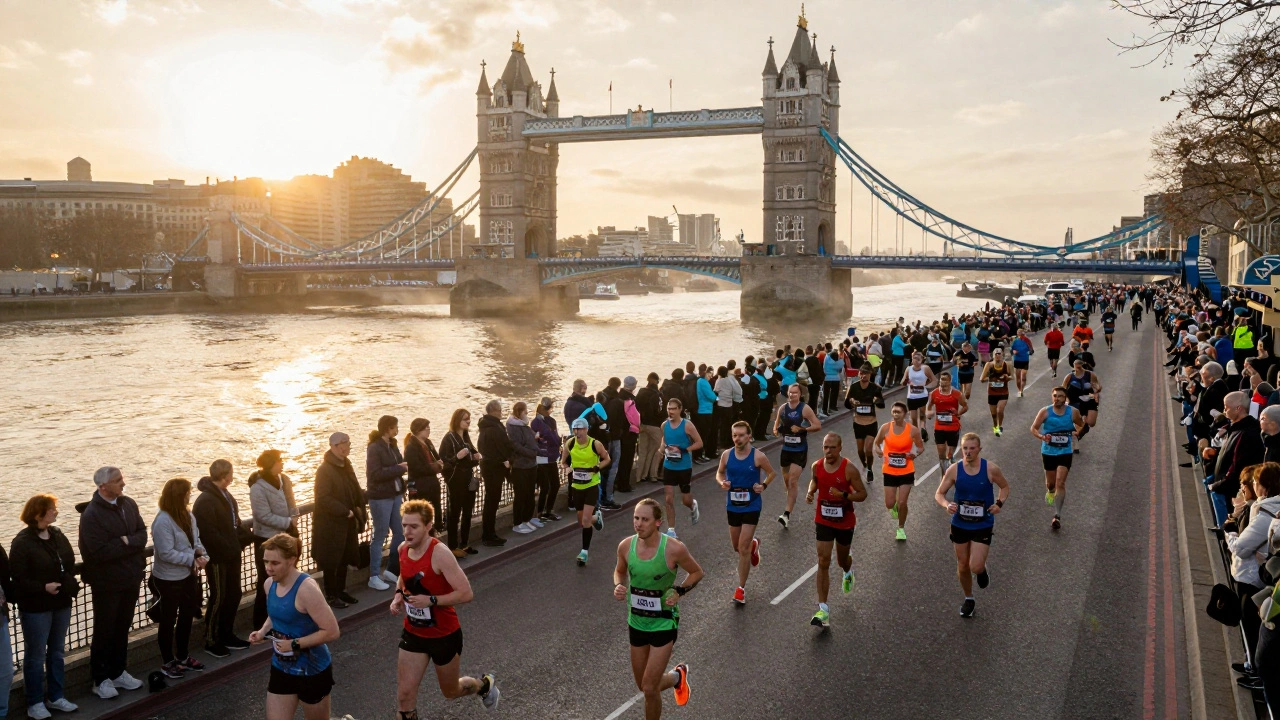
London doesn’t just have parks and gyms-it has a pulse. Every month, thousands of people lace up their shoes, strap on their watches, and hit the streets for something bigger than a workout. Whether it’s pounding the pavement through Tower Bridge at dawn or climbing 1,000 stairs in a single day, London’s fitness events turn exercise into an experience. And if you’re looking to get moving, feel part of a crowd, or just check off a personal goal, there’s something here for you-no matter your level.
What’s Actually Happening in London Right Now?
As of December 2025, the calendar is packed. The London Marathon is still the big one-held every April, it draws over 40,000 runners and raises more than £70 million for charity each year. But it’s not the only game in town. The Great London Run in October covers 10K through the heart of the city, with families, elite athletes, and first-timers all sharing the same route. Then there’s the London 10K in June, which cuts through St. James’s Park and past Buckingham Palace. If you’re not into long distances, try the London 5K in September-short, fast, and perfect for beginners.
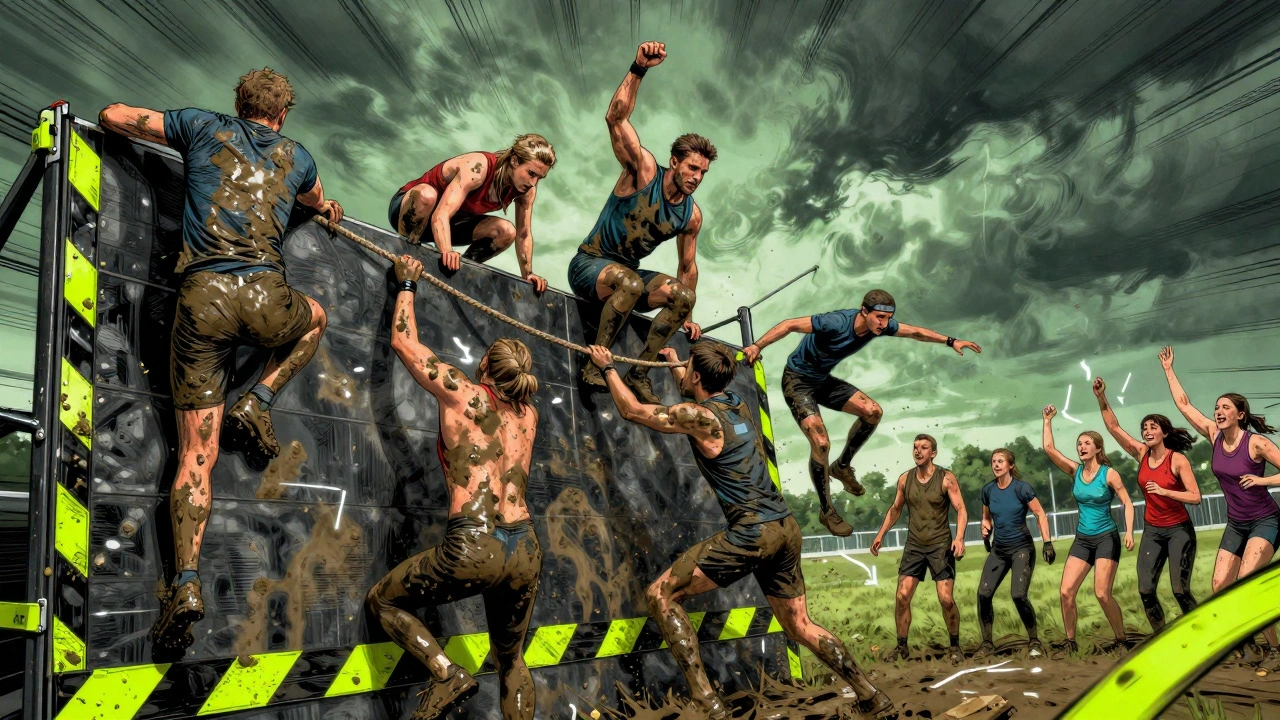
For those who want to go beyond running, the London Triathlon in July combines swimming in the Serpentine, cycling through Hyde Park, and running past the Albert Memorial. Over 10,000 people take part each year. And if you’re looking for something completely different, the London Obstacle Race in May pits you against mud, walls, ropes, and electric shocks over a 10K course. It’s not about speed-it’s about finishing.
Why Do People Keep Coming Back?
It’s not just about fitness. It’s about belonging. When you run the London Marathon, you’re not just running for yourself. You’re running for someone you lost, for a cause you believe in, or because you promised yourself you’d do it after a tough year. One participant in 2024 told me she trained for 18 months after her cancer treatment ended. She crossed the finish line with her daughter holding her hand. That’s the kind of energy you don’t find in a gym.
Organizers know this. That’s why most events offer free training plans, group meetups, and volunteer opportunities. The Run for Heroes initiative, launched during the pandemic, still runs weekly 5Ks across boroughs like Hackney and Croydon. You don’t need to be fast. You just need to show up.
What Events Are Best for Beginners?
If you’ve never done a race before, start small. The London 5K in September is the most beginner-friendly. It’s flat, well-marked, and has water stations every kilometer. You can walk part of it. You can jog. You can even bring your dog-some events allow pets on leashes.
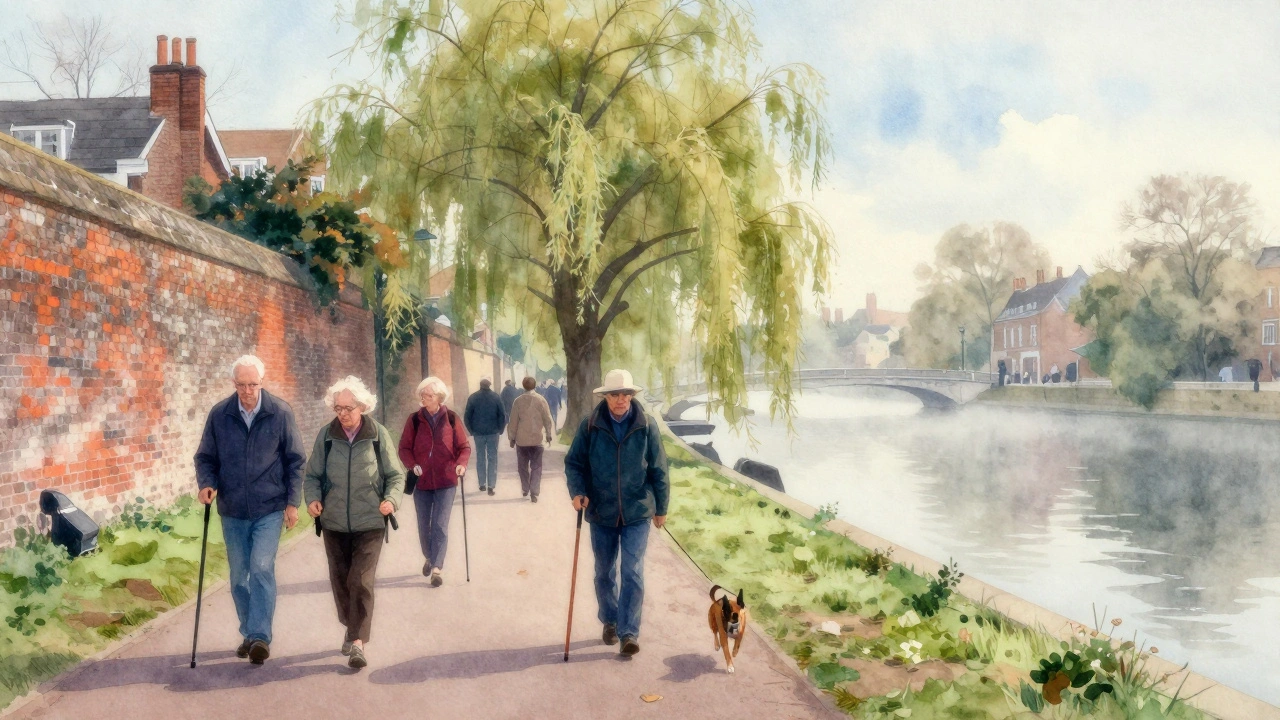
The Big London Walk in June is another great option. It’s a 10-mile guided walk through the Thames Path. No timers. No pressure. Just a group of people moving together. It’s perfect if running feels intimidating. Many participants are over 50, and some use walking sticks. The vibe? Supportive, quiet, and real.
Don’t underestimate the power of charity events. The Comic Relief Run in March is fun, loud, and full of costumes. You’ll see people dressed as bananas, superheroes, or even giant tea pots. It’s not a competition-it’s a party with purpose. And the registration fee? Often includes a free T-shirt, a medal, and a post-race snack. That’s not just motivation-it’s a reward.
How to Sign Up Without Getting Scammed
Not every event is legit. Some companies create fake races with no route, no water, and no finish line. Here’s how to avoid them:
- Check if the event is listed on Run Britain or London Marathon Events-these are the official platforms.
- Look for a clear website with contact info, past results, and photos from previous years.
- Read reviews on Trustpilot or Facebook groups like "London Runners Unite." Real participants will warn you if something’s off.
- Avoid events that ask for full payment upfront without a refund policy.
- Legit events partner with NHS charities, local councils, or known organizations like the British Heart Foundation.
Most events cost between £25 and £75. The London Marathon is £48 for the general entry, but charity places can cost more-sometimes £500 or more-because you’re fundraising. That’s fine if you’re passionate about the cause. Just know what you’re signing up for.
What Gear Do You Actually Need?
You don’t need expensive gear. But you do need the right basics:
- Shoes: Get fitted at a specialty running store like Run Repeat in Camden or Running Warehouse in West London. They’ll analyze your gait. Don’t buy shoes based on looks.
- Moisture-wicking clothes: Cotton gets heavy and chafes. Look for brands like Nike Dri-FIT, Under Armour, or even Decathlon’s Kalenji line.
- Hydration: For anything over 5K, carry a handheld bottle or wear a waist belt. Some events give out water, but lines get long.
- Timing chip: Most races provide this. Just make sure your bib is pinned to your shirt, not your hoodie.
- Weather gear: London rains. Always pack a lightweight rain jacket. Even in summer, mornings are chilly.
Pro tip: Test your gear during training. Wear your race shoes on at least three long walks or jogs. Blisters on race day? That’s a nightmare you can avoid.
Training Plans That Actually Work
You don’t need a coach. But you do need a plan. Here’s a simple one for a 10K:
- Weeks 1-2: Walk 30 minutes, 3 times a week. Add 5 minutes of jogging each session.
- Weeks 3-4: Jog 10 minutes, walk 2 minutes. Repeat 3 times. Do this 3x/week.
- Weeks 5-6: Jog 20 minutes straight. Walk 5 minutes. Repeat twice. Add one longer jog on weekends.
- Weeks 7-8: Jog 30 minutes straight. Do this 3x/week. One weekend, do a 6-mile jog.
- Week 9: Taper. Reduce mileage by 50%. Rest 2 days before race day.
That’s it. No apps needed. No expensive subscriptions. Just consistency. Most people who finish their first race didn’t train harder-they trained longer.
What Happens After the Race?
Post-race recovery matters. Don’t just collapse on the curb. Walk for 10 minutes. Stretch your quads, calves, and hamstrings. Drink water. Eat something with protein and carbs-like a banana with peanut butter or a sandwich. Avoid alcohol for 24 hours. It slows healing.
And give yourself time. Your muscles will be sore for 2-3 days. That’s normal. If you feel sharp pain, swelling, or numbness, see a physio. Don’t ignore it.
Many people feel empty after finishing. That’s okay. You’ve just done something hard. Take a day off. Then, think about your next goal. Maybe it’s a 10K. Maybe it’s a triathlon. Maybe it’s just walking to work twice a week. Keep moving.
What’s Next? Events Coming in 2026
Here’s what’s already locked in for next year:
- London Marathon - April 27, 2026
- Great London Run - October 12, 2026
- London 10K - June 14, 2026
- London Triathlon - July 19, 2026
- London Obstacle Race - May 17, 2026
- Big London Walk - June 21, 2026
- Comic Relief Run - March 15, 2026
Registration for most events opens in January. Set a reminder. Spots fill fast-especially for charity entries. If you’re serious, sign up early.
Frequently Asked Questions
Do I need to be fast to join a London fitness event?
No. Most events welcome walkers, joggers, and first-timers. The London Marathon has a 6-hour cutoff. The Great London Run lets you finish at your own pace. You’re not racing against others-you’re racing against your last attempt.
Can I bring my kids to these events?
Yes. Many events have family-friendly zones or kids’ races. The Great London Run has a 1K fun run for under-12s. The Comic Relief Run lets kids wear costumes. Always check the event website for age rules.
Are there free fitness events in London?
Yes. Parks like Richmond and Hampstead Heath host free weekly 5K runs organized by local groups. Search "free running London" on Meetup.com. The NHS also runs free walking groups in most boroughs. No registration needed-just show up.
What if I get injured during the event?
All major events have medical teams on standby. Look for volunteers in bright vests-they’ll help. Minor injuries like cramps or blisters are common. Serious injuries are rare, but if you feel something wrong, stop and ask for help. Don’t push through pain.
Can I volunteer instead of running?
Absolutely. Most events need volunteers for water stations, course marshals, or finish line support. You don’t need to run. Just show up in a volunteer shirt. It’s a great way to be part of the energy without training for months.
Next Steps
Start by picking one event that excites you. Not the biggest one. Not the most famous. The one that makes you say, "I could do that." Then, sign up. Set a training schedule. Tell a friend. Show up on the day. You don’t need to be an athlete. You just need to begin.
London’s streets are full of people who once felt the same way you do now. They didn’t wait for perfect weather. They didn’t wait until they were "ready." They just showed up. And now, they’re part of the story.