George Bernard Shaw didn’t just write plays-he shaped the way London thought about class, politics, and human nature. Walk the same streets he walked, stand where he first dreamed up Pygmalion and Man and Superman, and you’ll feel his voice still echoing in the city’s theatres. Shaw wasn’t just a writer; he was a public figure, a critic, and a stubborn idealist who made London’s cultural scene impossible to ignore. Today, his presence isn’t locked away in books-it’s in the bricks, the plaques, and the performances still happening on stages he helped define.
Where Shaw Was Born: The House That Made a Critic
Shaw was born on July 26, 1856, at 3 Upper Synge Street in Dublin. But his family moved to London in 1873, when he was 17, and that’s where his real life as a writer began. He didn’t have money, but he had ideas. He spent years in a cramped flat at 29 Haymarket, near Piccadilly Circus, where he wrote his early essays and plays. That building is gone now, replaced by a modern office block. But if you stand on the corner of Haymarket and Pall Mall, you can imagine a young Shaw rushing out to catch a play at the Lyceum, then coming home to scribble angry notes in his journal about how bad the acting was.
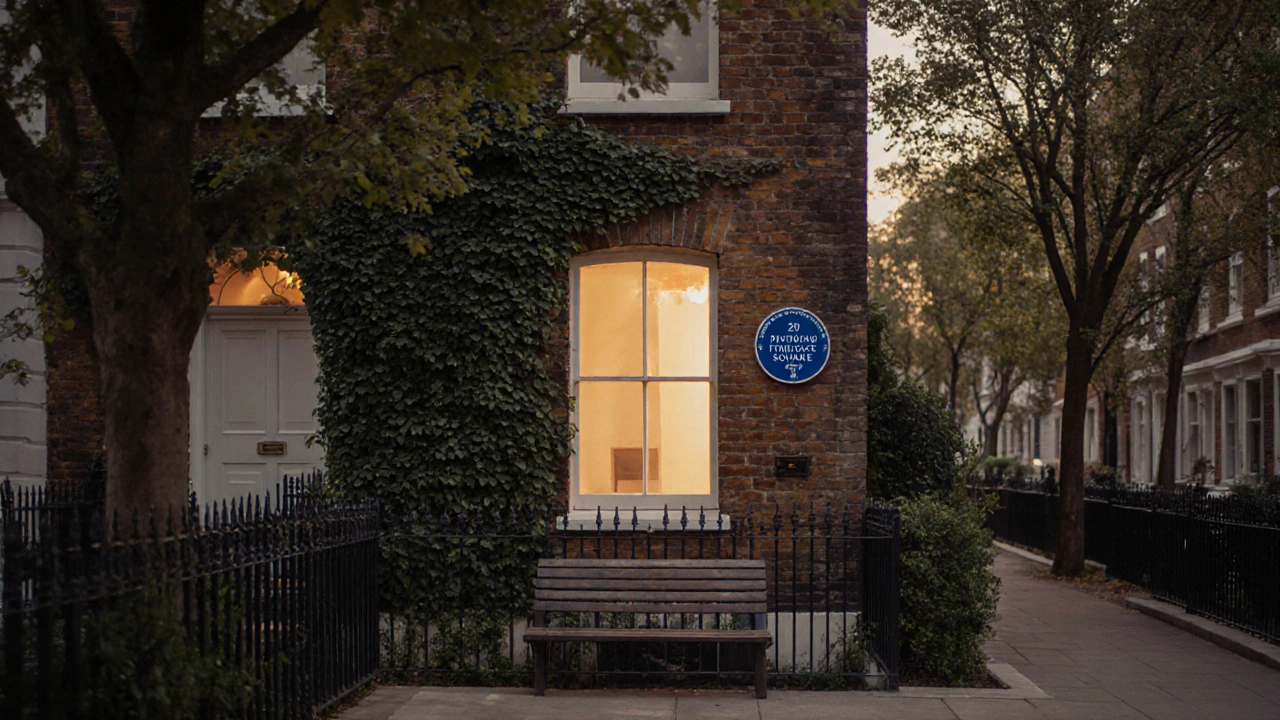
His most important London home was at 29 Fitzroy Square in Bloomsbury. He lived there from 1896 to 1905. It was here he wrote Major Barbara and Man and Superman. The house still stands, and it’s marked with a blue plaque from English Heritage. You won’t find crowds here-most tourists head straight to the Globe or Shakespeare’s House. But this quiet square, with its Georgian townhouses and tree-lined garden, is where Shaw turned his fury into art. The flat he rented was small, poorly heated, and full of books. He once wrote that he could hear the neighbors arguing through the walls. He didn’t mind. He was used to noise.
The Playhouses That Made Him Famous
Shaw didn’t write for the elite. He wrote for the people who sat in the back rows and didn’t know the difference between iambic pentameter and a bad pint of ale. His plays premiered in places that weren’t fancy but were alive with energy. The Royal Court Theatre in Sloane Square was where Man and Superman first opened in 1905. The audience was shocked. Some walked out. Others stayed and argued with each other after the show. That’s exactly what Shaw wanted.
At the Imperial Theatre on the Strand, he saw Pygmalion debut in 1914. The lead actress, Mrs. Patrick Campbell, played Eliza Doolittle with such fire that the audience forgot they were watching a play about language and class-they were watching a revolution. The theatre is gone now, replaced by a department store. But if you stand outside the current building at 101-105 Strand, you can still feel the ghost of that opening night. Shaw was in the audience. He didn’t clap. He just nodded. He knew he’d changed something.
His play Saint Joan opened at the New Theatre (now the Noël Coward Theatre) in 1924. It was his last major success. By then, he was 68, famous, and still arguing with critics. He once told a reporter, “I don’t write plays to please. I write them to make people think.” That’s why his plays are still staged today-not because they’re old, but because they’re still sharp.
Shaw’s London: The Places He Loved and Hated
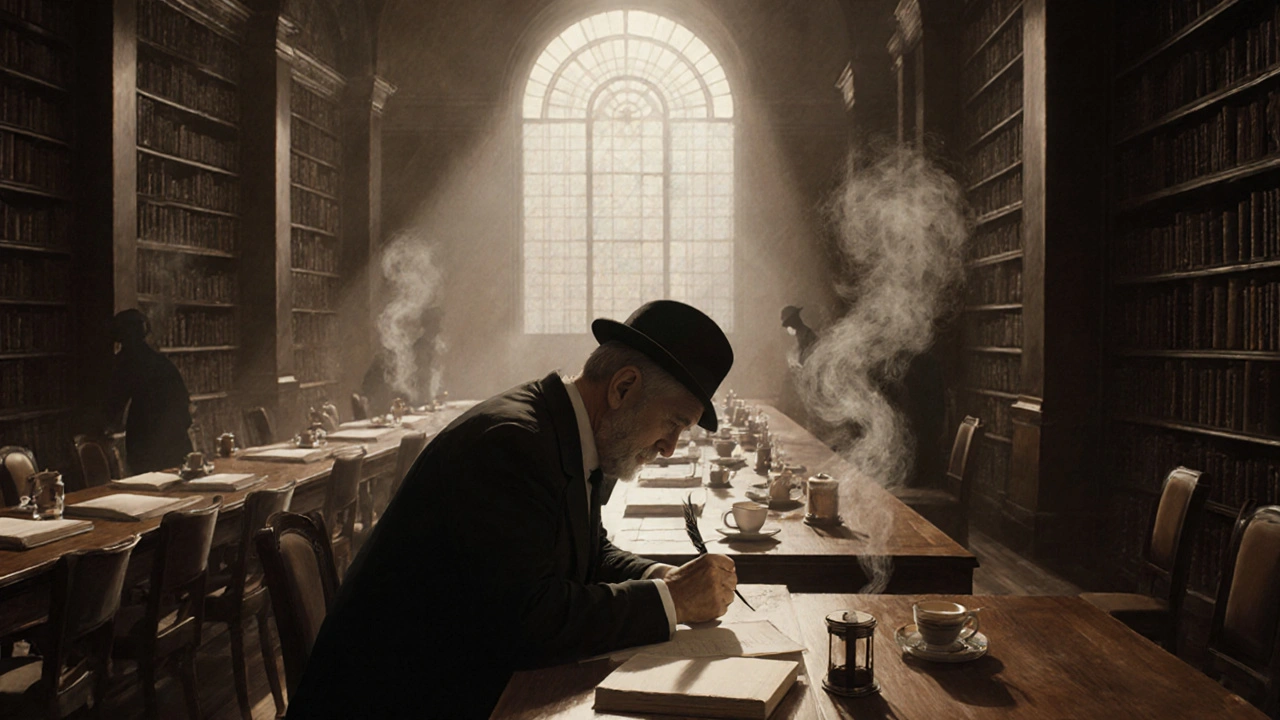
Shaw didn’t care for the West End’s glitter. He preferred the pubs of Camden, the bookshops of Soho, and the lectures at the London School of Economics. He was a regular at the British Museum Reading Room, where he spent hours researching for his plays. He didn’t need fancy libraries-he just needed silence and paper. You can still sit in the same reading room today, though it’s now part of the British Library in St. Pancras. The wooden tables, the high ceilings, the smell of old paper-it’s all still there. He would have recognized it.
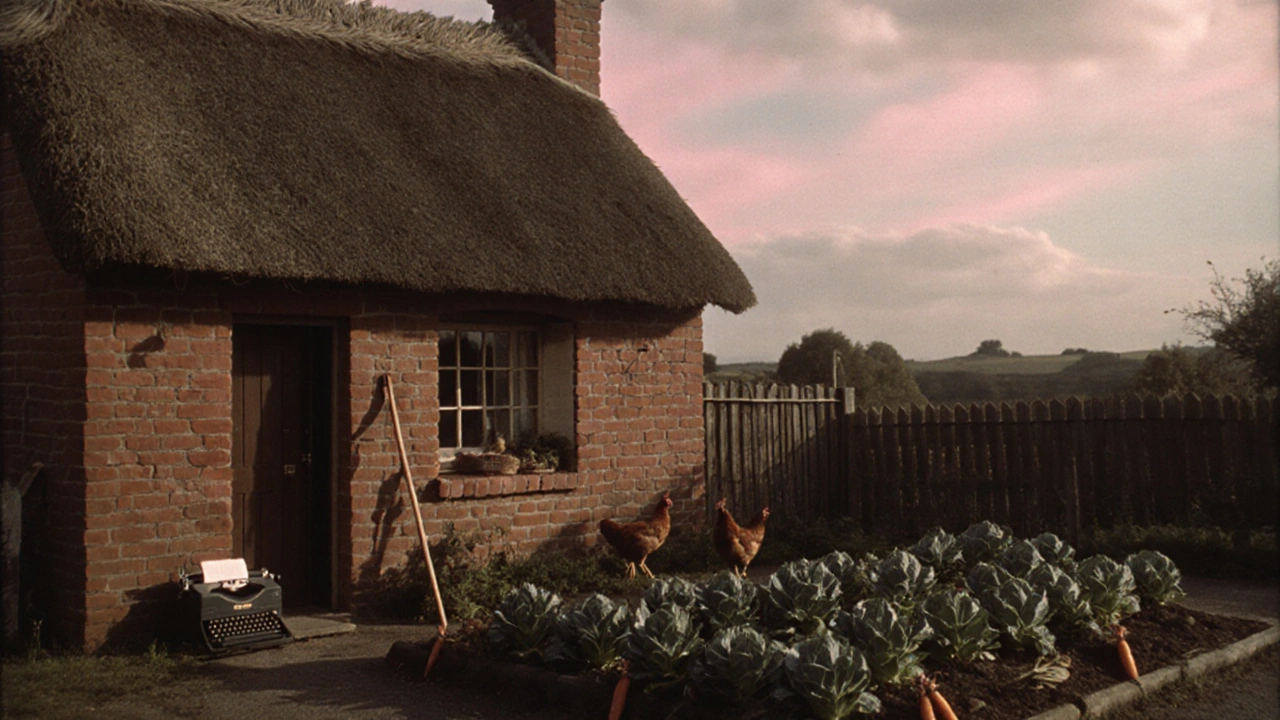
He also loved the streets of Hampstead. He moved there in 1906 and lived in a house called Shaw’s Corner for the rest of his life. It’s now a museum run by the National Trust. The house is small, with a garden he tended himself. He planted vegetables. He kept chickens. He refused to hire a gardener because he believed in hard work. Inside, his typewriter sits on the desk where he wrote Back to Methuselah. His books are still on the shelves. His walking stick leans by the door. It’s not a grand estate-it’s the home of a man who believed art should be simple, honest, and rooted in real life.
His Legacy: Why His Plays Still Matter
Shaw won the Nobel Prize in Literature in 1925. He refused the money. He gave it to the Swedish translator of his works. He once said, “I don’t write for prizes. I write because I can’t help it.” That’s the key to his legacy. He didn’t write to be admired. He wrote to be heard.
His plays are still performed across London. The Royal Court, the National Theatre, and even small fringe venues stage his work every year. In 2023, a new production of Pygmalion at the Donmar Warehouse sold out in minutes. Critics called it “as relevant today as it was in 1914.” Why? Because it’s not about a flower girl learning to speak properly. It’s about who gets to speak, who gets listened to, and who decides what’s “correct.” Those questions haven’t gone away. They’ve just changed clothes.
Shaw’s influence runs deeper than the stage. He helped create the BBC. He pushed for public funding for the arts. He was one of the founders of the London School of Economics. He wrote over 60 plays and 250,000 letters. He argued with Churchill, debated Lenin, and inspired Orwell. He didn’t just write plays-he built institutions that still carry his ideas.
What to See Today: A Walking Guide
If you want to walk in Shaw’s footsteps, here’s a simple route that takes you through the real places he lived and worked:
- Start at 29 Fitzroy Square (Bloomsbury) - Look for the blue plaque. Peek into the garden. Imagine him writing late into the night.
- Walk to the British Library (St. Pancras) - Sit in the reading room. Think about how he used books to change the world.
- Head to the Shaw’s Corner museum in Ayot St. Lawrence (a 40-minute train ride from London) - Tour his house, his garden, his typewriter. It’s quiet. It’s real.
- End at the Lyceum Theatre (West End) - Even though he never premiered a play here, it’s where he saw his first London productions. Catch a show. If it’s a Shaw play, you’re doing it right.
You won’t find a statue of Shaw in Trafalgar Square. You won’t see his face on a £50 note. But if you listen closely in a London theatre, you’ll hear him-sharp, stubborn, and still arguing.
Why Shaw Still Speaks to Modern Audiences
People think of Shaw as a Victorian relic. He’s not. He was a futurist. He predicted the rise of mass media, the collapse of rigid class structures, and the power of education to break cycles of poverty. His play Getting Married (1908) questioned marriage laws before women even had the vote. Widowers’ Houses (1892) exposed how wealth is built on exploitation-long before the 2008 financial crash.
Today, young playwrights in London still quote him. A student at RADA told me last year, “Shaw’s characters don’t lie to themselves. They say what’s wrong, even when it’s uncomfortable.” That’s why his work survives. It doesn’t comfort. It challenges.
Shaw’s legacy isn’t in museums. It’s in the questions he left behind. Who owns the truth? Who gets to speak? Who decides what’s valuable? He didn’t give answers. He just made sure everyone kept asking.
Where is George Bernard Shaw’s house in London?
Shaw lived in two key places in London: 29 Fitzroy Square in Bloomsbury (1896-1905), where he wrote major plays like Man and Superman, and Shaw’s Corner in Ayot St. Lawrence (1906-1950), which is now a National Trust museum. Fitzroy Square still has a blue plaque, but Shaw’s Corner is the only home preserved as it was when he lived there.
Can you visit the theatre where Pygmalion first premiered?
Yes, but not the original building. Pygmalion debuted at the Imperial Theatre on the Strand in 1914. That building was demolished in the 1930s. Today, the site is occupied by a modern office block at 101-105 Strand. You can stand outside and imagine the crowd that night. For a real Shaw experience, see a current production at the Royal Court or National Theatre.
Did George Bernard Shaw live in London his whole life?
No. He was born in Dublin in 1856 and moved to London in 1873 at age 17. He lived in London for over 50 years before moving to his country home, Shaw’s Corner, in Hertfordshire in 1906. He kept his London connections, attending plays and debates, but spent his final 44 years in the countryside.
Why did Shaw refuse the Nobel Prize money?
Shaw won the Nobel Prize in Literature in 1925 but refused the cash prize. He believed the money should go to the translator who made his work accessible to Swedish readers. He was consistent: he refused honors, knighthoods, and royalties when he felt they contradicted his principles. He lived modestly and gave away most of his income.
What’s the best way to experience Shaw’s legacy in London today?
See a live performance of one of his plays-preferably Pygmalion, Major Barbara, or Saint Joan. The Royal Court, National Theatre, and Donmar Warehouse regularly stage his work. Pair it with a visit to Fitzroy Square or the British Library. Reading his plays is powerful, but hearing them spoken aloud-especially by actors who understand his satire-is how his voice still lives.
Next Steps: Where to Go After You Visit
If you’ve walked through Fitzroy Square and sat in the British Library reading room, what’s next? Head to the London School of Economics and check out their Shaw archive. Or visit the Victoria and Albert Museum-they hold original manuscripts and letters from his collection. If you’re in London in the summer, look for outdoor performances of his plays in parks like Regent’s Park or Hampstead Heath. The National Theatre’s free summer screenings often include Shaw.
And if you want to go deeper? Read his letters. He wrote over 250,000 of them. He wrote to politicians, poets, and strangers who sent him fan mail. He answered every one. He didn’t just write plays-he wrote the world.