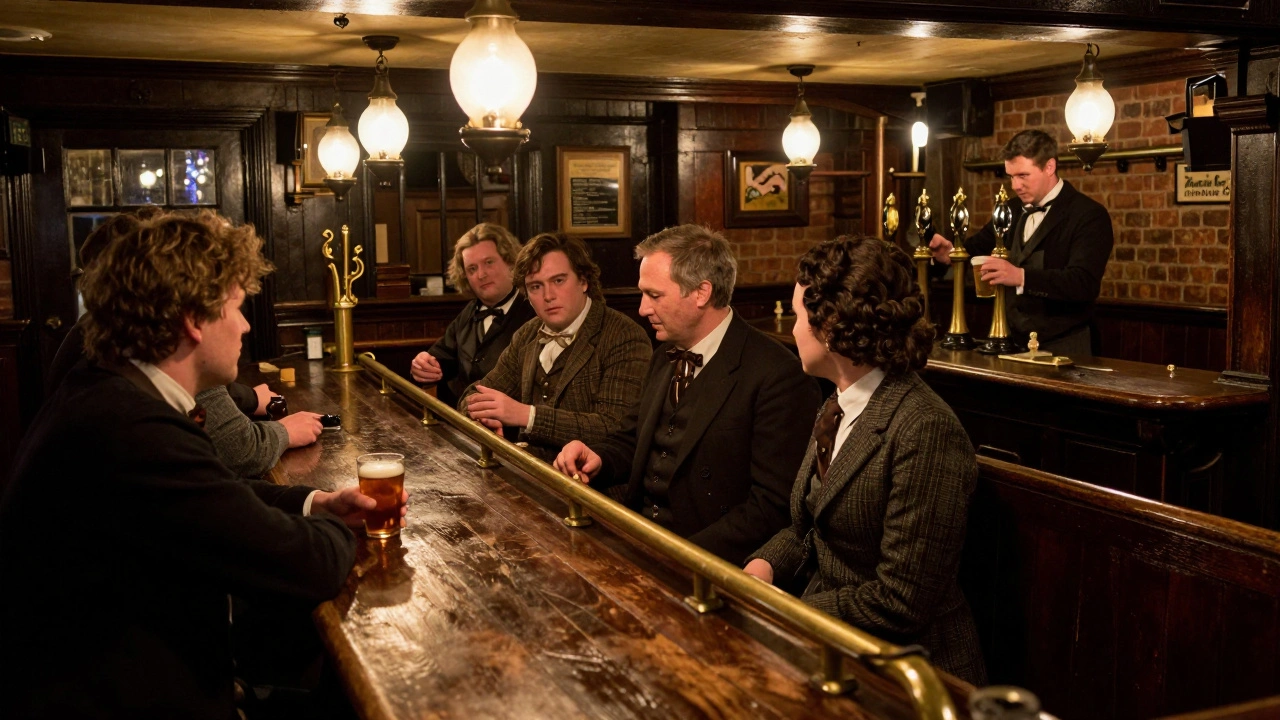
Walk down any cobbled alley in London and you’ll find a pub that’s been pouring ale longer than some of your ancestors were alive. These aren’t just places to grab a drink-they’re living museums, social hubs, and silent witnesses to centuries of British history. The historic pubs in London don’t just serve beer; they serve stories. And if you’ve ever wondered why the British are so attached to their local, you’ll find the answer in these walls.
What Makes a Pub "Historic"?
A historic pub isn’t just old. It’s got character carved into its beams, secrets in its cellar, and a name that’s been shouted across taverns since the 1600s. To qualify as historic, a pub usually has to meet a few real criteria: it must be at least 200 years old, retain original features like wooden counters, fireplaces, or stained glass, and have a documented link to London’s past-whether it hosted a famous poet, survived a plague, or was a meeting spot for revolutionaries.
Many of these pubs were built as coaching inns along old Roman roads. Travelers would stop here to rest, feed their horses, and swap news. That’s why you’ll still see horse hitching posts outside some, or wide doorways designed for carts. These weren’t just drinking spots-they were communication networks before the internet.
The Oldest Pubs Still Pouring Today
London has more than 30 pubs that claim to be over 400 years old. But only a handful have verifiable records. Here are three that actually made the cut:
- The Spaniard in Hampstead-opened in 1585. Its original oak beams still creak underfoot, and the barman still pours ales from hand-pulled pumps. Legend says Charles Dickens wrote parts of Great Expectations here after a few pints.
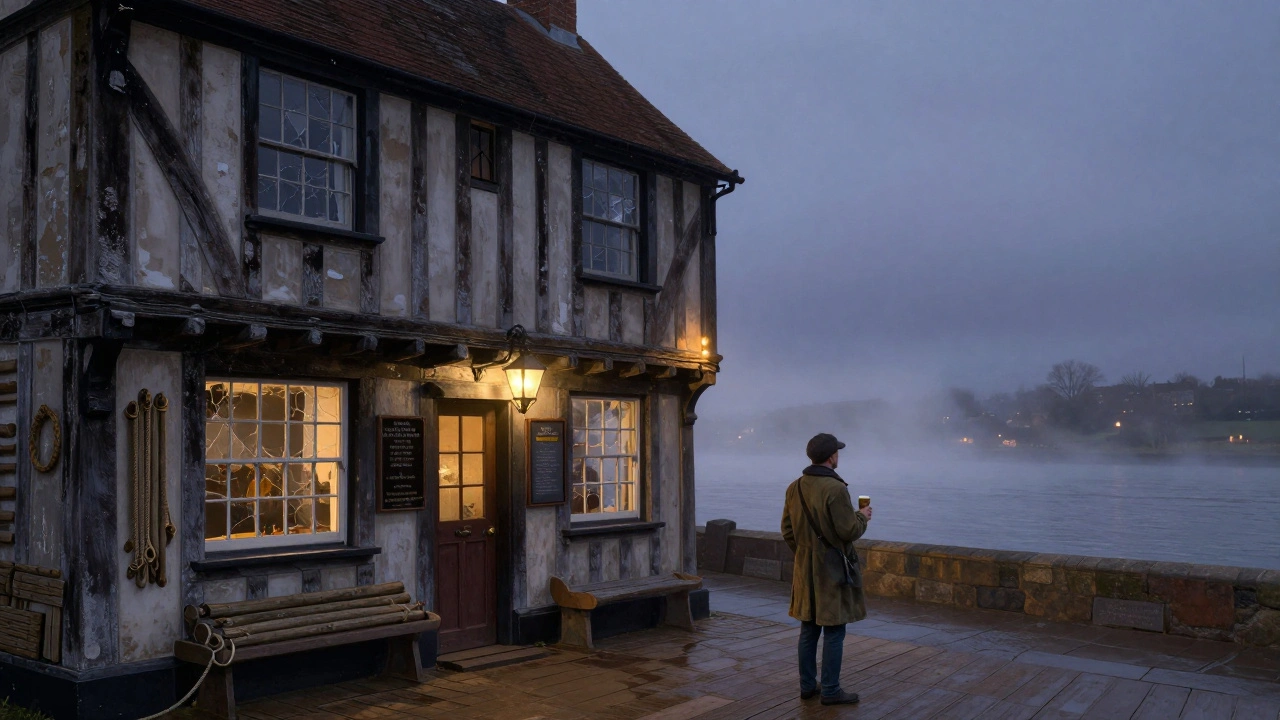
- The Prospect of Whitby in Wapping-dating back to 1520. It sits right on the Thames, and sailors used to come here before setting sail. The walls are covered in old ship logs and signed by crew members. You can still see the original 17th-century floorboards, worn down by boots from all over the world.
- The Ye Olde Cheshire Cheese in Fleet Street-rebuilt in 1667 after the Great Fire of London. It’s famously dark, cramped, and full of nooks. Mark Twain drank here. So did Sir Arthur Conan Doyle. It’s the kind of place where you sit on a bench meant for three… and end up sharing it with a stranger who turns out to be a historian.
These aren’t tourist traps. They’re still run by locals, still serve real ales (not lager from a keg), and still have the same pub quiz nights they’ve had since the 1980s. No fancy cocktails. No neon signs. Just beer, conversation, and the smell of old wood.
The Drinking Culture That Never Died
London’s pub culture wasn’t built on trends. It was built on routine. The ritual was simple: come in after work, order a pint, sit by the fire, talk to the same faces every night. That’s why you’ll still see the same regulars in these pubs-some of them have been coming for 50 years. The landlord knows their drink before they speak.
There’s no pressure to leave. No last call at 11 p.m. like in some cities. In a true London pub, you can stay until the landlord says it’s time. And he’ll say it gently-usually with a nod and a, “You’ve had enough, love.”
This isn’t about getting drunk. It’s about connection. In the 1800s, pubs were where people got news, found work, or even got married. Women couldn’t enter some pubs until the 1970s. Now, they’re the ones running them. The culture changed, but the heart didn’t.
What You’ll Find Inside
Step into a historic London pub and you’ll notice things modern bars don’t have:
- Low ceilings-built to trap warmth before central heating.
- Multiple rooms-each with a different vibe. The public bar, the saloon bar, the snugs (tiny private booths for couples or quiet chats).
- Original bar counters-some are 300 years old, made from elm or oak, with brass rails worn smooth by elbows.
- Fireplaces in every room-even in summer, some still have logs burning.
- Signs with hand-painted lettering-no digital screens here. The sign outside might say “The Bell & Crown” in faded gold, with a cracked bell painted on it.
And the drinks? Real ale. Cask-conditioned, unfiltered, served at cellar temperature. Not the fizzy, mass-produced stuff you find in supermarkets. These pubs still work with local brewers-like Fuller’s, Meantime, or smaller outfits like The Kernel. You’ll find a different ale every week. Ask the barman. He’ll tell you what’s on tap and why it’s special.
Why These Pubs Survived When Others Vanished
After World War II, developers tried to knock down hundreds of old pubs. They called them “outdated.” But Londoners fought back. In the 1970s, a campaign called Save Our Pubs stopped the demolition of over 200 historic venues. People wrote letters, held protests, even sat on the bar stools with their arms locked.
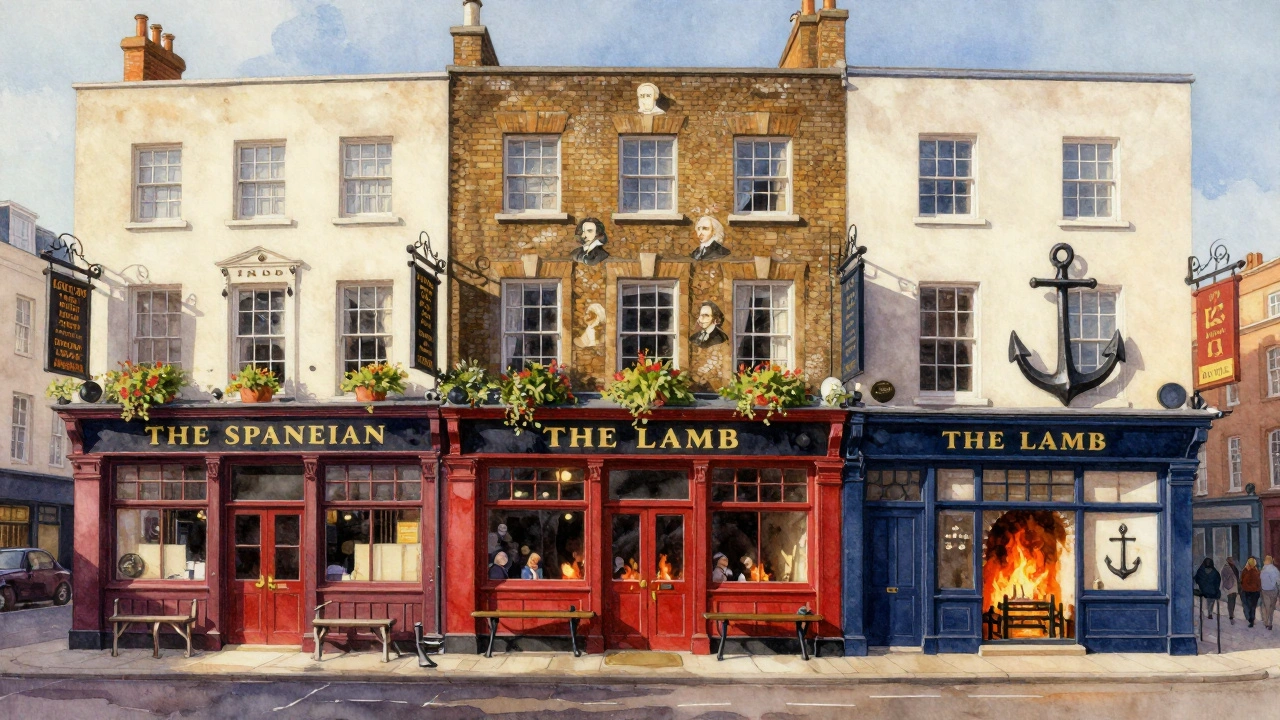
That’s why you still have places like The Lamb in Lambeth-built in 1740, survived the Blitz, and still has the original 18th-century gas lamps. Or The Anchor in Bankside, where Shakespeare’s troupe once drank before performances. These places didn’t survive because they were trendy. They survived because people cared.
Today, many are protected by Historic England. That means you can’t just rip out the floorboards or turn the snugs into a juice bar. The rules are strict. You can modernize the toilets, but the bar has to stay exactly as it was.
How to Visit Like a Local
If you’re planning to visit one of these pubs, here’s how to do it right:
- Go during the day or early evening. These pubs are quieter then, and you’ll actually hear the stories.
- Don’t ask for a cocktail. Ask for “what’s on real ale?” or “what’s the best pint today?”
- Don’t sit at the bar unless there’s space. Let the regulars have their spots.
- Leave your phone in your pocket. These pubs aren’t Instagram backdrops-they’re living rooms.
- Tip the barman. Not because it’s expected, but because they’ve seen generations come and go-and they still show up.
And if you’re lucky? You’ll hear a pub song. Someone will start singing “Rule, Britannia!” or “The Parting Glass.” And everyone will join in. Not because they’re good. But because it’s tradition.
The Future of Historic Pubs
There are fewer than 4,000 traditional pubs left in London. That’s down from over 60,000 in the 1900s. Rising rents, changing habits, and delivery apps have taken their toll. But the ones that remain? They’re tougher than ever.
Some now host live folk music, poetry nights, or history talks. Others have started small breweries on-site. A few even offer guided tours-where you learn about the pub’s past while sipping the same beer a Victorian sailor once drank.
These places aren’t relics. They’re resilient. And as long as there’s someone willing to sit down, order a pint, and listen to the old man at the end of the bar, they’ll keep pouring.
Are historic London pubs still open to the public?
Yes, all the historic pubs mentioned here are open to the public. They don’t require bookings-you can just walk in. Most open around noon and close between 11 p.m. and midnight. Some, like The Prospect of Whitby, even serve food until late. They welcome visitors, but they don’t treat them like tourists. You’ll fit in if you respect the space.
Do I need to pay to enter a historic pub in London?
No, entry is always free. You only pay for what you order-beer, food, or a snack. Some pubs have a cover charge for live music nights, but that’s rare. The tradition is simple: you walk in, you sit down, you order. No membership, no fees, no VIP sections.
What’s the difference between a pub and a bar in London?
A pub (public house) is a community space with a focus on real ale, local regulars, and a homey feel. A bar is more about cocktails, music, and a scene. Historic pubs have fireplaces, wooden benches, and no dance floor. Bars have LED lights, DJs, and a dress code. If you want history, go to a pub. If you want a party, go to a bar.
Can I bring children to historic pubs in London?
Yes, but only in certain areas. Most historic pubs have a family-friendly section, often near the kitchen or by the window. But the main bar area is usually adults-only after 8 p.m. It’s not a rule-it’s a custom. If you’re with kids, ask the barman where you can sit. They’ll point you to the right corner.
Why are historic pubs so dark inside?
They were built before electric lights. Thick walls, small windows, and low ceilings were designed to keep heat in. Today, the darkness is preserved on purpose. It’s part of the atmosphere. Most pubs use warm, low-wattage bulbs now, but they avoid bright lighting. It’s not about being old-fashioned-it’s about feeling like you’ve stepped back in time.
Next Steps
If you’re visiting London and want to experience this culture, start with The Spaniard or The Ye Olde Cheshire Cheese. They’re easy to find and still feel untouched by time. Bring a friend. Don’t rush. Order a pint of bitter, sit by the fire, and listen. Someone will tell you a story. You might even end up telling one yourself.