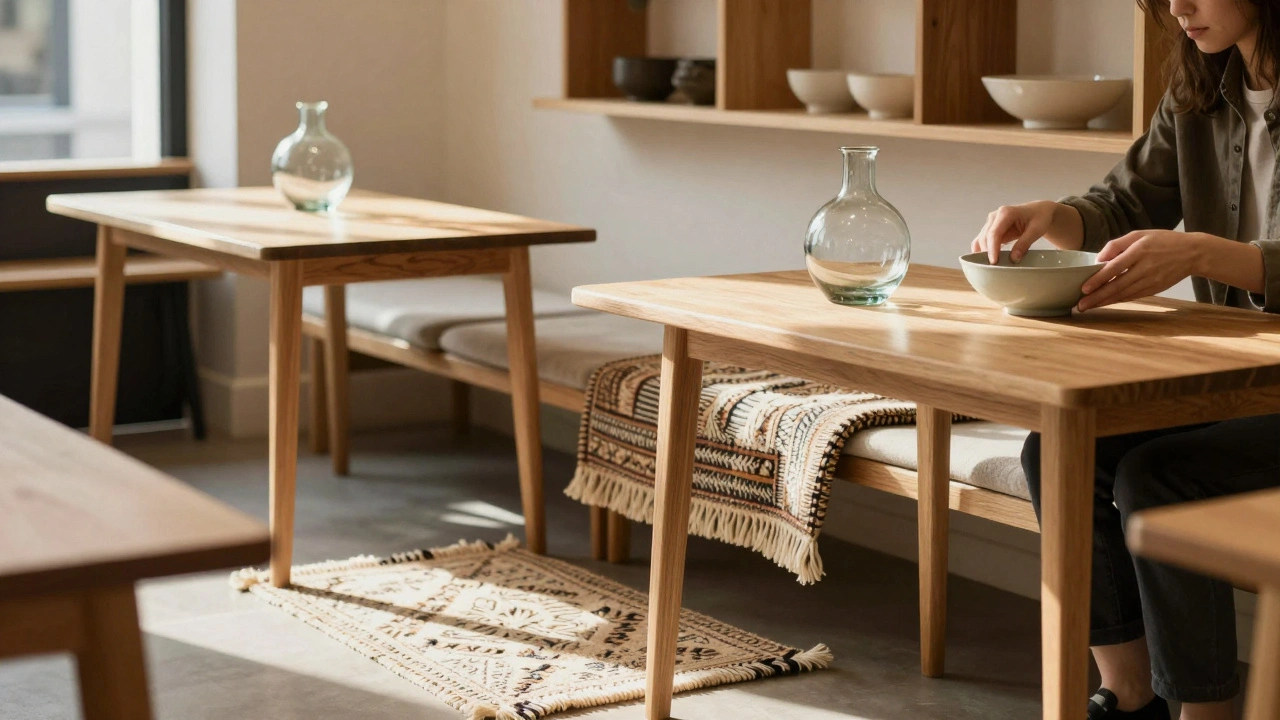
Walking through London’s design-led homewares stores isn’t just shopping-it’s a quiet kind of inspiration. You don’t need to buy anything to feel it: the weight of a hand-thrown ceramic mug, the grain of oak shelving sanded by hand, the way a linen curtain catches afternoon light. These aren’t just products. They’re stories stitched into everyday life. And London, more than any other city in the UK, has turned homewares shopping into a cultural experience.
Why London’s Design-Led Homewares Scene Stands Out
London doesn’t just sell home goods-it curates them. Unlike big-box stores that push mass-produced items from factories in China or Vietnam, London’s best homewares shops work with independent makers, local artisans, and small European studios. You’ll find pieces made in Cornwall, ceramics fired in Stoke-on-Trent, and textiles woven in Scotland. These aren’t trends you’ll see on Instagram next month. They’re objects built to last, with makers you can name.
The city’s design-led scene grew from a mix of history and rebellion. Post-war Britain saw a boom in craft education. Design schools like Central Saint Martins and the Royal College of Art turned out generations of makers who refused to compromise on quality. By the 2010s, this had evolved into a network of independent studios, pop-up shops, and carefully edited boutiques. Today, you can walk into a shop in Notting Hill and find a lamp designed by a recent graduate, made in a studio just ten miles away.
Notting Hill: The Heart of Curated Design
Notting Hill is where design meets neighborhood charm. Portobello Road isn’t just about antiques-it’s where modern design finds its roots. Heal’s has been here since 1810, but it’s not stuck in the past. Their current collection features Danish minimalist tables, British wool rugs from a family-run mill in Yorkshire, and hand-blown glass vases from Lisbon. It’s the kind of place where you’ll find a £450 oak dining table next to a £28 ceramic bowl made by a local artist.
Down the street, Aesop’s homewares corner (yes, the skincare brand) sells ceramic soap dishes and linen napkins in muted earth tones. It’s not a home store, but it’s one of the most thoughtful edits of everyday objects you’ll find anywhere. The same attention to texture and tone runs through The Conran Shop in nearby Fulham. Their lighting collection alone includes 12 different brass pendants, each with a different shade of patina, all made in Portugal.
Shoreditch: Where Young Designers Launch Their First Collections
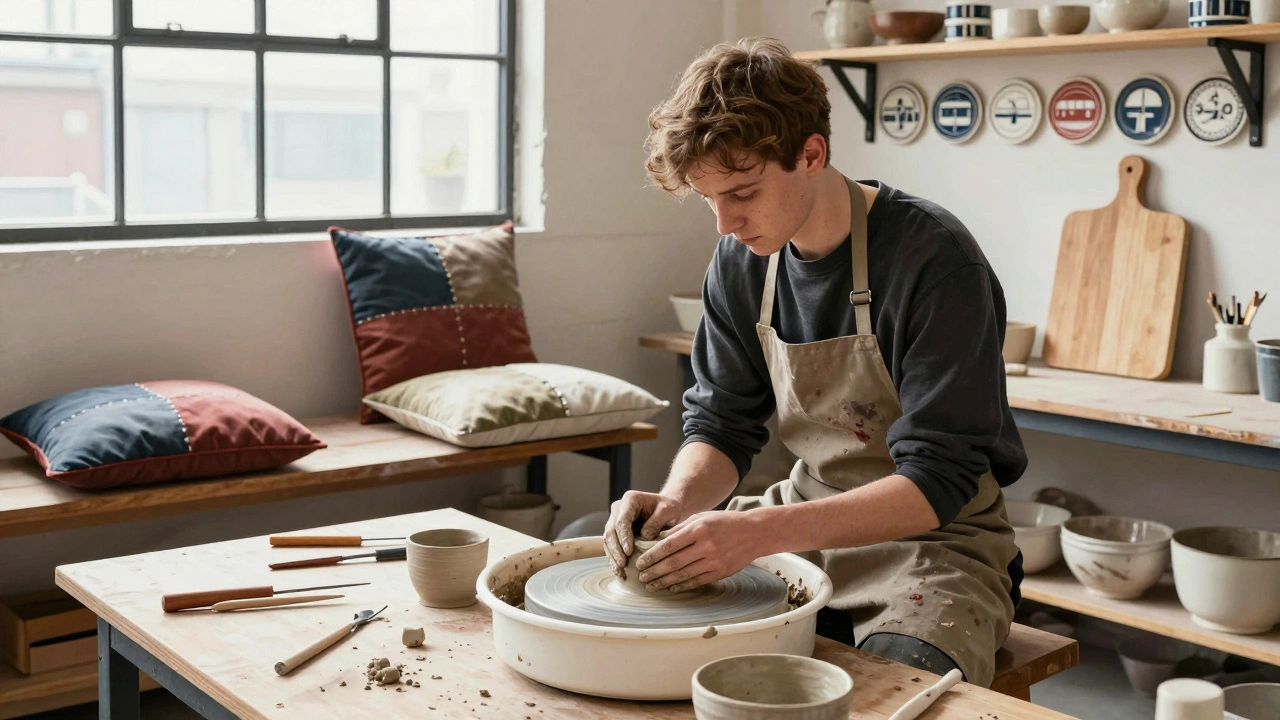
Shoreditch is where London’s next generation of makers test their ideas. You won’t find big brands here. Instead, you’ll find pop-up shops in converted warehouses and tiny studios that double as living rooms. The New Craftsmen is one of the most respected names here. They work directly with makers like potter Sarah Grieve, who uses clay from Devon and glazes fired in wood-burning kilns. Their pieces aren’t cheap-hand-thrown plates start at £85-but they’re made to be passed down.
At Made in Hackney, a collective of 18 local designers sells everything from hand-stitched cushions to solid oak cutting boards. One of their bestsellers is a set of four ceramic coasters, each shaped like a different London bus stop. They sell out every Christmas. You can meet the maker on weekends-there’s no middleman, no corporate branding. Just a person who wakes up at 5 a.m. to throw clay.
Chelsea: Luxury Meets Craftsmanship
Chelsea feels like a different city. Here, homewares aren’t just functional-they’re heirlooms. Farrow & Ball’s flagship store on King’s Road isn’t just about paint. It’s a sensory experience: you touch velvet curtains, run your fingers over hand-carved wooden frames, and smell the beeswax polish on oak sideboards. Their collections include linen bedding made in Portugal with organic cotton, and brass candlesticks cast in London’s East End.
Down the road, Sedgwick & Co. sells only British-made goods. Their signature item? A £1,200 oak dining table with a live edge, sanded by hand over 40 hours. It’s not for everyone. But if you’re looking for something that will still look beautiful in 30 years, this is it. They don’t advertise. They don’t do sales. Their customers come because they’ve heard about it from someone who already owns one.
Camden: Unexpected Finds and Reclaimed Treasures
Don’t skip Camden if you love stories with character. The Old Truman Brewery hosts a rotating market of independent makers. One weekend, you might find a maker using recycled brass from old church bells to make lamp bases. Another, you’ll find a woman who turns salvaged Victorian floorboards into coffee tables.
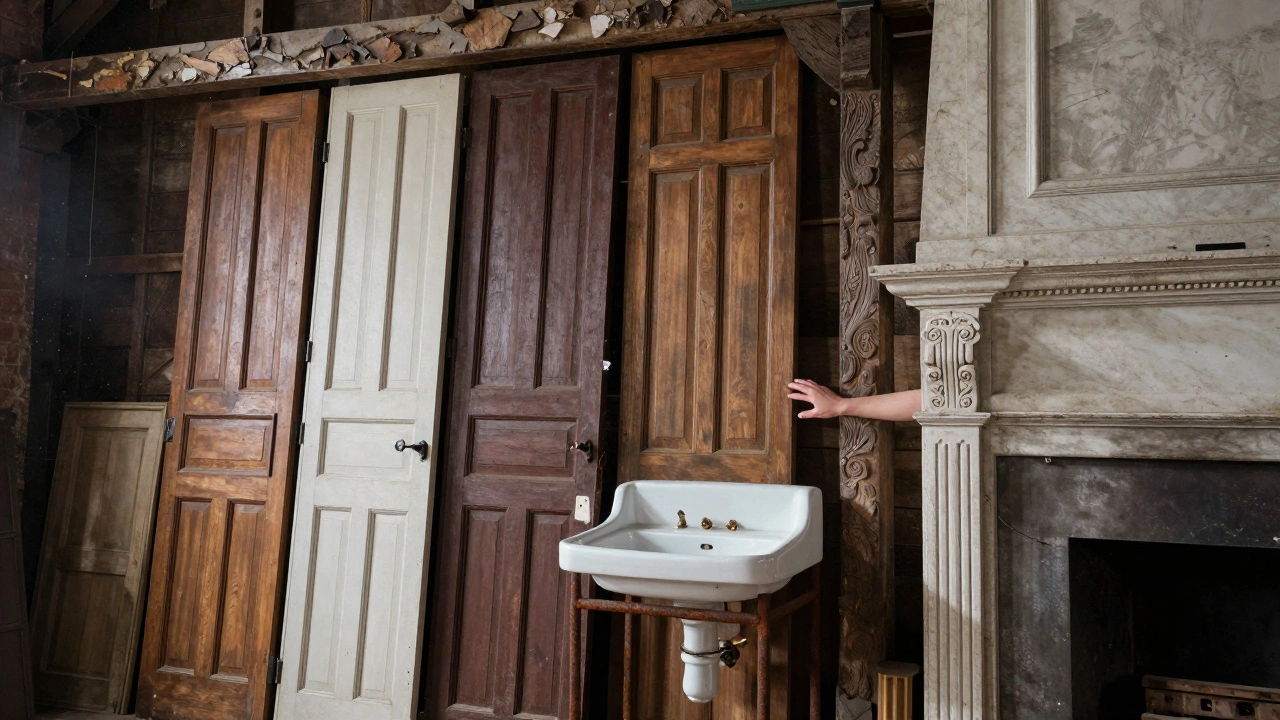
Reclaimed London is a warehouse-sized store filled with doors, windows, fireplaces, and beams from demolished Georgian townhouses. You can buy a 1920s bathroom sink for £180 or a 100-year-old oak beam for £500. They don’t sell new things. They sell history you can bring home.
What Makes a Store Truly Design-Led?
Not every shop that calls itself "design-led" deserves the title. Here’s what separates the real ones:
- Transparency: They name the maker, the material, and where it was made. No "imported from Asia" labels.
- Small batches: Items are made in runs of 10-50, not 10,000.
- Materials matter: Solid wood over veneer, natural dyes over synthetic, ceramic over plastic.
- Experience: You’re invited to touch, hold, and try things. No "look but don’t touch" signs.
- Local ties: Most makers live within 100 miles of the shop.
If a store doesn’t check at least three of these boxes, it’s probably just selling mass-market decor with a fancy name.
What to Buy (and What to Skip)
Here’s what actually lasts in London’s design-led scene:
- Buy: Hand-thrown ceramics, wool rugs from British mills, solid oak furniture, linen textiles, brass hardware.
- Skip: Printed polyester curtains, particleboard shelves, plastic vases, "artisan-style" mass-produced items with fake distressing.
One shopper told me she spent £600 on a single oak dining table from a Shoreditch maker. It’s been in her kitchen for six years. Her kids have drawn on it. Her dog sleeps under it. It’s scratched, stained, and perfect. "I could’ve bought a cheaper one," she said. "But this one remembers me. And I remember it."
When to Visit
Most design-led stores in London are quiet on weekdays. Weekends are crowded. The sweet spot? Tuesday or Wednesday afternoons. That’s when the makers are in, the staff has time to talk, and you can actually hold things without bumping into ten other people.
Don’t miss the London Design Festival in September. It’s when over 150 independent homewares studios open their doors for free tours. You can watch a potter throw a vase, meet a textile designer who weaves with recycled fishing nets, or buy a limited-edition lamp made only for the festival.
Final Thought: It’s Not About the Price Tag
Design-led homewares aren’t about being expensive. They’re about being meaningful. A £30 ceramic bowl from a maker in Peckham might cost less than a £50 IKEA vase, but it carries something the IKEA one never will: a handprint, a kiln temperature, a morning spent shaping clay while the sun came up.
You don’t need to buy everything. Just walk in. Touch the wood. Feel the weight. Ask the maker where they got their inspiration. That’s the real shopping experience in London.
Where are the best homewares stores in London for first-time visitors?
Start with Notting Hill’s Heal’s and The Conran Shop, then head to Shoreditch for independent makers at The New Craftsmen and Made in Hackney. If you’re into vintage and reclaimed pieces, visit Reclaimed London in Camden. Each spot offers something different-curated design, emerging talent, or historical character.
Are design-led homewares in London worth the higher price?
Yes-if you value longevity and craftsmanship. A £150 hand-thrown ceramic set from a London studio will last 20 years and look better with age. A £40 mass-produced set from a big retailer might chip after six months. You’re paying for time, skill, and materials-not just the object.
Can I find affordable design-led homewares in London?
Absolutely. Many makers sell smaller items like ceramic coasters, linen napkins, or wooden spoons for under £25. Made in Hackney and The Old Truman Brewery markets have plenty of under-£30 finds. Look for "maker’s samples" or "seconds"-slightly imperfect pieces sold at a discount.
Do these stores ship internationally?
Most do, but shipping costs can be high because they use small, eco-friendly packaging and avoid mass shipping hubs. Heal’s and The Conran Shop ship globally. Smaller makers like The New Craftsmen often ship to the US, Canada, Australia, and EU countries. Always ask before buying-some only ship within the UK.
Is there a difference between "design-led" and "artisan-made"?
Yes. "Design-led" means the product was created with strong aesthetic and functional intent-often by a trained designer. "Artisan-made" means it was handcrafted by a maker using traditional skills. Many London stores combine both: a designer creates the form, and an artisan builds it by hand. The best stores do both.
Next time you’re in London, skip the tourist shops. Walk into one of these places. Let your fingers decide what you need. You might not walk out with a shopping bag-but you’ll leave with something better: a sense of what home really means.