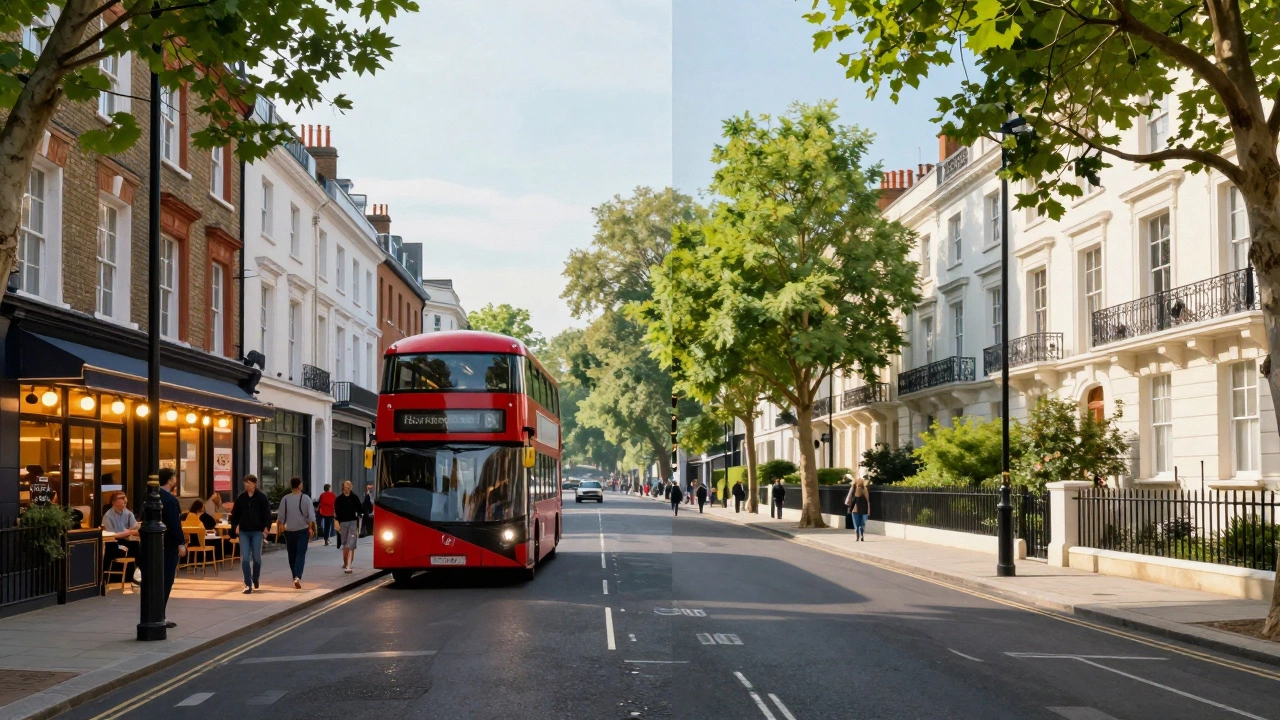
Moving to London is exciting, but picking where to live can feel like solving a puzzle with missing pieces. You want safety. You want a manageable commute. And you definitely don’t want to spend half your salary on rent for a closet-sized room. As of 2026, the London property market has shifted again. Post-pandemic hybrid work patterns have changed which neighborhoods are hot, while rising transport costs make location even more critical than before.
This isn't just about finding a pretty street. It's about balancing your daily quality of life against practical constraints. If you pick the wrong spot, you might find yourself stuck in a tube station at rush hour or walking home alone through poorly lit parks. Let’s break down how to choose a London neighborhood that fits your lifestyle, budget, and peace of mind.
Understanding the London Borough System
Before looking at specific streets, you need to understand how London is organized. The city is divided into 32 London Boroughs, plus the City of London. These aren't just administrative lines; they define your council tax, local amenities, and often the "vibe" of an area. For example, Camden is known for its nightlife and markets, while Richmond upon Thames offers leafy suburbs and river views.
When people talk about "safe" or "expensive" areas, they usually refer to these boroughs. Your first step is to identify which boroughs align with your priorities. Do you prefer urban energy or suburban calm? Are you willing to pay more for central access?
- Central Boroughs: Westminster, Camden, Islington, Kensington and Chelsea. High cost, high convenience, vibrant but noisy.
- Inner Suburbs: Hackney, Shoreditch, Lambeth, Southwark. Trendy, diverse, good transport links, moderate to high cost.
- Outer Suburbs: Croydon, Bromley, Enfield, Barnet. More affordable, greener, longer commutes, family-friendly.
Safety: Beyond Crime Statistics
Safety is subjective, but data helps. In 2026, the most reliable source for crime data is the Office for National Statistics (ONS), specifically their annual "Crime in England and Wales" report. However, raw numbers can be misleading. A large borough like Brent will naturally have higher total crimes than a small one like Kensington and Chelsea, but per-capita rates tell a different story.
Focus on two types of crime:
- Violent Crime: This includes assault and robbery. Areas near major transport hubs and nightlife districts (like parts of Camden or Soho) tend to have higher incidents, especially late at night.
- Anti-Social Behavior (ASB): Noise complaints, graffiti, and public drunkenness. This affects daily comfort more than rare violent incidents.
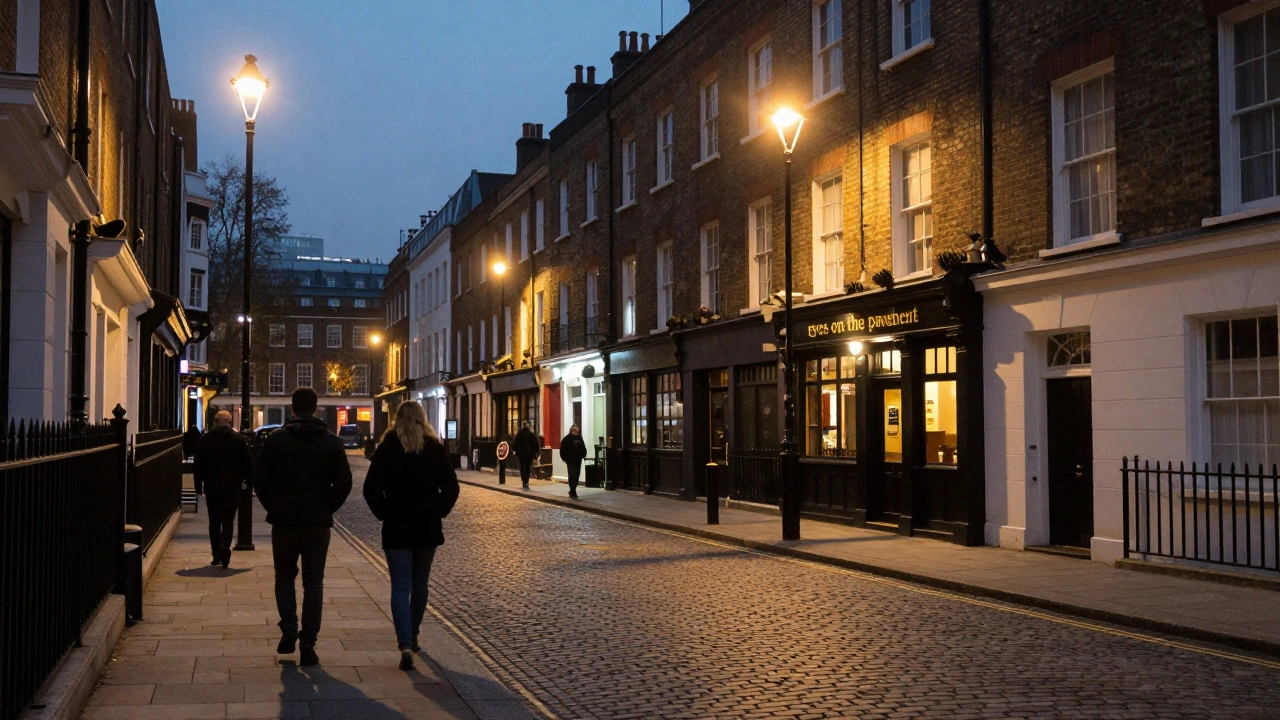
Pro tip: Don't just look at annual reports. Check local council websites for recent ASB trends. Also, visit the area at different times of day. A neighborhood that feels safe at 10 AM might feel isolated at 10 PM. Well-lit streets with active shops and cafes are generally safer because there are more eyes on the pavement.
| Borough | Per-Capita Violent Crime (High/Med/Low) | Lighting & Foot Traffic | Best For |
|---|---|---|---|
| Kensington & Chelsea | Low | Excellent | High-budget professionals |
| Islington | Medium | Very Good | Young professionals, families |
| Lambeth | Medium-High | Variable | Culture seekers, budget-conscious |
| Richmond | Very Low | Good (Suburban) | Families, remote workers |
| Hackney | Medium | Good (Daytime) | Creative industries, trendsetters |
Commute: The Real Cost of Living in London
Your commute determines your free time. In London, this means understanding the Transport for London (TfL) network. TfL operates the Underground (Tube), buses, Overground, DLR, and Trams. As of 2026, contactless payment and Oyster cards remain standard, with fare caps making daily travel predictable.
Key factors to consider:
- Zone System: London is split into zones 1-9. Zone 1 is central. Most jobs are in Zones 1-2. Living in Zone 3+ saves money but adds time.
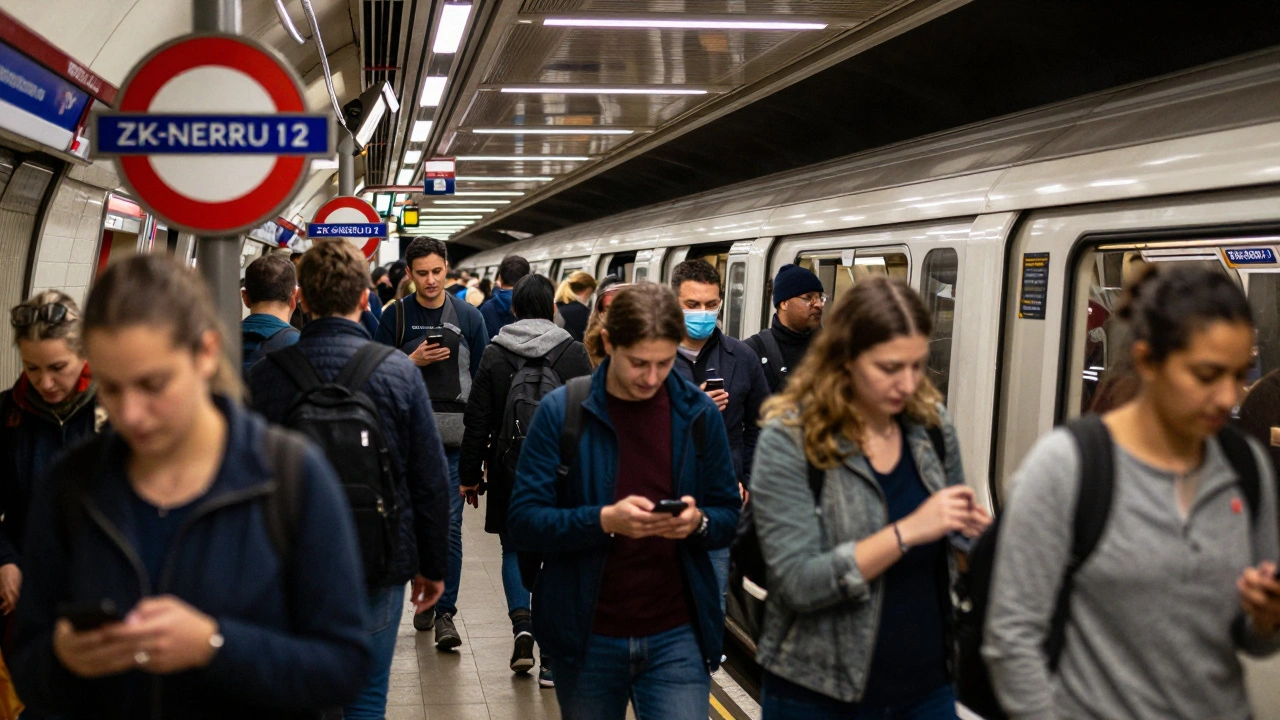
- Peak vs. Off-Peak: Rush hour (7-10 AM, 4-7 PM) sees crowded trains. Hybrid workers can avoid this, improving quality of life significantly.
- Direct Routes: Avoid areas requiring multiple changes. A direct line from King’s Cross St Pancras to Shoreditch High Street is faster and less stressful than changing three times.
Use TfL’s Journey Planner to test routes from potential homes to your workplace. Aim for under 45 minutes door-to-door. Anything over an hour each way starts to eat into your evening and weekend time.
Budgeting for Rent and Council Tax
Rent varies wildly by borough. In 2026, average monthly rents for a one-bedroom flat are:
- Kensington & Chelsea: £2,500 - £4,000+
- Islington/Camden: £1,800 - £2,500
- Hackney/Southwark: £1,500 - £2,000
- Croydon/Bromley: £1,000 - £1,400
Don’t forget Council Tax, a local tax based on property value bands (A-H). Band D is the median. Outer boroughs often have lower bands, saving you hundreds annually. Always check the band before signing a lease.
Top Neighborhood Picks for Different Expats
Here’s how to match your profile to a neighborhood:
1. The Young Professional: Islington or Shoreditch
Islington offers great restaurants, pubs, and green spaces like Highbury Fields. It’s well-connected via the Victoria and Northern lines. Shoreditch is edgier, with tech startups and nightlife, served by the Overground and Central line. Both are safe during the day but require caution late at night in certain spots.
2. The Family: Richmond or Barnes
These southwest boroughs offer excellent schools, parks (Richmond Park), and low crime. Commutes to central London take 30-40 minutes via District line or River Bus. Rent is high, but space and safety justify it for many families.
3. The Budget-Conscious: Croydon or Lewisham
Croydon has improved dramatically, with new developments and better transport links (National Rail, Tramlink). Lewisham offers easy access to the Jubilee line and Southeastern trains. Both provide affordability without sacrificing too much connectivity.
4. The Remote Worker: Hampstead or Kingston
If you rarely commute, prioritize lifestyle. Hampstead is affluent, hilly, and green, with world-class cafes. Kingston-upon-Thames is quieter, with a lovely high street and lake, ideal for those who want a village feel within London.
Practical Steps to Finalize Your Choice
- Define Non-Negotiables: Max commute time? Must-have amenities (gym, park)? Budget ceiling?
- Shortlist 3 Boroughs: Based on safety data and transport links.
- Visit in Person: Spend a full day in each shortlisted area. Walk around at night if possible.
- Check Local Forums: Sites like Reddit’s r/london or local Facebook groups reveal real-time issues (roadworks, noise).
- Calculate Total Cost: Rent + Council Tax + Transport + Utilities. Compare across options.
Choosing a London neighborhood is a balance act. There’s no perfect place, only the right fit for your current life stage. By focusing on safety metrics, realistic commute times, and honest budgeting, you’ll avoid common pitfalls and settle into a community that works for you.
What is the safest borough in London for expats?
Kensington and Chelsea consistently ranks as one of the safest boroughs due to low violent crime rates and high police presence. Richmond upon Thames and Wandsworth also offer strong safety profiles, especially for families. However, "safest" depends on your definition-some prefer well-lit, busy areas like Islington over quieter, isolated suburbs.
How much should I budget for commuting in London?
As of 2026, weekly TfL fares cap at approximately £35-£50 for Zones 1-2 travel, depending on frequency. If you live in Zones 3-4, expect £25-£40 weekly. Factor in occasional taxi rides or Uber trips for late nights. Annual budgets should include a buffer for fare increases, which typically occur in January.
Are outer London boroughs worth the longer commute?
Yes, if you value space and affordability. Boroughs like Croydon, Bromley, or Enfield offer larger flats and gardens for half the price of central areas. The trade-off is time: commutes can exceed 60 minutes. Hybrid work makes this viable, as you only commute 2-3 days a week.
How do I check crime statistics for a specific street?
Use the UK Police website’s crime map tool. Enter your postcode or address to view reported incidents over the past year. Filter by type (burglary, ASB, etc.). Remember, reported crime doesn’t equal actual risk-some areas have high reporting rates due to community engagement.
What are hidden costs of living in London neighborhoods?
Beyond rent, budget for Council Tax (Band D ~£1,500/year), water bills (~£400/year), and internet (~£30/month). Older buildings may lack heating efficiency, increasing utility costs. Also, factor in moving expenses and deposits (usually 5 weeks’ rent). Always ask landlords about service charges for flats.