
Trying to hire a London creator is a digital content producer based in the UK capital who partners with brands for sponsored posts, stories, and videos across platforms like Instagram, TikTok, and YouTube? It’s not just about sending a DM and hoping for the best. The market here is mature, competitive, and surprisingly expensive if you don’t know where to look. Whether you are a small local business or a global brand launching in the UK, understanding how this ecosystem works in 2026 is critical. You need to know what a fair rate looks like, how to write a brief that doesn’t get ignored, and which neighborhoods actually produce the talent you need.
This guide cuts through the noise. We will break down the current pricing structures, give you a template for a winning creative brief, and explain the legal nuances of working with influencers in the UK. By the end, you’ll have a clear roadmap to execute campaigns that feel authentic rather than transactional.
Understanding the London Creator Landscape
London isn't a monolith. When people talk about "London influencers," they often imagine someone posing in front of Big Ben. But the real value lies in hyper-local niches. A creator based in Shoreditch might specialize in tech startups and streetwear, while someone from Greenwich could focus on family-friendly activities and heritage tourism. Understanding these micro-communities is your first step.
The landscape has shifted significantly since 2023. Micro-influencers (10k-50k followers) now dominate engagement rates because their audiences trust them more than celebrity endorsements. In London, this demographic is particularly strong in sectors like sustainable fashion, plant-based dining, and co-working spaces. If you are looking for broad awareness, you go macro. If you want conversions and community building, you go micro or nano (under 10k followers).
Also, consider the platform mix. While Instagram remains king for lifestyle and aesthetics, TikTok has become the primary discovery engine for Gen Z and younger Millennials in London. YouTube is still the heavyweight for long-form reviews and tutorials. Your choice of creator should align with where your target audience spends their time, not just where the creator has the most followers.
Current Rates for London Influencers in 2026
Money talks, but only if you speak the right language. Pricing in London varies wildly based on niche, engagement rate, and deliverables. Below is a realistic breakdown of what you can expect to pay in mid-2026. These figures assume standard usage rights for 3 months.
| Creator Tier | Follower Count | Instagram Post | TikTok Video | YouTube Integration |
|---|---|---|---|---|
| Nano-Influencer | 1k - 10k | £50 - £150 | £40 - £100 | Product Gifting Only |
| Micro-Influencer | 10k - 50k | £150 - £400 | £100 - £300 | £300 - £600 |
| Mid-Tier Influencer | 50k - 100k | £400 - £800 | £300 - £600 | £600 - £1,200 |
| Macro-Influencer | 100k+ | £800 - £2,500+ | £600 - £1,500+ | £1,200 - £5,000+ |
Note that these are base fees. Additional costs often include:
- Usage Rights: If you want to repurpose their content for ads (whitelisting), expect to pay an additional 20-50% on top of the fee.
- Exclusivity: Asking a creator not to work with competitors for 30-90 days usually adds a premium.
- Rush Fees: London moves fast. Need content in under 48 hours? Expect a 25% surcharge.
Always remember that VAT (Value Added Tax) is typically added on top of quoted prices if the creator is VAT registered. Most professional creators in the UK are sole traders or limited companies, so they will invoice you formally.
Crafting a Brief That Gets Results
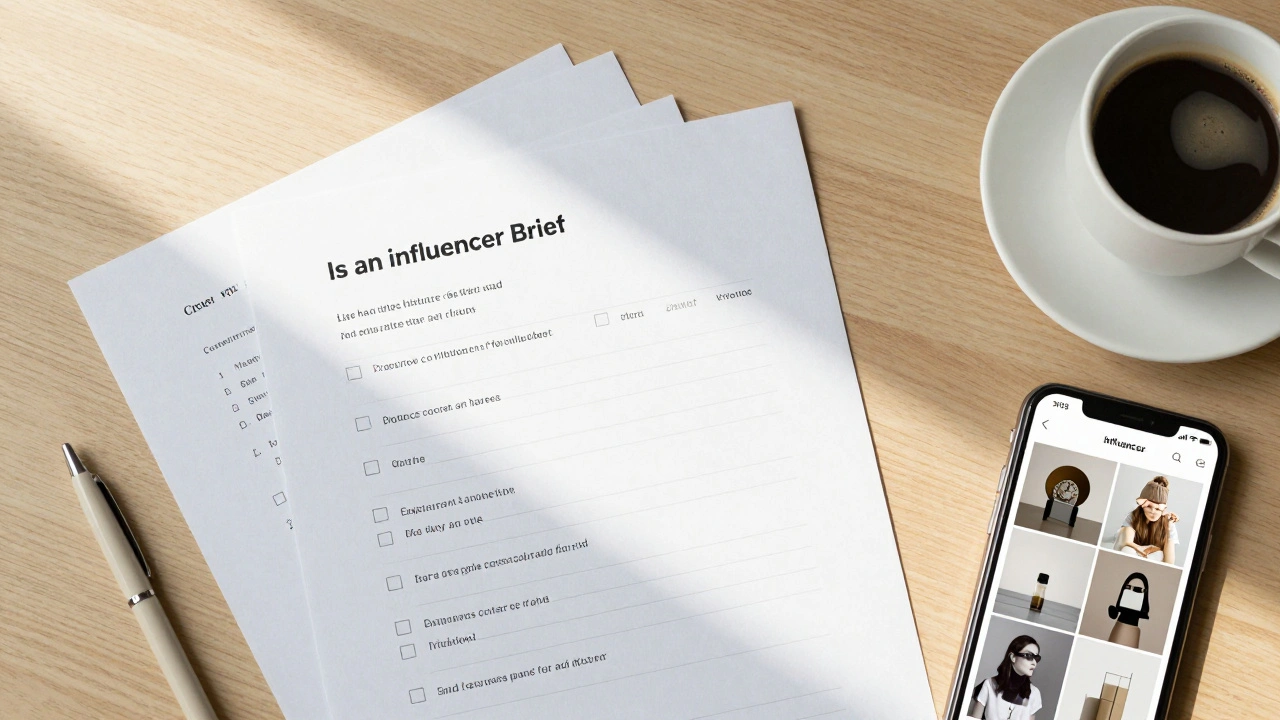
A bad brief leads to bad content. Too many brands send vague emails saying, "We love your style! Can you post about us?" This puts all the creative burden on the creator and usually results in generic, low-effort posts. Instead, provide structure while leaving room for creativity.
Your brief should answer three questions: What do we want? Why does it matter? How should it look?
- Context & Goals: Start by explaining who you are and what you hope to achieve. Are you driving sales, increasing app downloads, or just building brand awareness? Be specific. "We want 1,000 clicks" is better than "We want exposure."
- Key Messages: List 2-3 mandatory talking points. For example, if you are a coffee shop in Camden, key messages might be "organic beans," "quiet workspace," and "open until midnight." Do not write the script for them; give them the ingredients.
- Visual Direction: Share examples of aesthetics you like. Link to previous posts or mood boards. Mention any brand colors or logos that must appear, but keep it minimal. Over-branding kills authenticity.
- Deliverables & Timeline: Clearly state what you need (e.g., 1 Reel, 3 Stories, 1 Feed Post) and when it needs to be posted. Include a deadline for draft approval.
- Legal Requirements: Remind them to use #ad or #sponsored as required by the UK Advertising Standards Authority (ASA) is the independent regulator of advertising across all media and platforms in the United Kingdom. This protects both parties.
Pro tip: Ask for their input early. Send the brief and ask, "Does this align with your usual content style?" If they say no, move on. Forcing a square peg into a round hole wastes everyone’s time.

Finding the Right Talent
You don’t need a fancy agency to find good creators. In fact, direct outreach often yields better relationships and lower costs. Here’s how to scout effectively:
Use Platform Search Features: On Instagram and TikTok, search for hashtags relevant to your niche plus "London." Look at #LondonFoodie, #LondonTech, or #ShoreditchStyle. Check the recent posts, not just the top ones. Engage with their content before pitching. Comment genuinely, share their posts, and build rapport.
Leverage Influencer Marketplaces: Platforms like Aspire, Upfluence, or even LinkedIn can help filter creators by location and engagement metrics. However, be wary of fake followers. Use tools like HypeAuditor or Social Blade to verify authenticity. Look for consistent comment sections with real conversations, not just emojis.
Look Beyond Follower Count: Engagement rate is king. A creator with 5k followers and 500 comments per post is more valuable than one with 100k followers and 20 likes. Calculate engagement rate by dividing total engagements (likes + comments) by followers, then multiplying by 100. Aim for above 3% for micro-influencers.
Negotiation and Contracts
Never start a collaboration without a contract. Verbal agreements lead to disputes over payment, usage rights, and deadlines. A simple agreement should cover:
- Scope of Work: Exact number of posts, platforms, and formats.
- Payment Terms: Total fee, payment schedule (e.g., 50% upfront, 50% upon posting), and method.
- Content Ownership: Who owns the final files? Usually, the creator retains copyright, but grants the brand a license to use the content for a set period.
- Approval Process: How many rounds of edits are allowed? Set a limit (e.g., two revisions) to avoid endless back-and-forth.
- Termination Clause: What happens if either party backs out?
When negotiating rates, be respectful. Many creators, especially women and minorities, face pressure to accept lower fees. Pay fairly. If budget is tight, offer product gifting combined with a smaller fee, or propose an affiliate model where they earn commission on sales generated via their unique code.
Measuring Success
After the campaign launches, don’t just glance at likes. Dive deeper. Track:
- Reach and Impressions: How many unique users saw the content?
- Engagement Rate: Did people interact with the post?
- Click-Through Rate (CTR): Did they visit your website or landing page?
- Conversion Rate: Did they buy, sign up, or download?
- Sentiment Analysis: Read the comments. Are people asking questions, sharing excitement, or criticizing the product?
Use UTM parameters on links to track traffic sources accurately. Ask creators to share screenshots of their analytics dashboard post-campaign. This transparency builds trust for future collaborations.
Common Pitfalls to Avoid
Ignoring Disclosure Rules: The ASA is strict. If a creator doesn’t clearly mark content as paid, both they and your brand can face fines. Ensure #ad is visible in the first line of captions or spoken aloud in videos.
Over-Creating: Don’t dictate every word. Creators know their audience best. Micromanaging leads to stiff, unnatural content that performs poorly.
One-Off Mentality: Building a relationship takes time. Treat creators as partners, not billboards. Long-term ambassadorships often yield higher ROI than single posts because audiences warm up to repeated, genuine recommendations.
What is the average cost to hire a London influencer?
Costs vary widely. Nano-influencers may charge £50-£150 per post, while macro-influencers can demand £2,500+. Mid-tier creators (50k-100k followers) typically range from £400-£800 for an Instagram post. Always factor in VAT and potential usage rights fees.
Do I need a contract when working with UK creators?
Yes, absolutely. A contract protects both parties by defining scope, payment terms, content ownership, and disclosure requirements. It prevents misunderstandings and ensures compliance with UK advertising laws.
How do I find authentic London creators for my brand?
Start by searching niche hashtags on Instagram and TikTok. Look for high engagement rates and genuine comment interactions. Use verification tools to check for fake followers. Direct outreach often builds stronger relationships than using agencies.
What should be included in an influencer brief?
A good brief includes campaign goals, key messaging points, visual direction, deliverables, timeline, and legal disclosure requirements. Keep it concise and allow room for the creator’s creative input.
Is it better to work with micro or macro influencers in London?
It depends on your goal. Macro-influencers offer broad reach and brand awareness. Micro-influencers provide higher engagement, trust, and conversion rates within specific niches. For most small to medium businesses, micro-influencers offer better ROI.