London isn’t just for people with deep pockets. If you’re a student living here-or planning to-you don’t need to spend a fortune to experience its culture, history, and green spaces. The truth? Many of London’s best offerings are completely free. You just need to know where to look.
Free Museums That Actually Matter
London has more than 170 museums, and almost all of the big ones charge nothing at the door. That’s not a typo. The British Museum is a world-class collection of human history, from the Rosetta Stone to Egyptian mummies, all free to enter. It gets over 6 million visitors a year, and most of them are students. You can easily spend half a day here without spending a penny.
The National Gallery is home to over 2,300 paintings, including works by Van Gogh, Monet, and Turner. Walk through the grand halls, stare at sun-drenched landscapes and dramatic portraits, and leave without paying a single pound. Same goes for the Victoria and Albert Museum-a paradise for design lovers, with fashion, furniture, and ceramics from across centuries.
Don’t overlook the Science Museum, where you can touch a moon rock, ride a virtual rollercoaster, and explore space missions-all for free. These aren’t just museums. They’re immersive experiences that feel like a day trip to another world.
Parks That Feel Like Escape
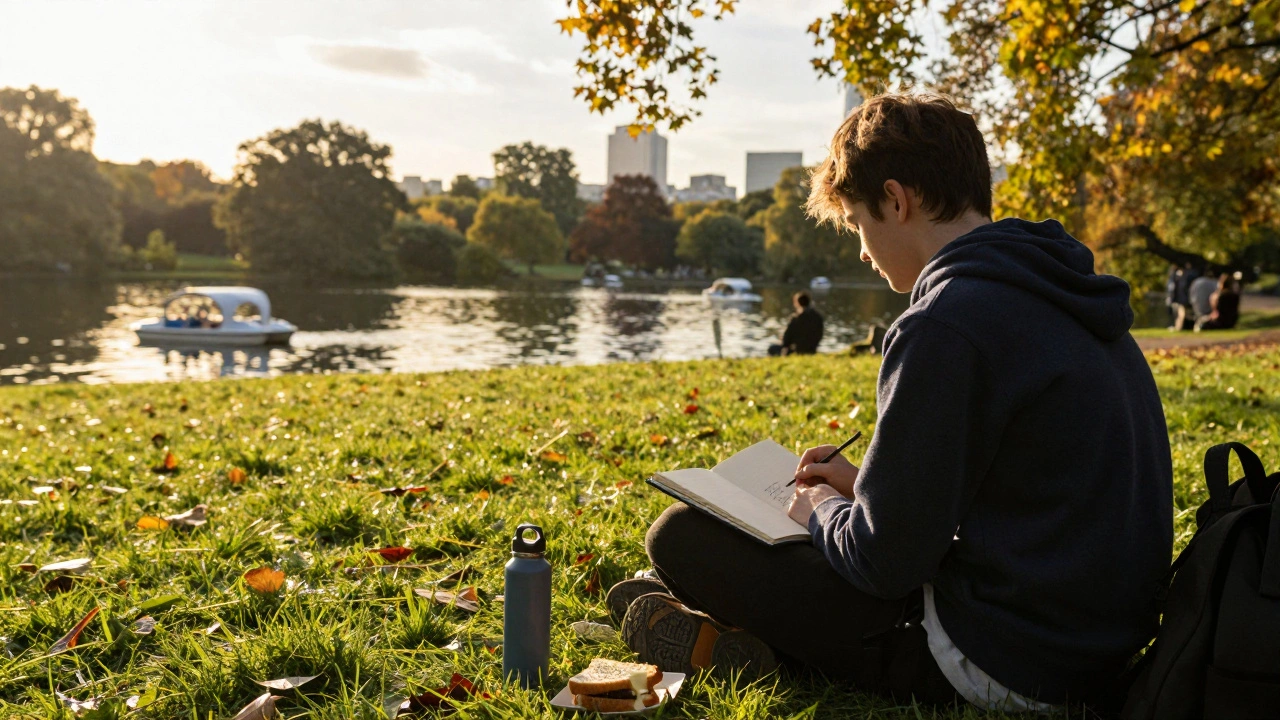
London has more than 3,000 parks. Yes, you read that right. And most of them are open 24/7, with no entrance fee. The biggest and most famous is Hyde Park-a 350-acre green lung right in the middle of the city. You can rent a paddleboat for £5 (or just sit on the grass and watch people do it), walk along the Serpentine Lake, or join a free yoga class on weekends.
Regent’s Park is quieter, with rose gardens, hidden trails, and the open-air Queen Mary’s Gardens, which bloom into a riot of color every spring. You’ll often see students reading, sketching, or just napping under the trees.
For something more local, try Camden Market’s adjacent park-yes, there’s one. Or head to Clapham Common, where you’ll find frisbee games, street musicians, and cheap food stalls on weekends. These aren’t tourist traps. They’re real places where real people live.
Free Events You Won’t Find on Tourist Sites
London’s cultural calendar is packed with events that cost nothing. The Southbank Centre hosts free concerts, poetry readings, and film screenings year-round. Check their website-no booking needed for most events. Same goes for Barbican Centre, which offers free talks, art installations, and jazz nights.
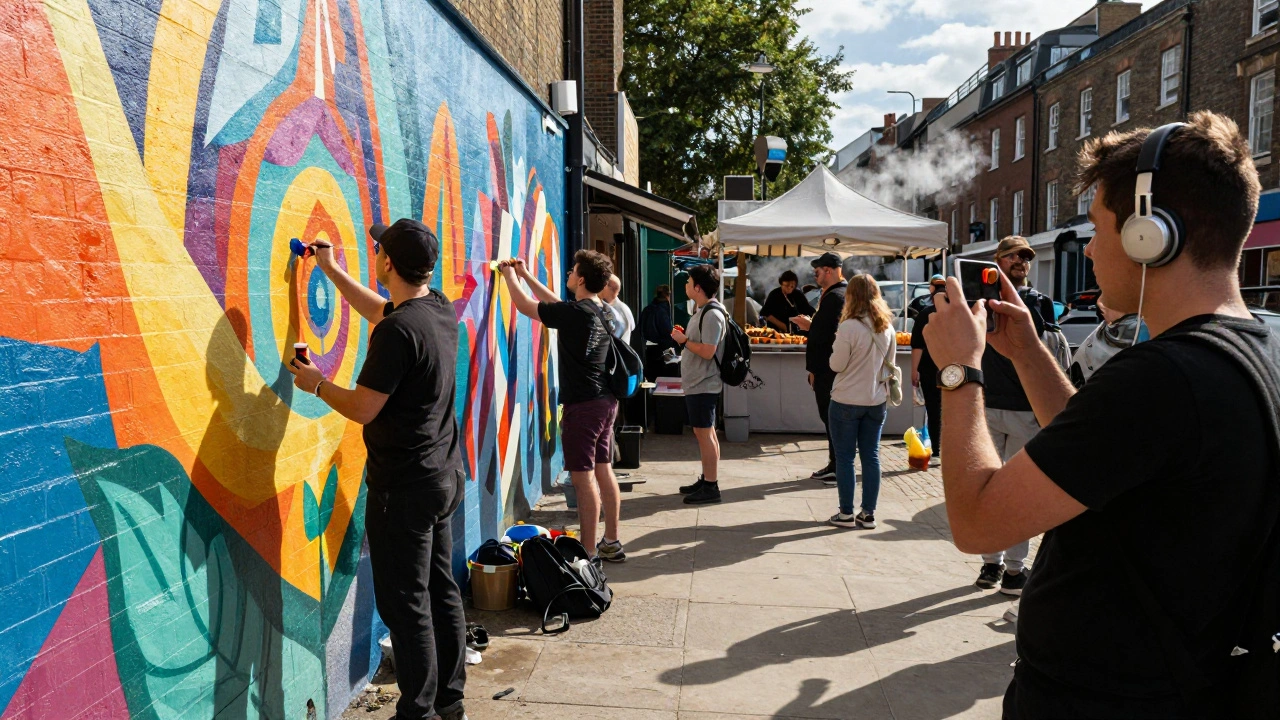
On Sundays, Notting Hill Carnival (in August) and London Mural Festival (in spring) turn entire neighborhoods into open-air galleries. You’ll find live music, street food, and murals painted right before your eyes. No ticket required.
Libraries are another hidden gem. The British Library doesn’t just have books-it has free exhibitions. Right now, you can see original Beatles lyrics, Shakespeare’s First Folio, or medieval manuscripts. Walk in, take your time, and leave with your mind full.

How to Make the Most of It
Here’s how students actually do it:
- Use your student ID. Many places offer free or discounted entry even if they’re not officially free-like the Tower of London’s audio guide or the London Eye’s queue skip.
- Download the London Pass app. It doesn’t cost anything to download, and it shows you real-time free events, pop-up art, and hidden garden openings.
- Go on weekdays. Museums are less crowded, and parks are quieter. You’ll get more space, more peace, and better photo opportunities.
- Bring your own food. Picnics in Hyde Park cost nothing. A sandwich from a local bakery is £3.50. A coffee from a chain? £4.50. A picnic? £2 and a reusable bottle.
- Follow local student groups on Instagram. Universities often post free walking tours, museum scavenger hunts, and poetry nights.
What Not to Do
Don’t fall for the “must-see” tourist traps that charge £30 just to look at a view. The London Eye, Madame Tussauds, and the London Dungeon aren’t worth it if you’re on a budget. Same with guided tours that cost £20 to walk down the same street you could explore alone for free.
Don’t assume free means boring. The best parts of London aren’t the ones with ticket booths. They’re the quiet corners, the unexpected murals, the musicians playing in Covent Garden, the book stalls in Borough Market that let you browse for free.
Real Student Stories
Sam, 21, studies history at UCL. Every Friday, they walk from Bloomsbury to the British Museum, spend three hours in the Assyrian galleries, then head to the park across the street to write in their journal. "I’ve never paid to get in. I’ve seen more here than I did on my semester abroad."
Lena, 19, from Manchester, started coming to Regent’s Park after her first week in London. "I didn’t know it was okay to just sit there. Now I bring my laptop. I’ve written half my thesis under that oak tree."
They’re not special. They’re just smart. They know London doesn’t need to be expensive to be unforgettable.
Why This Works
London’s public funding for culture isn’t just policy-it’s a promise. The city believes culture belongs to everyone. That’s why you can walk into the National Portrait Gallery and stand face-to-face with Churchill, Darwin, or Frida Kahlo without handing over a pound. That’s why you can lie on the grass in Greenwich Park and watch the sunset over the Thames without anyone asking for money.
You don’t need to be rich to love London. You just need to show up, look around, and let the city surprise you.
Can I really visit all these museums for free?
Yes. Major museums like the British Museum, National Gallery, Tate Modern, Science Museum, and Victoria and Albert Museum are permanently free to enter. Some special exhibitions may charge, but the permanent collections are always free. Always check the museum’s website before you go, but you’ll rarely pay just to walk in.
Are there free things to do in London on rainy days?
Absolutely. The British Library, the Wellcome Collection, and the Design Museum all offer free exhibitions with indoor spaces. Libraries like the British Library and local borough libraries have reading rooms, free Wi-Fi, and quiet spaces. Many museums also have cozy cafes where you can sit and read with a cheap coffee.
Do I need to book tickets for free events?
Sometimes. Events like concerts at Southbank Centre or talks at the Barbican may require free registration, but you won’t pay anything. Always check the event page. Most open-air events in parks, street festivals, and pop-up art don’t need booking at all.
What’s the best time to visit parks to avoid crowds?
Early morning (before 9 AM) or weekday afternoons (2-5 PM) are the quietest. Weekends, especially sunny ones, get busy. If you want solitude, go on a Tuesday afternoon. You’ll likely have entire lawns to yourself.
Can I bring food into museums and parks?
Yes. Most museums encourage picnics in their gardens or public areas. Parks are designed for picnics. Just avoid bringing strong-smelling food into enclosed spaces like libraries or galleries. A sandwich, fruit, and water are totally fine.