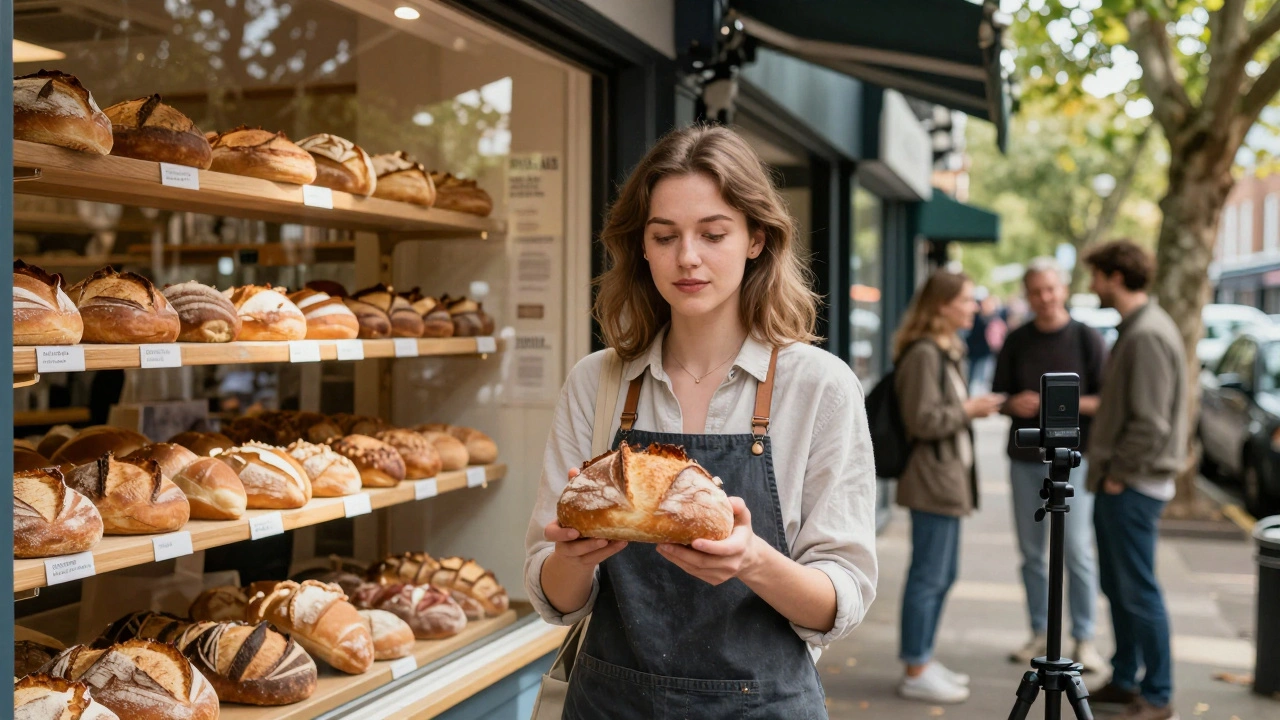
Want to partner with real people who actually move the needle in London-but don’t have a million followers? That’s the sweet spot of micro-influencers. These are the locals with 1,000 to 50,000 followers who still get more engagement than big names. In London, where everyone’s scrolling, it’s the quiet voices in Peckham, Hackney, or Notting Hill that drive trust, clicks, and sales.
Forget paying £10,000 for a celebrity post. A micro-influencer in London might charge £150-£500 for a single Instagram Reel or TikTok video-and their audience actually replies. You don’t need a huge budget. You just need the right tools and a clear strategy.
What Makes a Micro-Influencer Worth It in London?
Not every small account is a micro-influencer. Some just post selfies. The real ones have three things: authenticity, niche focus, and high engagement.
Take @londonbakerydiary. She has 12,000 followers. She posts about sourdough spots in East London every Tuesday. Her posts get 800-1,200 likes. That’s a 7-10% engagement rate. Compare that to a macro-influencer with 200K followers posting the same thing-maybe 1,500 likes. That’s 0.75%. Who’s more valuable?
Micro-influencers in London often work in hyper-local niches:
- Plant-based cafes in Camden
- Secondhand fashion in Brixton
- Community yoga in Greenwich
- Independent bookshops in Islington
- Black-owned beauty brands in South London
They’re not trying to be everywhere. They’re trusted in one place. That’s why local brands-think indie coffee roasters, boutique gyms, or ethical skincare lines-see 3-5x better conversion rates from them than from big campaigns.
Tool #1: SparkToro - Find Who’s Talking, Not Just Who’s Posting
Most people start by Googling “London influencers.” That gives you lists of paid influencers-often overpriced and out of touch.
Try SparkToro instead. Type in a keyword like “vegan brunch London” or “secondhand denim London.” SparkToro shows you the real people talking about it on Instagram, TikTok, and Twitter. It pulls data from public posts, not paid profiles.
Here’s how it works: You enter “London vegan food” and SparkToro returns a list of accounts that mention it often. You see their follower count, engagement rate, and even what other accounts they follow. You can filter by location-so you only see people based in London.
One client found a micro-influencer in Walthamstow who posted about zero-waste shopping 3x a week. She had 8,400 followers. Engagement was 11%. She didn’t even have a website. But her followers trusted her. She got 47 new customers for a local refill store in just 10 days.
Tool #2: HypeAuditor - Spot Fake Followers Fast
Some accounts look big but are full of bots. In London’s influencer scene, fake followers are common. A 2025 audit by a London-based marketing agency found that 28% of “micro-influencers” had over 30% fake followers.
HypeAuditor scans Instagram and TikTok accounts and gives you a fraud score. It checks for:
- Bot-like comments (“Nice!” “Love this!” “🔥”)
- Followers from countries with no connection to London
- Sudden spikes in followers (a red flag for buying)
One brand almost partnered with an account that had 18K followers and 2K likes. HypeAuditor flagged it: 41% fake followers. They walked away. Instead, they found another account with 9K followers and 1.2K likes-92% real. That account drove 142 sales in two weeks.
Tool #3: Instagram and TikTok Search - Do It Yourself
You don’t need expensive tools to start. Use what’s free.
Go to Instagram. Type in a location tag like #londonvegan or #londonthrift. Sort by “Recent.” Look at the comments. Who’s replying? Who’s tagging friends? Who’s asking questions like “Where else do you get this?”
Same on TikTok. Search “london coffee shop” or “london yoga studio.” Scroll through the comments. People often tag their favorite spots. Those taggers are your targets.
Pro tip: Look for accounts that post consistently-weekly, not monthly. And check their bio. Do they say “London-based” or “serving Hackney”? That’s a signal they’re local.
Tool #4: LinkedIn - The Hidden Gem for B2B Micro-Influencers
Most people forget LinkedIn. But in London, there’s a whole layer of micro-influencers who aren’t on Instagram. They’re the local business owners, sustainability consultants, or career coaches who write thoughtful posts.
Search “London” + your niche. For example: “London sustainable fashion” or “London small business owner.” Look for people with 2,000-10,000 followers who get 50-200 likes per post. These aren’t flashy-but they’re read by decision-makers.
A London-based B2B SaaS company found a LinkedIn influencer who wrote weekly posts about remote work tools for freelancers in Shoreditch. He had 6,300 followers. His posts got 120-180 likes. He wasn’t selling anything. But when he mentioned their software, 87 people clicked the link. That’s more than a $5,000 ad campaign.
How to Approach Them-Without Sounding Like a Bot
Don’t send this:
“Hi! Love your content! Can we partner? We’ll pay you £200 for a post. Let me know!”
That’s spam. Micro-influencers get 10 of these a day.
Do this instead:
- Follow them for at least a week. Like a few posts. Leave a real comment-not just “Nice!”
- DM them with something specific: “I loved your post about the new zero-waste shop on Columbia Road. I run a similar store in Peckham and was wondering if you’d be open to a coffee chat? No pitch-just want to learn from your experience.”
- If they reply, meet for coffee (or Zoom). Ask what kind of partnerships they’ve done before. What worked? What didn’t?
- Then propose something small: “Would you be open to trying our reusable coffee cup? You can post about it if you like it. No pressure.”
Many will say yes. Because they’re real people. They want to support other small businesses in London. They’re not looking for a paycheck-they’re looking for connection.
Real Example: How a London Bookshop Grew 40% in 3 Months
Islington Books, a tiny independent shop, didn’t have a marketing budget. They had 300 followers on Instagram.
They found 12 micro-influencers who posted about books in North London. All had between 3K-15K followers. Engagement was 8-12%.
They didn’t pay them. They sent each one a free book they thought they’d love-with a handwritten note. Then they asked: “If you like it, could you share your thoughts?”
11 of them posted. One did a TikTok tour of the shop. Another wrote a long Instagram story about why indie bookshops matter.
Result? 40% increase in foot traffic. 180 new Instagram followers. 32 new customers who said they came because of an influencer’s post.
No ads. No budget. Just real relationships.

What Not to Do
Don’t try to control their content. Micro-influencers built their audience by being themselves. If you tell them exactly what to say, their followers smell it.
Don’t ask for 10 posts. Start with one. Test. See what works.
Don’t ignore the small ones. Someone with 1,200 followers might have a tighter, more loyal group than someone with 20K.
Next Steps: Your 7-Day Plan
Here’s how to start this week:
- Choose your niche: What product or service are you promoting? (e.g., vegan snacks, eco-friendly cleaning, local art prints)
- Search Instagram and TikTok for 3 location-based hashtags in London related to your niche.
- Find 5 accounts with 2K-20K followers. Check their engagement rate (likes + comments ÷ followers).
- Use HypeAuditor (free trial) to check for fake followers.
- Send 3 personalized DMs using the script above.
- Meet one for coffee. Ask what they’d like to see from local brands.
- Send one free sample or discount code. No strings attached.
By the end of the week, you’ll have a real connection-not a transaction.
Frequently Asked Questions
What’s the difference between micro-influencers and macro-influencers in London?
Micro-influencers have 1,000 to 50,000 followers and usually live in London. They post regularly about local spots and get high engagement-often 5-12%. Macro-influencers have 100,000+ followers. They’re often paid big money, but their engagement is lower-sometimes under 1%. In London’s crowded social scene, micro-influencers feel more personal and trusted.
How much should I pay a micro-influencer in London?
Most charge between £150 and £500 per post, depending on reach and engagement. Some prefer free products instead. A good rule: if they have 5K followers and 8% engagement, £200 is fair. If they have 20K and 10% engagement, £400-£500 is standard. Always negotiate based on results, not follower count.
Can I find micro-influencers without spending money on tools?
Yes. Use Instagram and TikTok search with location tags like #londoncoffee or #londonthrift. Look at who’s commenting and tagging others. Check their bio for “London-based.” Look for consistent posting. Engagement matters more than follower count. Many micro-influencers will work with you for free if you offer something they genuinely like.
Why do micro-influencers in London work better than big ads?
Londoners are tired of ads. They trust people they feel they know. A micro-influencer who posts about their favorite local bakery isn’t selling-they’re sharing. That feels real. A paid ad feels like a sales pitch. Studies show micro-influencer posts have 3-5x higher click-through rates in the UK than traditional digital ads.
Should I work with influencers outside London?
Only if your product is relevant to people who visit London. If you’re a local business, stick to London-based influencers. Their followers are people who live here, shop here, and care about supporting local. Someone in Manchester promoting your Notting Hill café won’t bring foot traffic to your door.
What to Do Next
Start small. Find one micro-influencer who matches your brand. Send a real message. Offer something valuable. Don’t ask for a post. Ask for a conversation.
London’s influencer scene isn’t about fame. It’s about community. The people who move the needle aren’t on billboards. They’re the ones posting from their kitchen table in Brixton or their bookshelf in Camden. Find them. Talk to them. And let them tell your story-in their own words.