
You’ve built a following. You post about the best brunch spots in Shoreditch or the hidden galleries in Hackney. But your bank account doesn’t reflect your effort. Turning that engagement into cash is the real challenge. In London, the market is crowded but lucrative if you know how to position yourself.
Monetizing content isn't just about getting free stuff. It’s about building a sustainable income stream through brand partnerships and affiliate marketing. This guide cuts through the noise and shows you exactly how to turn your London-centric content into revenue.
Quick Summary / Key Takeaways
- Define your niche: Brands pay for specific audiences (e.g., luxury lifestyle vs. budget travel).
- Build a media kit: A simple PDF showing your stats, audience demographics, and past work is non-negotiable.
- Leverage local platforms: Use UK-specific networks like Aspire or Upfluence to find legitimate campaigns.
- Diversify income: Combine one-off ad posts with long-term affiliate links for passive income.
- Follow the rules: Always disclose ads using #ad or #sponsored to comply with ASA guidelines.
Understanding the London Influencer Market
London is not just any city; it’s a global hub for fashion, finance, and culture. For brands, this means high visibility. However, it also means high competition. To monetize effectively, you need to understand who you are selling to.
Most brands looking for London influencers fall into three categories:
- Tourism & Hospitality: Hotels, restaurants, and event venues want foot traffic. They often offer 'barter' deals (free stays/meals) initially, but top-tier creators charge flat fees.
- Retail & Fashion: From High Street brands on Oxford Street to independent boutiques in Notting Hill, these companies drive sales through affiliate links and discount codes.
- Tech & Startups: London has a thriving tech scene. These brands value authenticity and long-term ambassadorships over single posts.
Your first step is to identify which category fits your content. If you post mostly about affordable eats, target hospitality chains. If you focus on designer drops, aim for fashion retailers. Misalignment leads to low engagement, which kills your monetization potential.
Step-by-Step: Setting Up for Brand Deals
Getting paid for ads requires professionalism. Brands won’t transfer money to a DM thread. Here is how to structure your business side.
1. Create a Professional Media Kit
A media kit is your resume. It should include:
- Biography: Who you are and what your channel is about.
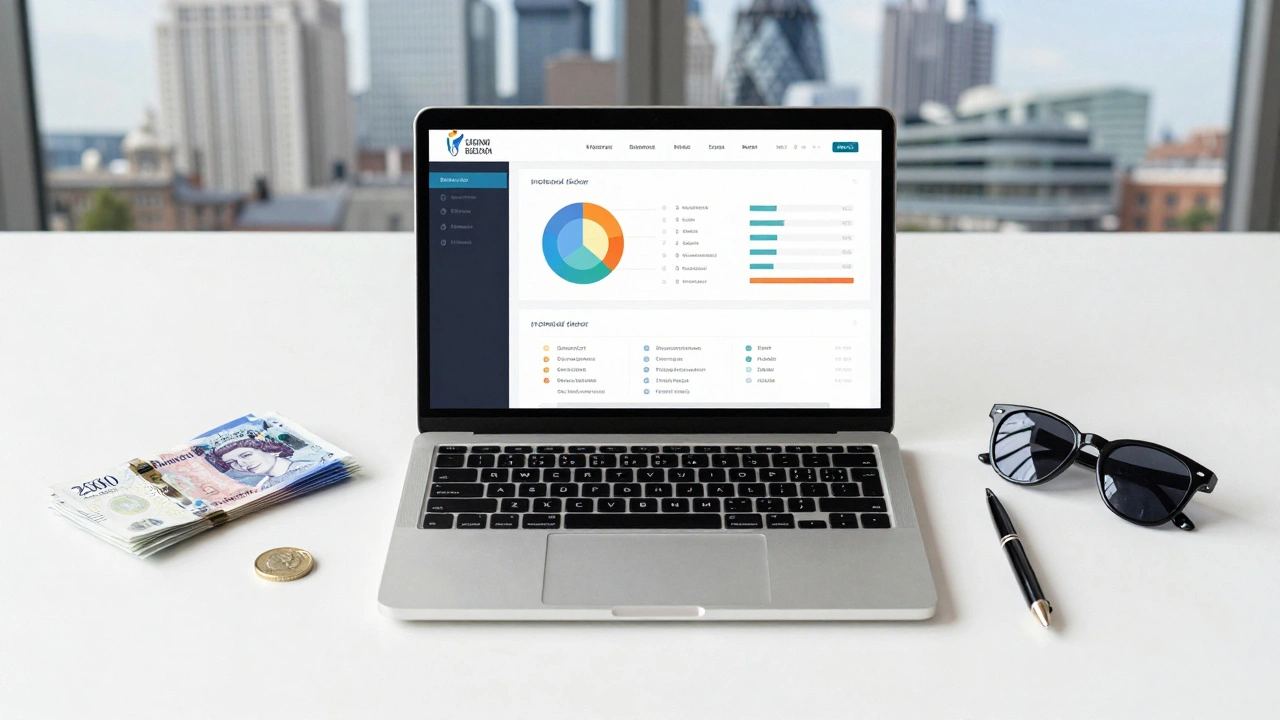
- Stats: Follower count, average likes, comments, and views. More importantly, show your engagement rate.
- Audience Demographics: Age, gender, and location. London-based brands specifically look for a high percentage of UK-based followers.
- Past Collaborations: Logos of brands you’ve worked with and examples of successful posts.
- Contact Info: A professional email address, not your personal Gmail.
2. Set Your Rates
Pricing is tricky. A common rule of thumb is £0.10-£0.50 per follower for Instagram posts, but this varies wildly. Micro-influencers (10k-50k followers) often command higher rates due to better engagement. Macro-influencers (100k+) may have lower engagement but reach more people. Research what others in your niche charge. Never undervalue your work. If a brand can’t afford you, they aren’t the right fit.
3. Pitching to Brands
Don’t wait for them to come to you. Identify 10-20 brands you love. Find their marketing manager on LinkedIn or check their website for a ‘press’ or ‘collaborate’ page. Send a concise email introducing yourself, attaching your media kit, and proposing a specific idea. Generic pitches get ignored. Specific ideas get replies.
Mastering Affiliate Marketing
While brand deals provide lump-sum payments, affiliate marketing offers recurring income. You earn a commission when someone buys through your unique link. This works well because you’re recommending products you already use.
Joining Affiliate Networks
You don’t need to contact every brand individually. Join affiliate networks that aggregate thousands of merchants. Popular options in the UK include:
- Amazon Associates: The easiest to join. Low commissions (1-4%), but high conversion rates because everyone trusts Amazon.
- CJ Affiliate (Commission Junction): Hosts major brands like John Lewis, ASOS, and Boots. Higher commissions but stricter approval processes.
- ShareASale: Great for smaller, niche brands. Good for fashion, home decor, and beauty.
Integrating Links Naturally
Slamming links into every caption hurts engagement. Instead, integrate them where they add value.
- Instagram Stories: Use the link sticker. Swipe-ups are gone, but stickers are effective. Create a ‘Shop My Look’ series.
- Blog Posts: If you have a blog, write detailed reviews. Place affiliate links within the text and at the end. SEO-driven traffic here can generate passive income for years.
- TikTok Bio: Use a Linktree or similar tool to house multiple links. Update it regularly with new favorites.
Track your clicks. Most networks provide dashboards showing clicks, conversions, and earnings. Analyze which products sell best. Double down on those categories.
Comparison: Ads vs. Affiliates
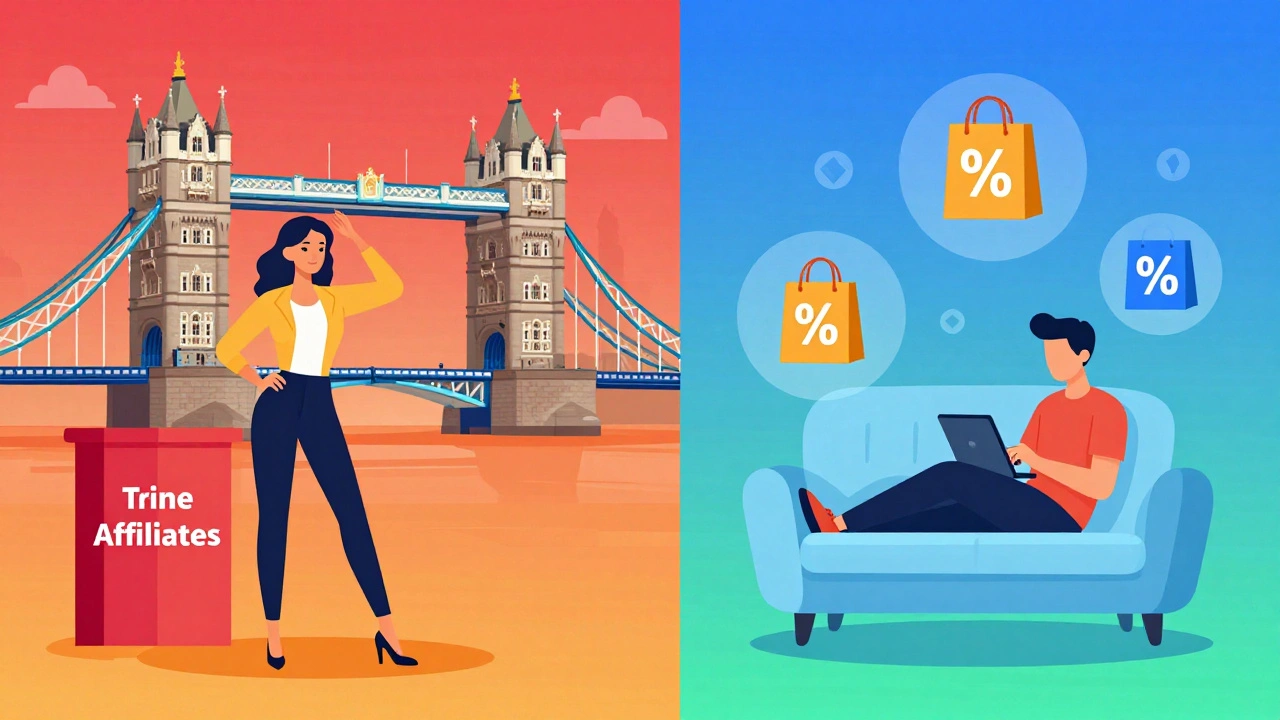
| Feature | Brand Ads (Sponsored Posts) | Affiliate Marketing |
|---|---|---|
| Income Type | One-time fee | Recurring commission |
| Effort Required | High (pitching, negotiating, creating custom content) | Low (once links are set up) |
| Control | Low (brand dictates brief) | High (you choose what to promote) |
| Best For | Building portfolio and quick cash | Passive income and loyal audiences |
| London Relevance | High (local events, pop-ups) | Medium (national/international brands) |
Navigating Legal Requirements in the UK
This is critical. Ignorance is not an excuse. The UK’s Advertising Standards Authority (ASA) enforces strict rules on influencer marketing. Failure to comply can result in fines and damaged reputation.
Disclosure Rules
All commercial endorsements must be clearly identifiable as such.
- Hashtags: Use #ad or #sponsored. These are universally recognized. Avoid vague terms like #partner or #collab unless paired with #ad.
- Placement: The disclosure must be visible without clicking ‘more’. On Instagram, put it in the first two lines of the caption. On TikTok, say it verbally and include it in the text overlay.
- Affiliate Links: Even if you don’t receive a direct payment, if you earn a commission, you must disclose it. Use phrases like “Contains affiliate links” in your bio or near the link.
Contracts
Never start work without a contract. It should outline:
- Deliverables: Number of posts, stories, reels.
- Timeline: When content must be posted.
- Payment Terms: Amount, currency (GBP), and payment schedule (e.g., 50% upfront, 50% upon completion).
- Usage Rights: Can the brand reuse your content? For how long? On which platforms? Charge extra for extended usage rights.
Pro Tips for Maximizing Earnings
To stand out in the London market, go beyond the basics.
Localize Your Content: Brands love hyper-local relevance. Mention specific streets, landmarks, or neighborhoods. A post tagged ‘#ShoreditchEats’ attracts a different audience than generic ‘#LondonFood’. This specificity makes your content more valuable to local businesses.
Engage With Your Audience: Algorithms favor engagement. Reply to comments. Ask questions in your captions. A highly engaged community of 10k Londoners is more valuable to a brand than a passive audience of 100k worldwide.
Diversify Platforms: Don’t rely solely on Instagram. TikTok is huge for younger demographics. YouTube allows for longer-form reviews, which convert well for affiliates. LinkedIn is underrated for B2B or professional services.
Network: Attend industry events in London. Connect with other influencers. Collaboration expands your reach and builds relationships with brands indirectly.
Frequently Asked Questions
How many followers do I need to start monetizing in London?
There is no minimum follower count. Micro-influencers with 5,000-10,000 highly engaged followers can secure deals, especially with local businesses. Focus on engagement rate rather than raw numbers. Brands value authentic connections over vanity metrics.
What is the average pay for a London influencer post?
Rates vary significantly. Micro-influencers might earn £100-£500 per post. Mid-tier influencers (50k-100k) can charge £500-£2,000. Macro-influencers often command £2,000+. Factors like platform, exclusivity, and usage rights affect the price.
Is it illegal to hide sponsored content?
Yes. Under UK law enforced by the ASA, all paid promotions must be clearly disclosed. Hiding #ad in a sea of hashtags or burying it in the comments is a violation. Clear disclosure protects you from legal action and maintains trust with your audience.
Which affiliate programs are best for fashion influencers in the UK?
For fashion, CJ Affiliate and ShareASale are excellent choices. They host major UK retailers like ASOS, Topshop, and John Lewis. Amazon Associates is also good for accessories and everyday items due to high conversion rates.
How do I find brands willing to pay for collaborations?
Use influencer marketing platforms like Aspire, Upfluence, or Heepsy. You can also pitch directly to brands via email or LinkedIn. Building a strong media kit and showcasing past successful campaigns increases your chances of securing paid deals.
Can I use barter deals instead of cash?
You can, but be cautious. Barter deals (product for content) are common early on. However, they don’t scale. Once you establish your value, transition to cash-only deals. Remember, even barter deals require clear #ad disclosure.
What taxes do I pay on influencer income in the UK?
Influencer income is considered self-employment income. You must register with HMRC as self-employed if your earnings exceed £1,000 per year. You’ll pay Income Tax and National Insurance. Keep detailed records of all expenses related to your content creation to reduce your tax liability.