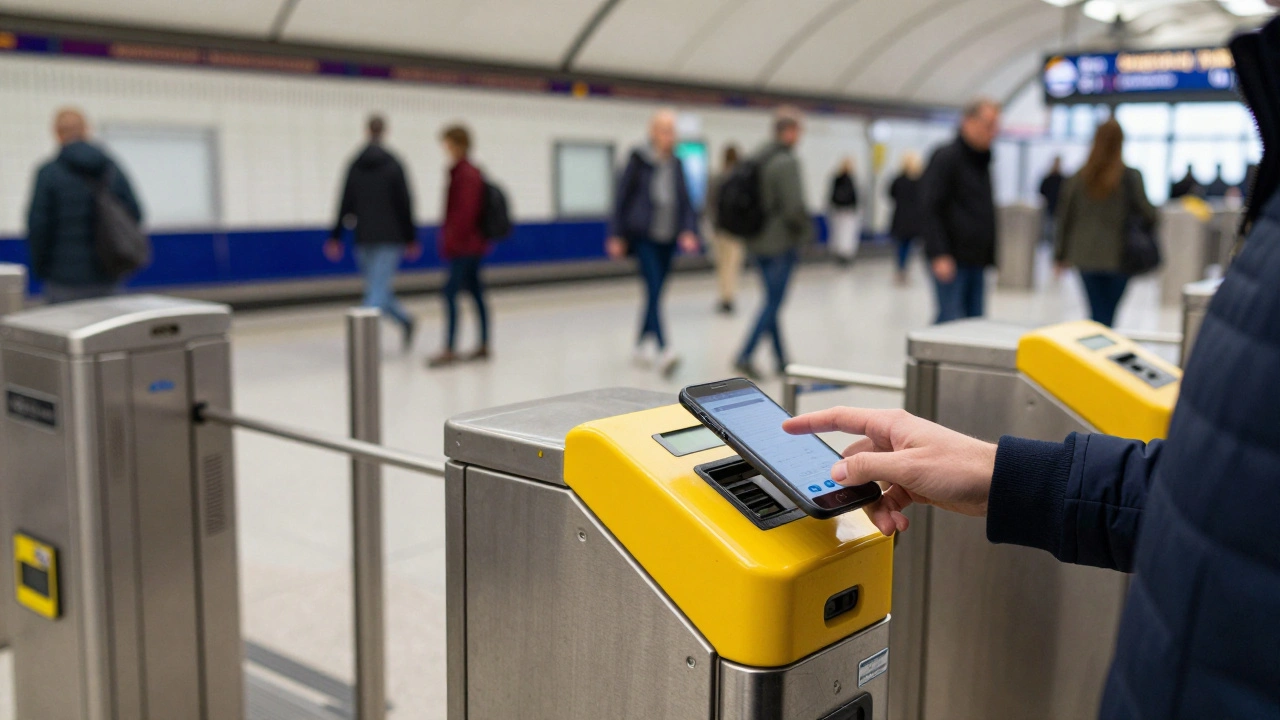
Quick Takeaways for Cheap Travel
- Off-Peak is your best friend; it's cheaper and usually less crowded.
- Daily Caps mean you stop paying after a certain amount, regardless of how many trips you take.
- Contactless (cards or phones) is generally easier and just as cheap as an Oyster card.
- Avoid peak hours (06:30-09:30 and 16:00-19:00) to keep costs down.
The Magic of Daily and Weekly Caps
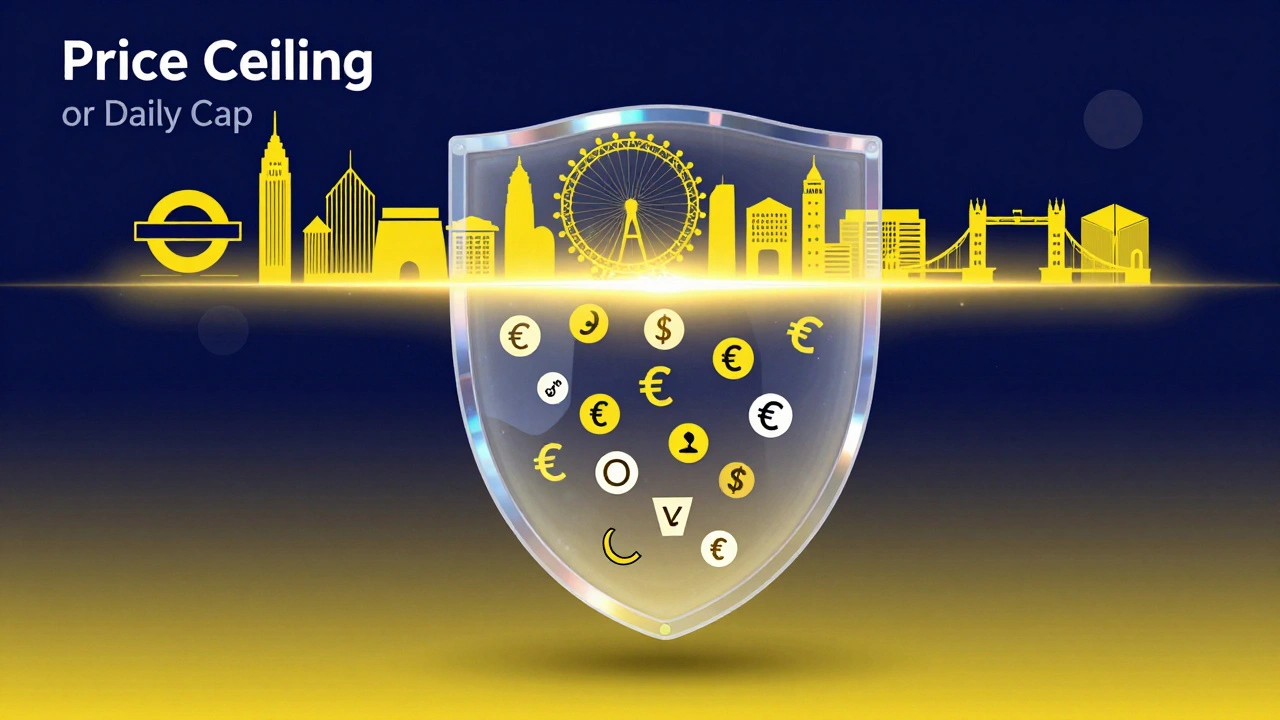
Think of a London transport caps is a price ceiling set by Transport for London that prevents passengers from paying more than a specific amount in a single day or week as a "spending limit" for your commute. Instead of paying for every single trip, the system tracks your spending. Once you hit the cap for your specific travel zones, every subsequent journey that day is free.
For example, if you're bouncing between Zone 1 and Zone 2 all day-visiting a gallery in Soho and then heading to a pub in Shoreditch-you'll eventually hit the daily cap. After that, you could ride the Tube ten more times, and your bank account won't budge. This is far better than buying individual tickets, which is a mistake almost every tourist makes.
The system also handles weekly caps. This is a bit more complex because it runs from Monday to Sunday. If you're staying for a full week, the Oyster card or a contactless payment method will calculate whether a daily cap or a weekly cap is cheaper for you and automatically apply the lowest fare. You don't have to do any manual calculations; the tech handles it behind the scenes.
Mastering Off-Peak Fares
If you want to save money, you need to understand the timing. Off-peak fares are the discounted rates available when the network isn't slammed with commuters. If you travel during these times, your journeys cost significantly less, and you'll hit your daily cap much slower, or potentially save money if you aren't traveling enough to hit the cap anyway.
The peak windows are strict: Monday to Friday, 06:30 to 09:30 and 16:00 to 19:00. Outside of these hours, and all day Saturday, Sunday, and public holidays, you're in the off-peak zone. If you're a tourist, try to plan your big sightseeing trips for 10:00 AM. You'll avoid the sea of stressed office workers and pay a lower fare.
| Feature | Peak Hours | Off-Peak Hours |
|---|---|---|
| Cost | Highest | Reduced/Discounted |
| Crowd Levels | Very High (Rush Hour) | Moderate to Low |
| Availability | Mon-Fri (Specific Windows) | Weekends & Mid-day |
| Cap Impact | Hits cap faster | Hits cap slower |
Contactless vs Oyster: Which One Wins?
You'll often see people debating whether to buy an Oyster card or just use their phone. For 90% of people, contactless payments-using a credit card, debit card, or mobile wallets like Apple Pay and Google Pay-are the way to go.
Why? Because you don't have to worry about "topping up." With an Oyster card, you have to manage a balance. If you run out of money at the gate, you're stuck in a queue at a machine. With contactless, the TfL (Transport for London) system just bills your card.
However, there are a few cases where Oyster is still better. If you're a child (under 11s travel free, but 11-15s can get a Young Visitor Discount), or if you have a Railcard, you can link that Railcard to an Oyster card to get 1/3 off off-peak fares. Contactless doesn't currently support Railcard discounts. If you're a seasoned traveler with a National Railcard, the Oyster card will save you way more money in the long run.
Common Pitfalls and How to Avoid Them
The biggest mistake people make is "card switching." Let's say you use your iPhone for the first two trips of the day, and then you use your physical Visa card for the third trip. The system doesn't know those two devices belong to the same human. It will track two separate spending totals, and you'll never hit the daily cap. You'll end up paying double. Stick to one single device or card for the entire day.
Another trap is the "incomplete journey." In London, you must tap in and tap out. On the Tube, this is mandatory. On buses, you only tap in. If you forget to tap out at the end of a Tube journey, the system doesn't know where you finished. To cover themselves, TfL will charge you the maximum possible fare for that zone. If this happens, you can actually go online to the TfL website and apply for a refund for the overcharge, provided it doesn't happen every single day.
Planning Your Route for Maximum Savings
Not all zones are created equal. Most of the action happens in Zone 1. If you stay within Zone 1, your cap is very low. If you venture out to Heathrow (Zone 6) or Gatwick, the costs jump significantly.
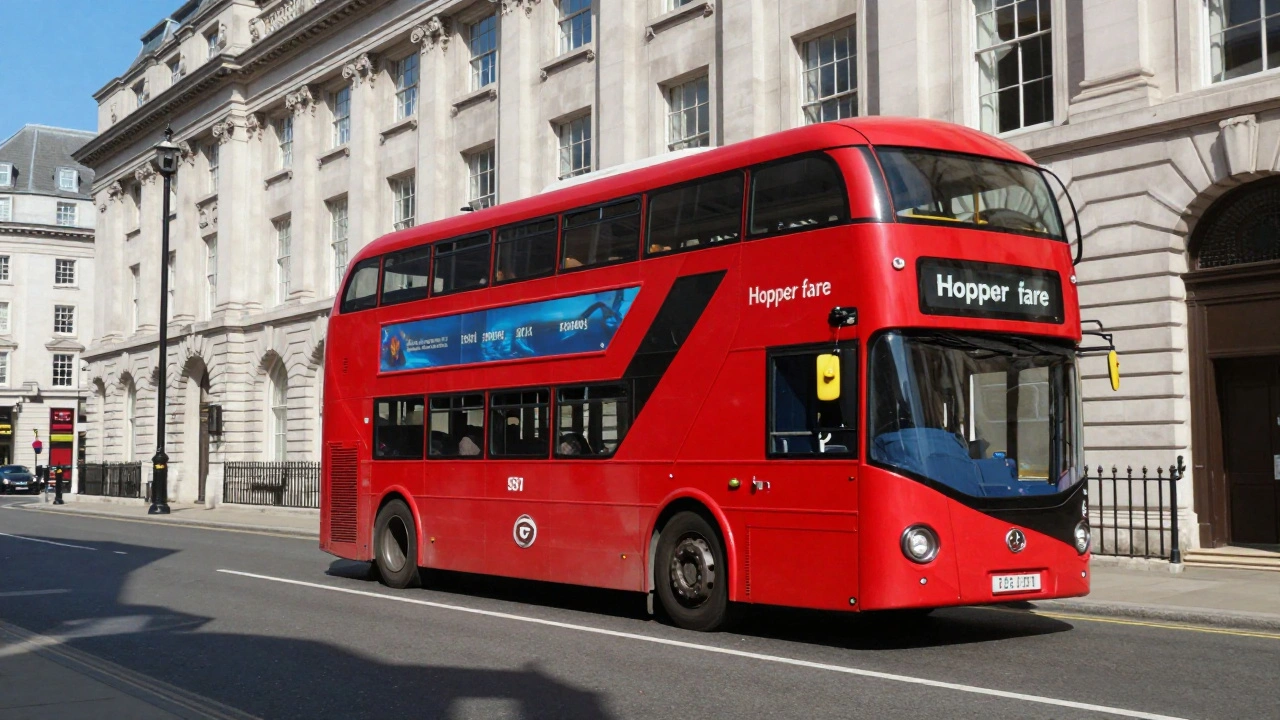
A pro tip: if you're traveling a long distance, check if a bus is a viable option. Buses have a flat fare regardless of the distance. More importantly, they have the "Hopper fare." This means if you take one bus and then transfer to another within one hour, the second bus is free. This is a fantastic way to see the city without spending a fortune on Tube fares.
Summary of the Savings Strategy
- Use a single contactless device to ensure caps are tracked correctly.
- Travel after 09:30 AM on weekdays to access off-peak pricing.
- Let the daily and weekly caps protect you from overspending.
- Use the Hopper fare on buses for short-distance multi-leg trips.
- Link a Railcard to an Oyster card if you qualify for long-term discounts.
Do I need to buy a travelcard for a 3-day trip?
Usually, no. With the daily capping system, you'll automatically pay the cheapest possible rate. A 7-day travelcard is only beneficial if you're staying for a full week and traveling heavily. For 3 days, just use contactless or Oyster.
What happens if I use my phone and then my watch?
The system treats them as two different payment methods, even if they are linked to the same bank account. This means your fares won't be capped together. To save money, pick one and stay with it for the whole day.
Is the Tube cheaper on weekends?
Yes, because all weekend travel is considered off-peak. You'll pay lower fares per journey and the daily caps are often lower or easier to hit than during the peak weekday rush.
Can I use a foreign credit card for contactless?
Yes, as long as the card has the contactless symbol (the four curved lines). However, be aware that your bank might charge a foreign transaction fee. Check with your bank first or use a travel-friendly card to avoid these extra costs.
What is the 'Hopper fare' on buses?
The Hopper fare allows you to make unlimited bus or tram journeys within one hour of starting your first trip, for the price of a single fare. You just tap your card on every bus you board.