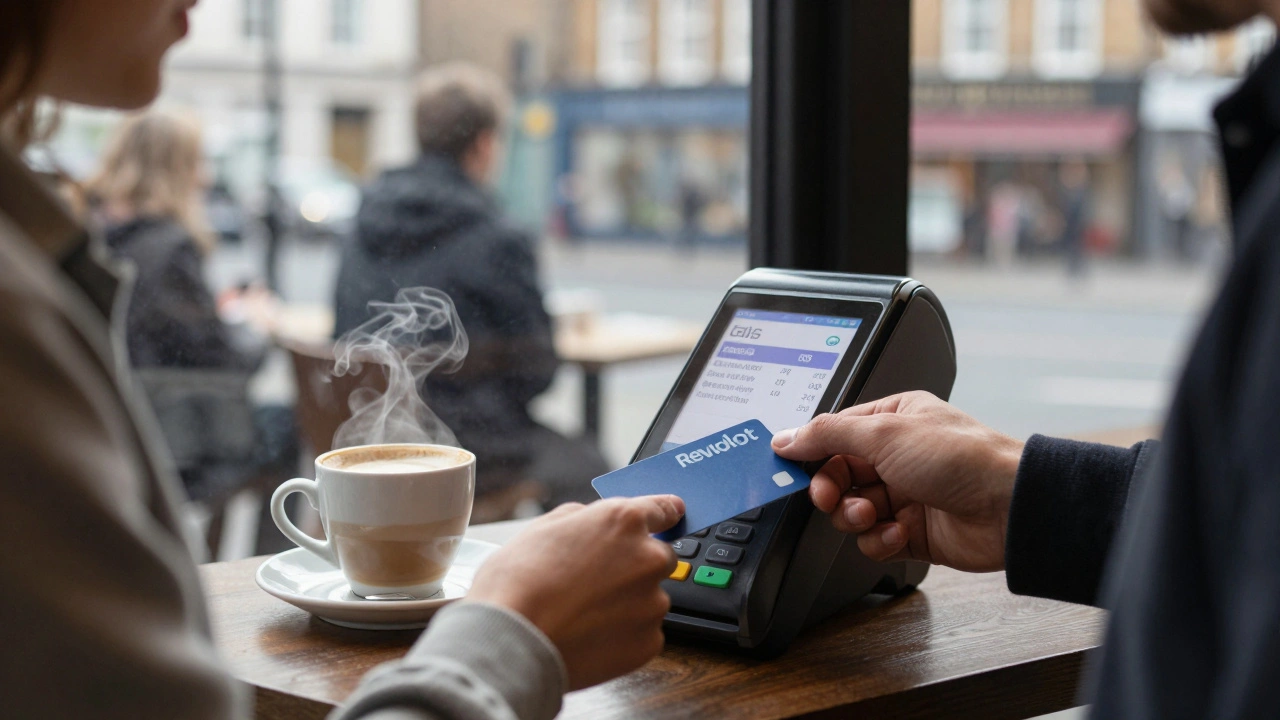
When you land in London, your first real question isn’t about the Tube or the Big Ben-it’s how to pay without getting nickel-and-dimed by hidden fees. You’ve heard the warnings: ‘Don’t use ATMs,’ ‘Watch out for dynamic currency conversion,’ ‘Your bank will charge you.’ And you’re right to be nervous. In 2025, London still runs on cards, but cash hasn’t disappeared-and using either wrong can cost you £10, £20, even £50 on a short trip.
Card Payments Are Usually Cheaper-If You Do It Right
Most travelers assume cash is cheaper because it’s ‘real money.’ But in London, that’s backwards. If you use a debit or credit card that doesn’t charge foreign transaction fees, you’ll almost always get a better rate than cash. Visa and Mastercard exchange rates are typically 1-2% better than what you’d get at a currency exchange booth or ATM.
But here’s the catch: not all cards are created equal. If your bank charges 3% per foreign transaction, you’re losing money before you even tap. That’s why travelers who avoid fees use cards like Revolut, Monzo, or Starling Bank. These UK-based digital banks offer zero foreign transaction fees and use the real mid-market rate. Even if you’re not a UK resident, you can open one with a passport and proof of address from home.
When you pay with a card in London, always choose to be charged in GBP-not your home currency. That’s called Dynamic Currency Conversion (DCC). It sounds helpful-‘See how much it costs in dollars!’-but it’s a trap. The merchant or ATM operator sets the rate, and it’s usually 5-8% worse than the Visa/Mastercard rate. Always say ‘No’ when asked if you want to pay in your home currency.
ATMs Are Fine-If You Know Which Ones to Use
You don’t need to avoid ATMs entirely. In fact, using a UK ATM with a fee-free card is often the cheapest way to get cash. But you must pick the right machine.
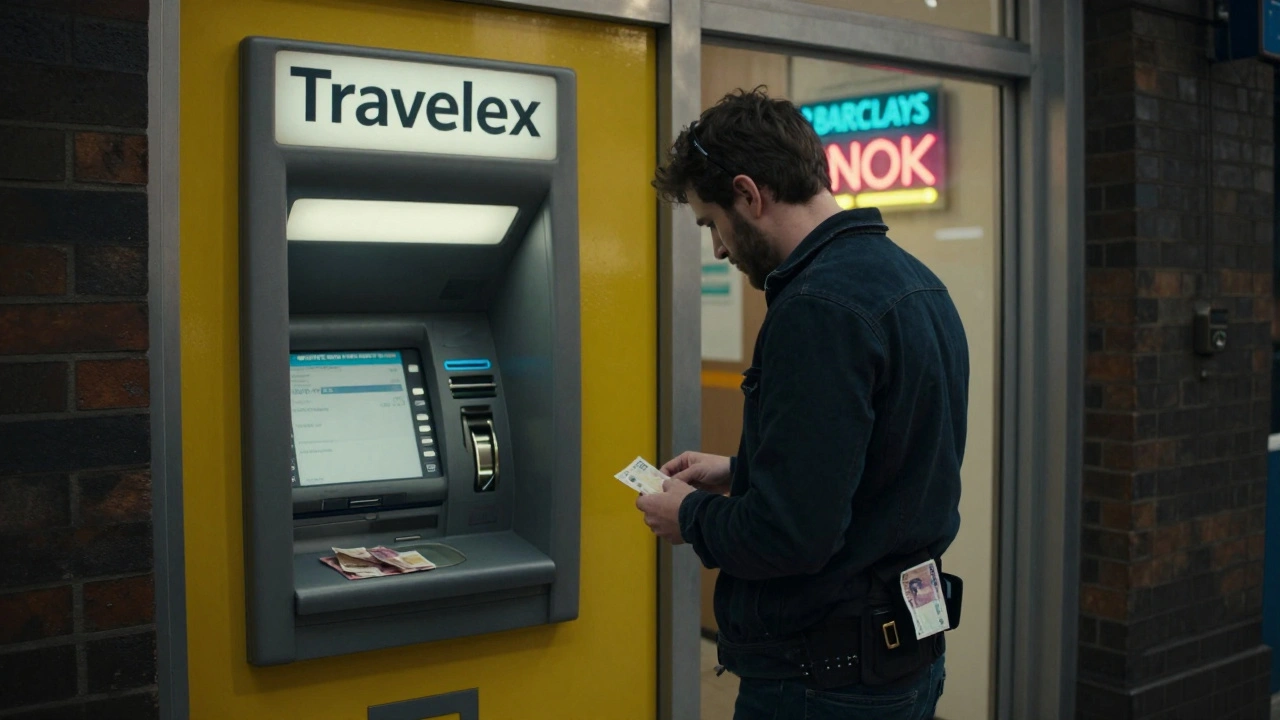
Never use ATMs inside tourist spots like Heathrow Airport, train stations, or near major landmarks. Those are run by private companies like Travelex or ICE, and they charge up to £5.50 per withdrawal-plus a terrible exchange rate. You could end up paying 15% extra just to get £100 in cash.
Instead, use ATMs from major UK banks: Barclays, HSBC, Lloyds, NatWest. These are free for customers of partner banks and usually charge no fee if you’re using a fee-free card like Revolut. Look for the bank’s logo on the machine, not a bright yellow or red ‘cash’ sign. The safest bet? Walk into a bank branch and use the ATM inside. Even if you’re not a customer, you can still use it.
Pro tip: Withdraw larger amounts less often. If you need £200, take it out in one go instead of two £100 withdrawals. Most fee-based ATMs charge per transaction, not per pound.
Cash Still Matters-But Only for Small Things
London is mostly cashless. You can pay for coffee, bus rides, museum tickets, and even street food with a card. But there are exceptions:
- Some small market stalls (like Borough Market or Camden Market) prefer cash.
- Tip jars at pubs and cafes often don’t have card readers.
- Pay-and-display parking machines in older neighborhoods may only take coins.
- Some charity boxes and buskers still rely on cash.
You don’t need to carry £200 in cash. £50-£100 is plenty. Keep it in a small, secure money belt or hidden pocket. Don’t walk around with a wad of notes-it makes you a target.
And here’s something most guides don’t tell you: if you have leftover GBP after your trip, don’t try to exchange it back at the airport. You’ll lose 10-20%. Instead, spend it on a last-minute souvenir, donate it to a charity box, or keep it for your next trip. London’s public transport tickets don’t expire, so you can even hold onto your Oyster card and top it up next time.
Prepaid Travel Cards? Skip Them.
You’ve seen ads for ‘travel cards’ that lock in exchange rates. They sound smart. But they’re not. Most prepaid cards charge high fees to load money, withdraw cash, or even check your balance. Some have monthly maintenance fees. Others don’t let you reload without a UK bank account.
Even the big names like Revolut and Wise (formerly TransferWise) used to offer physical prepaid cards. Now, they’ve moved to digital-only. Why? Because the old cards had hidden costs. If you still have one, check the fee schedule. You’re probably paying more than you think.
Stick to your digital bank app. It’s free, real-time, and lets you lock in rates when they’re good. You can even freeze your card if it’s lost-no calling customer service, no waiting hours.
What About Credit Cards?
Credit cards are fine for big purchases-hotels, flights, train tickets. But avoid using them to withdraw cash. That’s called a cash advance, and it comes with interest from day one, plus a fee of 3-5%. Even if your card says ‘no foreign transaction fees,’ cash advances are a separate, expensive category.
Also, check if your credit card has chip-and-PIN. Most UK terminals don’t accept signatures anymore. If your card only has a magnetic strip or requires a signature, it might not work at automated ticket machines or smaller shops. If you’re unsure, ask your bank for a chip-and-PIN card before you leave.
Real-Life Example: A 5-Day Trip
Let’s say you’re in London for five days. You spend £300 on food, £150 on transport, £200 on attractions, and £100 on small purchases.
Wrong way: You withdraw £800 in cash from an airport ATM. You pay £5 per withdrawal (four times = £20), plus a 4% bad exchange rate. You also use your credit card for everything else, which charges 3% per transaction. Total extra fees: £120.
Right way: You use a Revolut card for all card payments. You withdraw £100 in cash from a Barclays ATM once-no fee. You pay in GBP every time. You spend £15 on tips and small stalls. Total extra fees: £0.
The difference? £120. That’s a round-trip train ticket to Oxford, or three nights in a decent hotel.
What to Do If You Run Out of Cash or Your Card Gets Blocked
Things happen. Your card gets declined. Your phone dies. You need £20 for a bus.
First, don’t panic. London has hundreds of 24-hour convenience stores. Look for Tesco Express, Sainsbury’s Local, or Co-op. Most have ATMs inside that are connected to UK bank networks. They’re cheaper than airport machines.
If you have a friend or roommate who’s local, ask them to send you money via PayPal or Wise. It’s instant, low-cost, and you can withdraw it from any ATM with a compatible card.
As a last resort, visit a post office. Some branches offer cash withdrawal services if you have a UK-issued card or a prepaid card linked to a UK account. You’ll need ID, but it’s a backup option.
Final Rule: The 80/20 Payment Rule
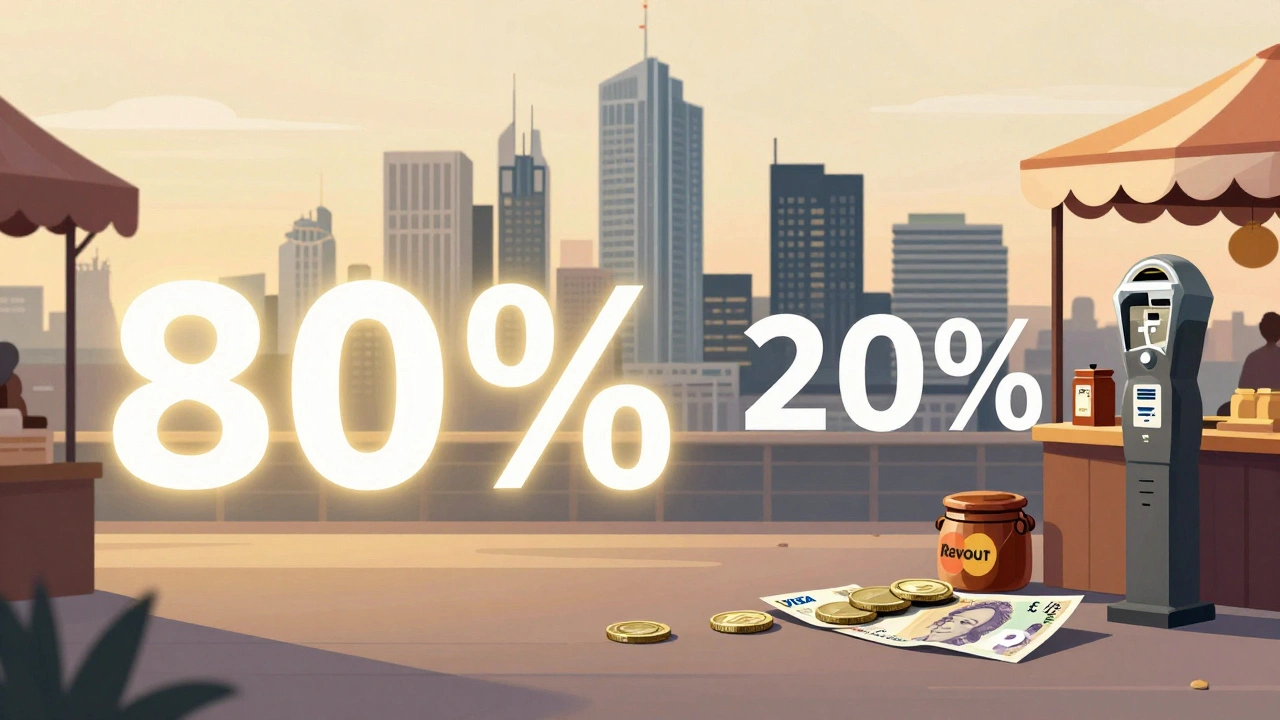
Here’s the simplest way to remember it: Use your card for 80% of spending. Use cash for 20%.
Card for hotels, museums, restaurants, transport. Cash for tips, market stalls, parking meters, and small shops that don’t take cards. That’s it.
And always, always choose GBP. Never let them convert it for you. That one habit alone will save you hundreds over a lifetime of travel.
London isn’t trying to trick you. But the system is designed to make you pay more if you don’t know how it works. Once you do, you’ll wonder why everyone else is overpaying.
Should I use cash or card in London?
Use your card for most things-it’s cheaper and safer. Use cash only for small, cash-only spots like market stalls, tips, or parking meters. Avoid carrying large amounts of cash.
Are ATMs in London safe to use?
Yes, but only if you use ATMs from major banks like Barclays, HSBC, or NatWest. Avoid machines in airports, train stations, or tourist areas-they charge high fees and give bad exchange rates.
What’s the best card to use in London?
Use a fee-free debit card like Revolut, Monzo, or Starling Bank. They use the real exchange rate and charge no foreign transaction fees. Avoid cards that charge 3% per transaction.
Should I buy pounds before I travel?
No. Exchange rates at home are usually worse than what you’ll get in London. Wait until you arrive and use a fee-free card or a bank ATM.
Can I use my US credit card in London?
Yes, if it has a chip and supports PIN entry. Most places in London don’t accept signature-based cards anymore. Avoid using it for cash advances-they come with high interest and fees.
What happens if my card gets blocked?
Call your bank immediately. Most banks have 24/7 international support. In the meantime, use a local ATM from a major bank or visit a post office that offers cash withdrawal services with ID.
What to Do Next
Before you leave:
- Check your current card’s foreign transaction fees. If it’s over 1%, switch to a fee-free card.
- Download your digital bank app and set up your card before you fly.
- Carry only £50-£100 in cash for emergencies and small purchases.
- Turn off Dynamic Currency Conversion on your card if your bank allows it.
- Know where the nearest Barclays or HSBC ATM is at your hotel or airport terminal.
London doesn’t reward the careless. But if you know the rules, you’ll pay less, stress less, and enjoy more. And that’s the whole point of traveling.