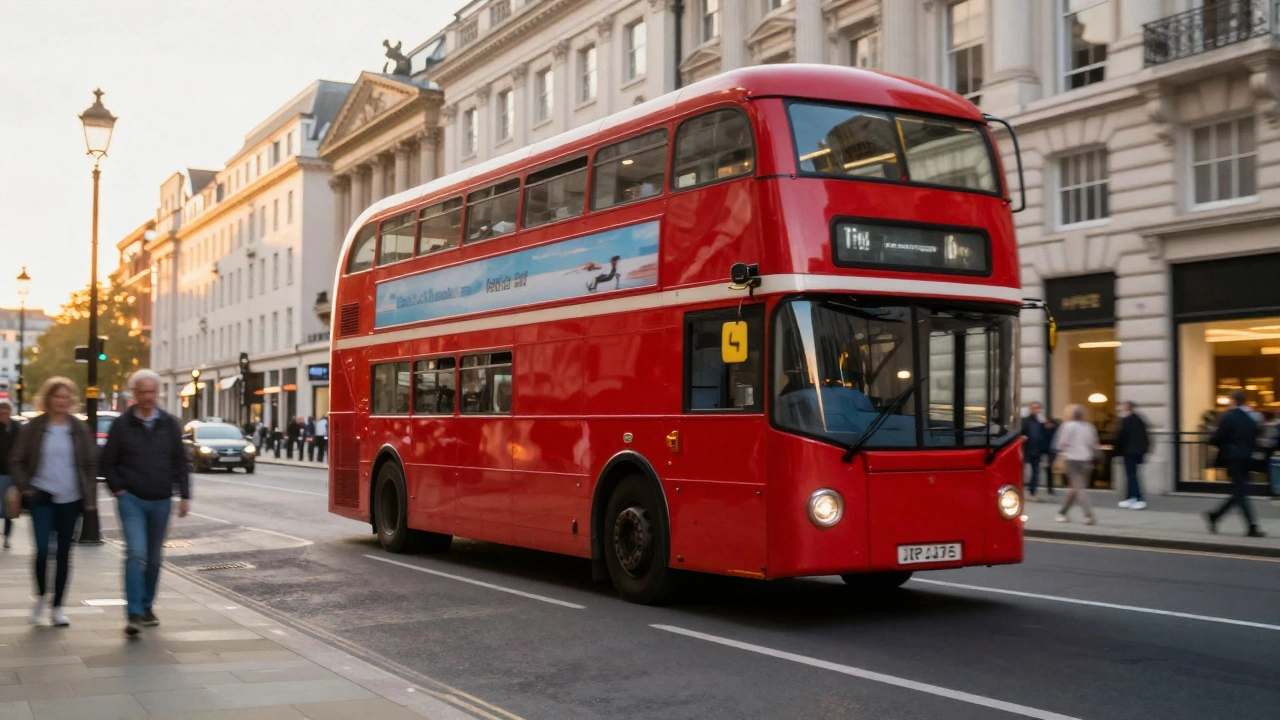
Standing on a corner in central London, watching a double-decker rumble past, is one of the city’s most iconic experiences. But for many visitors, that red bus represents more than just a photo op-it’s the key to getting around without spending a fortune on the Tube or black cabs. You don’t need to be a local to master the system, but you do need to know how it works. The London bus network is the largest bus system in Europe, operating over 870 routes and carrying millions of passengers daily. It connects neighborhoods, landmarks, and hidden gems that trains simply can’t reach.
If you’ve ever tried to navigate the Underground during rush hour, you know why buses are often a smarter choice. They’re cheaper, they let you see the city as you move, and they stop far more frequently. This guide breaks down everything you need to know about riding London buses in 2026, from paying fares to finding the best scenic routes.
How to Pay for London Buses in 2026
The first thing you need to understand is that cash is dead on London buses. You cannot pay the driver with coins or bills. The system has moved entirely to digital payments, which makes things faster but requires a bit of preparation before your first ride.
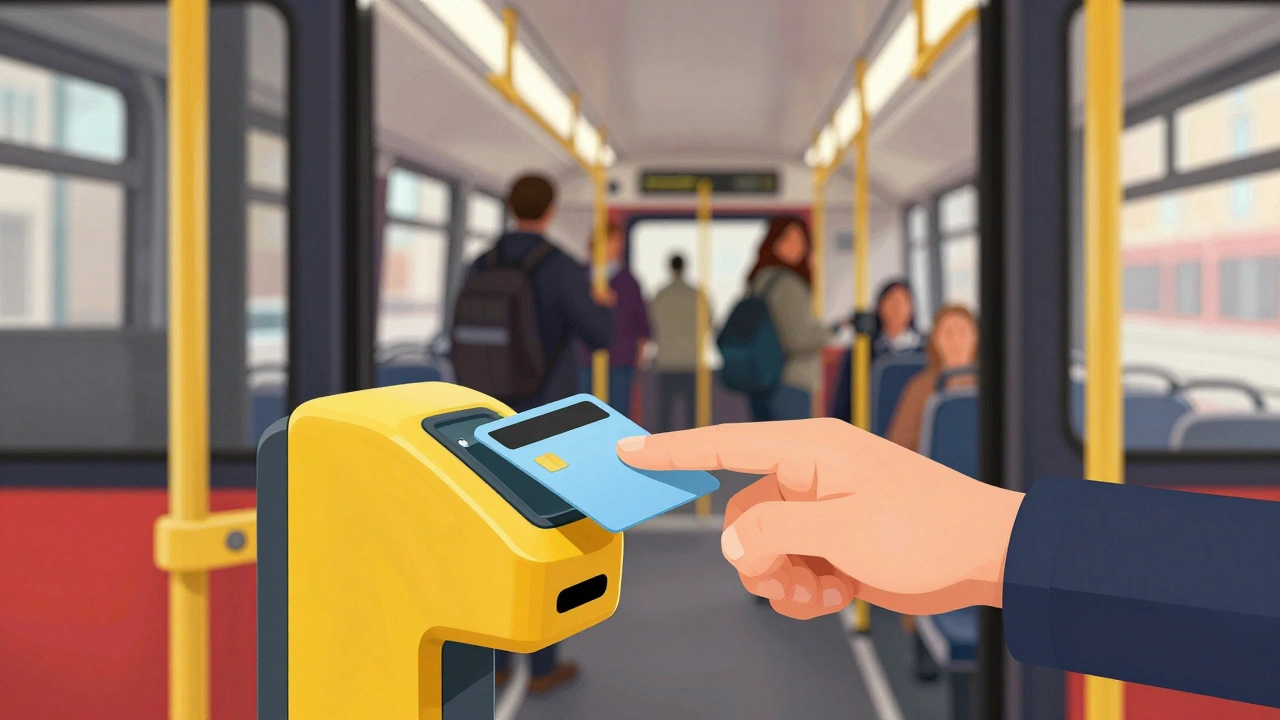
Your best option is using a contactless bank card or smartphone payment. Simply tap your card or phone against the yellow reader when you board. There is no need to tap out when you leave; the fare is fixed regardless of distance. As of 2026, the single bus fare is £1.75. This price applies whether you travel one stop or fifty.
If you plan to use public transport heavily, consider the Daily Cap. Once your total spend across all TfL services (buses, tubes, trains) reaches £8.90 in a single day, you pay nothing more for the rest of that day. This cap resets at 4:30 AM every morning. For longer stays, a Visitor Oyster Card offers similar benefits and can be pre-loaded online before you arrive, saving you queue time at ticket machines.
- Contactless Bank Card: Tap in only. Best for casual users.
- Oyster Card: Pre-paid smart card. Good for avoiding foreign transaction fees if your bank charges them.
- Apple Pay / Google Pay: Works exactly like a physical contactless card.
- Cash: Not accepted on any London bus.
A common mistake tourists make is tapping twice by accident. If you have two cards or a phone and a watch, ensure only one device taps the reader. Double taps can trigger error messages or duplicate charges, though TfL usually refunds these automatically within seven days.
Navigating Daytime Routes and Key Hubs
London’s daytime bus network is dense. Almost every street in central London has a bus stop within walking distance. The challenge isn’t finding a bus; it’s knowing which one takes you where you want to go. The Transport for London (TfL) app is your best friend here. It provides real-time arrival data, so you never stand waiting in the rain wondering if the number 11 is coming or not.
Several routes act as major arteries for tourists. The Route 11 runs from Tower Hill to Oxford Circus, passing the British Museum and Soho. It’s crowded but reliable. The Route 15 connects Green Park to Clapham Common, offering a glimpse into residential south London while starting near Buckingham Palace. For those staying near Victoria Station, the Route 19 heads north toward Hampstead Heath, a beautiful park perfect for a picnic.
Remember that buses run clockwise or counter-clockwise around circular routes. These are marked with an 'C' for clockwise or 'CL' for counter-clockwise after the number. Getting this wrong means traveling the entire loop in the opposite direction, adding significant time to your journey. Always check the destination display on the front of the bus before boarding.
Riding the Night Bus Network
When the Underground closes between midnight and 5:00 AM, London doesn’t stop moving. The Night Bus network kicks in, providing essential connectivity for late-night workers, party-goers, and early risers. These services are easy to spot: their route numbers start with an 'N', such as N11, N15, or N29.
Night buses operate on slightly different schedules than daytime routes. Most run every 10 to 30 minutes depending on the location. Central London routes are frequent, while outer borough services may take up to an hour between arrivals. The fare structure remains the same: £1.75 per ride, subject to the daily cap. However, be aware that the daily cap does not carry over from the previous evening. A new day starts at 4:30 AM, so a late-night trip might count toward the next day’s cap.
Safety is a primary concern for many travelers. Night buses are generally safe, especially in central areas, but they can feel empty outside the city center. Sit near the driver if possible, keep valuables concealed, and stay alert. TfL has increased CCTV coverage and staff presence on night services in recent years, making them more secure than in the past. If you feel uncomfortable, there is an emergency alarm button inside every bus.
One pro tip: Night buses often follow similar paths to their daytime counterparts but may skip certain stops due to low demand or road closures. Always verify your stop using the TfL Go app rather than relying on memory from a daytime ride.
Top Scenic Bus Journeys
Buses aren’t just for commuting; they’re excellent sightseeing tools. Unlike open-top tour buses that charge premium prices and stick to rigid scripts, regular London buses offer authentic views at a fraction of the cost. Here are three standout routes for scenic enjoyment.
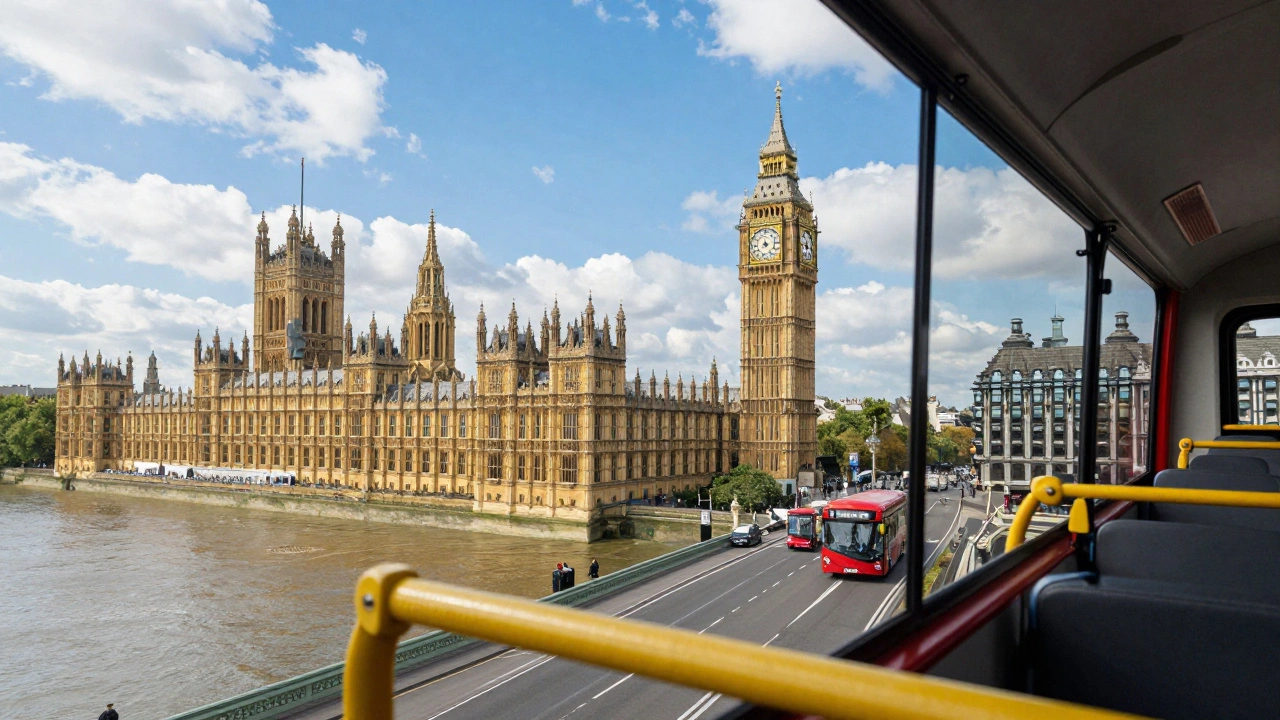
The Route 38 is arguably the most famous tourist-friendly bus. It travels from Westminster to Finsbury Park, passing Big Ben, the Houses of Parliament, Trafalgar Square, Covent Garden, and King’s Cross St Pancras International. Riding this route gives you a chronological tour of London’s history. Board at Westminster Bridge and sit on the upper deck, right-hand side, for the best views of the Thames and historic architecture.
For green spaces, try the Route 29. It links Camden Town with Elephant and Castle, weaving through Regent’s Park, Primrose Hill, and Kennington. This route showcases London’s love affair with nature, stopping near some of the city’s most beloved parks. It’s particularly beautiful in spring when cherry blossoms bloom along the streets.
If you want modern architecture mixed with tradition, take the Route 176 from Victoria to Shoreditch. You’ll pass the Shard, Tate Modern, and the colorful street art scene of Brick Lane. This route captures the contrast between old London and its vibrant, creative underbelly.
| Route Number | Start Point | End Point | Key Attractions | Best For |
|---|---|---|---|---|
| 38 | Westminster | Finsbury Park | Big Ben, Trafalgar Square, Covent Garden | First-time visitors |
| 29 | Camden Town | Elephant & Castle | Regent's Park, Primrose Hill | Park lovers |
| 176 | Victoria | Shoreditch | The Shard, Brick Lane, Tate Modern | Modern culture seekers |
Tips for a Smooth Ride
Riding a London bus efficiently comes down to preparation and awareness. First, always aim for the upper deck. Not only does it offer better views, but it also tends to be less crowded than the lower level, which fills quickly with commuters heading straight to work. Seats near the front provide stability and easier access if you’re exiting soon.
Second, learn to read the electronic displays. Each stop has a small screen showing incoming buses and their destinations. Look for the number you need and confirm the final destination matches your intended direction. Misreading a sign can lead to unpleasant surprises.
Third, signal your stop early. Pull the cord or press the button as soon as you see your next stop approaching. Drivers won’t wait if you hesitate until the last second. In busy traffic, missing your cue means another twenty-minute wait.
Finally, respect local etiquette. Keep noise levels low, avoid blocking aisles with large bags, and give up priority seating to elderly or disabled passengers. Londoners appreciate courtesy, and following these norms ensures a pleasant experience for everyone aboard.
Common Mistakes to Avoid
Even seasoned travelers make errors when navigating unfamiliar transit systems. One frequent blunder is assuming all buses accept credit cards directly from wallets. While contactless works, inserting a chip-and-PIN card into the reader will fail. Only tap flat contactless cards or phones.
Another issue arises from ignoring peak hours. Between 7:00-9:00 AM and 5:00-7:00 PM, buses become packed beyond capacity. If you value comfort, plan trips outside these windows. Alternatively, embrace the squeeze-it’s part of the London experience.
Don’t forget that Sunday timetables differ significantly from weekdays. Some routes reduce frequency, while others add special excursions. Check the TfL website or app before setting out on weekends to avoid long waits.
Can I buy a bus ticket on the bus?
No, you cannot purchase tickets onboard London buses. All payments must be made via contactless bank card, smartphone payment, or pre-loaded Oyster Card upon entry. Cash is not accepted.
Do I need to tap out when leaving the bus?
No, tapping out is unnecessary for bus travel. The fare is a flat rate of £1.75 regardless of distance traveled. Simply tap in when boarding.
Are night buses safe for tourists?
Yes, night buses are generally safe, particularly in central London. To enhance security, sit near the driver, keep belongings secure, and remain aware of your surroundings. Emergency alarms are available inside each vehicle.
What happens if I accidentally tap my card twice?
If you tap twice, the system may register two separate journeys. Contact TfL customer service within seven days, and they will typically refund the duplicate charge automatically.
Is there a discount for multiple bus rides in one day?
Yes, the Daily Cap limits your total spending to £8.90 per day across all TfL services, including buses, tubes, and trains. After reaching this limit, further travel is free until 4:30 AM the next morning.