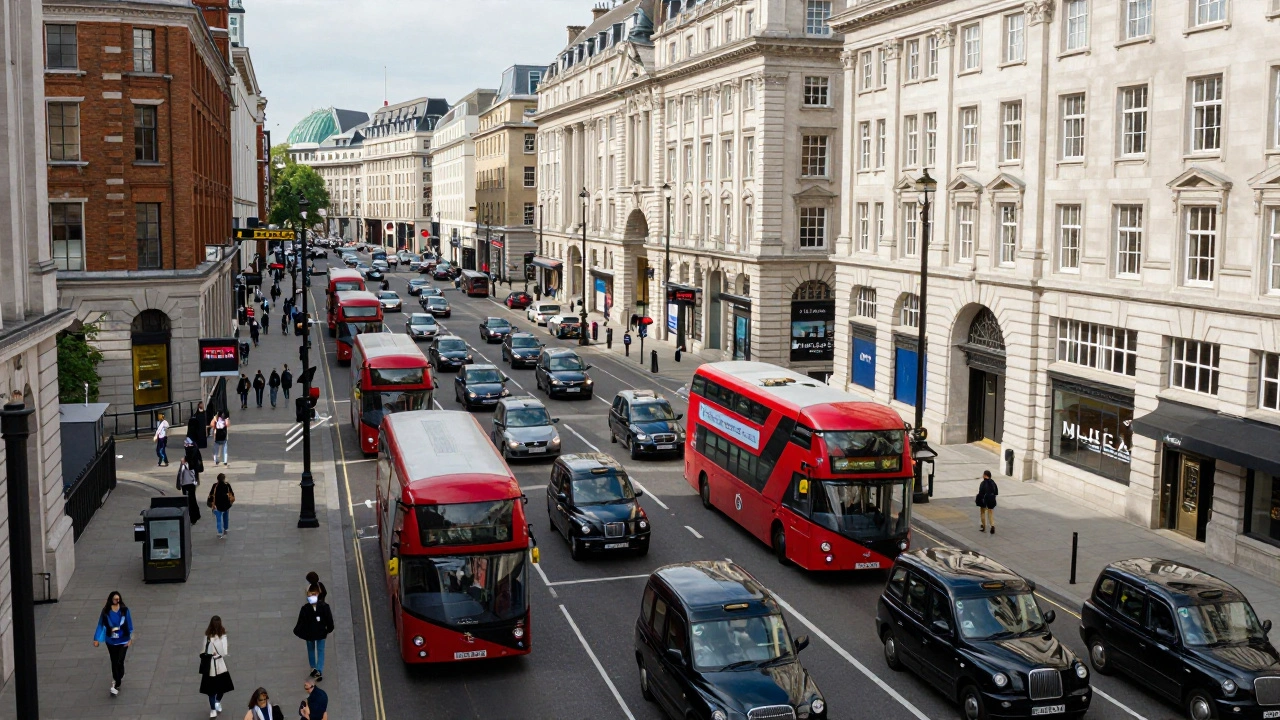
Driving into central London is a bit like entering a gated community, except the gate is invisible and the membership fee is mandatory for most. If you've ever seen those digital signs on the A1 or M4 warning you about the Congestion Charge Zone (CCZ), you know it's not just a suggestion. It's a daily fee designed to keep the heart of the city from becoming one giant parking lot. If you ignore it, you're looking at a penalty charge that can easily cost you more than a decent hotel room for a night.
Quick Summary: The Essentials
- What it is: A daily fee for driving within a specific area of central London.
- Cost: Currently £15 per day (if paid in advance or on the day).
- Hours: Monday to Friday (07:00-18:00) and Saturday, Sunday, and bank holidays (12:00-18:00).
- Payment: Done online via the TfL website or mobile app.
- Avoidance: Use the Tube or buses to skip the fee entirely.
Where exactly is the Charge Zone?
The Congestion Charge isn't a blanket rule for the whole city. It covers a specific area in central London, roughly bounded by the North Circular and South Circular roads, but it's much tighter than that. Think of it as the "tourist core"-if you're heading to Covent Garden, the British Museum, or the South Bank, you're likely entering the zone.
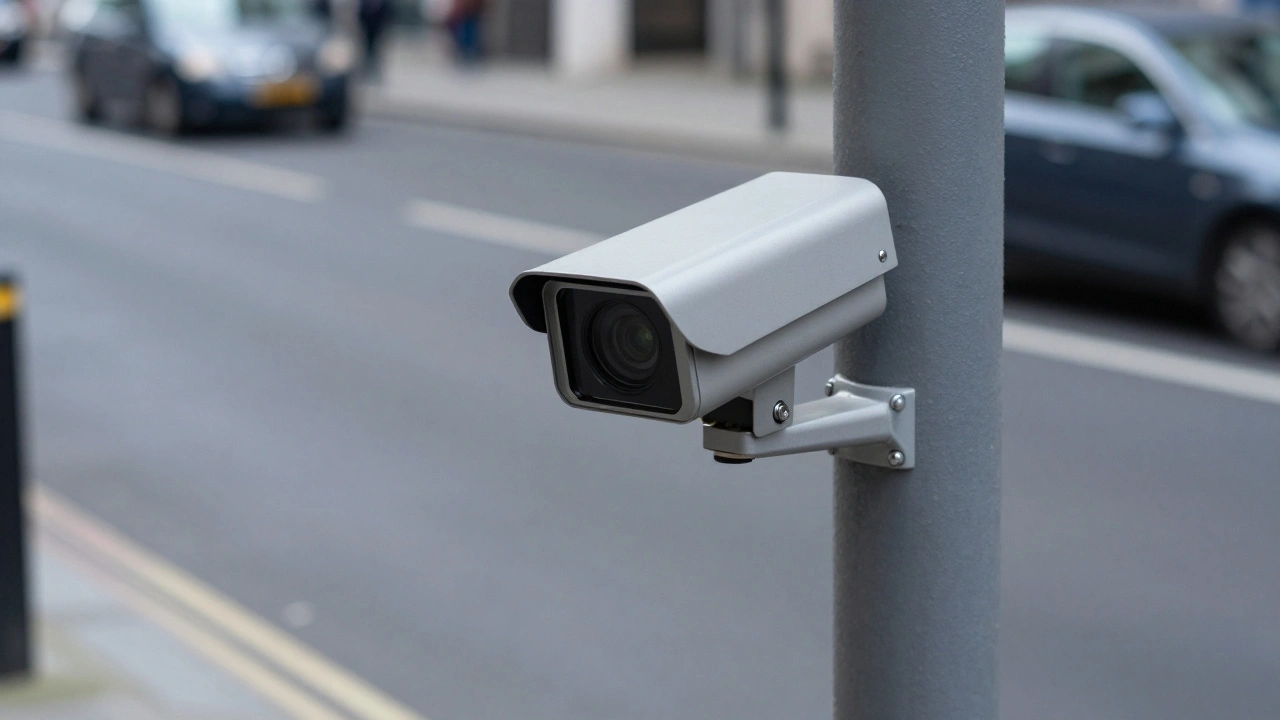
The boundaries are strictly monitored by Automatic Number Plate Recognition (ANPR) cameras. These cameras are everywhere. They don't just sit at the main entrances; they're tucked into side streets and intersections. If your plate is scanned and you haven't paid, the system triggers a Penalty Charge Notice (PCN) automatically. There is no "I didn't see the sign" excuse that works with a camera.
How the Pricing and Payment Work
For most drivers, the daily charge is £15. This isn't a "per trip" fee; it's a daily rate. You can drive in and out of the zone ten times in one day, and you still only pay £15. However, if you enter the zone at 5:00 PM on Tuesday and again at 8:00 AM on Wednesday, that's two separate days, and you'll owe £30.
The easiest way to handle this is through the Transport for London (TfL) app. You can set up an "Auto Pay" account, which is a lifesaver if you're a frequent visitor. Instead of manually paying every time, TfL just bills your registered card when the cameras spot you. If you prefer the manual route, you have until midnight the day after you drove to pay the fee. If you miss that window, the fine is significantly higher than the original charge.
| Scenario | Charge Amount | Timing / Condition |
|---|---|---|
| Standard Daily Entry | £15 | Paid by midnight the following day |
| Auto Pay User | £15 | Automatic billing per day of entry |
| Unpaid Entry (Fine) | £180 (or 50% if paid early) | Failure to pay within the grace period |
Who gets a free pass?
Not everyone has to pay. There are several exemptions that can save you some cash. The most common is for Electric Vehicles, though you should check the latest rules as the "Cleaner Vehicle Discount" has been evolving. Many fully electric cars previously had a discount, but TfL is gradually tightening these rules to encourage public transport over private cars, regardless of the engine type.
Other exemptions include:
- Blue Badge holders (for people with disabilities).
- Registered residents within the zone (though they often have to pay for guests).
- Emergency vehicles and some official government transport.
If you qualify for an exemption, don't just assume the camera knows who you are. You have to register your vehicle with TfL in advance to avoid getting a ticket in the mail.
Congestion Charge vs. ULEZ: Don't Get Confused
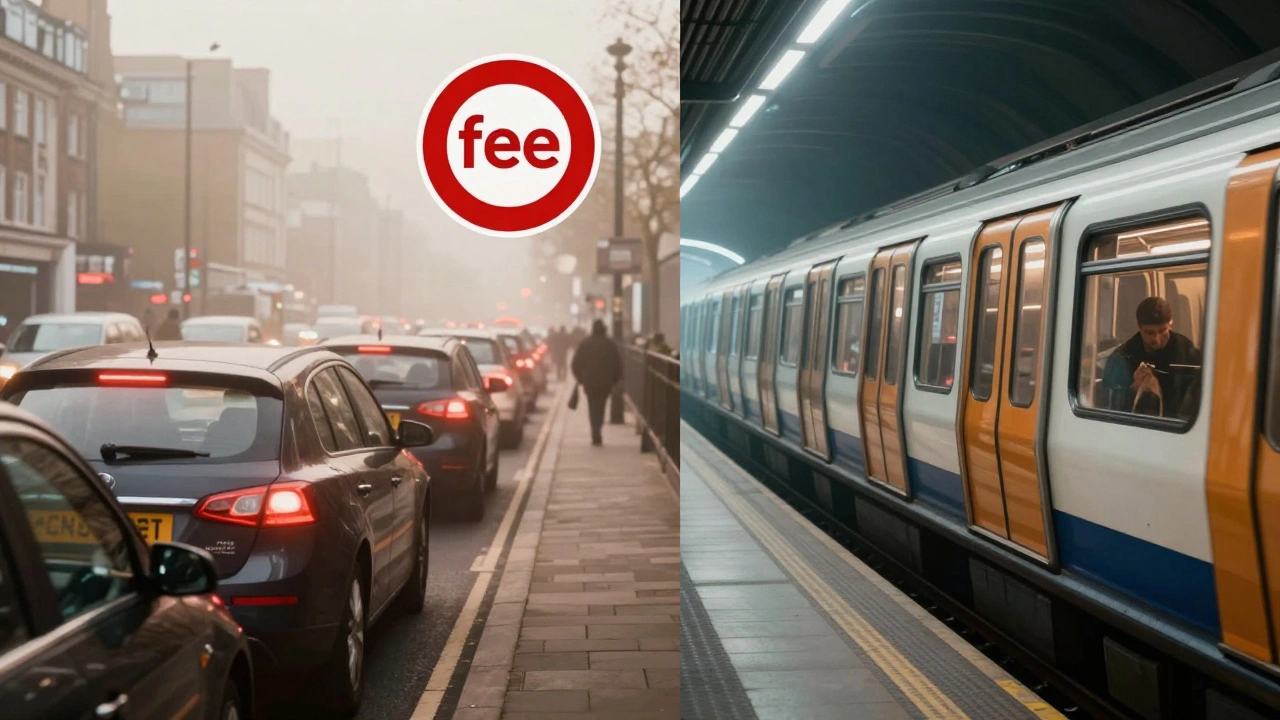
This is where most people trip up. The Congestion Charge and the Ultra Low Emission Zone (ULEZ) are two different things, even though they overlap in the center of the city. The Congestion Charge is about traffic volume; the ULEZ is about pollution.
The ULEZ covers a massive portion of Greater London, far beyond the small CCZ. If your car is old and doesn't meet specific emission standards (usually Euro 4 for petrol and Euro 6 for diesel), you have to pay a separate ULEZ fee. If you're driving an old diesel car into the heart of London, you might find yourself paying both the £15 Congestion Charge and the ULEZ daily fee. That's a pricey day out.
To keep it simple: the CCZ is a "where you are" charge, while ULEZ is a "what you're driving" charge. You can be in the ULEZ and not be in the CCZ, but if you are in the CCZ, you are definitely in the ULEZ.
Pro Tips for Avoiding the Fee
If you're not tied to your car, the best way to handle the Congestion Charge is to avoid it entirely. London's public transport is world-class for a reason. Park your car at a "Park and Ride" lot on the outskirts of the city and take the London Underground (the Tube) or the Overground into the center. It's faster, cheaper, and you don't have to spend an hour circling a parking garage that costs £10 per hour.
If you absolutely must drive, plan your timing. The charge doesn't apply on weekends before noon. If you're visiting a museum on a Saturday morning, you can drive into the zone at 10:00 AM, do your sightseeing, and as long as you exit before the charging window starts at 12:00 PM, you're in the clear. Just don't forget the time, or you'll be paying for the privilege of being stuck in traffic.
Common Pitfalls to Avoid
A common mistake is thinking that a "Day Pass" covers everything. Remember, the Congestion Charge is specifically for the zone. It doesn't cover parking, and it doesn't cover the ULEZ if your car is a gas-guzzler. Another trap is the "boundary creep." Some GPS apps might suggest a route that clips the edge of the zone to save two minutes of time. If that route takes you across a camera line, you've just spent £15 to save 120 seconds.
Always double-check your registration on the TfL website. A single typo in your license plate number when paying online is enough to trigger a fine. The system is automated and heartless; it doesn't care if you tried to pay but missed a digit.
Do I have to pay the Congestion Charge if I'm just passing through?
Yes. If your vehicle enters the zone during the charging hours, you must pay, regardless of whether you are staying for an hour or just cutting through for five minutes. The cameras record the entry, and the fee is triggered immediately.
Can I pay the fee in cash at a booth?
No. There are no payment booths. You must pay online via the TfL website, the TfL app, or via a phone payment service. Paying in advance or on the day of travel is the only way to avoid penalties.
What happens if I forget to pay?
You will receive a Penalty Charge Notice (PCN) in the mail. The fine is typically £180, but it is reduced to £90 if you pay it within 14 days. If you ignore the PCN, the amount can increase further through legal enforcement.
Is the charge the same for all types of cars?
The standard rate is £15 for most vehicles. However, certain vehicles like motorcycles are exempt from the Congestion Charge, though they may still need to comply with ULEZ standards depending on their age.
Does the charge apply on Christmas Day?
No. The Congestion Charge does not apply on December 25th. However, it does apply on other bank holidays during the designated weekend hours (12:00 to 18:00).
Next Steps for Drivers
If you're planning a trip to London, your first step should be checking your vehicle's ULEZ compliance. Use the official TfL vehicle checker to see if you'll need to pay the emission fee on top of the Congestion Charge. If you're staying for more than a few days, consider setting up an Auto Pay account to avoid the stress of manual daily payments.
For those who want to avoid the hassle entirely, look into the "Park and Ride" options at stations like Stanmore or Epping. You can leave your car in a secure lot and be in the center of the city in 30 minutes, saving yourself the charge and the nightmare of finding a parking spot in Soho.