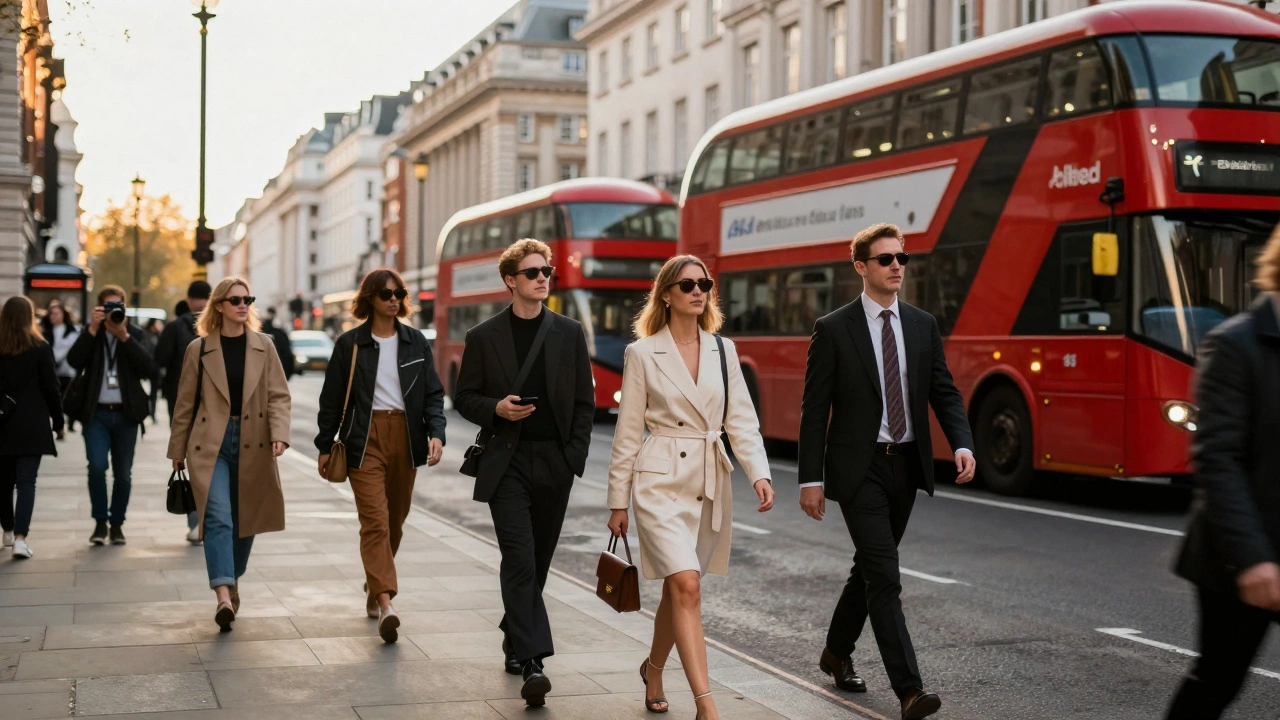
London Fashion Week is one of the world's 'Big Four' fashion weeks, alongside New York, Milan, and Paris. It transforms central London into a global hub for creativity, business, and spectacle twice a year. Whether you are an aspiring designer, a seasoned buyer, or a style enthusiast looking to soak up the energy, this event offers something distinct from its continental counterparts. It is known for being more accessible, experimental, and deeply rooted in British subculture.
The dates shift slightly every year, but the rhythm remains consistent. The main season usually kicks off in September for Spring/Summer collections and again in February/March for Autumn/Winter. In 2026, expect the core events to cluster around these windows, with pre-season digital content rolling out weeks in advance. Understanding how the machine works will save you time, money, and the frustration of missing out on exclusive experiences.
How the Schedule Works: Two Seasons, One City
Unlike other cities that might spread their events over a longer period, London packs a punch in about eight days. This intensity means you need to plan your movements carefully. The schedule is split into two primary blocks:
- September (Spring/Summer): Focuses on lighter fabrics, brighter colors, and upcoming trends for the next year. This is often when the biggest celebrity sightings happen because the weather is still pleasant enough for outdoor parties.
- February/March (Autumn/Winter): Showcases heavier coats, tailoring, and technical fabrics. The mood is slightly more serious, focusing on craftsmanship and investment pieces. This season often aligns with key trade fairs like Pure London.
The official calendar is released by British Fashion Council (BFC) several weeks before the start date. You should bookmark their site immediately upon release. While the headline shows get all the press, the real value often lies in the side events, pop-ups, and studio visits that run concurrently.
Where the Action Happens: Key Venues
London Fashion Week does not have a single stadium-like venue. Instead, it scatters across the city, creating a dynamic urban exploration experience. Knowing where these hubs are located helps you minimize travel time between shows.
| Venue | Location | Best For | Accessibility |
|---|---|---|---|
| Olympia London | Kensington | Major established brands, large-scale productions | High (Tube nearby) |
| The Old Truman Brewery | Shoreditch | Emerging talent, streetwear, edgy concepts | Medium (Crowded) |
| Design Museum | Knightbridge | High-fashion presentations, luxury houses | High (Central) |
| White Cube Galleries | Hoxton/Dalston | Art-fashion crossovers, intimate shows | Low (Exclusive) |
Shoreditch has become the unofficial heart of the emerging scene. If you want to see what’s next rather than what’s already famous, head east. The venues here are often repurposed industrial spaces, giving shows a raw, authentic feel. Conversely, Kensington and Chelsea host the polished, high-budget affairs favored by international press.
Getting In: Tickets vs. Invitations
This is the biggest hurdle for most attendees. Unlike some festivals where you buy a wristband and walk in, London Fashion Week operates on a tiered access system. There is no general admission ticket for the main runway shows. Here is how you actually get inside:
- Industry Accreditation: If you work in media, buying, or styling, you apply through the BFC portal. You need proof of employment and a letter of introduction. This process opens months in advance.
- LFW Hub: This is a paid ticketing platform launched by the council. It grants access to select public-facing shows, workshops, and networking events. Prices range from £50 to £300 depending on the package. This is your best bet if you are not industry-insider.
- Brand-Specific Tickets: Some designers sell limited seats directly via their websites or partners like TodayTix. These are rare and sell out in minutes.
- Guest Lists: If you know anyone in the industry, ask them to add you to their guest list for specific shows. This is free but relies entirely on personal connections.
Avoid third-party scalpers selling "LFW Passes" on social media. Most are scams or simply provide access to unlisted, low-quality events. Stick to official channels only.
Beyond the Runway: Side Events and Pop-Ups
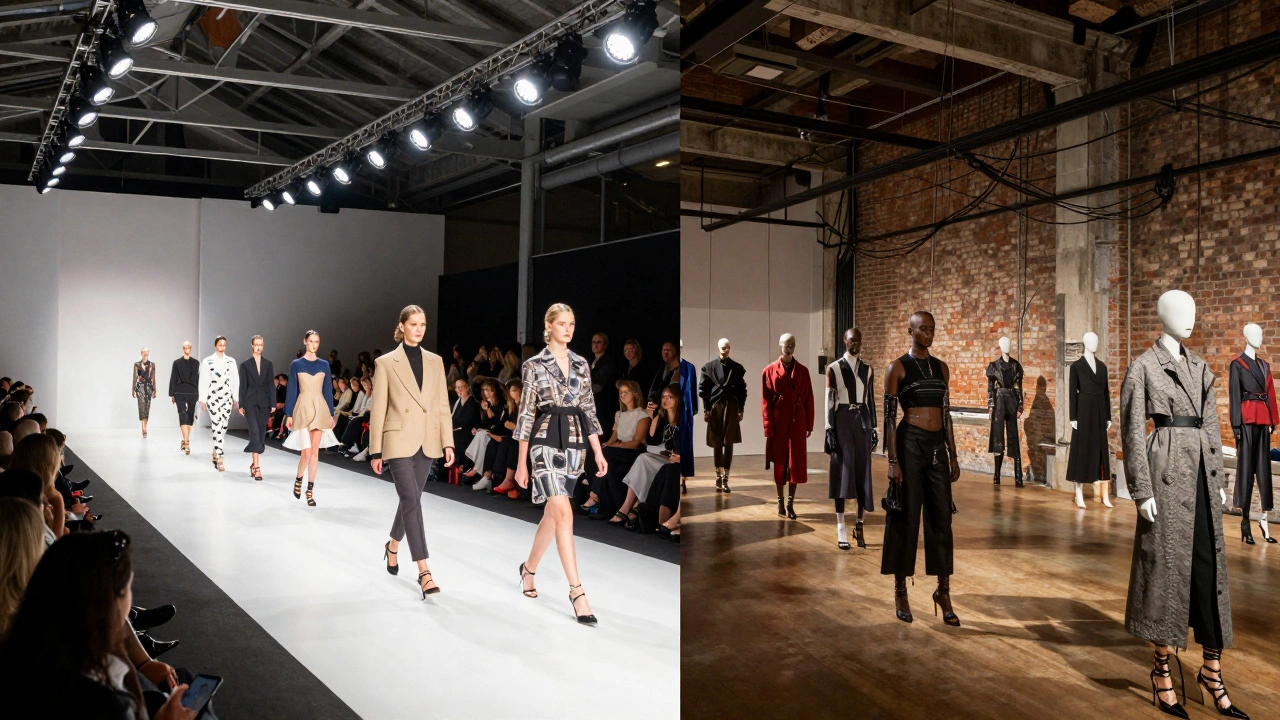
The runway shows are just the tip of the iceberg. The real cultural exchange happens during the side events. These include panel discussions, masterclasses, and art installations. They are often more accessible and offer deeper insights into the creative process.
Look for events hosted by Harper’s Bazaar, Vogue UK, and GQ. These publications often hold open-to-the-public talks featuring top stylists and editors. Additionally, brands set up immersive pop-up shops in areas like Carnaby Street and Brick Lane. These aren’t just retail spaces; they are experiential zones where you can try on looks, meet designers, and buy exclusive drops.
Don’t overlook the student showcases. Central Saint Martins and London College of Fashion often present their graduate collections. These events are free, incredibly innovative, and give you a front-row seat to the future leaders of the industry. It’s a refreshing break from the commercialized main stage.
Dress Code and Etiquette
There is no strict dress code, but there is an unwritten rule: respect the occasion. You don’t need to wear haute couture, but avoid casual wear like jeans, sneakers, and t-shirts unless it’s part of a deliberate statement. Think "smart casual" or "creative chic."
- For Men: A well-fitted blazer, dark trousers, and clean shoes work everywhere. Avoid loud logos unless you’re wearing them ironically.
- For Women: Tailored dresses, structured coats, or bold accessories. Comfort matters because you’ll be standing for long periods.
- Photography: Always check if photos are allowed. Many designers ban flash photography or prohibit posting images until after the show ends. Respect these rules to maintain good relationships with brands.
Punctuality is critical. Doors close exactly at the scheduled time. Arriving late means missing the entire show, and security will not let you back in. Plan for extra travel time due to increased tube crowds and road closures.

Navigating the City During Peak Times
London gets busy during Fashion Week. Tube stations near major venues like South Kensington and Old Street can get congested. Use contactless payment or Oyster cards for seamless travel. Avoid driving; parking is scarce and expensive. Ride-sharing services surge in price, so walking or cycling (via Santander Cycles) is often faster.
Restaurants and bars in Soho, Shoreditch, and Mayfair fill up quickly. Make reservations at least two weeks in advance. If you miss out, explore neighborhoods like Dalston or Hackney, which offer vibrant dining scenes without the premium prices.
Budgeting for the Experience
Fashion Week doesn’t have to break the bank. Here is a realistic breakdown:
- LFW Hub Ticket: £50-£150
- Meals: £20-£50 per day (street food vs. sit-down)
- Transport: £5-£10 per day
- Accommodation: Hotels spike in price; consider staying outside Zone 1 or using short-term rentals
If you’re on a tight budget, focus on free events: student shows, public installations, and window displays. Many brands create stunning visual merchandising that rivals the runway experience.
When is London Fashion Week in 2026?
London Fashion Week typically occurs twice a year. The Spring/Summer season is usually held in mid-September, while the Autumn/Winter season takes place in late February or early March. Exact dates are announced by the British Fashion Council several months in advance.
Can regular people attend London Fashion Week shows?
Yes, but not all shows. Access is primarily for industry professionals. However, the LFW Hub offers paid tickets to selected public-friendly events, workshops, and some runway shows. You can also attend free student showcases and public pop-ups.
Where are the main venues for London Fashion Week?
Key venues include Olympia London for major brands, The Old Truman Brewery in Shoreditch for emerging talent, and the Design Museum in Knightsbridge for luxury presentations. Locations vary each season, so check the official schedule.
What should I wear to London Fashion Week?
Aim for smart casual or creative chic. Avoid overly casual items like jeans and sneakers unless they are part of a deliberate fashion statement. Dress to show respect for the designers and the occasion. Comfortable yet stylish footwear is essential as you will stand for long periods.
Is London Fashion Week worth attending for non-industry guests?
Absolutely. Even without industry accreditation, you can experience the energy through LFW Hub tickets, public pop-ups, student shows, and side events. It’s a unique opportunity to see trends firsthand, network creatively, and immerse yourself in London’s cultural landscape.