
By November 2025, renting in London isn’t just expensive-it’s a strategic game. If you’re moving here for work, school, or just a fresh start, knowing where your money goes makes all the difference. The days of picking a neighborhood because it sounds nice are over. Now, you need numbers: exact rents, real commute times, and which areas are actually worth the cost.
What’s the average rent in London right now?
In 2025, the average monthly rent for a one-bedroom flat in London is £2,150. That’s up 4.7% from 2024, and it’s not evenly spread. Some boroughs are hitting £3,000+, while others hover just above £1,500. The biggest driver? Location. Not size. Not condition. Just where you are on the map.
Zone 1, the heart of London, still commands the highest prices. But here’s the twist: Zone 2 and 3 are now where most people live-and they’re getting pricier fast. Why? Because remote work didn’t kill the commute; it just changed it. Now people live further out but still need fast access to central hubs. That’s pushing demand into outer zones.
Rent by London Zone: What You’ll Pay
London’s zones aren’t just for the Tube-they’re the real rent map. Here’s what you can expect in 2025:
- Zone 1: £2,800-£4,200/month for a one-bedroom. This includes Westminster, City of London, and parts of Camden. A studio here can cost more than a two-bedroom in outer boroughs.
- Zone 2: £2,200-£3,100/month. Think Islington, Hackney, Southwark. Popular with young professionals. Fast Tube links, but high demand means little negotiation room.
- Zone 3: £1,800-£2,500/month. Areas like Walthamstow, Richmond, and Croydon. Better value if you’re okay with a 30-40 minute commute. Many new builds here offer modern kitchens and gyms.
- Zone 4: £1,500-£2,000/month. Places like Bromley, Enfield, and Sutton. You’re trading convenience for space. Some flats here have gardens. Ideal for families or those who work remotely.
- Zone 5+: £1,200-£1,700/month. Epping, Uxbridge, Dartford. Commutes can hit 60+ minutes, but rent is closer to national averages. Good for budget-focused renters who don’t need daily city access.
Pro tip: Rent in Zone 3 can be cheaper than Zone 2, but only if you avoid the ‘hot’ streets. A flat on the edge of Walthamstow might cost £1,850, while one two blocks from the station could be £2,400. Location within a zone matters more than the zone number.
Most Expensive Boroughs in 2025
Some boroughs are simply out of reach for most. Here are the top five most expensive in 2025:
- Westminster: £3,400-£5,200/month. Home to Parliament, luxury flats, and zero tolerance for outdated buildings. Most rentals here are furnished and premium. Kensington and Chelsea: £3,200-£4,900/month. Even a 450 sq ft studio here can hit £2,900. This is where high earners and international buyers dominate.
- Camden: £2,700-£3,800/month. Popular with creatives and students. Prices have jumped 12% since 2023 due to gentrification and new tech hubs nearby.
- Islington: £2,600-£3,500/month. A mix of Victorian terraces and new builds. High demand from remote workers who want ‘urban charm’ without Zone 1 prices.
- Richmond upon Thames: £2,500-£3,300/month. Surprisingly expensive for a Zone 4 borough. Why? Green spaces, good schools, and easy access to the river. Families and professionals are snapping up flats here.
Most Affordable Boroughs in 2025
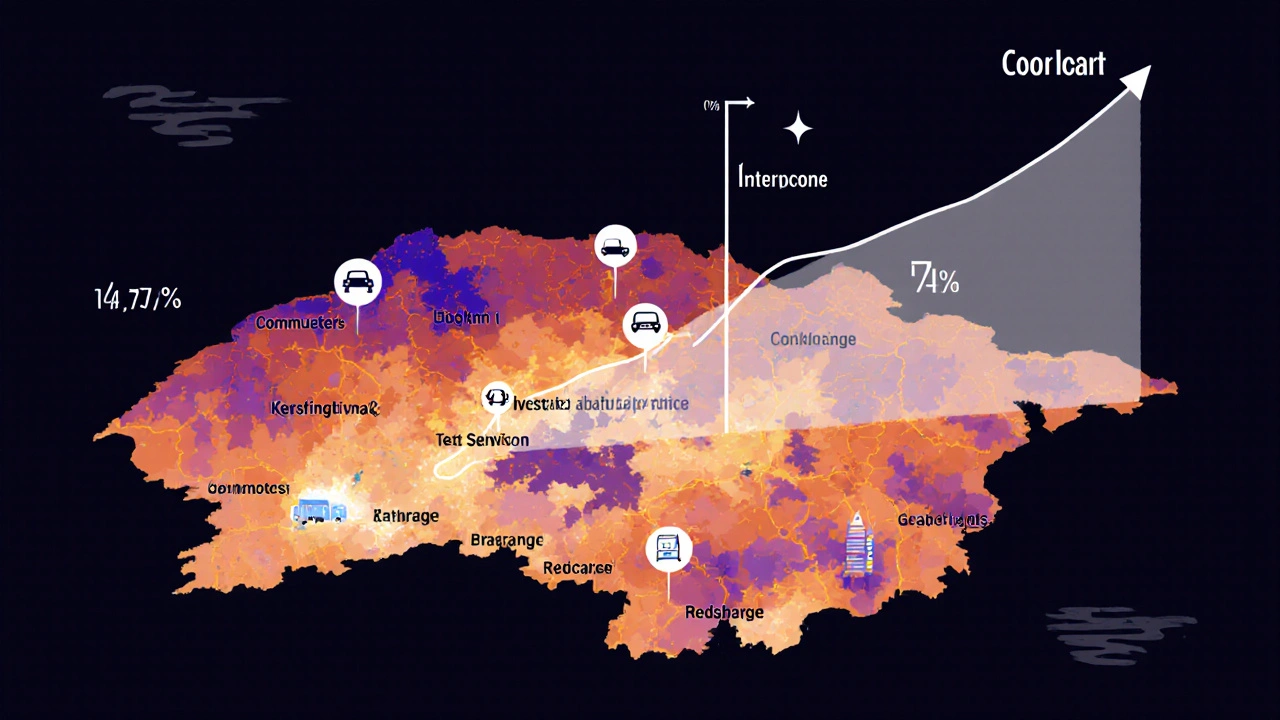
Not all of London costs a fortune. If you’re willing to trade a longer commute or fewer cafes, these boroughs offer real savings:
- Barking and Dagenham: £1,200-£1,600/month. The cheapest borough for one-beds. Tube access is improving, and new developments are popping up near the river.
- Redbridge: £1,300-£1,700/month. Good rail links to Liverpool Street. Less touristy, more local life. Many rentals include parking.
- Bromley: £1,400-£1,900/month. Zone 4, but feels like a town. Parks, good schools, and fewer renters competing. Ideal for couples or small families.
- Eltham (Greenwich): £1,350-£1,800/month. Quiet, leafy, and surprisingly central via the DLR. Rent has stayed flat since 2023 while nearby areas rose.
- Lewisham: £1,450-£1,950/month. A hidden gem. New Cross and Peckham are trendy, but outer parts still offer solid value. Good for creatives on a budget.
What’s driving rent up in 2025?
It’s not just inflation. Three big factors are reshaping London’s rental market:
- Reduced supply: The UK government’s planning delays have slowed new builds. In 2025, London has 18% fewer rental units than it did in 2020, despite growing population.
- Foreign investment: Investors from the Middle East and Southeast Asia are buying up flats in Zone 2 and 3, then renting them out at premium rates. Many are short-term lets, reducing long-term availability.
- Remote work patterns: People aren’t moving out of London-they’re just choosing different neighborhoods. A designer in Bristol might now rent in Croydon and work from home three days a week. That’s increasing demand in outer zones.
Landlords know this. Many now charge 10-15% more for properties with Wi-Fi speeds over 100 Mbps, a dedicated workspace, or smart thermostats. These aren’t luxuries anymore-they’re baseline expectations.
How to find a good deal in 2025
Don’t just scroll through Rightmove. Here’s how real renters find better deals:
- Look for ‘letting agents with local offices’: Big chains like Foxtons and Hamptons list everything. Smaller local agents often have unlisted properties. Ask for them directly.
- Check properties that have been on the market over 30 days: These are often negotiable. Landlords are tired of waiting.
- Ask about ‘rental incentives’: Some landlords offer one month free, free utilities for the first three months, or even free parking. Don’t assume it’s not possible.
- Consider a house share: A room in a 4-bed flat in Zone 3 can cost £900-£1,200. Splitting bills makes it far more affordable.
- Time your move: The slowest months are January and August. You’ll have more choice and less competition.
What to watch out for
Not every deal is what it seems. Here are red flags in 2025:
- ‘No deposit’ schemes: These are often illegal. Landlords can’t legally waive the deposit unless it’s protected in a government-approved scheme.
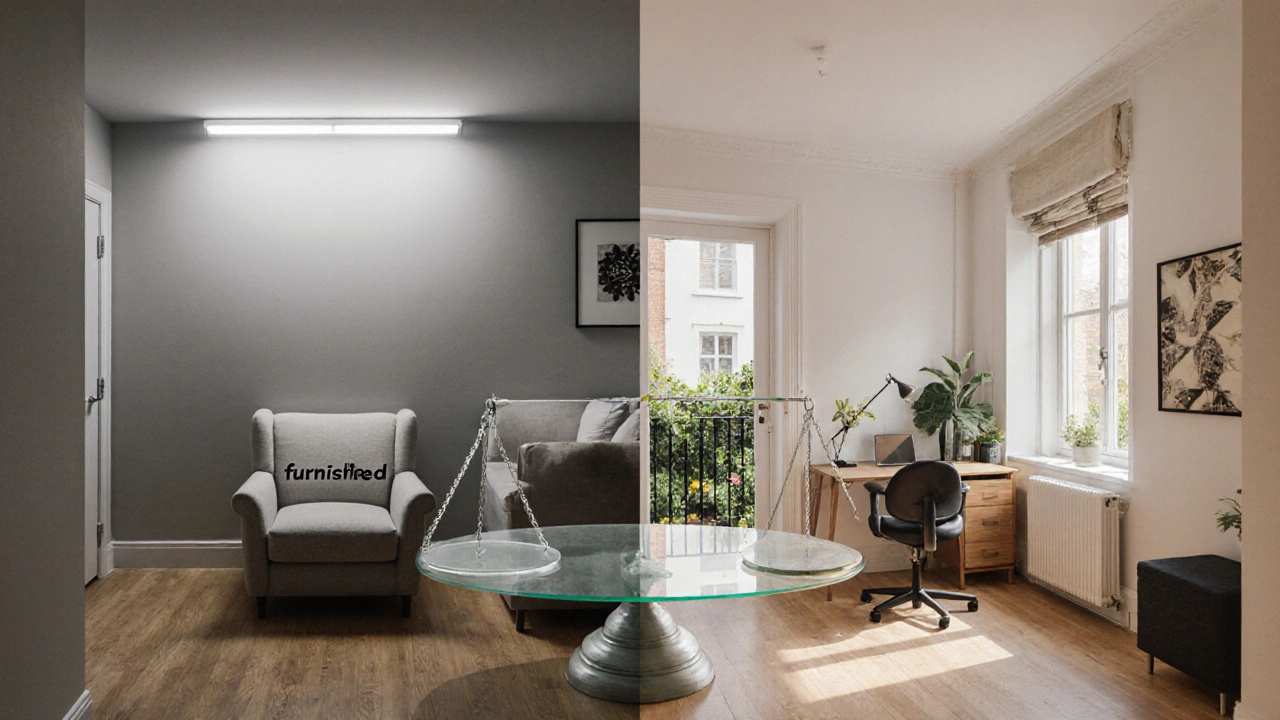
- Overpriced ‘furnished’ flats: Many landlords call a single armchair and a microwave ‘furnished.’ Check exactly what’s included before signing.
- Hidden fees: Some agencies charge ‘reference fees,’ ‘inventory fees,’ or ‘admin fees’-all illegal since 2019. If you’re asked to pay these, walk away.
- Short-term only: Some landlords only rent for 6 months. That’s fine if you’re here temporarily. But if you plan to stay longer, you’ll be stuck paying renewal fees every six months.
Final advice: Know your budget before you start
Rule of thumb: Don’t spend more than 35% of your take-home pay on rent. In London, that means if you earn £3,500 a month after tax, your max rent should be £1,225. That’s below average in most zones. So either earn more, live further out, or share.
Use the London Rent Prices 2025 data to make decisions-not emotions. A flat near a Tube station might feel perfect. But if it’s £500 more than one 10 minutes further, ask: Is that extra £6,000 a year worth it? For most, the answer is no.
The best rent isn’t the cheapest. It’s the one that fits your life, your job, and your budget. And in 2025, that’s still possible-if you know where to look.
Is rent in London going up or down in 2025?
Rent in London is still rising in 2025, but slower than in 2023-2024. Average prices are up 4.7% year-over-year, with Zone 1 and Zone 2 seeing the biggest increases. Outer boroughs like Barking and Redbridge have seen flat or slightly falling rents due to increased supply and lower demand. Overall, the market is stabilizing but remains tight.
What’s the cheapest place to rent in London?
Barking and Dagenham is the cheapest borough for one-bedroom flats in 2025, with average rents between £1,200 and £1,600. It’s not glamorous, but it’s improving fast-new transport links, affordable supermarkets, and growing community spaces make it a smart pick for budget renters.
Can I live in London on £2,000 a month?
Yes, but you’ll need to compromise. A £2,000 budget gets you a one-bedroom in Zone 3 (like Walthamstow or Croydon) or a room in a shared house in Zone 2. You’ll likely have a 30-45 minute commute. Utilities, council tax, and transport will take another £400-£600, so you’ll need to budget tightly. It’s doable, but not comfortable.
Are house shares cheaper than renting alone in London?
Absolutely. A room in a shared flat in Zone 3 costs £900-£1,200, compared to £1,800+ for a one-bedroom. You’ll split bills, and often get access to a kitchen, living room, and sometimes even a garden. It’s the most common way young professionals and students survive in London. Just be clear on house rules before signing.
What’s the best zone for a first-time renter in London?
Zone 3 is the sweet spot. You get decent Tube access, lower prices than Zone 2, and more space. Areas like Walthamstow, Croydon, and Richmond offer good amenities without the premium. It’s also where you’ll find the most new-build flats with modern features. Avoid Zone 1 unless you’re earning over £50,000 a year.