Quick Takeaways for Your Trip
- Layering is everything: Always wear a t-shirt, a light sweater, and a jacket, regardless of the month.
- Footwear: Waterproof shoes are a necessity, not an option.
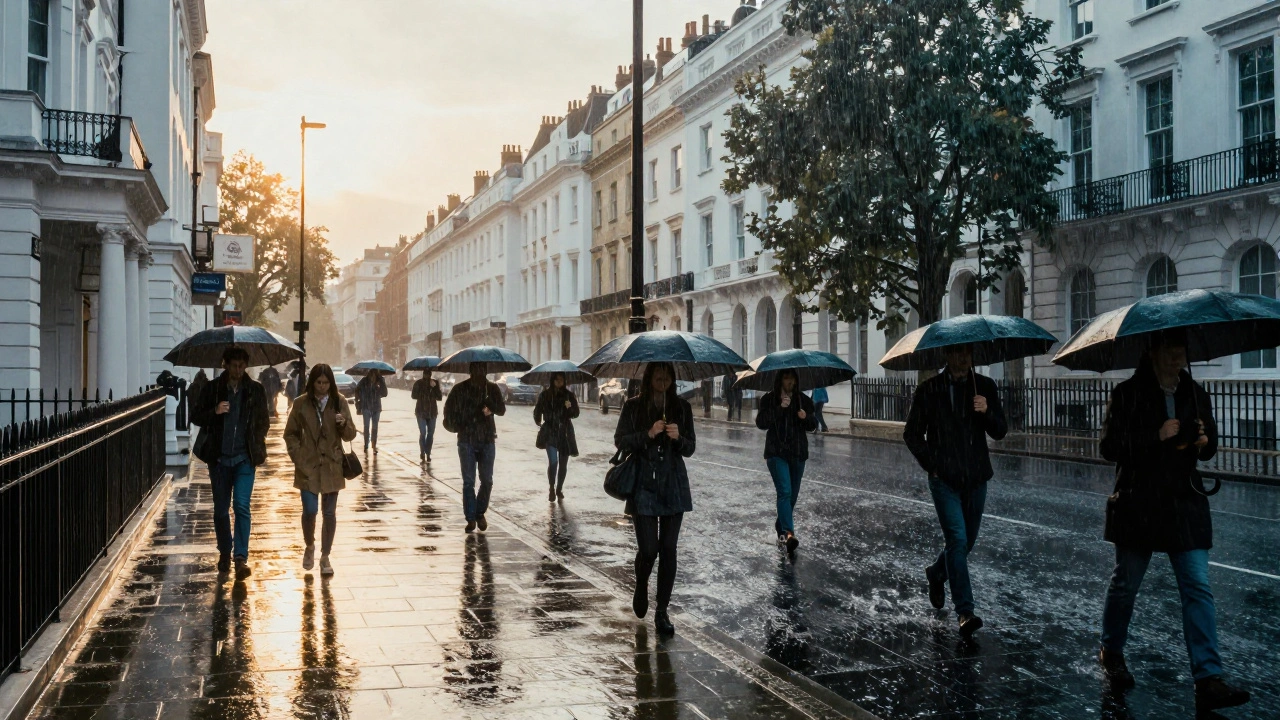
- The Umbrella Myth: Bring a sturdy, wind-resistant umbrella, but don't be surprised if the wind turns it inside out; a raincoat is more reliable.
- Temperature: Expect mild winters and temperate summers, but keep in mind that heatwaves are becoming more frequent.
To get your trip right, you first need to understand London Weather is a temperate oceanic climate characterized by cool summers, mild winters, and an even distribution of precipitation throughout the year. This means you'll rarely face extreme freezes like in Canada or blistering heat like in Dubai, but you'll deal with a lot of grey skies and a constant drizzle that seems to come from nowhere.
Spring: The Season of Unpredictability
From March to May, London is visually stunning. The cherry blossoms in Greenwich and the daffodils in Regent's Park are in full bloom. However, this is also when the weather is most erratic. You might experience a 15°C sunny afternoon followed by a 5°C windy evening. It's the peak time for "April showers," which are exactly what they sound like-short, intense bursts of rain.
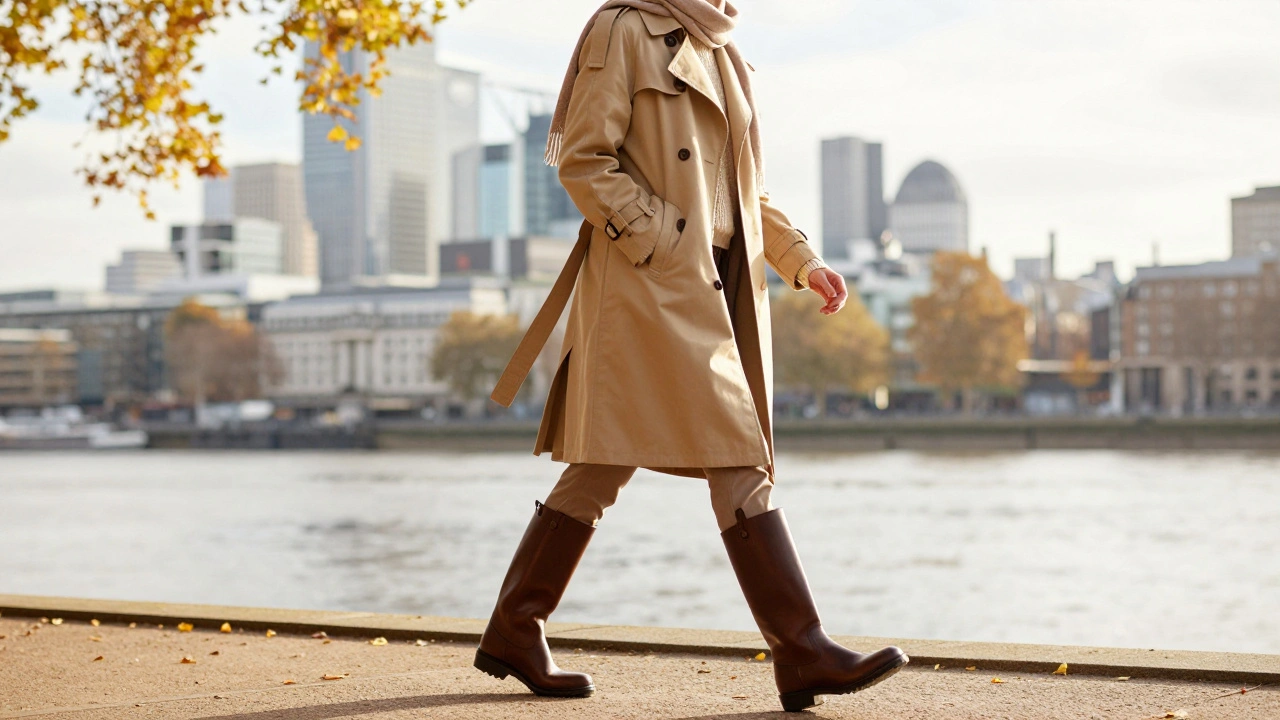
For this period, your packing list should center around versatility. A lightweight trench coat is the gold standard here. It looks sharp for a dinner in Mayfair and keeps you dry during a walk through Covent Garden. Pair it with a medium-weight knit sweater and a few cotton shirts. If you're visiting in early spring, keep a light scarf in your bag; the wind tunnels created by the city's skyscrapers can be surprisingly chilly.
Summer: Beating the Heat and the Humidity
June, July, and August are generally the warmest months. While London used to be known for "mild" summers, recent years have seen more frequent heatwaves where temperatures climb above 30°C. The challenge is that many older hotels and rentals in the city don't have air conditioning. If you're staying in a boutique B&B in Bloomsbury, you'll want to be prepared for the humidity.
Pack breathable fabrics like linen and organic cotton. While shorts and sandals are fine for walking through the Hyde Park, remember that some higher-end restaurants or traditional pubs still prefer a slightly more dressed-up look. A light blazer or a summer dress is a safe bet. Also, don't ditch the umbrella just because it's July. Summer thunderstorms are common and usually hit in the late afternoon, turning the streets into rivers for about twenty minutes before the sun comes back out.
| Season | Average Temp | Key Clothing Item | Essential Accessory |
|---|---|---|---|
| Spring | 8°C to 15°C | Trench Coat | Light Scarf |
| Summer | 18°C to 25°C | Linen Trousers | Sunscreen |
| Autumn | 10°C to 16°C | Leather Jacket/Wool Coat | Waterproof Boots |
| Winter | 2°C to 9°C | Heavy Wool Overcoat | Thermal Base Layers |
Autumn: The Golden Transition
September to November is arguably the best time to visit. The city turns gold, and the air gets a crispness that makes walking along the South Bank feel refreshing. The temperatures are similar to spring, but the rain becomes more consistent. Instead of quick bursts, you'll get those long, grey afternoons where it just lightly rains for hours.
This is the time for Layering, which is the practice of wearing multiple garments of different thicknesses to regulate body temperature. Start with a base layer, add a cardigan or a hoodie, and top it off with a water-resistant jacket. Footwear is critical here; avoid canvas sneakers which soak through instantly. Instead, go for leather boots or treated sneakers that can handle puddles without letting water seep in.
Winter: Navigating the Grey and the Cold
December to February can be brutal, not because of extreme cold-which is rare-but because of the dampness and the darkness. By mid-December, the sun sets around 4:00 PM. The humidity makes the cold feel like it's biting into your skin. While snow is possible, it's usually a light dusting that vanishes quickly, rather than the heavy drifts you see in New York or Oslo.
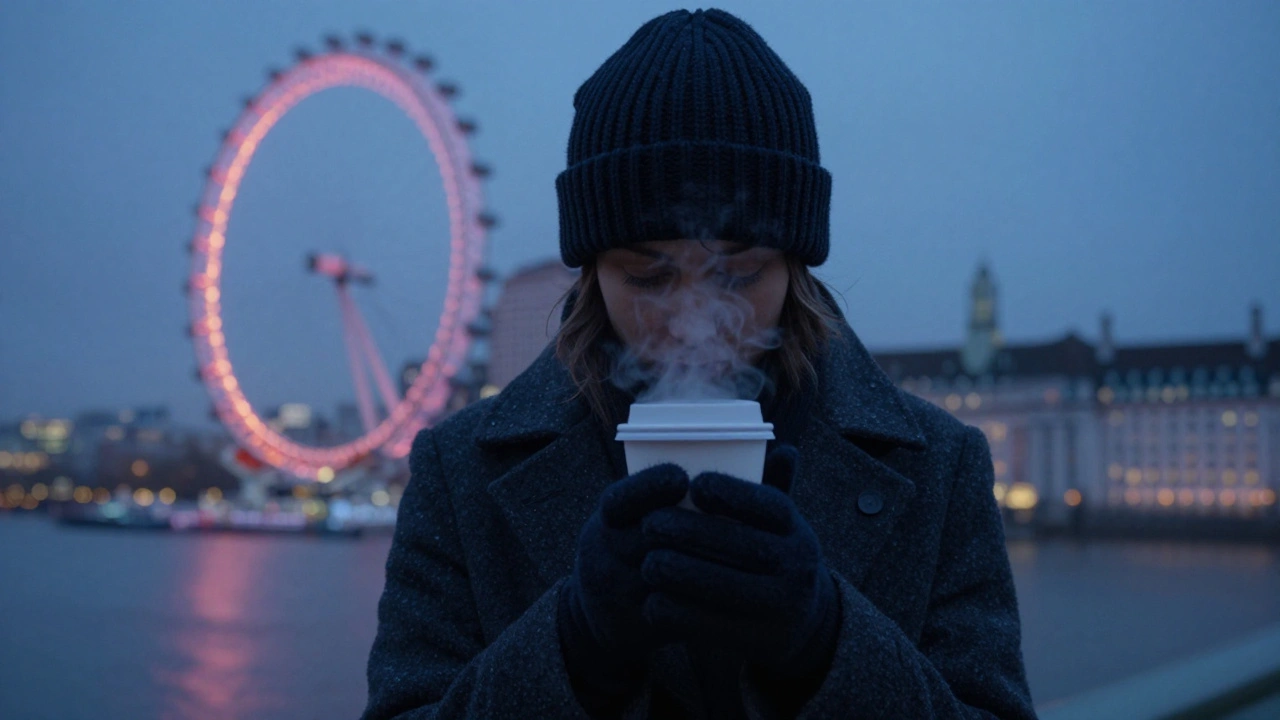
Your primary goal is heat retention. A high-quality wool overcoat or a down jacket is non-negotiable. To stay warm during long walks through the British Museum or the Tate Modern, invest in thermal leggings or "Heattech" undergarments. A thick wool beanie and gloves are essential for those waiting in line for the London Eye. Pro tip: Wear wool socks. Cotton socks will keep your feet damp and cold if you step in a puddle, whereas Merino wool keeps you warm even when slightly moist.
The Ultimate London Packing Checklist
To make sure you don't forget anything, follow this London weather guide checklist based on the "three-layer rule." This ensures you can adapt to any weather shift within a single hour.
- Base Layer: Breathable t-shirts, camisoles, and thermal underwear (for winter).
- Middle Layer: Light sweaters, cardigans, or a fleece.
- Outer Layer: A waterproof shell, a trench coat, or a heavy wool overcoat.
- Footwear: One pair of comfortable walking shoes (water-resistant) and one pair of slightly dressier shoes.
- Accessories: A compact, wind-proof umbrella, a scarf, and a portable power bank (cold weather drains phone batteries faster).
Common Weather Pitfalls to Avoid
One of the biggest mistakes tourists make is buying a cheap umbrella from a street vendor the moment it starts raining. These umbrellas are usually made of flimsy plastic and will collapse the second a gust of wind hits them. Instead, buy a "storm-proof" umbrella before you leave home or from a reputable store like John Lewis once you arrive.
Another trap is over-packing for the heat. If you're visiting in August, don't bring only flip-flops and tank tops. Even in the height of summer, a breeze off the Thames can be surprisingly cool, and many indoor spaces (like cinemas or museums) can be chilly due to aggressive air conditioning. Always have a "just-in-case" light jacket with you.
Do I really need an umbrella in London?
Yes, but with a caveat. London rain is often a fine mist (drizzle) that a hooded jacket can handle. However, for heavier rain, you'll want an umbrella. The key is to get a wind-resistant one, as the wind corridors between buildings in the City and Canary Wharf can easily break cheap umbrellas.
What is the best month to visit for the best weather?
May, June, and September are typically the best. May and June offer the brightness of spring and mild temperatures, while September provides the stunning autumn colors and a comfortable coolness that makes city exploration pleasant without the extreme heat of July.
Is it true that it rains every day in London?
Not exactly. London actually receives less annual rainfall than cities like Rome or New York. The difference is the frequency and type of rain. It's more likely to have frequent, light rain or overcast skies than a massive tropical downpour, which is why the city always feels "grey."
Should I bring a heavy coat in October?
A heavy winter coat might be too much for early October, but by late October, you'll definitely want one. The best approach for October is a medium-weight coat or a leather jacket paired with a warm sweater that you can remove when you're indoors.
What should I wear for a formal event in London?
For a theater show in the West End or a nice dinner, "smart casual" is the norm. For men, this usually means chinos and a button-down shirt. For women, a dress or nice trousers with a blouse. Regardless of the formality, always bring a coat; the walk from the tube station to the venue can be freezing, and you'll be glad for the warmth.
Next Steps for Your Planning
Now that you've got your packing sorted, your next move should be mapping out your itinerary based on the weather. If you're visiting during the rainy season, prioritize indoor attractions like the National Gallery or explore the underground wonders of the city. If you're coming in the summer, plan your park visits and rooftop bars early in the day to avoid the midday humidity. Check a reliable local source like the Met Office for the most accurate short-term updates once you land.