
Living in London as a student at the London School of Economics and Political Science (LSE) isn’t just about attending lectures. It’s about navigating a city that never sleeps, balancing rent with ramen noodles, and finding quiet corners in a place that’s always buzzing. If you’re heading to LSE, you need to know what real life looks like here - not the brochures, not the open day tours, but the day-to-day grind and surprises.
Where Students Actually Live
LSE doesn’t have one big campus. Its buildings are scattered across central London, mostly between the City and the West End. That means housing isn’t one-size-fits-all. Most first-year undergrads get placed in university-run halls like LSE Residence a student accommodation complex located in central London, offering single rooms with shared kitchens and bathrooms, but spots fill up fast. If you miss out - and most do - you’re on your own.
Many end up in places like Camberwell a residential area in South London, known for affordable housing options for LSE students, Brixton a vibrant neighborhood in South London with a mix of student housing and cultural diversity, or even Croydon a major urban center in South London with lower rent and good transport links to LSE. Rent for a single room in a shared flat? Around £1,200 to £1,600 a month. That’s not a typo. You’ll pay more for a 10-minute Tube ride to campus.
Here’s the truth: if you’re not careful, rent eats up half your maintenance loan. That’s why so many students get roommates - not just to split costs, but to survive. One student I talked to shared a flat with four others. They rotated cooking duties, pooled groceries, and still barely broke even. No one had a car. No one owned a bike. They walked or took the Tube. Always.
The Cost of Eating and Going Out
LSE students don’t eat at fancy restaurants. They eat at Tesco Express a convenience store chain in London, popular among students for budget groceries and ready meals, Sainsbury’s Local a smaller supermarket format in London neighborhoods, offering affordable food options for students, and the £3 sandwich deal at Greggs a UK bakery chain known for affordable baked goods and sandwiches, widely used by LSE students. The canteen on campus? It’s decent - £5 for a hot lunch, £2.50 for a salad. But you can’t live on that. Most students cook once or twice a week and grab cheap meals the rest of the time.
Going out? It’s not impossible, but it’s not cheap. A pint in Covent Garden costs £7. A cinema ticket? £15. A club night? £12 entry, plus £6 for a drink. That’s £30 before you even get home. So students get creative. There’s a whole underground scene of free events: LSE Students’ Union the official student organization at LSE, hosting free social events, clubs, and weekly pub quizzes for students throws free pub quizzes every Thursday. The British Library a national library in London offering free exhibitions and events open to the public, including LSE students has free talks. The National Theatre a major performing arts venue in London offering discounted tickets for students sells £10 tickets for students. You’ll learn to live off free stuff.
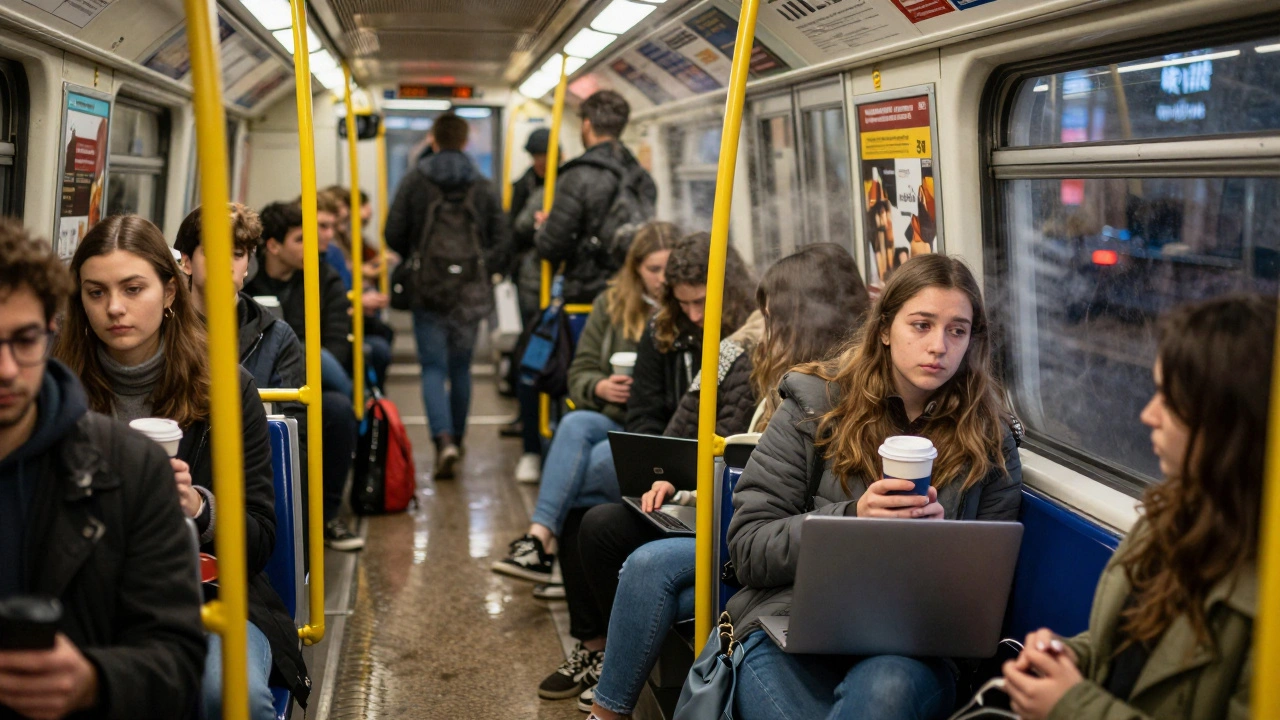
Getting Around - No Car, No Bike, Just the Tube
You won’t need a car. You won’t even need a bike. London’s public transport is brutal but efficient. A monthly Travelcard for Zones 1-2 (which covers most of LSE and student areas) costs £160. That’s more than most people pay for rent in smaller cities. But here’s the trick: if you’re under 25, you can get a 18+ Student Oyster Card a discounted public transport card for students aged 18 and over in London, offering 30% off travel fares. It drops the price to £112. That’s still a lot, but it’s the difference between surviving and sinking.
Most students walk to campus from nearby areas like Covent Garden a district in central London, close to LSE and popular with students for its walkable distance and cultural venues or Southwark a London borough with affordable housing and direct Tube access to LSE. If you’re farther out, you learn the Tube map like a second language. Peak hours? 7:30-9:30 a.m. and 5-7 p.m. You’ll get squeezed. You’ll learn to stand still. You’ll learn to not care.
Work, Study, and the Pressure
LSE is intense. You’ll hear people say it’s "the most intellectually demanding" university in the UK. That’s not hype. You’ll spend 15-20 hours a week in lectures and seminars. Then there’s reading. A single 10-page paper can take you three hours to understand. You’ll be reading The Economist a global news publication frequently referenced in LSE economics and politics courses, The Financial Times a leading financial newspaper used in LSE economics and business courses, and academic journals that feel like they’re written in another language.
Most students work part-time. Not because they want to - because they have to. You’ll see people serving coffee in the mornings, tutoring in the evenings, or working weekend shifts at Starbucks a global coffee chain with multiple locations near LSE, commonly employed by students. The university offers on-campus jobs - research assistants, library helpers - but they’re competitive. You’ll need to apply early.

The Hidden Benefits - What You Won’t Find on the Website
Here’s what no one tells you: living in London as an LSE student gives you access to things most people pay thousands to experience. You can walk into the Victoria and Albert Museum a world-renowned museum of art and design in London, offering free entry and student discounts and spend a whole afternoon there for free. You can catch a free lecture from a Nobel laureate at the LSE Library the main academic library of the London School of Economics, hosting public talks and research events. You can join a student-run debate club and argue with people from 80 different countries.
You’ll learn to appreciate the little things: the quiet hour in the library before the rush, the 10 p.m. bus ride home with your headphones on, the shared silence in a kitchen with four other students, all of you too tired to talk but glad to be together.
Final Reality Check
LSE isn’t for everyone. It’s expensive. It’s exhausting. It’s loud. But it’s also one of the few places where you can sit in a lecture hall with students from Nigeria, Brazil, Japan, and Poland, and suddenly understand how the world works - not from a textbook, but from real conversations over cheap coffee.
If you’re willing to live on ramen, walk everywhere, and say "no" to nights out to save money - you’ll thrive. If you expect a cozy campus life with free meals and a quiet library - you’ll be disappointed.
But if you want to learn economics, politics, or sociology in the heart of a global city - where decisions are made, protests happen, and markets shift - then LSE is one of the only places that gives you front-row seats.
Is LSE housing guaranteed for all students?
No. LSE guarantees accommodation only for first-year international undergraduates who apply by the deadline. Domestic students and returning students are on their own. Most end up renting privately in areas like Brixton, Camberwell, or Croydon. The university provides a housing portal, but availability is limited.
How much does a monthly travel pass cost for LSE students?
Without discounts, a Zone 1-2 Travelcard costs £160 per month. With an 18+ Student Oyster Card, it drops to £112. Many students use contactless payment with a student discount applied, which caps daily spending at £4.40 (as of 2026).
Can LSE students get free museum entry?
Yes. Major museums in London - including the British Museum, V&A, Tate Modern, and National Gallery - offer free entry to everyone, including students. Some, like the Science Museum, also offer free or discounted tickets for special exhibitions. All you need is your student ID.
What’s the average part-time job pay for LSE students?
Most student jobs pay the London Living Wage, which is £13.15 per hour (as of 2026). Campus jobs like library assistants or research helpers often pay slightly more. Retail and hospitality jobs pay around £12-£13. Many students work 10-15 hours a week to cover food and transport.
Is it possible to live at LSE without a maintenance loan?
It’s extremely difficult. The average monthly cost for rent, transport, and food is around £1,800. The UK maintenance loan for London students is £13,020 per year - roughly £1,085 per month. That leaves a £700 gap. Most students cover this with part-time work, family support, or savings. Living on just the loan means cutting out nearly all social spending.