Imagine this: You have a crucial client presentation in an hour. Your laptop is charged, your slides are ready, but you’re stuck in a noisy café on Oxford Street where every cough echoes like a gunshot. Or worse, you’re trying to hold a sensitive HR discussion from a park bench because your home office just isn’t cutting it for privacy. This is the daily reality for thousands of freelancers, remote workers, and small business owners in London.
Finding a meeting room rental that actually works for you shouldn’t feel like solving a puzzle. Yet, with the rise of hybrid work, the demand for flexible, professional spaces has exploded. Whether you need a glass-walled boardroom in Canary Wharf or a cozy breakout space in Shoreditch, understanding how to book these spaces by the hour can save you time, money, and stress.
Why Rent a Meeting Room Instead of Working From Home?
You might wonder why anyone would pay for a room when they have a desk at home. It’s not just about prestige. There are practical reasons why renting a space makes sense.
First, there’s the issue of perception. When you invite a potential investor or a new client to your kitchen table, it sends a specific message. When you meet them in a sleek, soundproofed conference room with high-speed Wi-Fi and a large screen, it signals professionalism. In London, where first impressions often dictate deals, this matters.
Second, consider the technical setup. Most dedicated meeting rooms come equipped with video conferencing tools, projectors, and whiteboards. If you’re hosting a team call across three different time zones, having reliable audio-visual equipment built-in removes the friction of setting up your own gear. You walk in, plug in your laptop, and start working.
Finally, there’s the psychological shift. Changing your environment can boost creativity and focus. Stepping out of your usual routine and into a neutral, professional space helps separate "work mode" from "home mode." It’s a simple trick, but it works wonders for productivity.
Types of Bookable Spaces in London
Not all meeting rooms are created equal. Depending on your needs, you’ll find several types of spaces available for rent by the hour.
| Type | Best For | Average Cost (per hour) | Key Features |
|---|---|---|---|
| Private Boardrooms | Client meetings, executive discussions | £30 - £80 | Soundproofing, premium AV, catering options |
| Huddle Rooms | Quick calls, small team syncs (2-4 people) | £15 - £40 | Compact, phone booths, basic tech |
| Creative Studios | Brainstorming, workshops, design reviews | £25 - £60 | Whiteboards, open layout, flexible seating |
| Training Rooms | Seminars, larger group sessions (10+ people) | £50 - £120 | Theater-style seating, multiple screens |
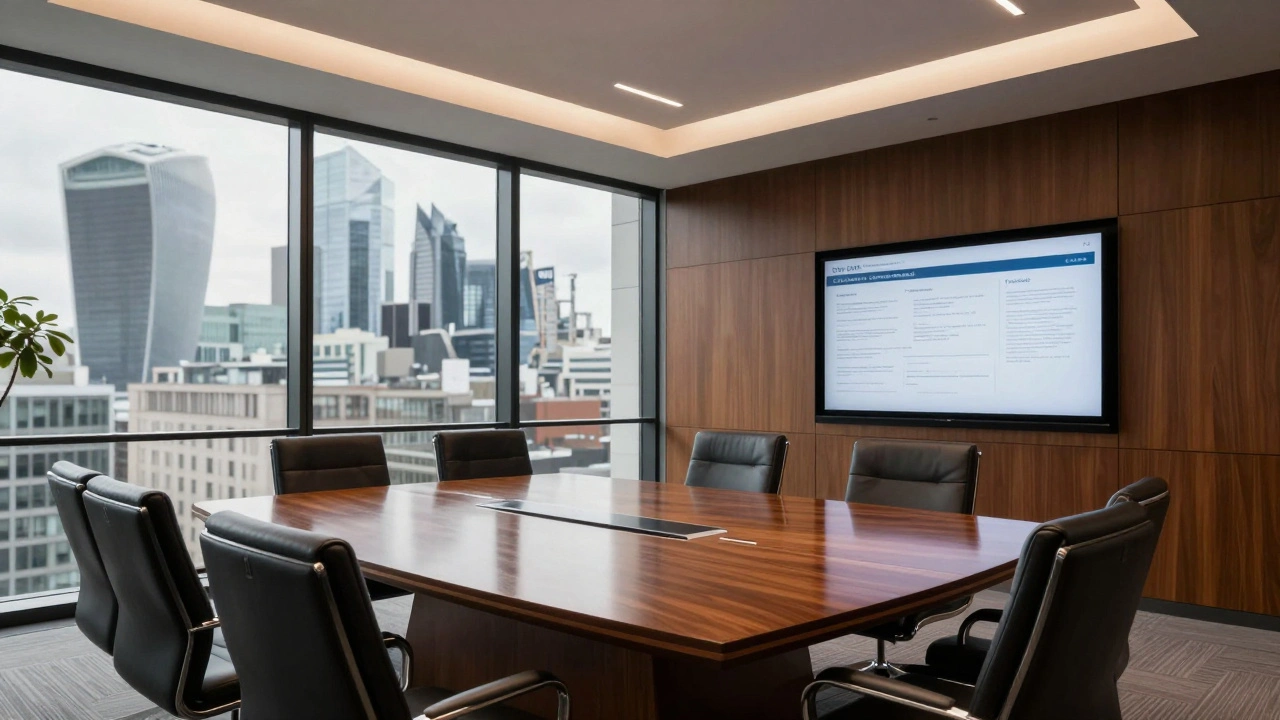
Private Boardrooms are enclosed spaces designed for confidential and formal meetings. These are your go-to for serious business. They usually feature high-end furniture, excellent lighting, and top-tier technology. In areas like Mayfair or City of London, expect to pay a premium for these.
Huddle Rooms are small, enclosed pods ideal for brief calls or intimate conversations. Think of them as professional phone booths. They are perfect if you just need a quiet place to take a Zoom call without your kids running around in the background. Many coworking spaces offer these as part of their day pass.
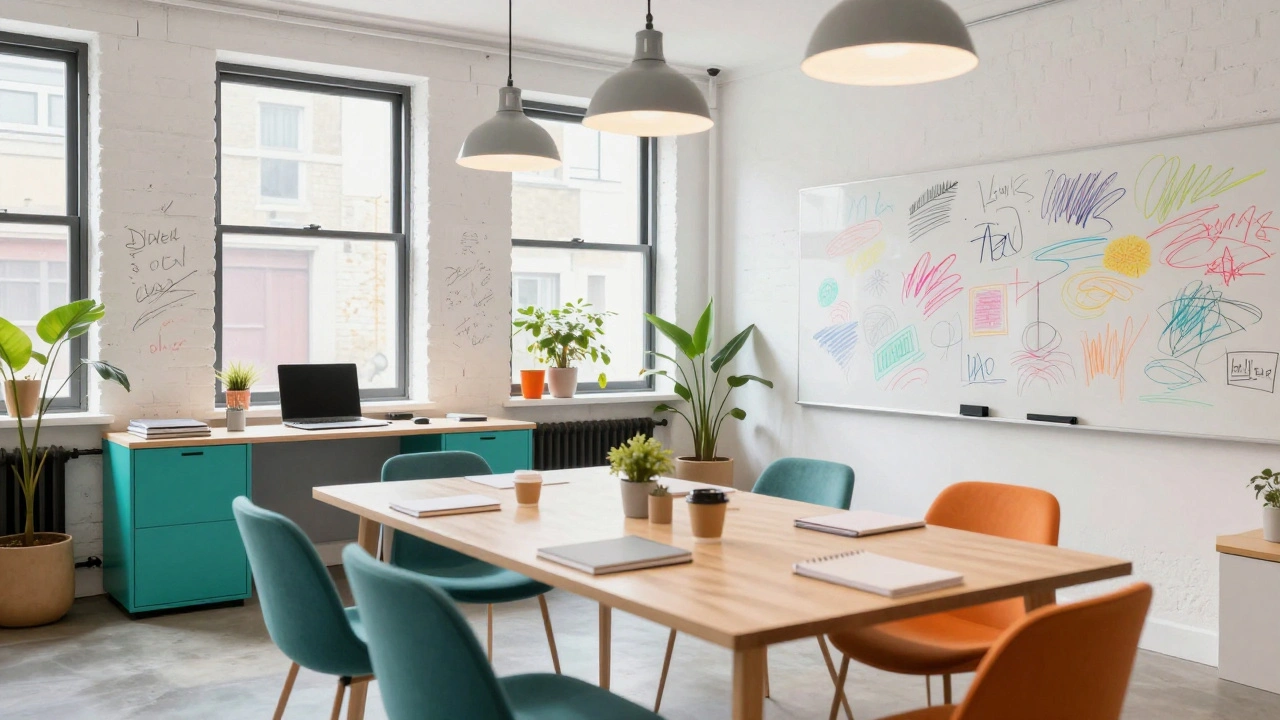
Creative Studios are open-plan or semi-open spaces equipped for collaborative work. These rooms often have writable walls, movable furniture, and a more relaxed vibe. They are popular among marketing teams, designers, and startups who need to brainstorm ideas freely.
Top Neighborhoods for Meeting Room Rentals
London is huge, and where you choose to rent a meeting room depends heavily on your location and budget. Here’s a breakdown of key areas:
- City of London: The financial heart of the city. Expect high-end, corporate-style rooms. Prices are steep, but the infrastructure is unmatched. Ideal for finance, law, and consulting professionals.
- Shoreditch & Hackney: The creative hub. You’ll find quirky, design-led spaces here. Perfect for tech startups, media agencies, and creative industries. The vibe is casual but professional.
- Canary Wharf: Another financial district, but with a more modern feel. Lots of glass towers and state-of-the-art facilities. Great for businesses that want a prestigious address without the old-school stuffiness of the City.
- Kensington & Chelsea: Luxury meets discretion. If you’re dealing with high-net-worth clients or luxury brands, this is the place. The rooms are elegant, quiet, and expensive.
- Soho & Covent Garden: Central and vibrant. Good for hospitality, fashion, and entertainment sectors. Easy access for clients coming from West End venues.
If your clients are scattered across London, choosing a central location like Holborn or King’s Cross can be a strategic move. It minimizes travel time for everyone involved.
How to Book Meeting Rooms by the Hour
Gone are the days when you had to call a hotel conference center and hope they had availability. Today, booking a meeting room is as easy as ordering a ride-share. Here’s how it works:
- Use Online Platforms: Websites like WeWork, Regus, Coworker.com, and local providers like Spacebase or The Office Group allow you to browse spaces, view photos, and read reviews. You can filter by price, capacity, and amenities.
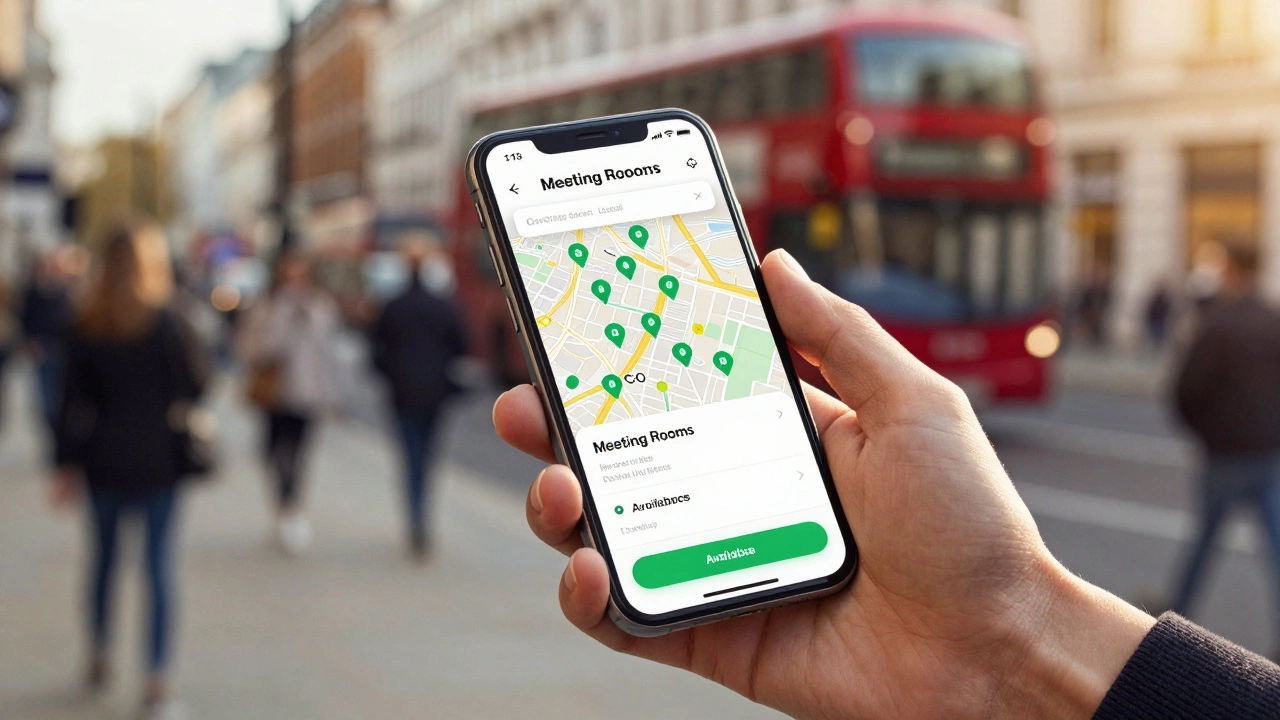
- Check Availability in Real-Time: Most platforms show live availability. If you need a room tomorrow at 2 PM, you’ll know instantly if it’s free. This transparency saves hours of back-and-forth emails.
- Compare Amenities: Don’t just look at the price. Check what’s included. Is Wi-Fi fast enough? Is there a printer? Can you order coffee? Some places charge extra for these basics, while others include them in the hourly rate.
- Book Instantly: Once you’ve chosen a space, you can usually book it immediately with a credit card. No contracts, no long-term commitments. Just pay for the hours you use.
One pro tip: Book during off-peak hours if possible. Early mornings (before 9 AM) and late afternoons (after 5 PM) are often cheaper than midday slots. Weekends can also offer significant discounts.
What to Look for in a Professional Space
When evaluating a meeting room, keep these checklist items in mind:
- Connectivity: Test the Wi-Fi speed if possible. Slow internet can kill a presentation. Look for spaces that advertise "business-grade" or "fiber-optic" connections.
- Audio-Visual Tech: Ensure the room has a screen or projector that works seamlessly with your device. Ask if they provide adapters (HDMI, USB-C) or if you need to bring your own.
- Lighting and Ventilation: Poor lighting causes eye strain and looks bad on camera. Good ventilation ensures the room doesn’t get stuffy during long sessions.
- Accessibility: Is the space wheelchair accessible? Are there nearby public transport links? Consider your guests’ convenience.
- Privacy: If you’re discussing sensitive topics, make sure the room is soundproof. Glass walls look nice, but they aren’t always private.
Cost Breakdown: What Should You Pay?
Pricing varies wildly based on location, size, and provider. Here’s a rough guide to help you budget:
- Budget Options (£10 - £25/hour): Usually found in suburban areas or smaller coworking spaces. Basic amenities, limited tech support.
- Mid-Range (£25 - £60/hour): Common in central London neighborhoods like Shoreditch or Camden. Good balance of quality and price. Includes standard tech and refreshments.
- Premium (£60 - £150+/hour): Found in prime locations like Mayfair or Canary Wharf. High-end furniture, concierge services, catering options, and superior tech.
Remember to check for hidden fees. Some providers charge for cleaning, security deposits, or after-hours access. Always read the fine print before booking.
Tips for Making the Most of Your Rental
Once you’ve booked the room, here’s how to ensure your meeting goes smoothly:
- Arrive Early: Give yourself 10-15 minutes to set up. Test the microphone, connect to the screen, and arrange the chairs. Rushing creates stress.
- Bring Backup Gear: Even if the room has tech, bring your own charger, adapter, and clicker. Technology fails; be prepared.
- Respect the Space: Treat the room as if it were your own. Clean up after yourself, return furniture to its original position, and dispose of trash properly. This ensures good relationships with the provider and leaves a positive impression on future users.
- Leverage Local Perks: Many meeting room providers offer discounts at nearby cafes or gyms. Take advantage of these to enhance your experience.
Alternatives to Traditional Meeting Rooms
If a traditional meeting room doesn’t fit your needs, consider these alternatives:
- Coworking Day Passes: If you need a full day of work, not just a meeting, a day pass at a coworking space might be more cost-effective. You get a desk, Wi-Fi, and access to meeting rooms.
- Hotel Business Centers: Many hotels offer business centers with meeting rooms. These can be convenient if you’re already staying at the hotel or need a very formal setting.
- University Spaces: Some universities rent out their lecture halls or seminar rooms to the public. These can be affordable options for larger groups.
- Virtual Meeting Platforms: Sometimes, the best meeting room is digital. Tools like Zoom, Microsoft Teams, and Google Meet have improved significantly. Use them when face-to-face interaction isn’t strictly necessary.
Future Trends in Flexible Workspace
The way we work is evolving. Here’s what to expect in the near future:
- Hybrid Models: More companies will adopt hybrid work policies, increasing demand for flexible meeting spaces. Providers will adapt by offering more integrated solutions for remote teams.
- Smart Rooms: Expect more automation. Booking systems that integrate with your calendar, voice-controlled lighting, and self-service check-ins will become standard.
- Sustainability: Eco-friendly practices will be a major selling point. Look for spaces with green certifications, energy-efficient appliances, and waste reduction programs.
- Wellness Focus: Mental health is gaining importance. Future spaces may include meditation rooms, better air filtration, and natural light optimization to promote well-being.
As London continues to grow as a global business hub, the flexibility and variety of meeting room rentals will only increase. By understanding your needs and knowing where to look, you can find the perfect space for any occasion.
How much does it cost to rent a meeting room in London per hour?
Prices vary widely depending on location and amenities. Budget options start around £10-£25 per hour, mid-range spaces cost £25-£60, and premium rooms in central London can exceed £100 per hour. Factors influencing price include neighborhood, room size, tech inclusion, and brand reputation.
Can I book a meeting room for just one hour?
Yes, most providers offer hourly bookings. Many platforms allow you to book in increments of one hour. However, some premium spaces may have a minimum booking duration of two or three hours. Always check the terms before confirming your reservation.
Are meeting rooms suitable for video conferences?
Absolutely. Most modern meeting rooms are equipped with high-speed Wi-Fi, webcams, microphones, and large screens specifically designed for video conferencing. When booking, look for keywords like "video-ready" or "AV equipped" to ensure the space meets your technical needs.
Do I need a membership to rent a meeting room?
No, many providers offer ad-hoc bookings for non-members. While members often get discounted rates, you can usually pay a slightly higher fee to book as a guest. Platforms like Coworker.com aggregate listings from various providers, making it easy to find non-member friendly options.
What happens if my meeting runs over time?
Policies vary by provider. Some allow you to extend your booking online for an additional fee, while others may charge an overtime rate. It’s best to communicate with the space manager if you anticipate running late. To avoid surprises, check the cancellation and extension policy before booking.
Is catering available in rented meeting rooms?
Many premium meeting rooms offer catering options, including coffee, tea, and light snacks. Some partner with local caterers for full meals. Basic rooms may only provide water and self-service coffee machines. If food is important for your event, confirm catering availability and costs in advance.
Where are the best areas in London for finding affordable meeting rooms?
Areas outside the immediate city center tend to be more affordable. Neighborhoods like East London (Hackney, Dalston), South London (Brixton, Peckham), and West London (White City, Acton) often offer competitive rates. Suburban hubs near major train stations can also provide good value with easier access for wider audiences.