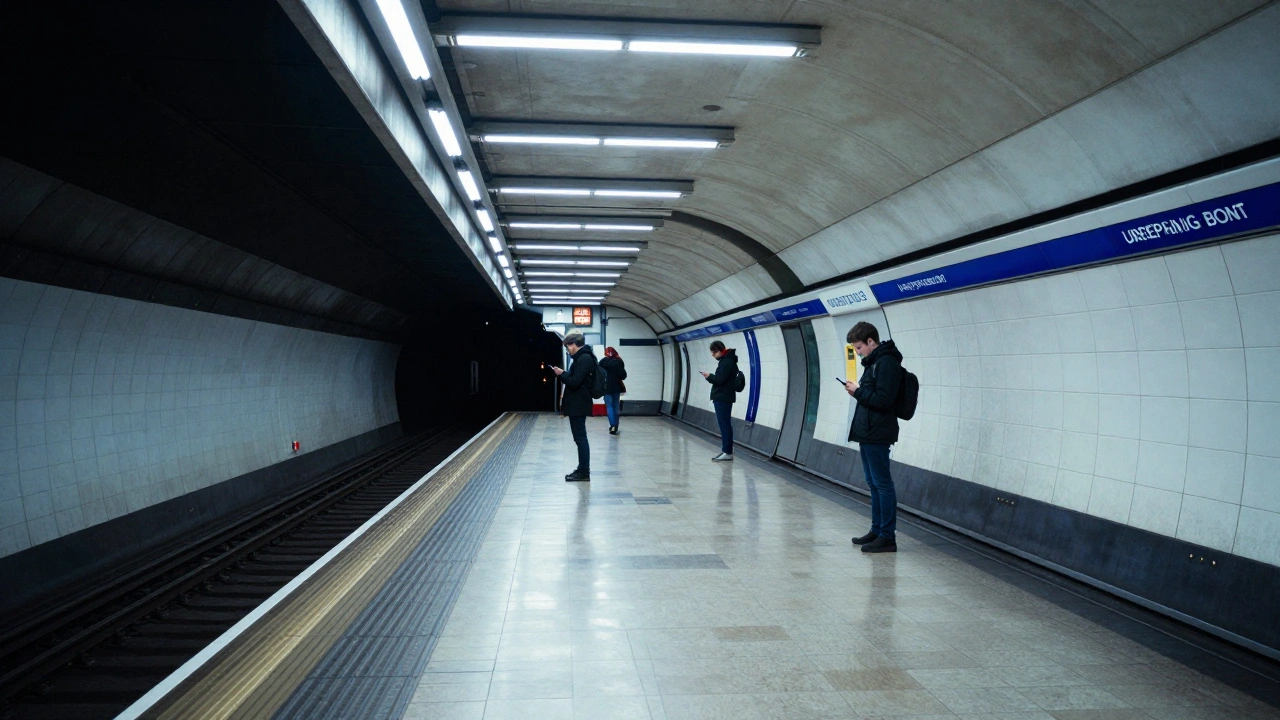
Quick Essentials
- When: Only Friday and Saturday nights (running into Saturday and Sunday mornings).
- Which Lines: Central, Jubilee, Northern, and Piccadilly lines (selected sections).
- Cost: Standard off-peak fares apply; use contactless or Oyster.
- Frequency: Trains usually run every 20-30 minutes, significantly slower than daytime service.
Which Lines Actually Run All Night?
One of the biggest mistakes people make is assuming the whole London Underground is open. It isn't. If you try to take the District or Circle line at 2:00 AM, you'll find a shuttered station and a very quiet platform. The Night Tube operates on a limited subset of the network. First, you have the Central line, which is a lifesaver for anyone moving between the West End and East London. It generally runs the full length from Ealing Broadway to Central London, though the eastern branches can vary. Then there's the Jubilee line, which is the gold standard for night travel, connecting the nightlife of Canary Wharf with the clubs of the West End. The Northern line is a bit more complex. It typically runs 24 hours on the Charing Cross branch, meaning if you're heading toward Camden or Leicester Square, you're golden. Finally, the Piccadilly line serves the crucial link between Heathrow Airport and the city center, which is a massive win for travelers landing on a Friday night who don't want to pay for a private car.| Line | Primary Night Route | Best For... |
|---|---|---|
| Central | Ealing Broadway to Central London | Crossing the city east-to-west |
| Jubilee | Stanmore to North Greenwich | Canary Wharf and O2 Arena trips |
| Northern | Charing Cross Branch (selected) | North London and West End access |
| Piccadilly | Heathrow to Central London | Airport transfers and South Kensington |
The Logistics: Paying and Timing
Forget searching for a ticket machine in the middle of the night. The Night Tube uses the same payment ecosystem as the daytime service. You just tap your Oyster card or a contactless credit card at the yellow reader. Interestingly, the pricing doesn't spike just because it's 4:00 AM. You'll be charged the off-peak fare, which is often cheaper than the rush-hour commute. However, the real challenge isn't the cost-it's the wait. During the day, trains on the Jubilee line might arrive every 2 minutes. On the Night Tube, you're looking at 20 to 30-minute intervals. If you miss a train, you're not just waiting a moment; you're potentially waiting half an hour in a cold station. Always check the TfL Go app for real-time departures before you descend the escalators.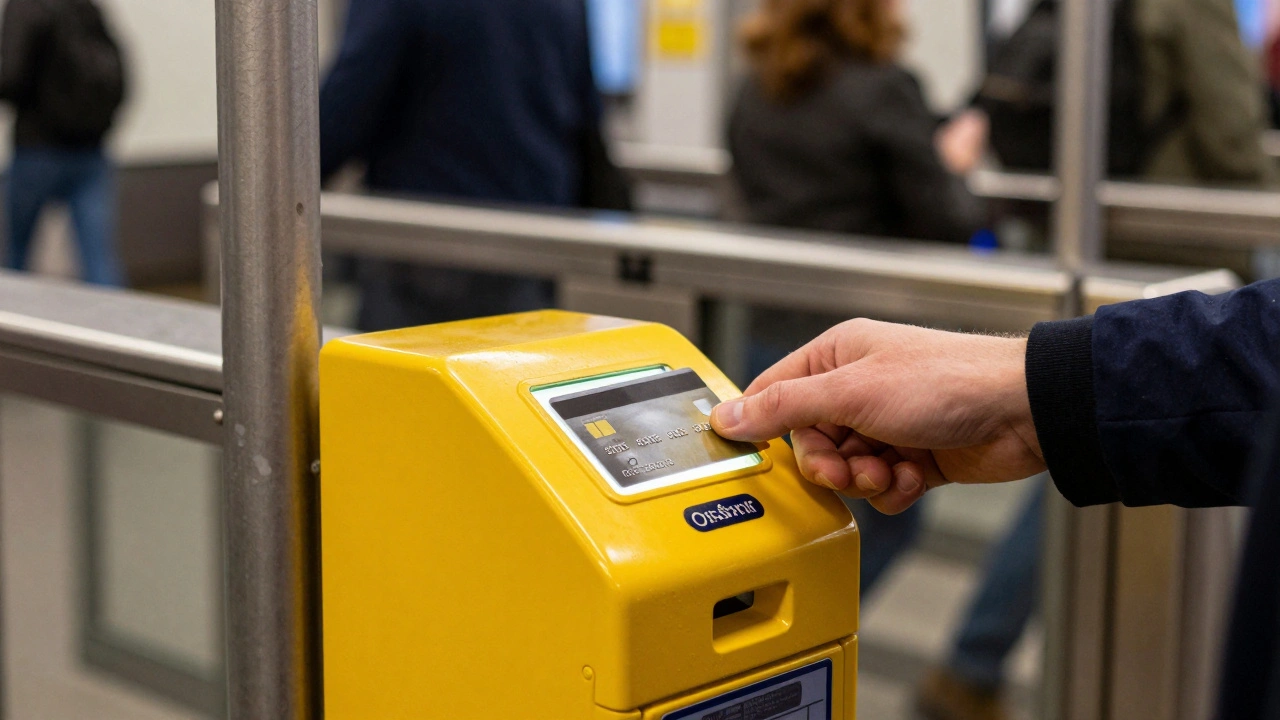
Knowing the Gaps: When the Tube Isn't Enough
Even with four lines running, huge chunks of London remain unreachable by rail at 3:00 AM. If you live in a part of the city not served by these specific lines, you need a backup plan. This is where the Night Bus network comes into play. While the Night Tube is faster, the night bus network is far more extensive. If you're in a neighborhood like Hackney or Brixton and the nearest Night Tube station is too far, look for the buses with an 'N' prefix (like the N29). These are designed to overlap with the tube's blind spots. A pro tip: if you're unsure, head toward a major hub like Oxford Circus or Bank. These areas usually have both Night Tube access and multiple night bus routes, giving you a "fail-safe" way to get home.Safety and Survival Tips for Late-Night Travel
Traveling at 4:00 AM is a different experience than the 9-to-5 rush. The carriages are emptier, and the atmosphere is a bit more unpredictable. First, stick to the main platforms. If a station feels too quiet or deserted, wait for the train in an area where staff are visible. Keep an eye on your surroundings, especially when exiting the station. The transition from a bright, sterile tube platform to a dark street can be jarring. If you're traveling alone, share your live location with a friend via WhatsApp or Google Maps until you've walked through your front door. Also, be mindful of the "last train" logic. While the Night Tube is 24 hours, some connecting services or specific branch lines might still have a final departure. If you're transferring from a non-24-hour line to a Night Tube line, make sure your first leg is guaranteed.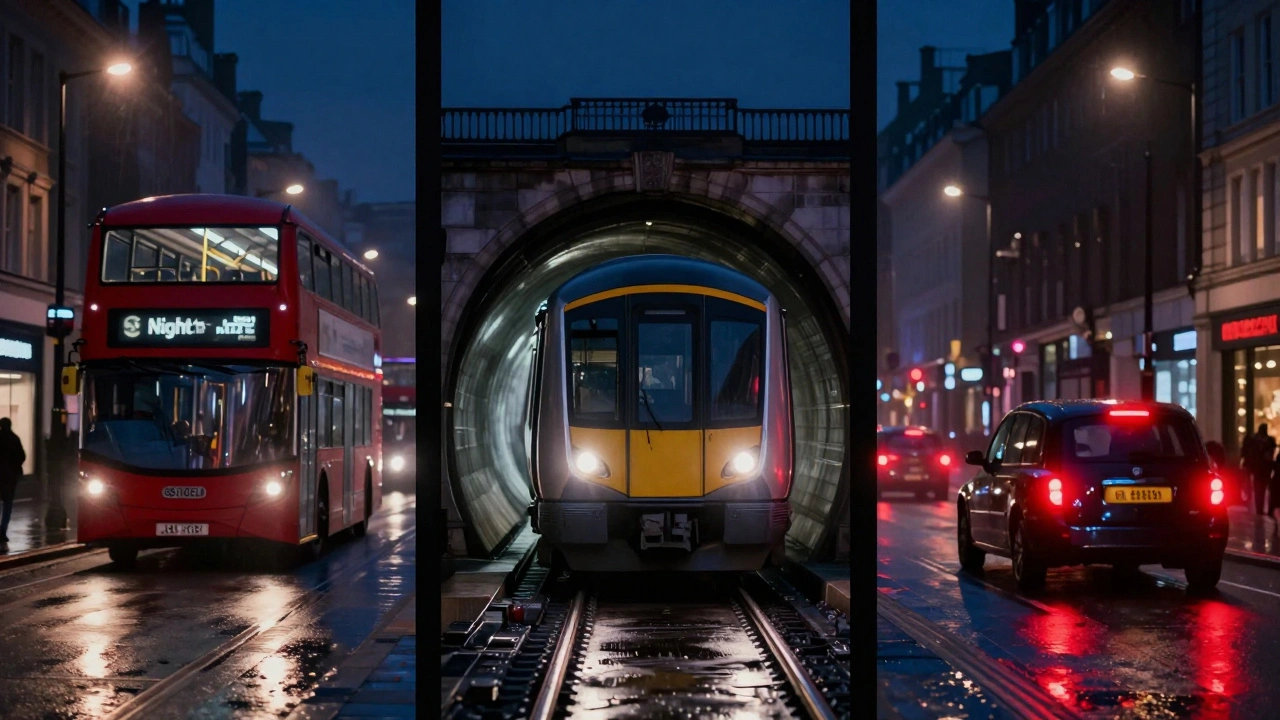
Comparing Your Night Options
Choosing between the Night Tube, a night bus, or a ride-share depends entirely on your budget and your destination. A ride-share is the fastest and most private, but the "surge pricing" on a Saturday night can be astronomical-sometimes five times the normal rate. The Night Tube is the middle ground: faster than the bus and cheaper than a car. The night bus is the most affordable and comprehensive, but it can take an hour to cover a distance the tube does in fifteen minutes.| Feature | Night Tube | Night Bus | Ride-Share (Uber/Bolt) |
|---|---|---|---|
| Speed | Fast | Slow | Fastest |
| Cost | Low (Off-peak) | Lowest | High (Surge) |
| Coverage | Specific Lines | City-wide | Door-to-door |
| Wait Time | 20-30 mins | 10-20 mins | 5-15 mins |
Common Pitfalls to Avoid
Don't assume every station on a 24-hour line is open. Some smaller stations might be closed for maintenance or simply not staffed for the night service. Always check the specific station status on the TfL website. Another common error is ignoring the direction of travel. In the disorientation of the early morning, it's easy to board a train going the opposite way. Remember that on the Northern line, the branches split. If you're on the Bank branch and need the Charing Cross branch, you'll need to swap at a junction station. If you get off at the wrong stop, don't panic-just head back to the platform and wait for the next one, but remember that the 20-minute gap feels much longer when you're tired.Does the Night Tube run every night?
No, the Night Tube only operates on Friday and Saturday nights. It does not run on Sunday through Thursday. For travel on those nights, you will need to rely on the Night Bus network or private hire vehicles.
Is the Night Tube more expensive than daytime travel?
No, it is not. The Night Tube typically uses off-peak pricing, meaning it is often cheaper than traveling during the weekday morning or evening rush hours.
Which lines are part of the Night Tube?
The service currently covers the Central, Jubilee, Northern, and Piccadilly lines, although not every single station or branch on these lines is open 24 hours.
How do I pay for the Night Tube?
Payment is the same as any other tube journey. You can use a contactless payment card, a mobile wallet (like Apple Pay or Google Pay), or a valid Oyster card. There is no need to buy a special night ticket.
What happens if a Night Tube line is suspended?
If a line is suspended, TfL usually provides alternative bus routes or recommends using the Night Bus network. Check the TfL Go app or the official TfL Twitter/X feed for live updates on disruptions.