
Quick Takeaways for Pet Owners
- Landlords can't blanket-ban pets without a good reason under current UK government guidance.
- "Pet CVs" are the secret weapon for winning over cautious owners.
- Deposits are capped at five weeks' rent regardless of whether you have a pet.
- Always get pet permissions in writing to avoid disputes during move-out.
The Reality of Renting with Pets in the UK
First, let's clear up a huge misconception. You might think that if a contract says "No Pets," you're out of luck. In reality, the UK Government is the central authority that provides guidance on rental housing and tenant rights has urged landlords to be more flexible. They've essentially told landlords that a blanket ban on pets is often unreasonable. While it's not a law that says "you MUST accept a dog," it is a strong recommendation that makes it much easier for you to negotiate.
The pet-friendly rentals London market is competitive. You aren't just competing with other pet owners; you're competing with everyone. When a landlord sees a pet, they don't see a cute companion; they see potential scratches on the hardwood floors, smells in the carpets, and noise complaints from the neighbor in 4B. To win, you have to flip that script. You need to prove that your pet is an asset-or at least a non-liability-to the property.
How to Win Over a Skeptical Landlord
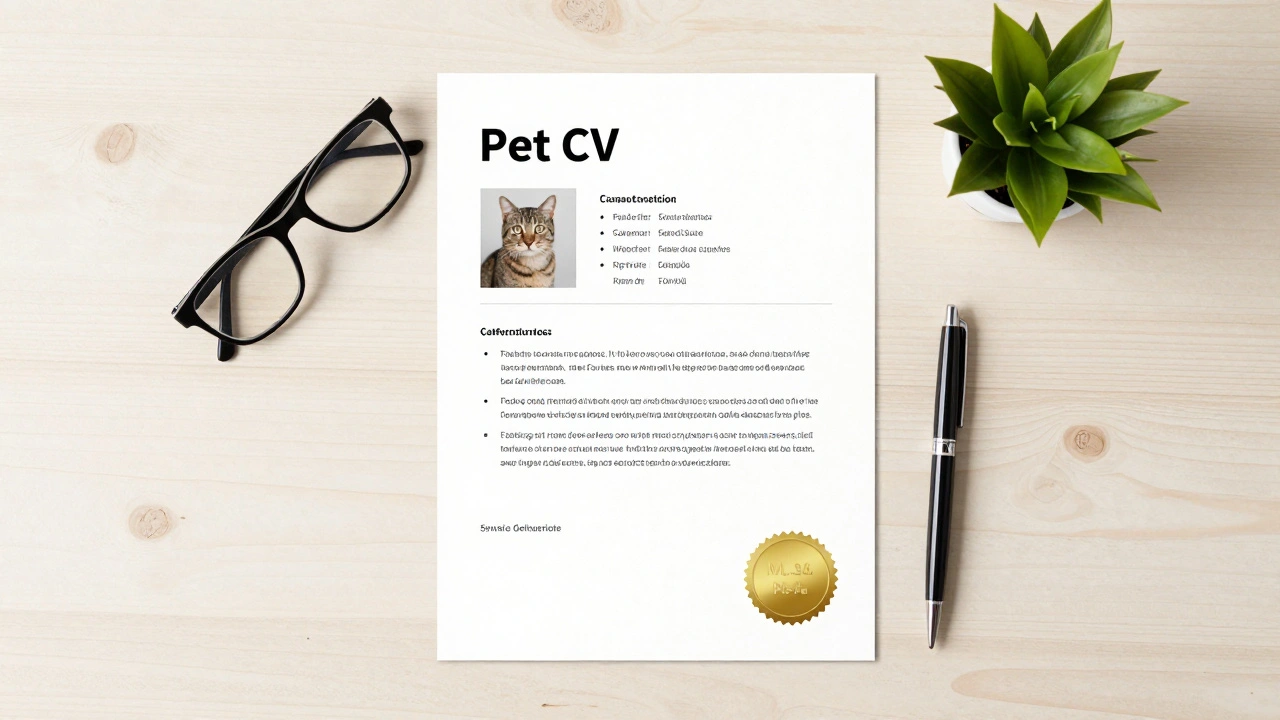
If you want a landlord to say yes, you need to provide a Pet CV is a document detailing a pet's behavior, training, and health history to reassure landlords. This sounds overkill, but in a city where ten people are applying for one studio, it's the professional touch that works. Don't just say "my dog is good." Show them.
What goes into a winning Pet CV? Start with a high-quality photo-cuteness counts. Include the pet's age, breed, and weight. More importantly, list their training credentials. Does your dog attend a local training class? Do they have a "good boy" certification from a previous landlord? A reference from a former landlord specifically mentioning that the pet caused no damage is gold. If you have a cat, mention that they are neutered and use a scratching post, not the sofa.
When you first message an agent, don't lead with "Do you allow pets?" Instead, say "I have a well-trained, older Golden Retriever with excellent references from my previous three landlords." By framing it this way, you've already answered the landlord's fears before they even had a chance to think of them.
Understanding Deposits and the Five-Week Cap
One of the biggest points of confusion is the money. You might remember a time when landlords asked for a "pet deposit"-an extra chunk of cash just for the animal. Here is the critical part: under the Tenant Fees Act 2019 is the UK legislation that banned most letting fees and capped security deposits, security deposits are capped at five weeks' rent if the annual rent is under £50,000.
This means a landlord cannot legally ask for a six-week deposit just because you have a cat. They can't charge a separate "pet fee" either. If they try to tell you there's a £200 non-refundable pet fee, they are likely breaking the law. The only legal way for a landlord to get extra security is to ask for a guarantor-someone who agrees to pay the rent or damages if you can't.
| Feature | Standard Tenant | Pet-Owning Tenant |
|---|---|---|
| Max Security Deposit | 5 Weeks Rent | 5 Weeks Rent (Same Cap) |
| Upfront Pet Fees | N/A | Illegal (under Tenant Fees Act) |
| Cleaning Requirements | Professional clean at end | Professional clean (including pet hair/dander) |
| Insurance Requirement | Optional | Pet-specific renters insurance (Recommended) |
Navigating the Lease Agreement
Once you've got the verbal "yes," the real work begins. You need to make sure that permission is written into the contract. A verbal agreement with a landlord is useless if the property management company decides to evict you six months later because the lease says "no pets."
Ask for a Pet Addendum is a legal amendment to a rental agreement that specifies the rules and responsibilities regarding pets. This document should clearly state which pets are allowed (be specific: "one adult male Labrador named Buster") and what your responsibilities are.
Be careful with wording like "reasonable wear and tear." While a few scratches on a door might be considered normal in some contexts, a chewed-up baseboard is definitely not. Agree on what constitutes "damage" versus "wear" before you move in. For example, if the carpet is already worn, take photos of it on day one. This prevents the landlord from blaming your dog for a stain that was there before you arrived.

Practical Tips for Living with Pets in London Flats
London living usually means small spaces. If you're in a second-floor walk-up in Hackney or a tiny studio in Southwark, your pet's behavior is your biggest risk factor. A barking dog in a thin-walled apartment is the fastest way to get a warning letter from the landlord.
Consider these practical steps to maintain a good relationship with your landlord and neighbors:
- Invest in high-quality air purifiers. This removes the "dog smell" that can linger in small apartments, which is often what landlords fear most.
- Use a "doggy day-care" or walker. If you work 9-to-5 in the City, a bored dog is a destructive dog. Showing your landlord that you have a professional walker reduces their anxiety about your furniture.
- Focus on "The First Impression." When the landlord comes for an inspection, make sure the place is spotless. If they see a clean home, they'll assume the pet is clean too.
Dealing with Disputes and Evictions
What happens if the landlord changes their mind? Or if they claim your cat has ruined the flooring? This is where Citizens Advice is a UK-based network of independent advice bureaus providing free legal and consumer guidance becomes your best resource. If you've followed the rules and the pet hasn't caused damage, you have significant protections.
If a landlord tries to evict you specifically because of a pet, they usually need to prove that the pet is causing a "nuisance" or "significant damage." They can't just wake up one day and decide they don't like dogs. However, if your dog is howling at 3 AM every night and the neighbors are complaining, you are on thin ice. Document everything. If you've spent money on professional carpet cleaning or anti-scratch mats, keep the receipts. This proves you've taken "reasonable steps" to protect the property.
Can a landlord charge me a higher rent because I have a pet?
Legally, they cannot charge a specific "pet fee," but they can set the overall rent price higher for the property. However, if you are already in a lease and the landlord suddenly decides to raise the rent just because you got a pet, that is generally not allowed unless the contract specifically allows for rent reviews based on occupancy changes.
What happens if my pet causes damage to the flat?
The landlord will typically deduct the cost of repairs from your security deposit. This is why it is important to have a detailed move-in inventory. If your dog chews a door frame, you'll likely have to pay for the repair. To avoid this, many tenants opt for pet-specific insurance that covers accidental damage to a rental property.
Can I keep a pet if my contract says "No Pets" but the landlord says it's okay verbally?
This is very risky. If the landlord sells the property or changes their mind, the written contract is what the law looks at. Always get the permission in writing-even a simple email or text message is better than nothing, but a formal addendum to the lease is the only way to be 100% safe.
Are there specific areas in London that are more pet-friendly?
Generally, areas with more green space like Richmond, Hampstead, or Greenwich tend to have landlords who are more accustomed to dog owners. However, it's more about the individual landlord than the neighborhood. Always check the proximity to the nearest park before signing a lease; a pet that can get outdoors easily is a pet that behaves better indoors.
What is a Pet CV and how do I make one?
A Pet CV is a one-page document that introduces your pet to the landlord. It should include a photo, the pet's breed, age, vaccination status, and a list of their "good behaviors" (e.g., crate trained, doesn't bark at neighbors). The most important part is a reference from a previous landlord confirming that your pet didn't cause any damage to their property.
Next Steps for Future Tenants
If you're just starting your search, don't get discouraged by the first few "No Pets" responses. Start by building your Pet CV and gathering references. When you find a place you love, don't be afraid to offer a slightly longer lease term or suggest a "trial period" where the landlord can inspect the property after one month to ensure everything is okay. Most landlords just want peace of mind; if you can provide that, you'll find your perfect London home.