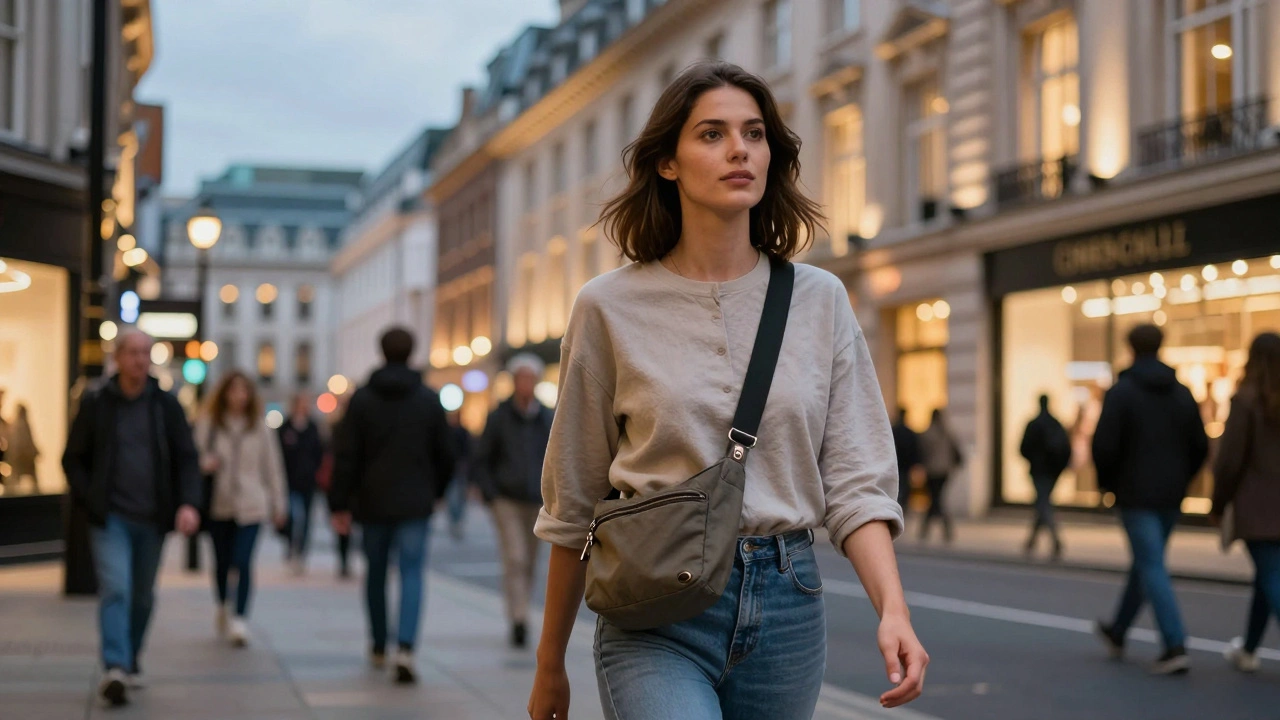
Walking down Oxford Street at midnight might feel like a scene from a thriller movie if you’re new to the city. The lights are bright, the crowds are thick, and your phone is right there in your pocket. But here’s the truth: London is generally one of the safest major cities in the world for tourists. It’s not perfect-no big city is-but with a little awareness, you can avoid the usual traps that make headlines.
This guide cuts through the fear-mongering. We’ll look at where it’s actually safe to walk, what specific risks exist in 2026, and how to protect yourself without living in constant anxiety. Whether you’re staying in Covent Garden or exploring Camden, these practical steps will keep your trip smooth and stress-free.
The Reality of Crime in London
Let’s get the stats out of the way first. According to data from the Metropolitan Police Service (the Met), violent crime rates have fluctuated over the last decade, but property crime against tourists remains the most common issue. You are far more likely to lose your wallet to a distraction technique than to be mugged at knifepoint.
The concept of "safe" is relative. In London, safety often depends on time, location, and behavior. A street that feels electric and fun at 10 PM on a Saturday might feel empty and slightly uneasy at 3 AM on a Tuesday. Understanding this rhythm is key.
- Pickpocketing: This is the #1 threat. It happens on the Tube, in busy markets, and outside major attractions.
- Scams: From fake petition signers to shoe shiners who demand payment, these are designed to steal cash quickly.
- Anti-social behavior: Drunk crowds near nightlife districts can lead to accidental bumps, spilled drinks, or arguments.
Most visitors leave London unharmed because they stick to common sense. The goal isn’t to hide in your hotel; it’s to navigate the city smartly.
Safest Neighborhoods for Tourists
Some areas are naturally safer due to high foot traffic, good lighting, and visible police presence. If you’re booking accommodation, these zones are excellent choices for peace of mind.
| Neighborhood | Safety Level | Best For | Risks to Watch |
|---|---|---|---|
| Westminster | Very High | First-time visitors, sightseeing | Pickpockets near Buckingham Palace |
| Kensington & Chelsea | Very High | Luxury shopping, museums | Low risk; mostly petty theft |
| Covent Garden | High | Dining, theatre, evening walks | Crowd crushes, street performers demanding tips |
| Shoreditch | Medium-High | Nightlife, trendy bars | Drunk crowds late night, occasional noise |
| Greenwich | High | Day trips, parks, views | Isolated spots after dark near the docks |
Westminster is the heart of tourism. With landmarks like Big Ben and Westminster Abbey, there are always people around. Police visibility is high here, which deters serious crime. However, the sheer number of tourists makes it a hotspot for pickpockets. Keep your bag zipped and in front of you.
Kensington & Chelsea offers a quieter, more upscale experience. Streets are well-lit, and residential properties mean fewer rowdy crowds. It’s ideal if you prefer a calm evening stroll rather than clubbing. The British Museum area is also very secure, though again, watch your pockets in the reading rooms or crowded galleries.
Covent Garden is vibrant and usually safe until the early hours. The main risk here is getting swept up in large crowds during events or holidays. Stay aware of your surroundings, especially when crossing side streets where lighting drops off.
Areas to Approach with Caution
No part of London is completely off-limits, but some places require extra vigilance, especially after dark. These aren’t “danger zones” in the Hollywood sense, but they have higher rates of anti-social behavior or isolated incidents.
- Elephant & Castle: While gentrifying rapidly, some side streets can feel desolate at night. Stick to the main road and take a taxi if heading home late.
- Tottenham: North London has seen sporadic violence. Avoid wandering alone in poorly lit parks or alleyways after midnight.
- Brixton Market Area: During the day, it’s lively and safe. At night, certain blocks can become chaotic due to nightlife spillover.
- Whitechapel: Historically notorious, now largely transformed. Still, avoid backstreets near Brick Lane late at night unless you’re with a group.
If you find yourself in one of these areas and feel uncomfortable, trust your gut. Walk confidently toward a brightly lit shop, café, or tube station. Most locals will help if you ask politely.
Transport Safety: Tube, Bus, and Walking
Getting around London is easy, but transport hubs are prime targets for thieves. Here’s how to stay safe while commuting.
On the Underground (Tube)
The Tube runs late, but empties out after midnight. On peak hours (7-9 AM, 5-7 PM), stations are packed. Pickpockets work in teams-one creates a distraction (spilling coffee, asking for directions), while another lifts your wallet.
- Stand near the driver: If possible, position yourself close to the cab. Thieves prefer exits away from staff.
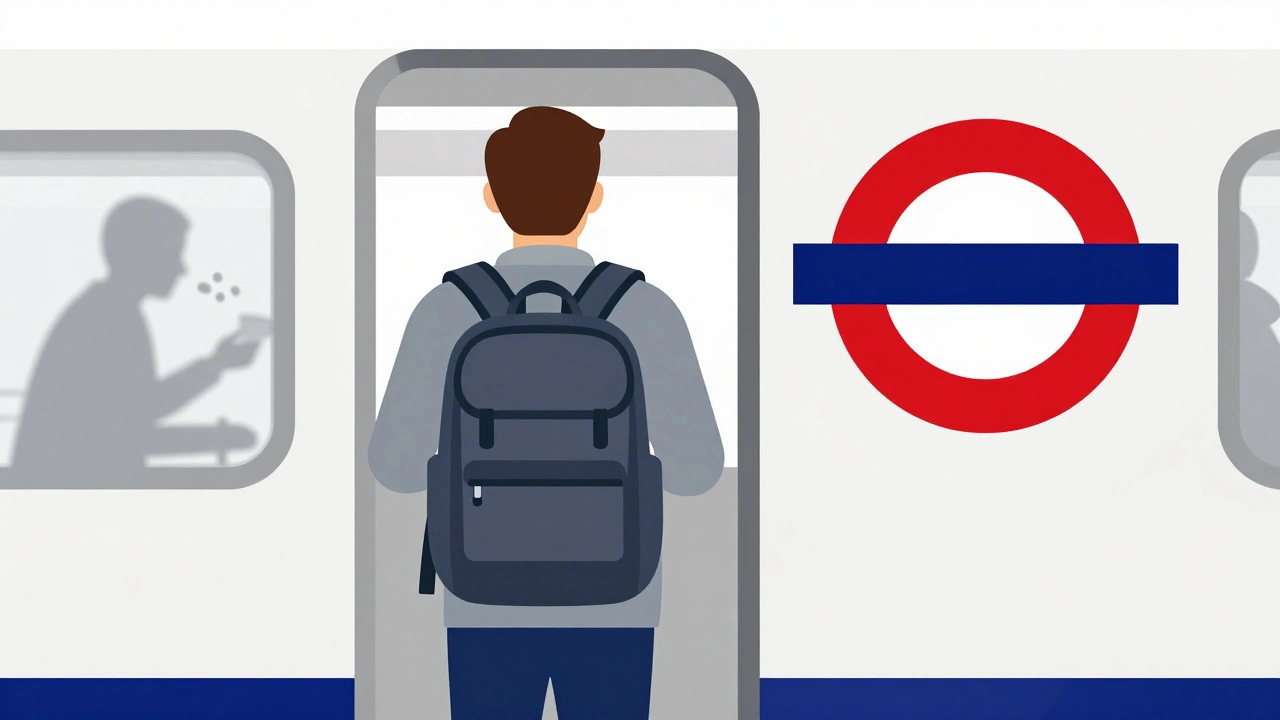
- Keep bags closed: Use cross-body bags with zippers facing inward. Backpacks should be worn on your front in crowded carriages.
- Avoid sleeping: Even a quick nap on a late-night train can cost you your phone or passport.
Lines like the Central and Northern are busier and thus riskier for petty theft. The Jubilee and Victoria lines tend to be cleaner and better monitored.
On Buses
Buses are generally safer than the Tube because drivers see everything. However, window seats near doors are vulnerable to snatch-and-grab attempts as the bus stops. Sit toward the middle if possible, and never hang your phone out the window.
Walking at Night
London is walkable, but plan your route. Stick to main roads with shops still open. Avoid shortcuts through parks like Hyde Park or Regent’s Park after dusk-they’re beautiful by day but poorly lit and isolated by night.
If you must walk late, use Uber or Bolt instead of hailing a black cab randomly. Licensed taxis are safe, but ride-sharing apps give you tracking and driver details.
Common Scams Targeting Tourists
Scammers rely on politeness and confusion. They know tourists don’t want to cause a scene. Recognizing these tactics saves you money and frustration.
- The Petition Scam: Someone hands you a clipboard saying, “Sign for charity.” Once signed, they demand £5-£10. Refuse firmly and walk away.
- The Friendship Bracelet: Young women tie bracelets around your wrist “for free.” When you try to remove them, they insist you pay. Don’t let them touch your wrists.
- Fake Shoe Shine: A person starts polishing your shoes without asking. Stop immediately. Say “No thank you” clearly and keep walking.
- Overpriced Drinks: Some clubs near Piccadilly Circus charge absurd prices (£15+ per drink). Check menus before ordering. Legitimate venues display prices clearly.
Remember: No legitimate charity asks for cash on the street. No friendly gesture requires payment. If it feels too good to be true, it probably is.

Emergency Contacts and Resources
In case of emergency, knowing who to call matters. Save these numbers before you arrive.
- 999: Emergency services (police, ambulance, fire). Call only for life-threatening situations.
- 101: Non-emergency police line. Report lost items, minor crimes, or suspicious activity.
- 111: NHS medical advice. Not an ambulance service, but useful for non-urgent health issues.
- British Embassy: If your passport is stolen, contact your country’s embassy immediately. Register your trip beforehand via their website.
Download the City of London Police app for real-time alerts and reporting tools. Many hotels also offer safe deposit boxes-use them for passports and extra cash.
Practical Tips for Staying Safe
Safety isn’t just about avoiding bad areas-it’s about building habits. Follow these simple rules to reduce risk significantly.
- Copy your documents: Keep digital copies of your passport, visa, and insurance policy in cloud storage. Carry one photocopy separately from the original.
- Use separate wallets: Carry small change in a front pocket. Leave credit cards and bulk cash in a hidden inner pouch.
- Stay sober-aware: Alcohol lowers judgment. Know your limit. Never leave drinks unattended in bars.
- Blend in: Avoid looking like a tourist. Ditch the map-apparent stance. Wear casual clothes instead of flashy jewelry.
- Trust locals: Ask shopkeepers or office workers for direction. They’re more reliable than random strangers on the street.
Also, consider buying a disposable SIM card upon arrival. Having local data means you can access maps, translation apps, and emergency contacts without relying on public Wi-Fi-which can be insecure.
What to Do If Something Goes Wrong
Even with precautions, things can go wrong. Here’s how to respond calmly and effectively.
- If robbed: Don’t resist. Hand over valuables if threatened. Your safety is worth more than any object. Note descriptions and report to police within 24 hours.
- If pickpocketed: Freeze. Check all bags and pockets. Retrace your steps mentally. File a report at the nearest police station-even if recovery seems unlikely, it helps with insurance claims.
- If harassed: Speak loudly. Say “Stop!” or “Help!” Draw attention. Most harassers flee when confronted publicly.
- If lost: Find a police box (blue kiosk) or enter a bank/store. Staff can assist or call authorities.
Insurance is critical. Ensure your travel policy covers theft, medical emergencies, and trip cancellation. Read the fine print-many policies exclude losses due to negligence (e.g., leaving luggage unattended).
Is London safe for solo female travelers?
Yes, London is considered safe for solo female travelers. Millions visit each year without incident. Stick to well-lit areas, avoid walking alone in parks after dark, and use trusted transport options. Many women report feeling safer in London than in other European capitals due to strong policing and community awareness.
Can I walk around London at night?
Absolutely. Central London stays busy until late. Areas like Soho, Covent Garden, and Southbank are lively and safe. Just avoid isolated alleys and stick to main roads. Always have a charged phone and know your next tube stop.
What should I do if my phone is stolen?
Immediately lock your device remotely using Find My iPhone or Android Device Manager. Change passwords for email and banking apps. Report the theft to the Met Police via 101 or online. Contact your provider to block the SIM. Keep proof for insurance reimbursement.
Are there safe neighborhoods near the airport?
Heathrow Airport is surrounded by relatively quiet suburbs like Hounslow and Hayes. They’re safe for short stays. For longer visits, head into central London via the Heathrow Express. Avoid unlicensed taxis outside terminals-use official ranks or pre-booked rides.
How do I recognize a police officer in London?
Regular officers wear navy blue uniforms with badges. Traffic wardens wear high-vis vests. Be cautious of individuals claiming to be police who ask for ID or money-real officers won’t request payment. Verify identity by asking for badge number and calling 101 to confirm.