Sherlock Holmes’ London: Arthur Conan Doyle and 221B Baker Street
Walk down Baker Street today, and you’ll see a blue plaque where most people would just see an office building. Yet, for millions of fans, Sherlock Holmes is the world’s most famous fictional detective who operated from 221B Baker Street. He never existed, yet his address is etched into the city’s history. This isn’t just about a story; it’s about how fiction reshaped reality in Victorian London. If you’re planning a visit or just want to understand the magic behind the myth, this guide breaks down the truth versus the legend without the fluff.
You might wonder why a fake apartment number holds such power over tourists and locals alike. The answer lies in the craftsmanship of the author and the timing of publication. We aren’t just talking about books here; we are discussing a cultural landmark that changed how we view crime detection forever.
The Man Who Created a Legend
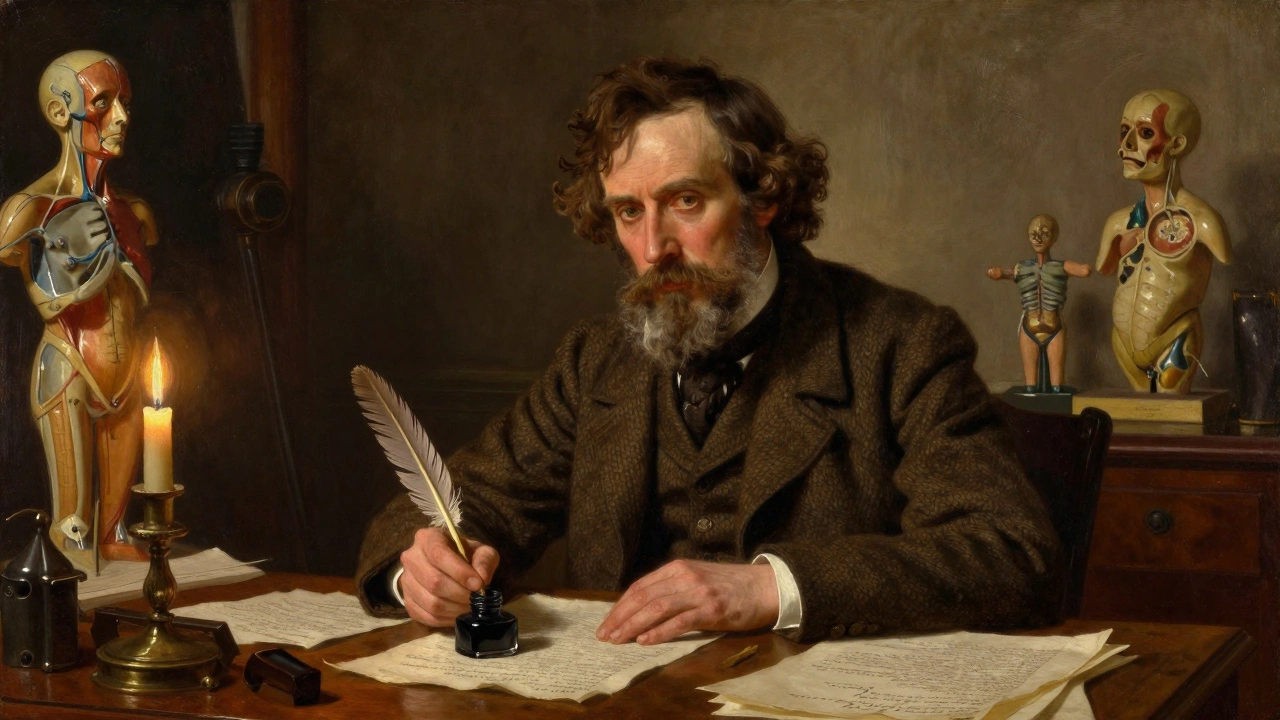
To understand the house, you have to understand the doctor. Arthur Conan Doyle is a Scottish physician and writer who created the character of Sherlock Holmes in 1887. Before he wrote fiction, he practiced medicine at the Royal Northern Hospital. He needed money, and stories provided it better than patient fees did. His medical background gave him something rare for that era: attention to forensic detail.
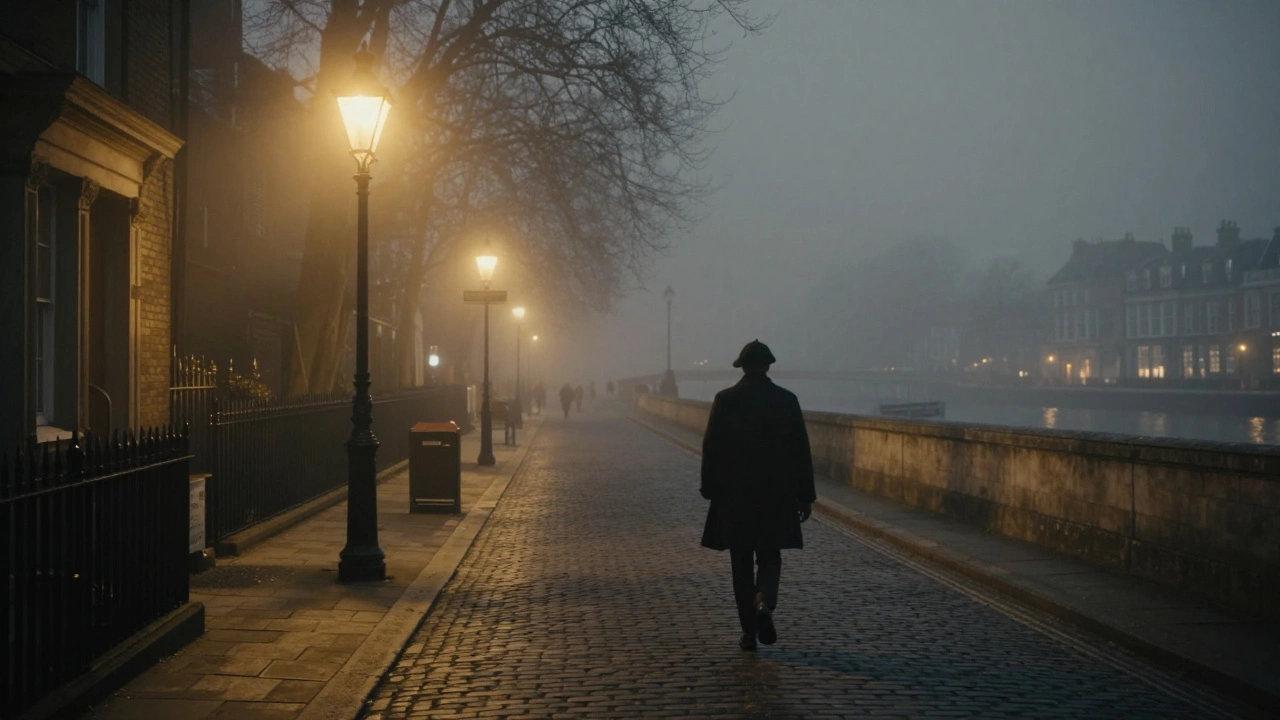
Imagine London in the late 1800s. Gaslight flickered in the streets, fog rolled off the Thames, and the police force was still learning modern investigative techniques. Conan Doyle saw gaps in the system. He created a character who could fill those gaps using logic and observation alone. This wasn’t just entertainment; it was a critique of contemporary law enforcement. Doyle wanted to show that science could solve mysteries, even if his hero was fictional.
- First appeared in “A Study in Scarlet” (1887)
- Penultimate story placed Holmes on the rooftop of St. Bartholomew’s Hospital
- Published across multiple platforms including periodicals and collected volumes
Many forget that Doyle tried to kill off his creation. He felt trapped by the popularity of the stories. Fans were outraged. They wore black armbands when newspapers announced the detective’s death at Reichenbach Falls. Public pressure eventually forced the author to bring him back. This proves how deeply the character had taken root in the public consciousness.
The Mystery of Number 221B
Here is where the fun starts. When Conan Doyle began writing, 221B Baker Street didn’t technically exist. Baker Street addresses were messy back then. Houses were numbered differently, and many didn’t even have visible house numbers. The Post Office simply used street names. So, why 221B?
It appears in the second story of the original series. The number itself became iconic after decades of readers visualizing it. The letter B was added later by the publishers to differentiate it from other buildings. For years, the Royal Mail rejected letters sent to 221B because no such box existed. It wasn’t until much later that the postal service recognized the demand.
Today, 221B Baker Street is a registered UK postal address managed by the National Trust. In recent years, the Royal Mail officially recognized it to honor the legacy. They even issue stamps featuring the address. It shows how a fictional concept can become administrative fact when enough people believe in it.
| Element | Fictional Description | Real-World Equivalent |
|---|---|---|
| Address | 221B Baker Street | W1U 7RT (Postcode established for tourism) |
| Landlord | Mrs. Hudson | British Heritage Society manages the site |
| Floor | First Floor Upstairs | Museum occupies three floors |
| City Context | Victorian London (Foggy) | Modern Marylebone Ward |
Visiting The Sherlock Holmes Museum
If you want to step inside the mind of a super-detective, there is only one place to go. While the story mentions a room with deerstalker hats and chemical sets, the actual location is a preserved house nearby. You walk past the exterior facade that looks exactly like the illustration. It feels like entering a time capsule. The tour guides play up the eccentricity of the character.
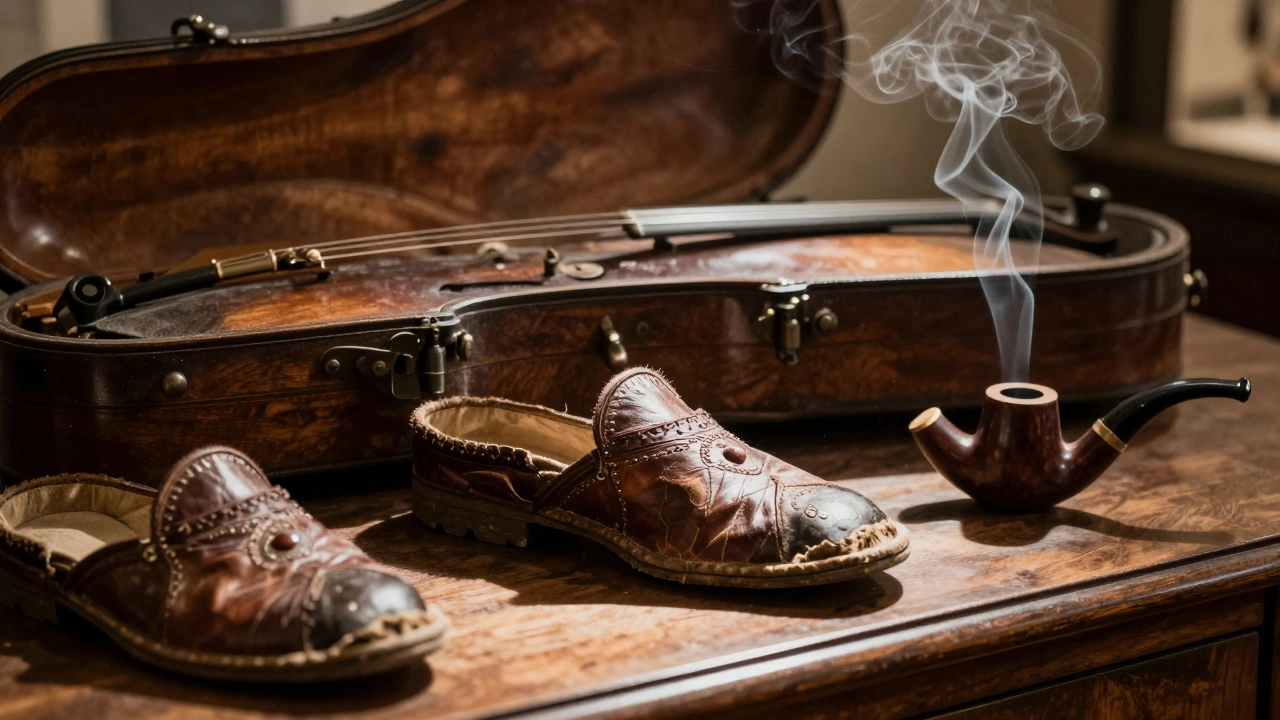
You will find replicas of props. There are violin cases, chemical apparatuses, and the famous Persian slipper used in early sketches. One exhibit features the correspondence archives. These letters span decades. Collectors and fans continue to send notes to the address. The museum curates some of these interactions to show the community effort involved in maintaining the lore.
Don’t rush through the rooms. Take photos of the wallpaper pattern. The furniture style reflects Edwardian aesthetics specifically chosen to match the published era. It’s not just decoration; it’s historical reconstruction. Visitors often notice the scent of pipe tobacco drifting near the entrance, adding sensory immersion to the visit.
Practical tip: Book online beforehand. Walk-up tickets often sell out on weekends because international tour groups book heavily. The location sits in a busy shopping district. Parking is scarce, so arrive by tube or walking from nearby stations.
Walking Through Literary London
One spot is not enough to understand the full impact. You can trace routes mentioned in the novels. Start near the hospital where Dr. Watson met Holmes. Then move to the river Thames. Many crimes in the stories happened along the waterway. The foggy atmosphere described in books matches the geography well.
Another key stop is The British Library is the national library of the United Kingdom located in King's Cross. Here you can see the original manuscripts. Seeing Doyle’s handwriting brings a different level of connection. The ink blots and edits tell you how hard he worked on the phrasing. Sometimes he crossed out a sentence entirely to speed up the pacing. You can feel the rhythm of his editing process right there.
London also offers guided audio tours. These apps work offline, which helps when navigating underground. You get narration at every corner. It turns a casual walk into a scavenger hunt. Most routes take about two hours. That is perfect timing for a morning exploration before lunch.
Consider the impact on local businesses. Shops nearby name themselves after famous cases. Baker Street station has signs referencing the detective. The influence goes beyond a plaque; it permeates the infrastructure. Businesses rely on fans traveling to the city for this specific reason. The economic ripple effect is measurable.
Frequently Asked Questions
Is 221B Baker Street a real working apartment?
No, it is not a residential apartment anymore. The address officially houses the Sherlock Holmes Museum, a tourist attraction open to visitors. Private residents no longer live there.
When did the museum open?
The museum officially opened its doors to the public in 1990. It was established to preserve the memory of the character and provide a dedicated space for collectors and fans.
Can I mail a letter to Holmes?
Yes, the Royal Mail accepts mail addressed to 221B Baker Street. It is handled by the museum or returned according to postal regulations depending on current sorting rules.
Who played Holmes in recent TV adaptations?
Different actors have portrayed Holmes, but Benedict Cumberbatch in the BBC series “Sherlock” is the most prominent modern interpretation that boosted London tourism significantly.
Where is the best place to buy original memorabilia?
The museum shop at Baker Street carries authorized merchandise. Additionally, specialized antique dealers in Soho sometimes offer vintage copies of the original magazines.
Your next step depends on what you value most. If you love history, grab the manuscript archive tour. If you prefer atmosphere, spend time in the museum recreations. Either way, walking these streets connects you to the golden age of mystery writing. It remains one of the strongest links between literature and physical space in the world. Enjoy your journey through the great detective’s London.