Famous Graves London: Where History Lies Beneath the Soil
When you think of famous graves London, final resting places of influential people who shaped the city’s identity. Also known as historic burial sites, these spots aren’t just quiet patches of earth—they’re open-air museums where you can stand where Dickens once walked, or pause where a queen was laid to rest. London doesn’t just have cemeteries; it has living archives. Walk through Highgate, Kensal Green, or Westminster Abbey, and you’re not just visiting graves—you’re reading the city’s biography in stone, iron, and ivy.
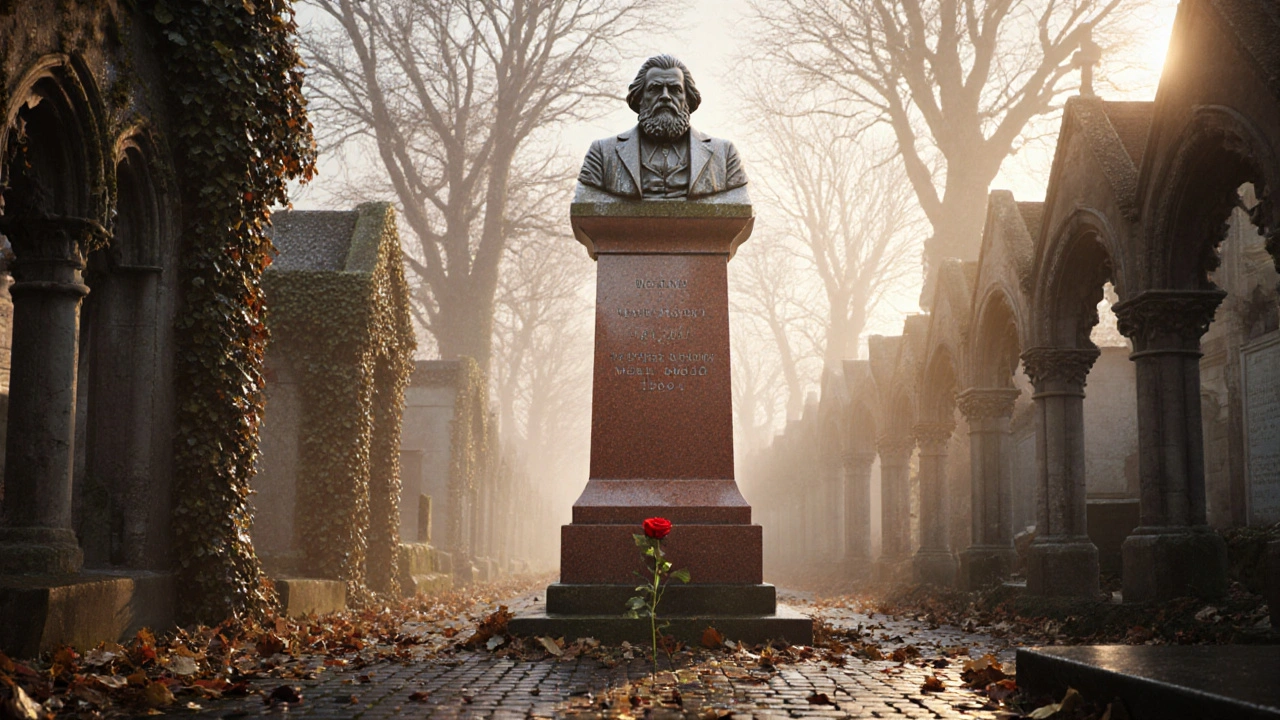
These London cemeteries, graveyards that hold the remains of artists, scientists, and political leaders. Also known as historic burial grounds, they were designed as places of reflection, not just burial often double as parks, art galleries, and quiet escapes from the city’s noise. At Highgate, you’ll find Karl Marx’s towering monument, surrounded by those who admired—and opposed—his ideas. At Kensal Green, you’ll stumble upon the grave of Isambard Kingdom Brunel, the engineer who built the Thames Tunnel and the Great Western Railway. These aren’t just names on plaques; they’re the people who built the London you know today.
Then there’s the burial sites London, specific locations where well-known individuals were interred, often with public access and cultural significance. Also known as notable graves, they draw pilgrims from around the world that aren’t in grand cemeteries at all. Some lie hidden in churchyards like St. Martin-in-the-Fields, where the poet John Dryden rests. Others, like the grave of Elizabeth Barrett Browning, are tucked into quiet corners of Kensal Green, forgotten by most tourists but still humming with the weight of her words. Even the Abbey, with its Poets’ Corner, isn’t just a tourist stop—it’s a tribute to the voices that gave London its soul.
What makes these graves special isn’t just who’s buried there. It’s how they connect you to the past. You can touch the same stone that Dickens’s family touched. You can stand where Florence Nightingale’s memorial casts a shadow over the Abbey floor. You can trace the path of a revolutionary thinker whose ideas changed the world—all while waiting for your bus or walking home from work. These aren’t relics behind ropes. They’re part of the city’s rhythm.
And you don’t need a tour guide to feel it. Just show up. Go early on a weekday. Skip the crowds. Sit on a bench near the grave of George Eliot. Read the inscription. Let the silence speak. That’s when it hits you: history isn’t locked in books. It’s under your feet, in the moss on the headstone, in the way the light falls across a name carved 150 years ago.
Below, you’ll find posts that dig deeper into these places—the stories behind the stones, the best times to visit, the hidden graves most people miss, and how to explore them without the noise of tour groups. Whether you’re a history buff, a quiet wanderer, or just someone who likes to walk where the greats once walked, you’ll find something here that sticks with you long after you leave.