Greenwich History: Secrets of London's Naval and Royal Past
When you walk through Greenwich, a historic district in southeast London once home to kings, sailors, and astronomers. Also known as the birthplace of Greenwich Mean Time, it’s where Britain’s naval power was planned, measured, and celebrated. This isn’t just another park with a fancy clock—it’s the heart of global timekeeping, maritime dominance, and royal tradition all rolled into one.
The Old Royal Naval College, a grand complex built on the site of the former Palace of Placentia where Henry VIII and Elizabeth I were born. Also known as the home of the Painted Hall, it’s a masterpiece of Baroque architecture designed by Christopher Wren and Nicholas Hawksmoor. Its most famous room, the Painted Hall, a ceiling-covered gallery covered in 20,000 square feet of hand-painted murals celebrating Britain’s naval victories. Also known as the Sistine Chapel of the UK, it was meant to awe sailors and kings alike. These aren’t just decorations—they’re propaganda, art, and history fused into one.
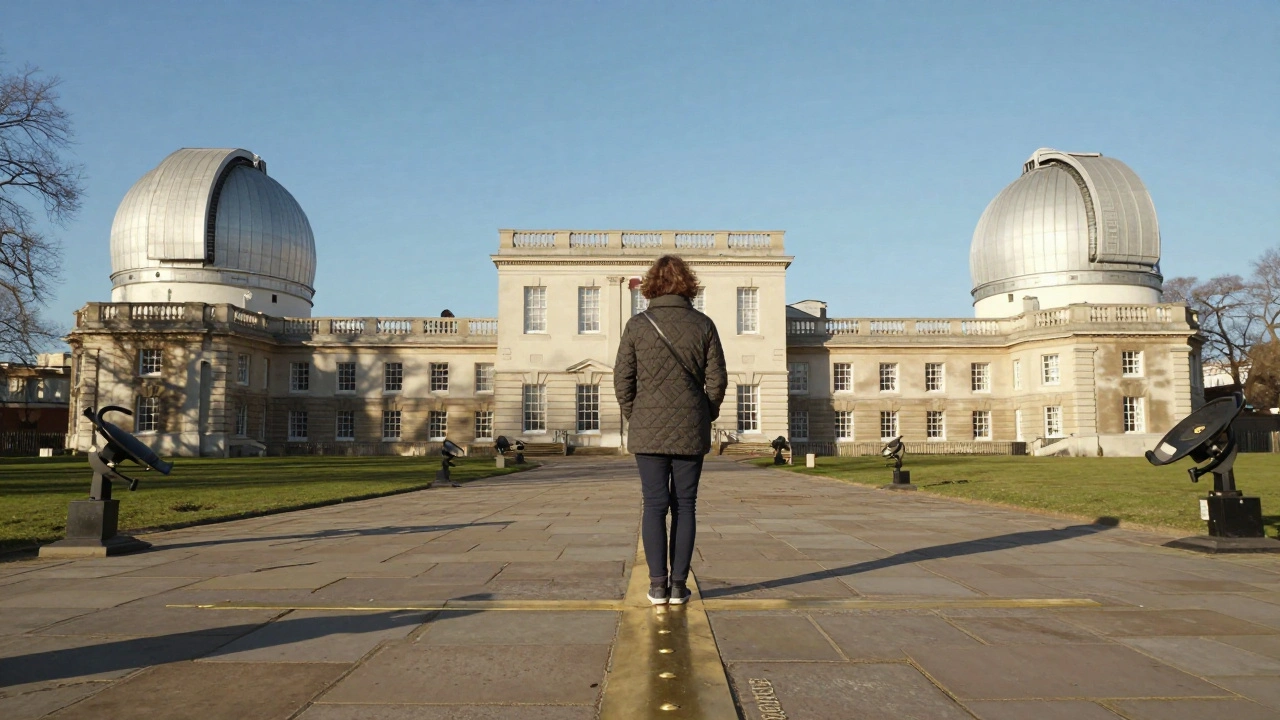
Greenwich’s story isn’t just about buildings. It’s about people: the sailors who sailed from its docks to map the world, the astronomers who tracked stars to keep ships from running aground, and the scientists who set the world’s clock at the Royal Observatory, where the Prime Meridian line runs through the ground, dividing east from west. Also known as the center of global time, it’s where every time zone in the world traces its roots. You can stand with one foot in the Eastern Hemisphere and the other in the Western—something you can’t do anywhere else.
What makes Greenwich history so powerful is how it ties together royalty, science, and everyday life. The same streets where queens once walked are now lined with markets selling pies and coffee. The same hill where telescopes once stared at the stars now has tourists snapping photos with their phones. It’s not frozen in time—it’s alive with layers.
You’ll find echoes of this history in the narrow alleys of Greenwich Market, where traders have sold goods since the 1700s. You’ll see it in the uniforms of the Royal Marines who still march through the grounds. And you’ll feel it when you stand at the Meridian Line and realize: the whole world runs on a clock that started right here.
Below, you’ll find real stories, hidden details, and local insights about this place—not just dates and names, but why it still matters. Whether you’re here for the architecture, the time, the navy, or just a great view of the Thames, Greenwich gives you more than a photo op. It gives you context. And that’s what makes a visit stick.