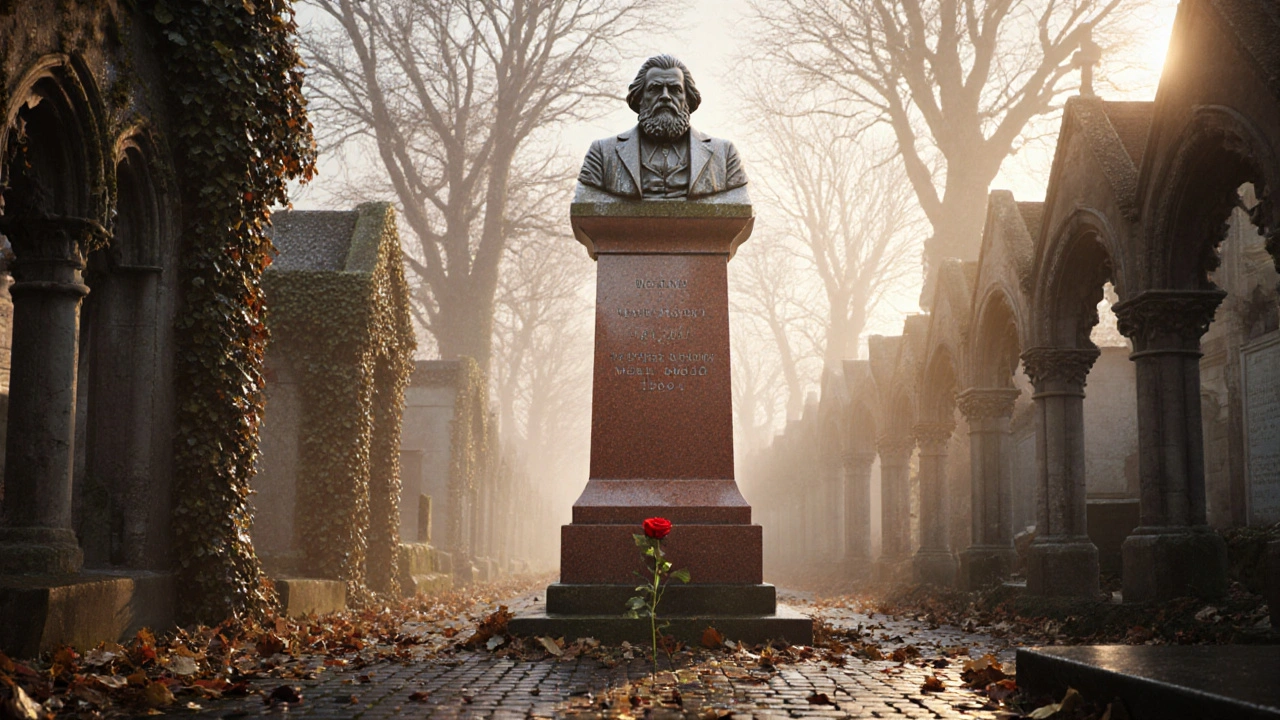
London cemeteries: Historic burial grounds, quiet gardens, and famous graves
When you think of London cemeteries, peaceful, tree-lined spaces where history rests beneath the soil and above-ground monuments tell stories of centuries past. Also known as burial grounds, these sites are not just places of mourning—they’re living archives of the city’s soul. Walk through Highgate or Kensal Green, and you’re stepping into the same air that Charles Dickens, Karl Marx, or George Eliot once breathed. These aren’t just graveyards. They’re parks, museums, and quiet refuges all rolled into one.
Many of London’s oldest cemeteries were built in the 1800s when churchyards got too full and the city needed space. Places like Highgate Cemetery, a Victorian-era necropolis with Gothic arches, overgrown pathways, and the final resting place of Karl Marx, or West Norwood Cemetery, the first privately owned cemetery in London, with Egyptian-style tombs and a chapel that still stands, were designed as garden cemeteries—places for the living to walk, reflect, and even picnic. You’ll find headstones carved with floral patterns, family crypts shaped like small houses, and angels with wings worn smooth by rain. These aren’t just memorials—they’re art.
Some of the most moving moments happen in the quiet corners. At Brompton Cemetery, a Royal Parks partner site with over 180,000 burials and a hidden chapel that hosts concerts, you might stumble upon the grave of a Victorian engineer who helped build the Tube, or the tomb of a soldier who survived Waterloo only to die quietly in London. Even the trees here have history—oaks planted over 150 years ago still shade the paths. These places don’t scream for attention. They wait. And if you listen, they’ll tell you stories about the city’s forgotten poets, inventors, and ordinary people who lived extraordinary lives.
Today, London cemeteries are protected as heritage sites. Some host guided walks, wildlife tours, and even outdoor theater. You’ll find foxes in Highgate, owls in Nunhead, and wildflowers blooming where headstones lean slightly with age. They’re not just relics—they’re part of the city’s rhythm. Whether you’re here for history, peace, or photography, these spaces offer something you won’t find in the crowds of Westminster or the bustle of Oxford Street.
Below, you’ll find real stories and practical guides from people who’ve walked these paths—whether they’re tracing the steps of famous figures, hunting for hidden epitaphs, or simply finding calm in the quietest corners of the city. No tickets. No lines. Just quiet, history, and a whole lot of soul.