How to Plan a London Itinerary: Zones and Clustered Sights
Plan your London trip smarter by grouping sights by transport zones. Save time, money, and stress with this practical guide to clustered attractions in Zones 1-3.
When you hear London zones, the numbered areas that divide the city for public transport pricing and planning. Also known as Tube zones, they range from Zone 1 in the center to Zone 9 on the outer edges, and they control everything from your Oyster card fare to where you should book a hotel. If you don’t get this right, you’ll either pay too much for travel or end up stuck far from everything you want to see.
Zone 1 is where the big names live: the British Museum, Buckingham Palace, the London Eye, and the West End theaters. It’s also the most expensive area to stay in, but if you’re only here for a few days, staying here saves you hours of commuting. Zone 2 wraps around it and includes places like Camden, Notting Hill, and Shoreditch—great for food, culture, and nightlife without the Zone 1 price tag. Zone 3 and 4 are where most locals live: affordable housing, solid transport links, and easy access to central London. Many families and students pick these zones because you can get into Zone 1 in under 20 minutes on the Tube.
Here’s what most visitors miss: London transport zones, the system used by the Tube, Overground, DLR, and even some buses. Also known as Travelcard zones, they’re not just about trains—they affect how much you pay for a day pass, whether you can use contactless, and if you’re getting ripped off by a hotel that claims to be "near the center" but is actually in Zone 5. If you’re planning a day trip to Greenwich or Kew Gardens, check the zone first. Both are in Zone 2 and 3 respectively, so they’re easy to reach without paying extra. But if you’re heading to Heathrow Airport, that’s Zone 6, and it costs more than a ride to central London.
Some zones are surprisingly useful. Zone 7 and 8? They cover places like Richmond Park and Wimbledon—perfect for a quiet afternoon away from crowds. Zone 9? That’s where you’ll find places like Amersham and Chesham, far out but still connected by the Metropolitan line. You won’t need to go there unless you’re visiting family or chasing a specific attraction. Most tourists stick to Zones 1–4 and do just fine.
Don’t forget that zone map London, the visual guide that shows which stations fall into which zone. Also known as London Underground zone map, it’s not just a tool for tourists—it’s the key to saving money. A single journey from Zone 1 to Zone 4 costs more than two journeys within Zone 2. So if you’re staying in Zone 3, don’t waste your time and cash hopping into Zone 1 just to walk a few blocks. Use the map to plan smarter. The best way to use it? Download the TfL Go app or grab a free paper map at any Tube station. Know your zones before you buy a ticket.
What you’ll find below are real guides from people who’ve lived it: how to pick a hotel based on zone, where to find the cheapest daily travel passes, which attractions are hidden in lesser-known zones, and how to avoid the tourist traps that charge you extra just because you’re in Zone 1. Whether you’re here for a weekend or moving in, understanding London zones isn’t just helpful—it’s the difference between a smooth trip and a stressful one.
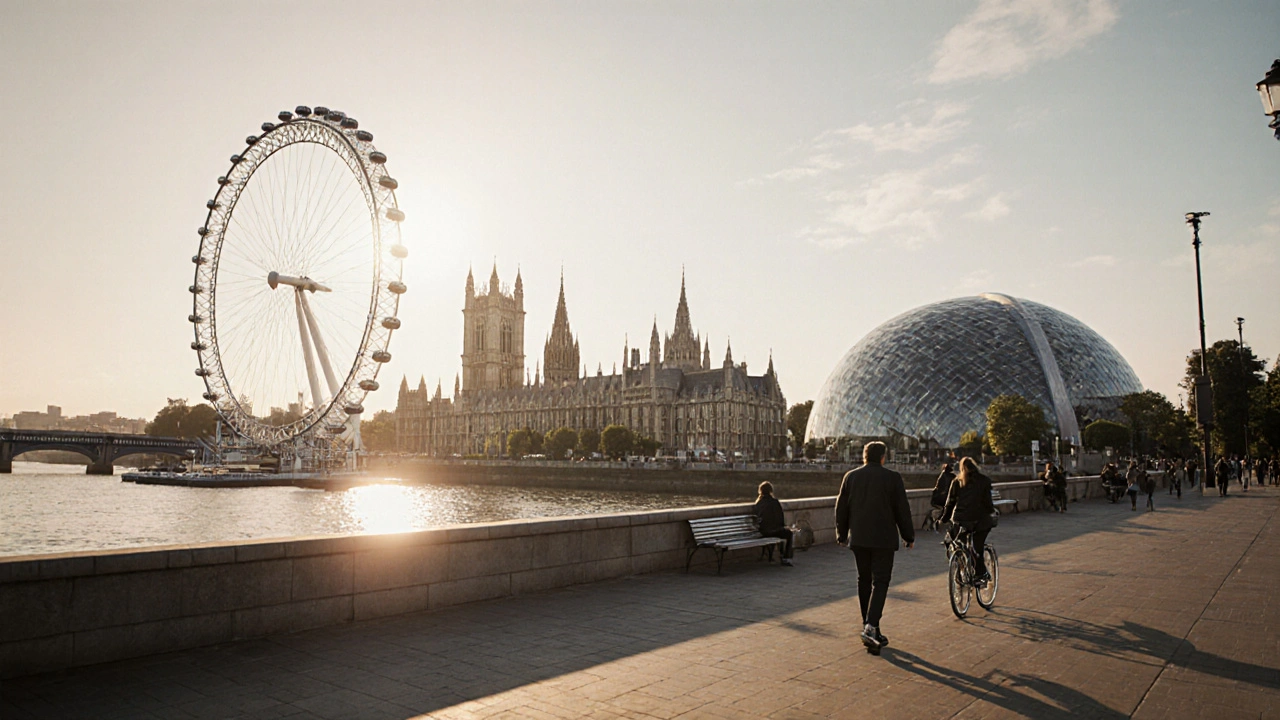
Plan your London trip smarter by grouping sights by transport zones. Save time, money, and stress with this practical guide to clustered attractions in Zones 1-3.