Parthenon Sculptures: History, Controversy, and Where to See Them in London
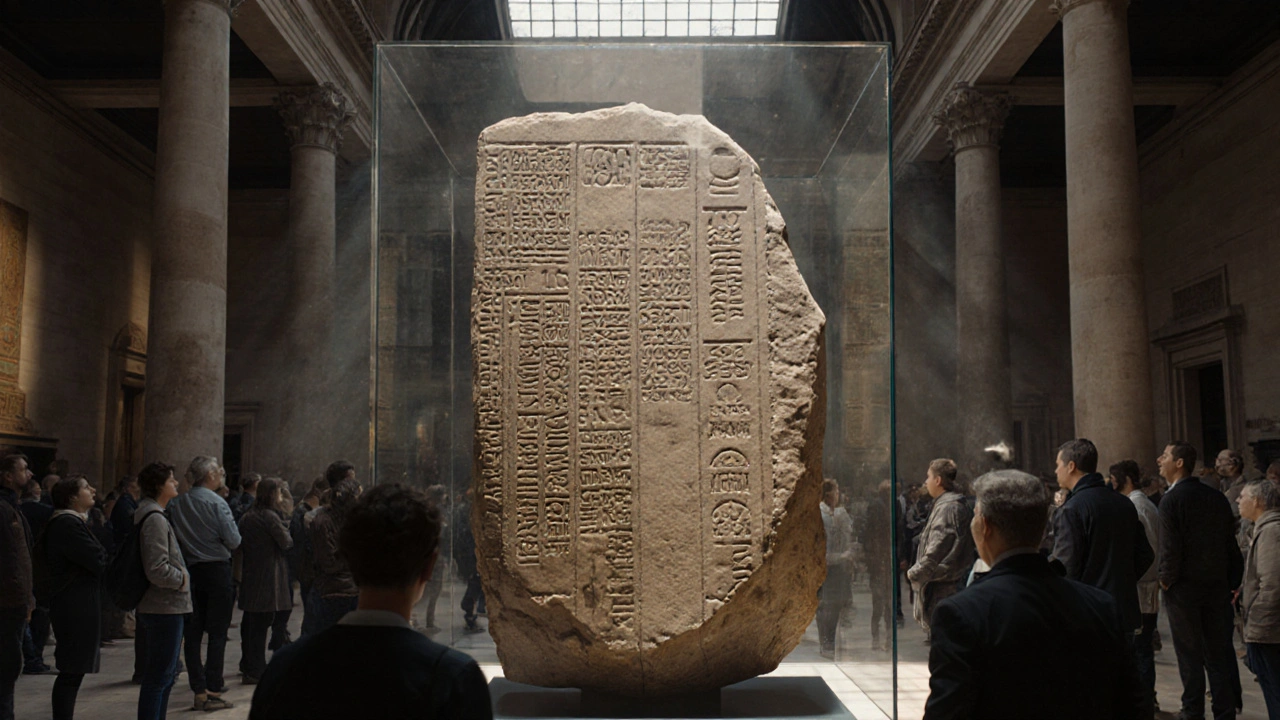
When you hear Parthenon Sculptures, a collection of classical Greek marble carvings originally from the Parthenon temple on the Acropolis in Athens. Also known as Elgin Marbles, they are among the most talked-about artworks in the world. These pieces weren’t just decoration—they told stories of gods, battles, and civic pride in ancient Athens, carved around 447–432 BCE. Today, most of them sit in the British Museum, London’s largest and most visited museum, home to over eight million objects from human history. But why are they here? And why does it still matter?
The story starts with Thomas Bruce, the 7th Earl of Elgin, who took the sculptures from the Parthenon in the early 1800s when Greece was under Ottoman rule. He claimed he had permission to remove them to save them from damage. Critics say he looted them. Greece has asked for their return for decades. The British Museum says they’re safer and more accessible in London. But for many, it’s not about safety—it’s about justice. These aren’t just statues. They’re symbols of cultural identity, colonial history, and who gets to decide what belongs where. The debate isn’t going away. It’s alive in protests, documentaries, and even in the way people walk past them in the museum’s Duveen Gallery.
What you see in London isn’t just a collection of broken marble. It’s a full narrative: the frieze showing the Panathenaic procession, the metopes with gods fighting giants, the pediment figures of Athena and Poseidon. You can trace the craftsmanship, the weathering, the missing pieces. And you can’t ignore the empty spaces where other fragments still sit in Athens. That tension—between preservation and ownership—is what makes visiting them here so powerful. It’s not just art history. It’s a living conversation about empire, memory, and who tells the story.
And while the British Museum is the main place to see them in London, the way these sculptures connect to other parts of the city is deeper than you think. Walk through Bloomsbury and you’re near where scholars first studied them. Visit literary walking tours and you’ll hear how writers like Byron and Shelley wrote about them. Even the architecture of places like the Houses of Parliament echoes their classical style. These sculptures didn’t just arrive in London—they changed it.
Below, you’ll find posts that explore how these ancient pieces fit into modern London—not just as museum exhibits, but as part of our cultural landscape. Whether you’re curious about their history, the fight over their return, or how to see them without the crowds, you’ll find real, practical insight here.