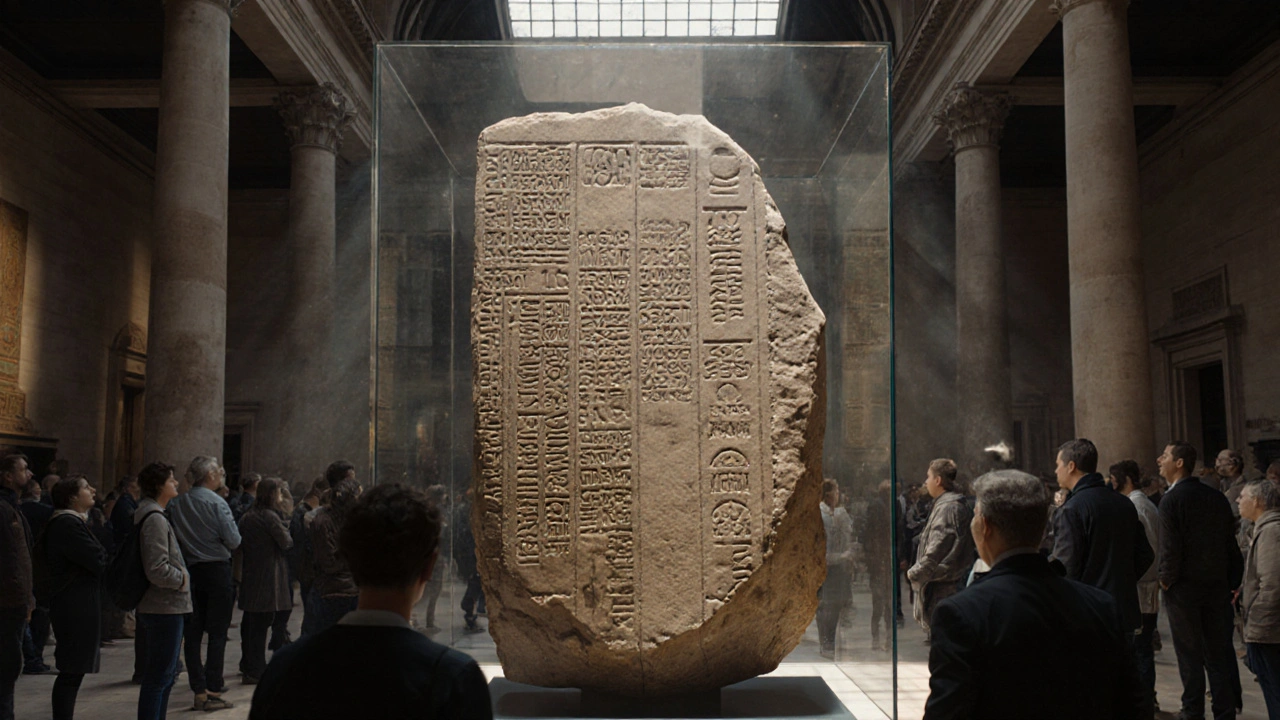
Rosetta Stone
When you think of Rosetta Stone, a digital language learning platform that uses immersion-based methods to teach foreign languages without translation. Also known as language immersion software, it was one of the first tools to push people to think in a new language instead of translating word-for-word. It doesn’t give you grammar charts or vocabulary lists upfront. Instead, it shows you pictures, plays audio, and asks you to match what you hear with what you see. The idea? Train your brain like a child learning their first language—by context, not memorization.
People use Rosetta Stone for all kinds of reasons: moving abroad, reconnecting with heritage, or just wanting to chat with a partner’s family. But it’s not magic. It works best when you pair it with real conversation—like talking to a local in London’s coffee shops, joining a language exchange at Victoria Park, or even watching a Spanish film with subtitles. The platform teaches you how to build sentences, but it doesn’t teach you how to react when someone asks you, "Where’s the nearest tube?" at 8 a.m. on a Monday. That’s where the real world steps in.
What makes Rosetta Stone different from apps like Duolingo or Babbel is its strict no-translation policy. You won’t find English explanations anywhere. That’s great if you’re serious about thinking in the target language. But it can feel slow if you’re used to quick wins. If you’re learning Italian and want to order a cappuccino in Camden, Rosetta Stone will get you there—but you’ll need to practice saying it out loud, maybe even in front of a mirror, before you try it in a real café. The same goes for learning Japanese or Arabic: the software gives you the structure, but your own practice gives you confidence.
It’s also worth noting that Rosetta Stone isn’t just for beginners. Many people use it to maintain fluency after living abroad, or to relearn a language they studied in school. The lessons are structured in levels, so you can pick up where you left off. And unlike some apps that reward streaks with stickers, Rosetta Stone keeps things serious. There are no points, no leaderboards, no dancing animals. Just you, the audio, and the images. That focus is why so many schools, embassies, and military units still use it today.
What you’ll find in the posts below aren’t tutorials on how to use Rosetta Stone. Instead, you’ll see how language learning fits into daily life in London—whether it’s picking up phrases before a trip to Highgate Cemetery, ordering vegan thali in a South London restaurant, or understanding signs on the Tube. These aren’t lessons about the app. They’re lessons about using language where it matters: in the streets, the markets, the pubs, and the quiet corners of the city. If you’ve ever wondered how to go from "I learned a few words" to "I actually spoke," these stories show you how it’s done—with or without Rosetta Stone.