Royal Observatory London: History, Science, and What to See
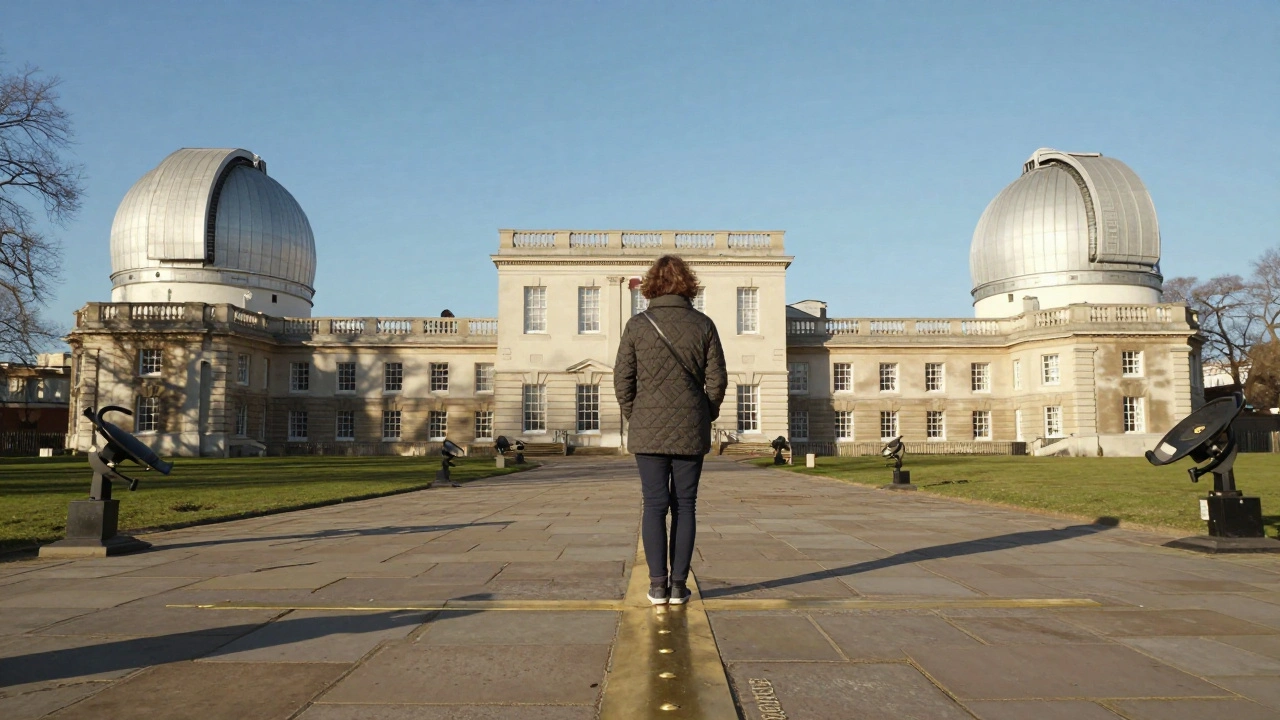
When you stand at the Royal Observatory, the historic site in Greenwich where time and space were officially defined for the world. Also known as Greenwich Observatory, it’s where the Prime Meridian runs through the ground, marking 0 degrees longitude and the start of every time zone on Earth. This isn’t just a museum—it’s the birthplace of modern astronomy and navigation, built in 1675 by King Charles II to solve the problem of figuring out longitude at sea.
The Prime Meridian, the imaginary line that divides the eastern and western hemispheres is one of the most photographed spots in London. Visitors stand with one foot in each hemisphere, snapping pictures as if they’re splitting the world in half. Nearby, the Great Equatorial Telescope, a massive 28-inch lens built in 1893 for observing distant stars still draws crowds, even though modern astronomy has moved far beyond it. These tools helped British sailors chart the globe, and today, they remind us how science shaped global trade, travel, and even the way we schedule our days.
The Royal Observatory sits right next to the Old Royal Naval College, a grand Baroque complex that once trained naval officers, and shares the same UNESCO World Heritage status. You can walk from the observatory’s hilltop grounds down to the Painted Hall, past the same paths sailors once walked before setting sail. The views from the observatory’s lawn stretch across the River Thames to Canary Wharf—a perfect mix of old science and modern London.
What you’ll find here isn’t just dusty instruments and old charts. There’s a planetarium show that makes the stars feel close enough to touch, a hands-on gallery where you can time your own pendulum swing, and daily talks that explain how timekeeping changed the world. You don’t need to be a scientist to get it—you just need to be curious. The Royal Observatory turns complex ideas into simple, surprising moments. Whether you’re here for the history, the views, or the chance to stand on the line that divides the world, it’s one of those places that makes you feel like you’ve touched something bigger than yourself.
Below, you’ll find real guides from locals and visitors who’ve explored the Royal Observatory and its surroundings—from how to time your visit to avoid crowds, to the best nearby spots for coffee after you’ve seen the meridian. You’ll also find connections to the museums, parks, and historic sites that make this part of London a full-day experience.