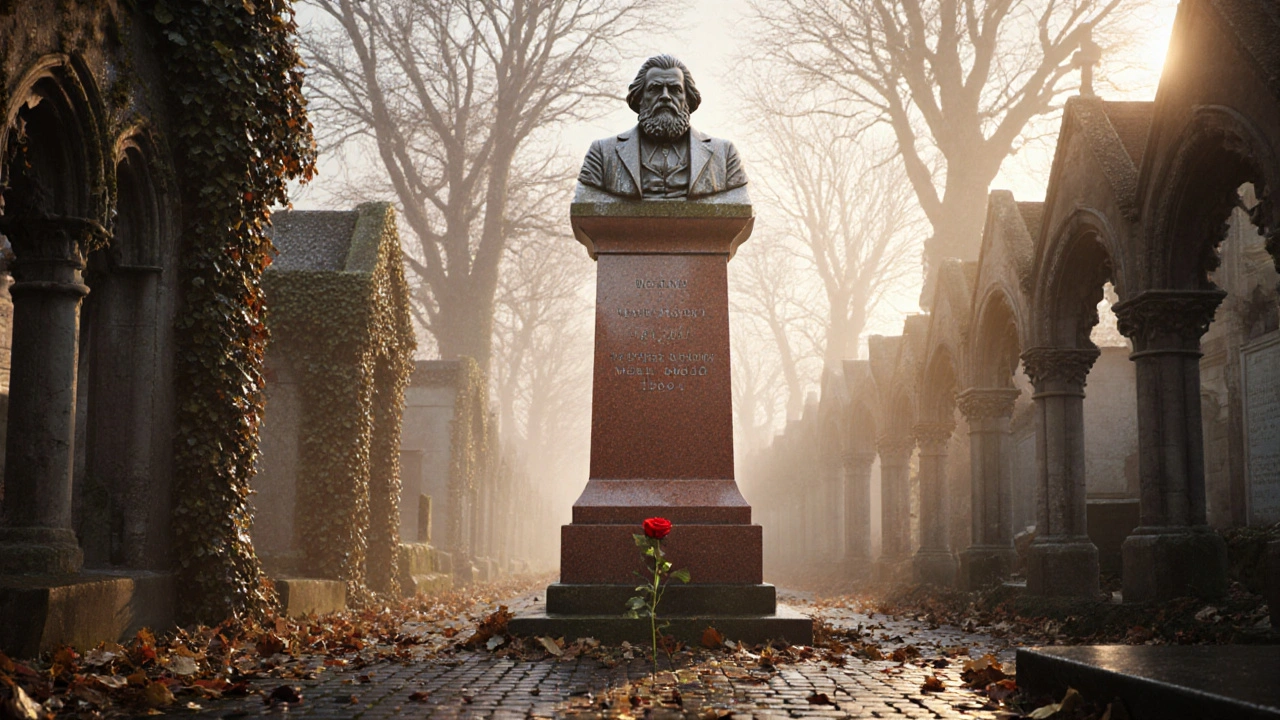
Victorian Cemetery: History, Architecture, and Hidden Stories in London
When you think of a Victorian cemetery, a large, landscaped burial ground built during Queen Victoria’s reign, often featuring elaborate monuments and symbolic carvings. Also known as garden cemetery, it was designed not just to bury the dead, but to let the living reflect, walk, and remember. These weren’t just patches of land with tombstones—they were public parks for mourning, places where families picnicked on Sundays and artists sketched the ivy-covered arches. London’s Victorian cemeteries were built because the old churchyards were overflowing, and the city needed space, dignity, and order. The result? A network of stunning, somber, and surprisingly peaceful spaces scattered across the capital.
What makes a Victorian cemetery, a large, landscaped burial ground built during Queen Victoria’s reign, often featuring elaborate monuments and symbolic carvings. Also known as garden cemetery, it was designed not just to bury the dead, but to let the living reflect, walk, and remember. stand out isn’t just the size—it’s the details. You’ll find angels with broken wings, weeping willows carved in stone, and obelisks that tower like silent sentinels. These symbols weren’t random; they told stories. A clock frozen at midnight meant death at that hour. A broken column stood for a life cut short. And the iron railings? They kept out the curious, but also kept the peace inside. Nearby, you’ll find graveyard architecture, the distinctive design style of 19th-century burial grounds, blending Gothic revival, Egyptian motifs, and naturalistic landscaping. It’s not just about religion—it’s about art, class, and how Victorians faced mortality. And then there’s the Victorian funerary art, the sculpted memorials, inscriptions, and decorative elements created to honor the deceased with emotional precision. These aren’t mass-produced plaques. Each one was commissioned, often by grieving families who saved for years to afford a proper tribute.
Today, these spaces are quiet, overgrown in places, but never forgotten. People come to walk, to photograph the mossy statues, to find the graves of forgotten poets, soldiers, or factory workers. Some are still active burial grounds. Others are protected as heritage sites. You won’t find crowds here like at Buckingham Palace, but you’ll find something deeper: history that doesn’t shout, but whispers. And if you listen closely, you’ll hear the echoes of a time when death wasn’t hidden away—it was honored, studied, and even admired.
Below, you’ll find real stories from London’s most striking Victorian cemeteries—the ones with winding paths, hidden chapels, and headstones that still catch the light just right. Whether you’re drawn to the beauty, the history, or the stillness, these places offer more than just a place to rest. They offer a way to understand how a whole city once thought about life, loss, and legacy.