Key Takeaways
- London's sustainability scene has shifted from "extreme zero waste" to "attainable minimalism."
- Influencers are now focusing on circular economy habits like clothing swaps and community tool libraries.
- The trend for 2026 is "Urban Homesteading"-growing food and composting in small city apartments.
- Finding a balance between convenience and ethics is the core struggle and solution for Londoners.
The New Wave of London Minimalism
Minimalism used to be about owning exactly 30 items of clothing and living in a void. In 2026, that's out. The current vibe in the city is about intentionality. We're seeing a rise in Sustainable Living is a lifestyle choice aimed at reducing an individual's use of the Earth's natural resources and reducing their overall carbon footprint. It's not about perfection; it's about making better choices within the constraints of a 9-to-5 job and a Tube commute.
Local influencers are shifting the conversation toward the Circular Economy, which is a system aimed at eliminating waste and the continual use of resources. Instead of telling you to buy a "sustainable" bamboo toothbrush from a fancy brand, they're pointing you toward the nearest refill shop in Peckham or a clothing swap event in Shoreditch. They are proving that sustainable living London style isn't about spending more money on "green" products, but about spending less on things you don't need.
Who to Follow for Zero Waste Inspiration
If you're staring at a bin full of plastic packaging and wondering where to start, you need a guide who understands the specific hurdles of London life. The best influencers in this space focus on Zero Waste-the goal of sending no waste to landfills. But let's be real: achieving total zero waste in a city where everything comes in a plastic bag is nearly impossible.
The creators who actually provide value are those who highlight "low-waste" hacks. For example, they might show you how to use the Too Good To Go app to save food from local bakeries, or where to find the best bulk-buy stores that don't charge a premium for organic labels. They turn the city into a playground for sustainability by mapping out water refill stations and sharing tips on how to navigate the London markets without buying cheap, disposable trinkets.
The Rise of Urban Homesteading in the Big Smoke
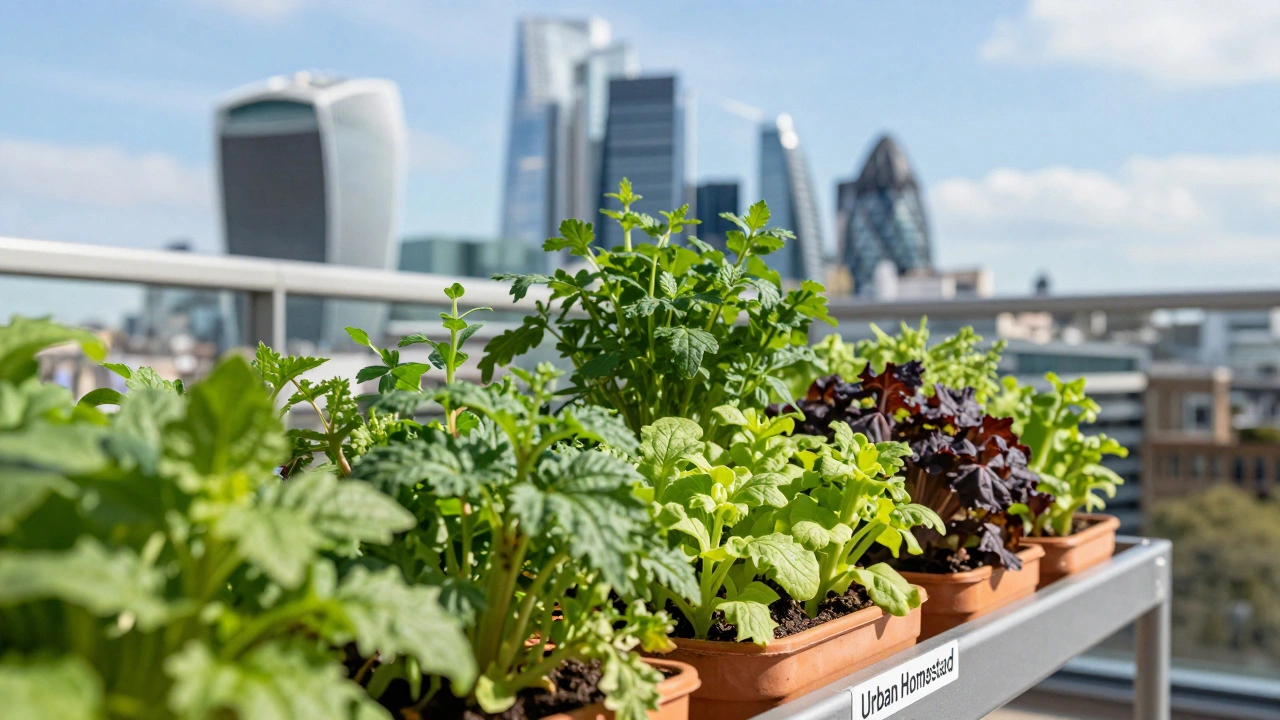
One of the coolest trends hitting Instagram and TikTok feeds lately is the "City Homestead." You'll see influencers transforming balcony spaces in Canary Wharf or window sills in Brixton into productive gardens. This isn't just about aesthetics; it's about food security and reconnecting with nature. They use Hydroponics-a method of growing plants without soil-to maximize small spaces.
These creators often collaborate with community gardens, emphasizing that sustainability is a team sport. They teach us that you don't need a backyard to compost. From Bokashi bins that fit under a kitchen sink to community composting hubs in South London, they make the "dirty" side of sustainable living feel accessible and even trendy. It's a direct challenge to the idea that you have to leave the city to live a greener life.
Ethical Fashion and the End of Fast Fashion
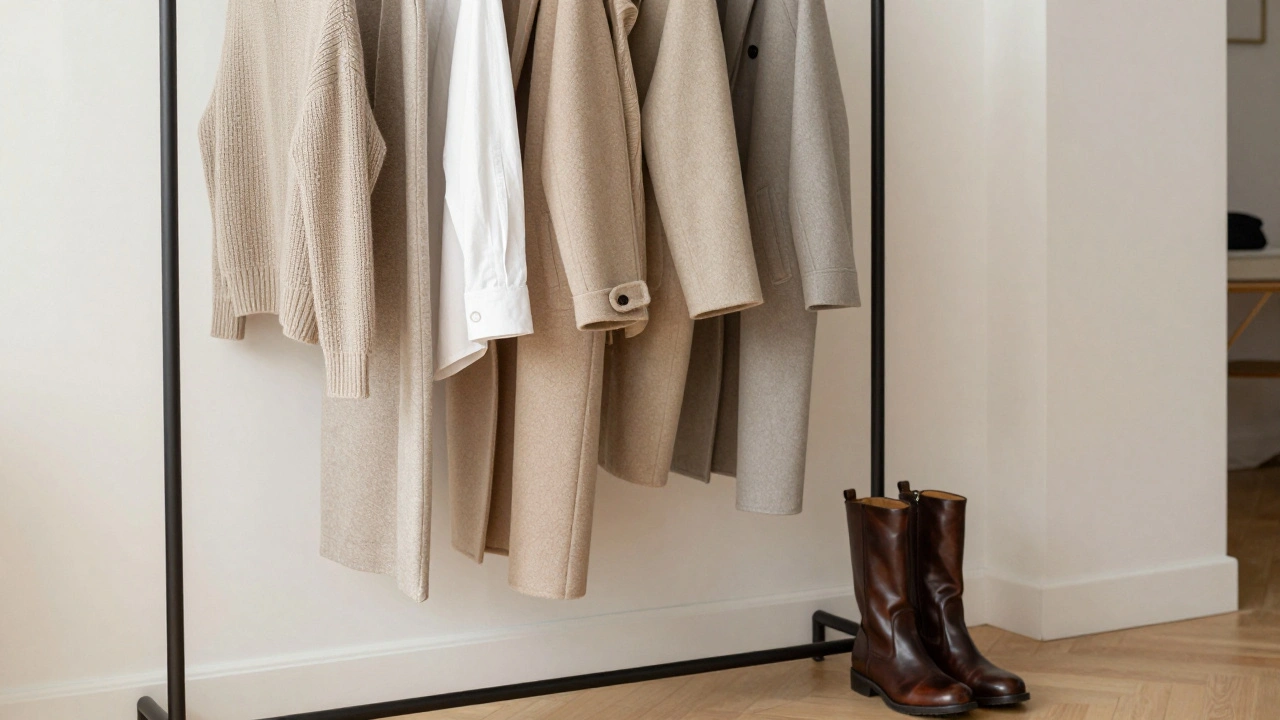
London is a fashion capital, which usually means it's a disaster for the planet. But the minimalist movement has hit the wardrobe hard. Influencers are now championing Slow Fashion, an approach to clothing that emphasizes quality over quantity and ethical production. They've stopped promoting "hauls" and started promoting "re-wearing."
You'll find these experts guiding you through the best charity shops in Marylebone or showing you how to use tailoring services to make a ten-year-old coat look brand new. The focus has shifted to the "Cost Per Wear" metric. Instead of a £10 fast-fashion top that falls apart after three washes, they encourage investing in a high-quality piece that lasts a decade. This shift in mindset is a huge part of the minimalism movement-treating your possessions as long-term companions rather than disposable trends.
| Approach | Core Focus | Key Tool/Method | Difficulty Level |
|---|---|---|---|
| Minimalism | Reducing possessions | Capsule Wardrobes | Medium |
| Zero Waste | Eliminating trash | Refill Shops | High |
| Urban Homesteading | Local food production | Balcony Gardening | Medium |
| Slow Fashion | Ethical clothing | Vintage/Thrifting | Low |
Practical Tips for Following the Minimalist Path
It's easy to get overwhelmed when you see a perfectly curated minimalist home on your screen. The secret is to avoid the "all-or-nothing" trap. You don't need to throw away everything you own today to be a minimalist. Start by auditing your digital life-unsubscribing from marketing emails is the easiest way to stop the urge to buy things you don't need.
Next, look at your local area. London is uniquely positioned for this lifestyle because of its density. You don't need a lawnmower if you have a public park ten minutes away. You don't need a car if the Overground works. The most successful sustainable Londoners are those who lean into the city's strengths: accessibility, shared spaces, and a massive second-hand market. Try the "one in, one out" rule: for every new item you bring into your flat, one old item must be donated or recycled. It keeps the clutter at bay and forces you to question if that new gadget is actually worth the space it takes up.
Lastly, engage with the community. Join local "Buy Nothing" groups on social media. These are goldmines for finding free furniture or kitchen gear from neighbors who are moving. It's the ultimate win-win: you get what you need for free, and it stays out of the landfill. This community-driven approach is where the real heart of the London sustainable movement lies.
Is minimalism too expensive for a regular Londoner?
Actually, it's the opposite. True minimalism is about spending less. While some influencers might promote expensive "minimalist" aesthetic furniture, the core of the movement is reducing consumption. By buying fewer items and focusing on quality or second-hand finds, most people find they save a significant amount of money monthly.
Where are the best places for zero-waste shopping in London?
East London, particularly areas like Hackney and Walthamstow, has a high concentration of refill shops and cooperatives. However, more neighborhoods in South and West London are now introducing "plastic-free" aisles in major supermarkets and small independent cooperatives that allow you to bring your own jars for grains and oils.
How do I start a sustainable wardrobe in a city with changing weather?
The key is layering. Focus on high-quality base layers and a few versatile outerwear pieces. Many London influencers recommend a "capsule wardrobe" approach where you choose 30-40 interchangeable items per season. Focus on natural fabrics like organic cotton or recycled wool, which breathe better and last longer than synthetic blends.
Can I really compost in a small London apartment?
Yes, you can. Bokashi composting is a popular choice for city dwellers because it uses a fermentation process that doesn't smell and can be done in a small airtight bucket under the sink. Alternatively, many London boroughs now offer food waste collection, or you can find community composting hubs via apps like ShareWaste.
Do these influencers actually live the life they post?
Like any social media content, there is a level of curation. However, the most respected sustainable influencers in London are transparent about their struggles. Look for creators who talk about their "fails"-like accidentally buying plastic or struggling to find an ethical version of a specific product-as they are usually the ones providing the most realistic advice.
Next Steps for Your Green Journey
If you're feeling inspired, don't try to change everything overnight. Pick one area-maybe it's your wardrobe, or maybe it's your kitchen waste-and focus on that for a month. Start by following three different influencers: one for fashion, one for home/minimalism, and one for urban gardening. This gives you a balanced perspective and prevents you from falling into the trap of "perfectionism paralysis."
Next, spend a Saturday exploring a local market with a specific goal: find one high-quality second-hand item that replaces something you currently have that is breaking. The transition to a sustainable life in London is a marathon, not a sprint. Enjoy the process of discovering the hidden, eco-friendly corners of your city.