London is one of the most visited cities in the world. Millions come every year to see Big Ben, the Tower of London, and the British Museum. But with so many tourists, there are people ready to take advantage. You’re not alone if you’ve heard stories about scams-some are old, some are new, and all of them are designed to steal your money, your time, or both.
Don’t Trust the ‘Friendly’ Stranger Offering to Take Your Photo
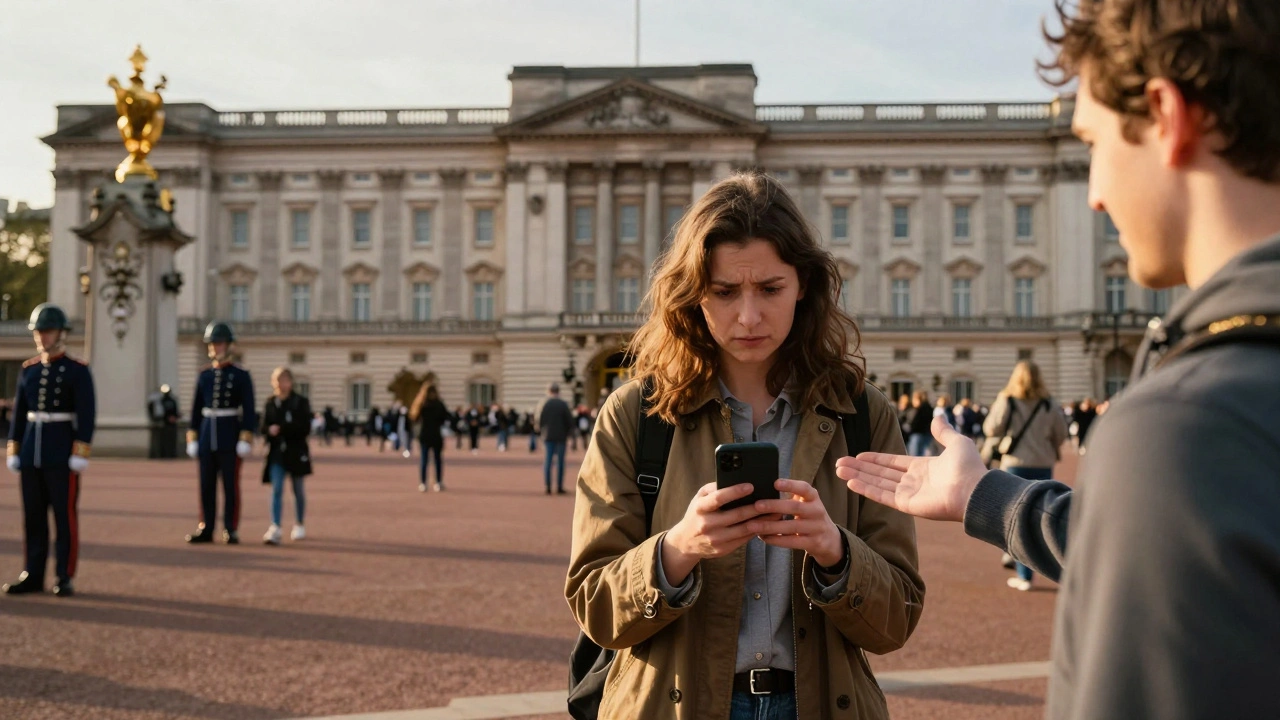
You’re standing in front of Buckingham Palace, phone in hand, trying to get a good shot with the royal guards. A friendly local walks up and says, ‘I’ll take your picture for you.’ Sounds harmless, right? It’s not.
This is one of the most common scams in London. The person takes your phone, then drops it-on purpose. They say, ‘Oh no! I’m so sorry!’ and offer to pay for repairs. Then they ask for your credit card details to ‘process the claim.’ Or worse, they just walk off with your phone. Some even use distraction tactics: a spilled drink, a sudden shout, or a fake argument nearby while an accomplice picks your pocket.
Real tip: Always use a tripod or ask another tourist. If someone insists on helping, politely decline and keep your phone in your hand at all times. The guards aren’t going anywhere. You can wait five minutes and take the photo yourself.
Fake Taxis and Meter Tampering
London black cabs are iconic. But not every driver in a black car is licensed. You’ll see people near train stations, airports, or tourist hotspots waving down cars that look like official taxis. They’re not. These are unlicensed vehicles-sometimes called ‘minicabs’-that don’t use meters and will charge you double or triple the fair price.
How to spot them? Official black cabs have a yellow taximeter light on the roof and a license plate that starts with ‘L’ or ‘T.’ They’re also the only cabs you can hail on the street. All others must be booked in advance through apps like Uber, Addison Lee, or via official minicab companies. If someone says, ‘I’ll take you to Covent Garden for £10,’ run. The real fare is £18-£25.
Even licensed drivers can tamper with meters. If the fare seems too high, ask for a receipt and check the company’s website for average fares. If you feel ripped off, report it to Transport for London (TfL). They track complaints and act on repeat offenders.
The ‘Royal’ Petition or Charity Scam
You’re walking down the Strand or near Trafalgar Square when someone approaches you holding a clipboard. They’re dressed neatly, maybe wearing a badge. They say they’re collecting for the Queen, the Royal Family, or a ‘charity for wounded soldiers.’ They ask for cash or your card details.
Here’s the truth: The Royal Family does not solicit donations on the street. No legitimate charity collects cash at tourist spots in London without a visible, registered number and official ID. These scammers often use fake names like ‘The Royal British Legion Support Fund’-a real organization, but they don’t operate this way.
Real charities in London have numbered badges, official collection boxes, and will never pressure you on the spot. If you want to donate, do it online after checking the charity’s official website. Save your cash and your peace of mind.

Pickpockets in Crowded Spots
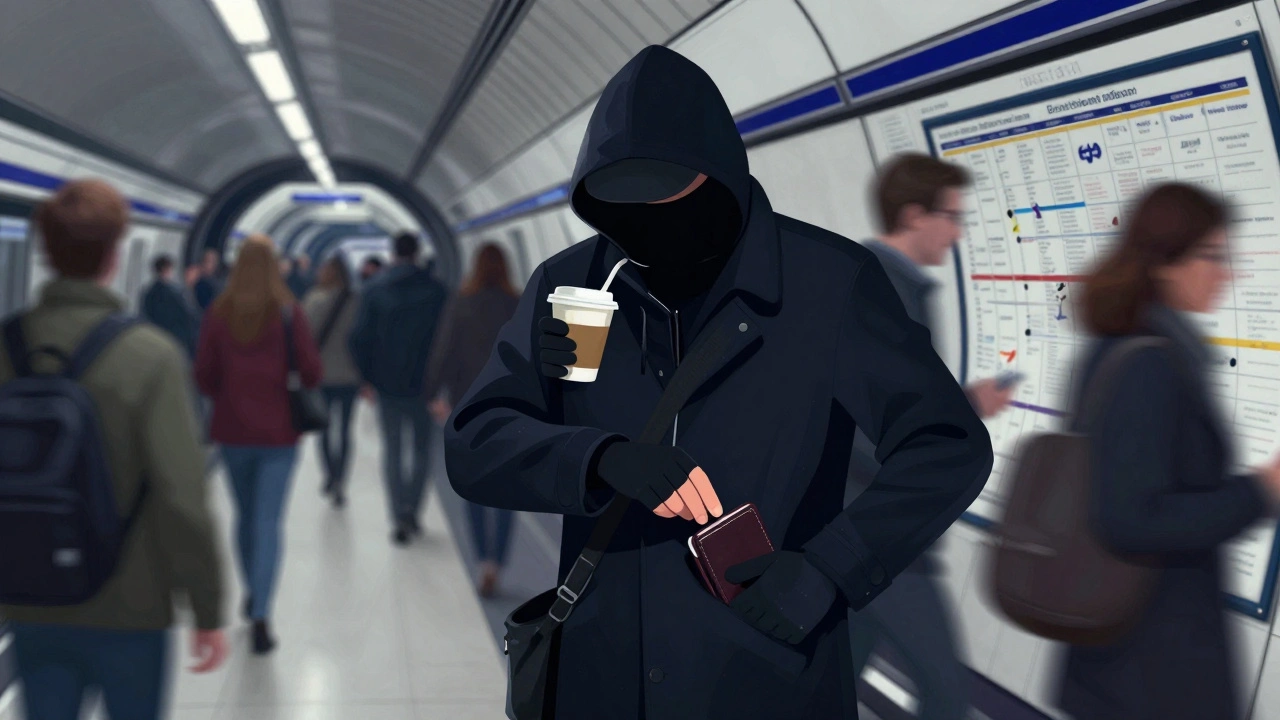
Pickpocketing isn’t glamorous, but it’s effective. London’s busiest places-Oxford Street, Piccadilly Circus, the Tube during rush hour-are hotspots. Thieves work in teams. One distracts you with a map question or spilled coffee. Another slips your wallet out of your back pocket.
Don’t carry your passport, credit cards, and cash all together. Keep your wallet in a front pocket or a money belt. Use a crossbody bag with a zipper and keep it in front of you. If you’re on the Tube, hold your bag on your lap, not on the floor. And never leave your phone on a table while you order coffee.
In 2024, TfL reported over 1,200 thefts on the Underground-up 17% from 2023. Most victims were tourists who didn’t realize how fast it happens. You have less than three seconds.
The ‘Free’ Bracelet or Flower Giveaway
Someone hands you a small bracelet, a flower, or even a sticker. ‘It’s a gift,’ they say. ‘Just a small donation to help the children.’ You smile, say thanks, and reach for your wallet. That’s when they demand £10, £20, or more.
This scam works because it plays on guilt. You feel bad saying no. But you didn’t ask for it. You didn’t agree to pay. And you’re not obligated to.
Politely but firmly say, ‘No thank you,’ and walk away. Don’t argue. Don’t explain. Don’t look back. These people are trained to keep you engaged. The moment you hesitate, they press harder.
Overpriced Souvenirs and Fake ‘Antiques’
Stalls near Covent Garden or the Tower of London sell ‘authentic’ British jewelry, royal memorabilia, or ‘handmade’ tea sets. They claim the items are from the Royal Collection or made by royal artisans. The price? £50, £100, even £300.
Most of these are mass-produced imports from China, sold for pennies and marked up 1,000%. A ‘handcrafted’ Buckingham Palace keychain? It costs £1.20 wholesale. A ‘real’ Queen Elizabeth II coin? Most are replicas sold by the thousands.
If you want a real souvenir, buy it from official shops: the Royal Collection Trust, the British Museum Shop, or Fortnum & Mason. They have receipts, authenticity certificates, and prices you can verify online.
What to Do If You’re Scammed
If you’ve been tricked, don’t panic. Take these steps:
- Write down everything: time, location, what they looked like, what they said.
- If you gave them your card, call your bank immediately to block it.
- Report it to the police. In London, call 101 or visit a local station. You can also report online at met.police.uk.
- Report scams to Action Fraud, the UK’s national reporting center: actionfraud.police.uk.
Most scams aren’t solved immediately. But your report helps authorities track patterns and catch repeat offenders. You’re not just protecting yourself-you’re helping other tourists.
How to Stay Safe: Quick Rules
- Never give your phone to strangers-even if they seem nice.
- Only use licensed black cabs or pre-booked rides.
- Never hand over cash for ‘free’ gifts or charity petitions.
- Keep valuables hidden and close to your body.
- Buy souvenirs from official shops, not street stalls.
- If something feels too good to be true, it probably is.
London is safe. Most people are honest, helpful, and proud of their city. But scams exist because they work. Stay alert, trust your gut, and you’ll have a fantastic trip without losing a penny.
Are London taxis safe for tourists?
Yes, but only licensed black cabs. These are the only ones you can hail on the street. They have meters, drivers with ID badges, and fixed rates. Avoid unmarked cars, even if they look like taxis. Book rides through Uber, Addison Lee, or Gett instead. Always check the driver’s license number on the dashboard.
Can I trust street vendors selling ‘royal’ souvenirs?
No. The Royal Family doesn’t sell souvenirs on the street. Items like ‘Queen’s Crown’ necklaces or ‘Royal Guard’ t-shirts are cheap imports. Real memorabilia is sold only through official outlets like the Royal Collection Trust or the British Museum Shop. If it’s sold on a street stall for under £20, it’s fake.
What should I do if someone asks for money for charity?
Politely say no and walk away. No legitimate charity collects cash on the street in London without official ID and registration. The Royal Family, the NHS, or the British Red Cross don’t send people to tourists with clipboards. If you want to donate, visit their official websites later.
Is pickpocketing common in London’s Tube stations?
Yes, especially during rush hour on lines like the Central, Piccadilly, and Northern. Pickpockets work in pairs-one distracts, the other steals. Keep bags in front of you, wallets in front pockets, and phones in your hand. Never leave items unattended. TfL recorded over 1,200 thefts on the Tube in 2024.
Should I carry my passport everywhere?
No. Carry a photocopy or a photo on your phone instead. Most places in London don’t need your passport-your national ID or driver’s license is enough. Keep the original in your hotel safe. If you’re asked for it by someone on the street, it’s a scam. Only police or immigration officers can legally ask for it-and they’ll be in uniform.
Final Tip: Trust Your Instincts
Londoners are used to tourists. Most will help you find your way, recommend a good pub, or point you to the nearest station. But if someone pushes too hard, acts too eager, or makes you feel uncomfortable-walk away. You don’t owe anyone an explanation. Your safety is more important than being polite.
Scams change every year. What worked in 2020 might be gone by 2026. But the pattern stays the same: too-good-to-be-true offers, sudden distractions, and pressure to act fast. Slow down. Ask questions. Double-check. You’ll enjoy London without the stress-and you’ll leave with more than just photos.