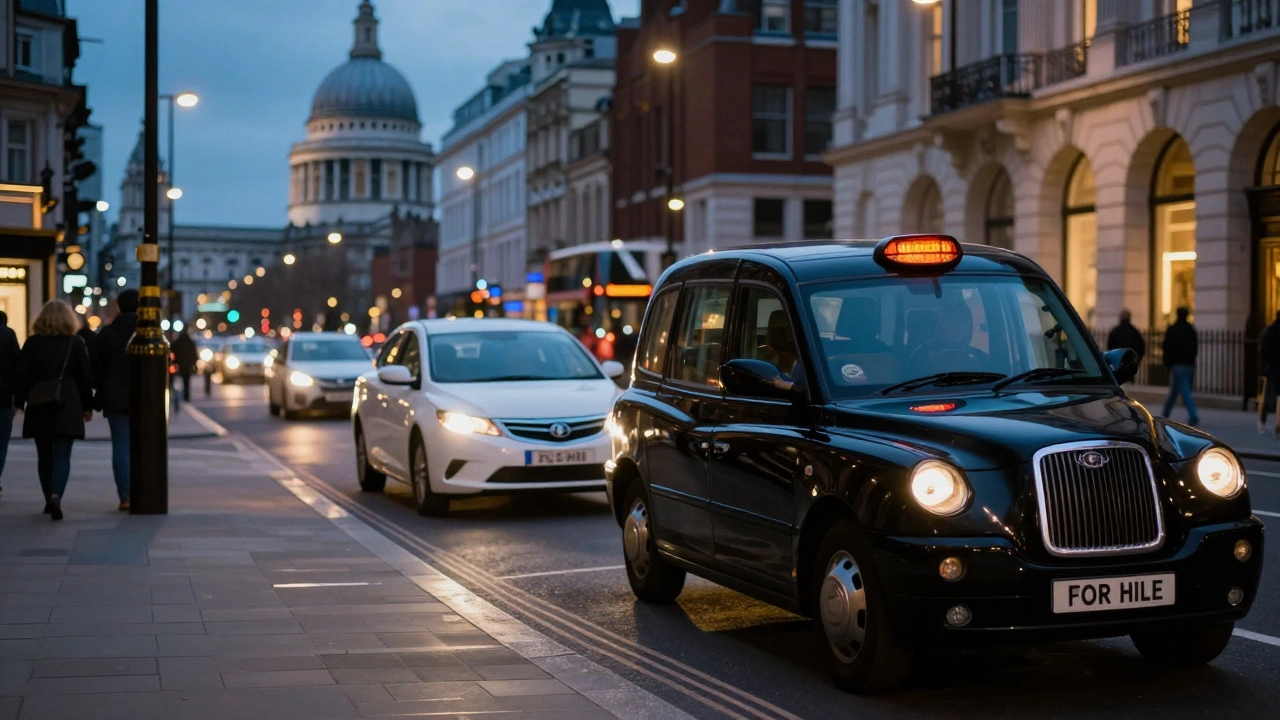
Trying to figure out how to get around London without getting ripped off? You’re not alone. The city’s transport scene is a maze of black cabs, red buses, and a dozen different ride-hailing apps that all promise convenience but deliver wildly different prices. If you’ve ever stared at your phone while waiting for a driver, wondering why the fare jumped from £10 to £25 in two minutes, this guide is for you.
London has strict rules about who can drive you where. Unlike some cities where any car with an app can pick you up, London requires every private hire vehicle (PHV) to be licensed by Transport for London (TfL). This means safety checks, insurance, and background screenings are mandatory. But it also means you need to know which apps actually comply and how to avoid hidden fees.
The Big Players: Which App Should You Use?
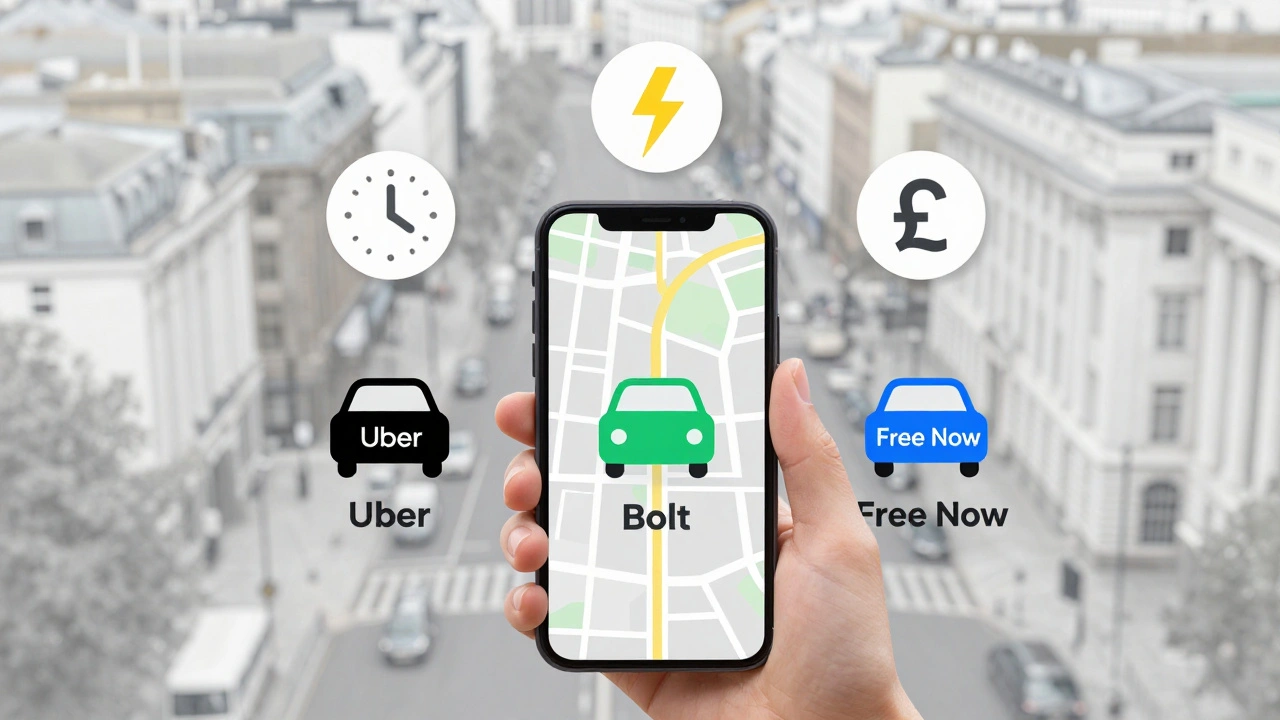
In 2026, the London rideshare market is dominated by a few key players, each with its own strengths. Uber is the most widely recognized ride-hailing service, offering multiple tiers from budget-friendly UberX to premium Uber Black. It’s reliable, but often pricey during peak hours.
Bolt is a European-based alternative that frequently offers lower base fares and fewer surge multipliers than Uber. It’s grown rapidly in London since 2023 and is now one of the top three apps by usage.
Freenow is a joint venture between BMW and Free Now, focusing on professional drivers and higher-end vehicles. It’s less common but popular among business travelers.
Then there’s Free Now, which connects users with both licensed black cabs and private hire vehicles through a single app. This is unique because black cabs don’t require pre-booking-you can hail them on the street-but Free Now lets you request one digitally if you prefer.
| App | Average Base Fare | Surge Multiplier Range | Vehicle Types | Best For |
|---|---|---|---|---|
| Uber | £2.50-£4.00 | 1.2x - 3.5x | UberX, UberXL, Uber Black, Uber Comfort | Reliability, airport trips |
| Bolt | £1.80-£3.00 | 1.1x - 2.0x | Bolt Standard, Bolt XL, Bolt Premium | Budget-conscious riders |
| Free Now | Varies (metered for cabs) | N/A (cabs), 1.2x - 2.5x (PHV) | Black Cabs, Private Hire | Street hails + digital booking |
| Freenow | £3.00-£5.00 | 1.2x - 2.2x | Executive sedans, EVs | Business travel, comfort |
How Pricing Really Works: Surge, Distance, and Time
Rideshare pricing in London isn’t fixed. It’s dynamic, meaning it changes based on demand, traffic, and time of day. Here’s what drives those numbers:
- Base Fare: The starting cost when you book. Usually between £1.50 and £4.00 depending on the app.
- Per Mile Rate: Charged for distance traveled. Typically £1.50-£2.50 per mile in central London.
- Per Minute Rate: Added if you’re stuck in traffic. Around £0.20-£0.40 per minute.
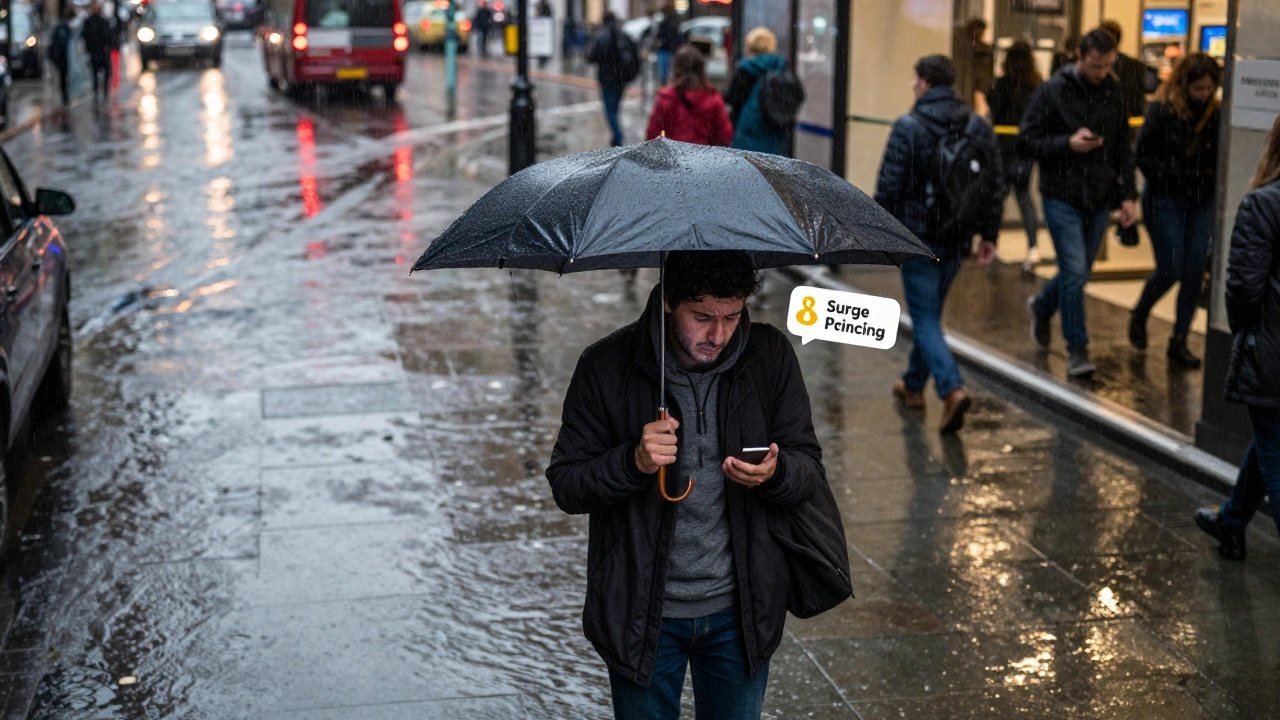
- Surge Pricing: Applied when demand outstrips supply. Can multiply your total fare by 1.5x to 3x or more.
- Booking Fee: A flat fee added to every ride, usually £0.50-£1.50.
- Congestion Charge Zone: If your route enters Central London’s congestion zone (Mon-Fri, 7am-6pm), expect an extra £15 unless your vehicle is exempt (most electric rideshares are).
Pro tip: Always check the estimated price before confirming. Most apps show a range, but Bolt and Free Now sometimes offer “fixed price” options for longer journeys, which can save you money during rush hour.
TfL Regulations: What You Need to Know
Transport for London (TfL) doesn’t just regulate buses and tubes-it oversees every private hire vehicle operating in the capital. Here’s what that means for you:
All PHV drivers must hold a valid TfL license. You can verify this by checking the driver’s photo and license number in the app before getting in. Legitimate apps display this information clearly. If it’s missing, don’t board.
Vehicles must also be licensed. Look for a yellow sticker on the rear window showing the license expiry date. Unlicensed cars risk heavy fines and can be impounded.
Insurance is non-negotiable. Every licensed PHV carries commercial insurance that covers passengers. Standard personal policies won’t cover you in an accident.
Background checks are mandatory. Drivers undergo DBS (Disclosure and Barring Service) screening, similar to police checks. This reduces risk significantly compared to unregulated services.
Black Cabs vs. Rideshare: When to Choose Which
London’s iconic black cabs aren’t going anywhere. They’re still heavily regulated, metered, and available for street hails. So when should you use them instead of an app?
- Use a black cab if: You’re near a busy area like Oxford Street or Leicester Square and want immediate pickup. No app needed. Also ideal if you have luggage-black cabs have large trunks and ramps for wheelchairs.
- Use rideshare if: You’re traveling outside central London, need a cheaper option, or want to track your trip digitally. Rideshares also tend to be cleaner and quieter.
- Avoid both if: It’s raining heavily between 5pm-7pm on weekdays. Demand spikes, surges hit hard, and wait times stretch beyond 15 minutes. Consider the Tube or bus instead.
Fun fact: Black cabs pass the Knowledge of London test-a rigorous exam covering 25,000 streets and landmarks. That’s why they rarely get lost. Rideshare drivers rely on GPS, which can fail in tunnels or dense urban areas.
Hidden Fees and How to Avoid Them
You’ve booked the ride. You’ve checked the price. Then you arrive at your destination and see a charge you didn’t expect. Common culprits include:
- Airport Drop-off Fees: Heathrow, Gatwick, and Stansted add £2-£5 for terminal drop-offs. Not always visible upfront.
- Toll Road Charges: If your route crosses the Dartford Crossing or uses the M25 toll section, you’ll pay extra. Apps usually disclose this, but double-check.
- Wait Time Charges: If your driver arrives and you’re not ready after 2-3 minutes, they start charging. Be prompt.
- Service Fees: Some apps add a 10-15% service fee on top of the fare. Read the fine print.
To avoid surprises, screenshot your estimated fare before confirming. If the final bill differs significantly, dispute it through the app’s support system. Most companies resolve these within 48 hours.
Safety Tips for Riding in London
London is generally safe, but smart precautions go a long way. Here’s what experienced riders do:
- Always share your trip details with someone you trust. Most apps let you send a live link via WhatsApp or SMS.
- Check the driver’s name, photo, and license plate before entering. Never get into a car that doesn’t match.
- Sit in the back seat. It gives you space and makes exits easier if needed.
- If something feels off, cancel the ride immediately. Don’t worry about cancellation fees-your safety matters more.
- Keep your phone charged. Download offline maps as backup in case signal drops.
TfL publishes annual safety reports showing that licensed PHVs have incident rates below 0.5%. Still, vigilance pays off.
When Rideshare Isn’t Worth It
Sometimes, the best move is to skip the app entirely. Consider these alternatives:
- Underground (Tube): Faster during peak hours, especially north-south routes. Use contactless payment or Oyster card. Fares cap daily at £7.50 for zones 1-2.
- Buses: Cheaper (£1.75 per ride) and scenic. Great for short hops under 3 miles. No surge pricing.
- Bike Share (Santander Cycles): Ideal for distances under 2 miles. First 30 minutes free with registration. Helmets recommended.
- Walking: London’s center is compact. Many attractions are within 15-minute walks. Plus, it’s free and good for your health.
If you’re visiting tourist spots like Tower Bridge, British Museum, or Covent Garden, public transport will almost always beat rideshare in cost and speed.
Is Uber legal in London?
Yes, Uber operates legally in London under TfL regulations. All Uber drivers and vehicles must be licensed by TfL. However, Uber faced temporary suspensions in 2023 due to compliance issues, which were resolved by mid-2024.
Which app is cheapest in London?
Bolt typically offers the lowest base fares and smallest surge multipliers. Free Now can be competitive if you choose a private hire vehicle over a black cab. Always compare estimates before booking.
Do I need to pay the congestion charge for rideshare?
If your journey enters the Congestion Charge Zone between Monday and Friday, 7am-6pm, yes-unless your vehicle is electric or zero-emission. Most modern rideshare fleets are EVs, so check your app’s vehicle type before booking.
Can I hail a black cab using an app?
Yes, through Free Now or Gett apps. These connect you with licensed black cabs that accept digital bookings. Note that black cabs use meters, so prices may vary slightly from app estimates.
What happens if my driver cancels?
Most apps refund any charges automatically. You can then rebook immediately. Frequent cancellations suggest low driver availability-consider switching apps or trying public transport.
Are rideshare drivers insured?
Yes, all TfL-licensed private hire drivers carry commercial insurance that covers passengers. Personal auto policies do not apply during active rides. Check the app for proof of coverage if unsure.
How much does a typical Uber ride cost in London?
A standard UberX ride within central London averages £12-£18 for distances under 5 miles. Longer trips or peak-hour surges can push prices to £30+. Always review the estimate before confirming.
Can I use Uber Eats delivery drivers for rides?
No. Uber Eats drivers are licensed for food delivery only, not passenger transport. Using them for rides violates TfL regulations and voids insurance coverage. Stick to dedicated ride-hailing apps.