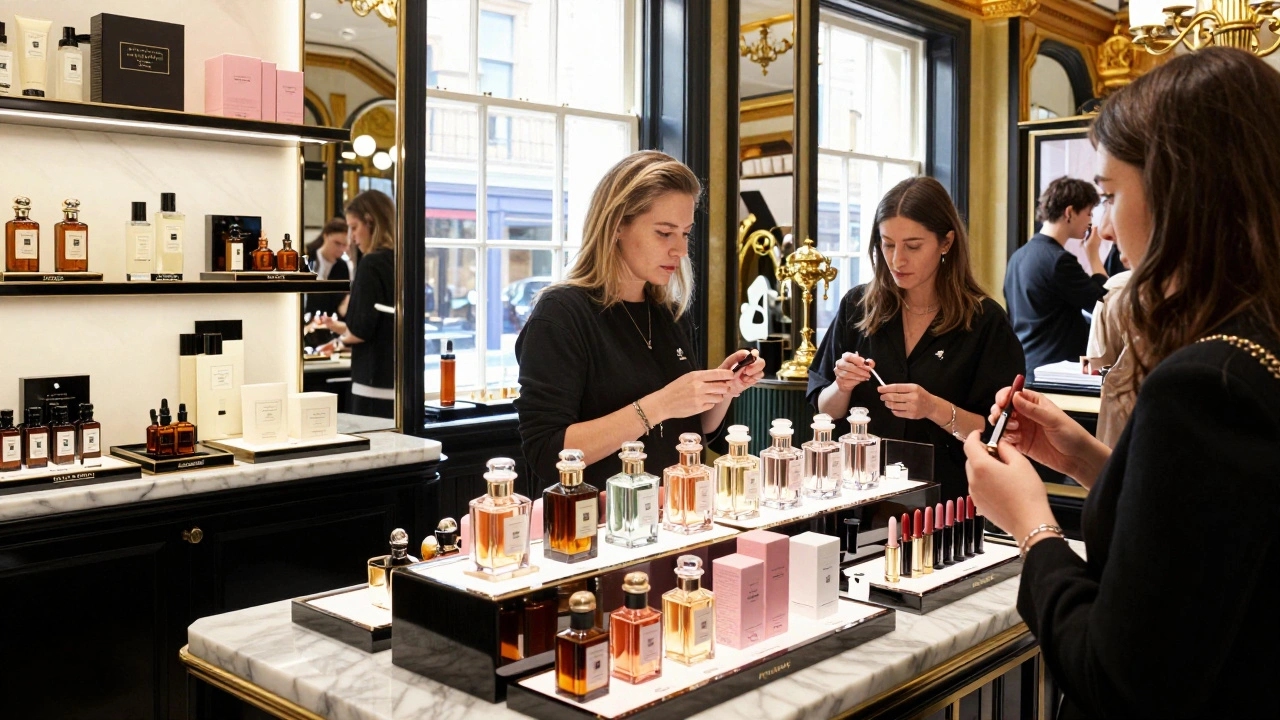
If you’re looking for real British skincare and beauty brands in London, you don’t need to scroll through endless online stores. The city is packed with independent boutiques, heritage pharmacies, and flagship stores where you can touch, smell, and test products made right here in the UK. From century-old apothecaries to modern clean beauty labs, London’s beauty scene is as diverse as its people-and way more authentic than any Instagram ad.
Harrods: The Grandmother of British Beauty
Harrods isn’t just a department store-it’s a living museum of British beauty. Head to the Beauty Hall on the first floor, and you’ll find more than 20 British brands under one roof. You can try Jo Malone London’s signature scents, test Charlotte Tilbury’s pillow talk lipsticks, or pick up a tin of Dr. Hauschka’s British-made rose cream. The staff here aren’t just salespeople; they’re trained in ingredient knowledge and skin types. Ask for the British Beauty Box-a curated selection of travel-sized favorites from UK brands you won’t find elsewhere.
Boots: The People’s Pharmacy
Boots isn’t just a drugstore. It’s where Britain’s beauty culture was born. Walk into any Boots on Oxford Street or in Covent Garden, and you’ll see shelves lined with homegrown brands like The Body Shop (founded in 1976 in Brighton), Neal’s Yard Remedies (organic, London-based since 1981), and Radox (a 1920s British bath brand still made in Yorkshire). The new Boots Beauty Lab lets you book a free 15-minute skin consultation with a qualified advisor. They’ll scan your skin, recommend products, and even let you sample them before you buy. No pressure. No upsell. Just real advice.
Selfridges: The Trendsetter’s Playground
If you want to see what’s next in British beauty, Selfridges on Oxford Street is your lab. Their Beauty Edit section features emerging UK brands like Trilogy (New Zealand-born but headquartered in London), Bybi (a vegan, plastic-neutral brand from Hackney), and Chantecaille (a British-American hybrid with a cult following for its rosewater mist). The store also runs monthly pop-ups with British founders-like a recent weekend with Dr. Barbara Sturm’s London team demoing their anti-inflammatory serums. Check their events calendar before you go; you might catch a live demo or limited-edition launch.
Notting Hill: The Independent Beauty Hub
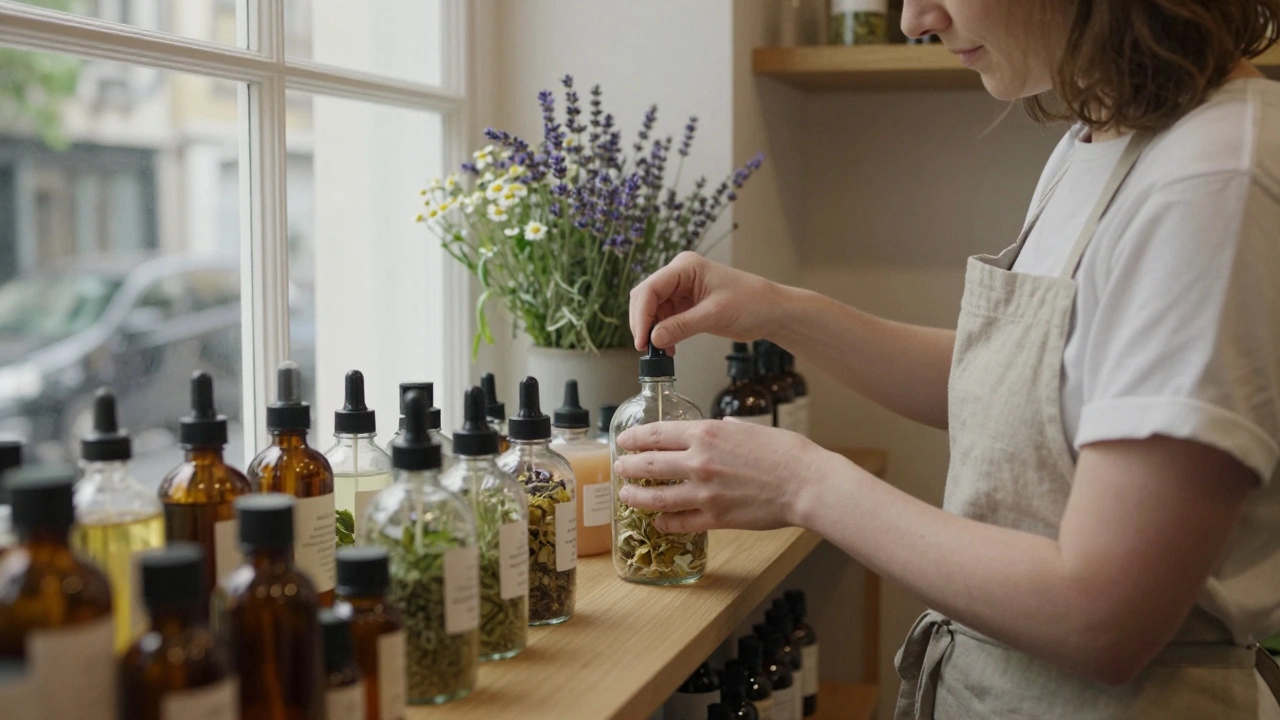
Forget the big names. If you want hidden gems, head to Portobello Road and the side streets of Notting Hill. Here, you’ll find Wildsmith Skin, a small-batch brand made in East London using wild-harvested botanicals. Their facial oils are sold in amber glass bottles with handwritten labels. Nearby, Earth Apothecary offers refillable jars of British-made cleansers and toners-no plastic, no preservatives, no nonsense. The owner, Sarah, has been formulating since 2012 and still hand-pours every batch. She’ll tell you exactly which ingredients work for sensitive skin and which ones to avoid if you’re prone to redness.
Covent Garden: Heritage Meets Modern
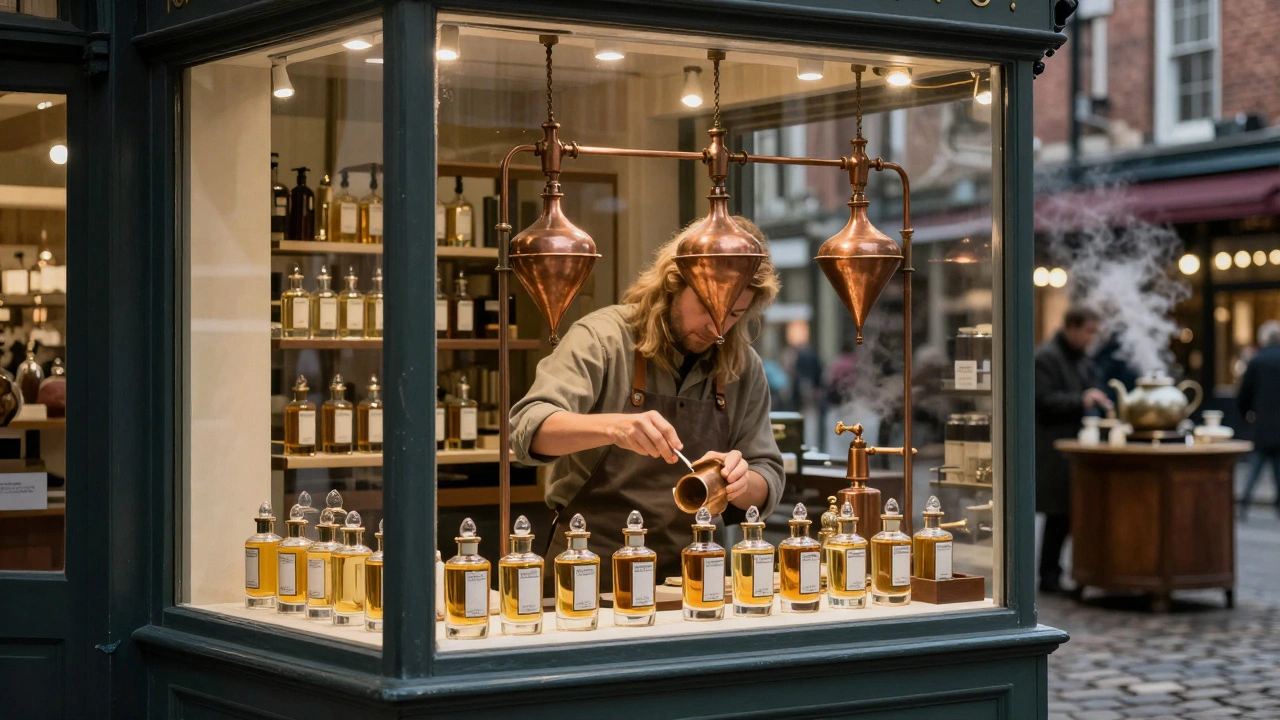
Covent Garden’s cobbled alleys hide some of London’s oldest beauty names. Penhaligon’s, founded in 1870, still makes its perfumes in a tiny workshop near the market. Their Blonde Rose scent is a bestseller-and you can watch it being bottled through the shop’s glass wall. Across the street, Neal’s Yard Remedies has its original 1981 store, now a calming oasis with herbal teas, essential oils, and a free skin mapping service. Don’t miss their Replenishing Night Cream, made with calendula and chamomile from organic farms in Somerset.
Chelsea: Luxury with a Conscience
Chelsea’s King’s Road is home to Grown Alchemist, a Swiss-British brand that started in London in 2006. Their store feels like a spa-meets-laboratory: marble counters, zero-waste packaging, and products made with plant-based actives. Their Hydrating Facial Serum is packed with marine algae and hyaluronic acid derived from fermented sugar beet. Nearby, True Botanicals (a British-American brand with a London studio) offers refill stations for their clean serums and moisturizers. You bring back the empty bottle, they clean it, and you get a discount. It’s circular beauty, done right.
What to Look For When Buying British
Not every brand with a British-sounding name is actually made in the UK. Here’s how to spot the real ones:
- Check the label for Made in the UK or Manufactured in England-not just Branded in London.
- Look for certifications: Soil Association (organic), Leaping Bunny (cruelty-free), or B Corp status.
- Visit the brand’s website. Real British brands list their factory or lab location-often in Yorkshire, Devon, or Scotland.
- Avoid brands that only sell online. The best ones have physical stores or pop-ups you can visit.
For example, Lush is British-but their factories are in Poole, Manchester, and Glasgow. The Ordinary is Canadian, even if you see it in Boots. Know the difference.
Best Time to Visit
December is quiet in London’s shopping districts, which means you’ll get personal attention. Many stores offer free samples during the holidays. Boots runs a Free Gift with Purchase campaign through the end of the year. Harrods and Selfridges often give small British-made candles or lip balms as holiday gifts. If you’re planning ahead, mark your calendar for the London Beauty Week in early February-where 50+ British brands open their doors for free demos and exclusive launches.
What You Can’t Find Online
Online shopping can’t give you the smell of Penhaligon’s’s lavender and vetiver blend before you buy. It can’t let you test how Bybi’s bubble cleanser feels on your skin. And it won’t let you chat with the founder of Wildsmith Skin, who’ll tell you why she uses rosehip oil from the Scottish Highlands instead of cheaper alternatives from China.
London’s beauty scene thrives on connection. You’re not just buying a cream-you’re supporting a local maker, a family business, a 50-year-old recipe passed down in a lab in Bristol. That’s worth the walk.
Are British skincare brands more expensive than international ones?
Some are, but not all. Brands like Boots’ own Botanics line cost under £10, while niche brands like Wildsmith Skin can run £60-£90. You’re paying for ingredients (like organic botanicals from British farms), ethical packaging, and small-batch production. Many British brands offer sample sizes or travel kits so you can test before you commit.
Can I find vegan British skincare brands in London?
Yes. Brands like Bybi, Neal’s Yard Remedies, and Earth Apothecary are 100% vegan and cruelty-free. Most have clear labels and certifications on their packaging. You can also ask staff at Selfridges or Boots-they keep a list of vegan brands in stock.
Do British skincare brands use natural ingredients?
Many do, but not all. Look for certifications like Soil Association or Ecocert. Brands like Trilogy and Neal’s Yard use plant-based, wild-harvested ingredients. Others, like Charlotte Tilbury, use synthetic ingredients for stability and performance. Always check the ingredient list-don’t assume "natural" means chemical-free.
Is it worth buying British skincare if I have sensitive skin?
Absolutely. Many British brands specialize in sensitive skin. Dr. Hauschka and Wildsmith Skin avoid synthetic fragrances, parabens, and alcohol. Boots offers free skin mapping to identify triggers. You can also ask for patch tests at independent stores-they’ll apply a small amount behind your ear and check for reactions.
Where can I buy British beauty brands outside London?
Many British brands are sold nationwide. Boots, Superdrug, and John Lewis carry top UK brands. Independent shops in Manchester, Bristol, and Edinburgh often stock local favorites like Cheshire’s Herbivore Botanicals or Devon’s Green People. You can also use the British Beauty Map on the UK Beauty Trade Association’s website to find stockists near you.
If you’re visiting London and care about what you put on your skin, skip the tourist trinkets. Head to these spots instead. You’ll walk away with something that works-and a story behind it.