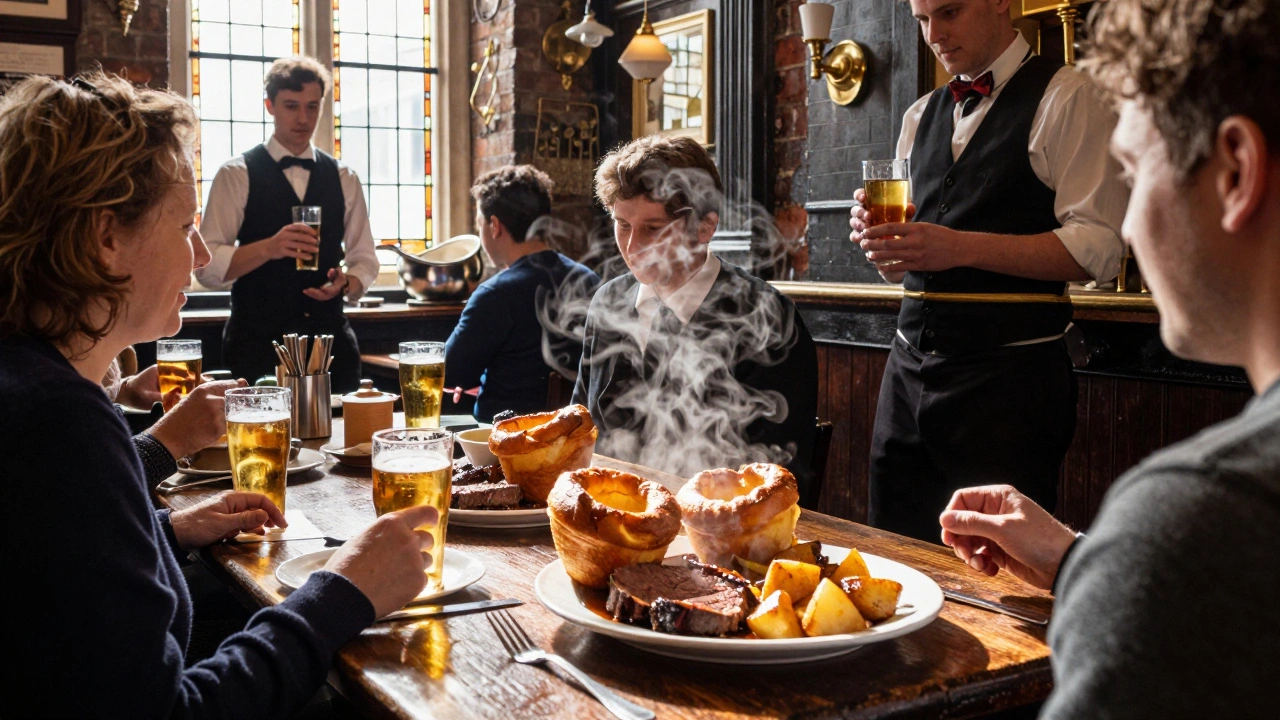
There’s something about a Sunday roast in London that feels like coming home-even if you’ve never lived here. Crisp crackling, tender roast beef, golden potatoes, gravy that clings just right, and a pile of vegetables that somehow tastes better on a Sunday than any other day. It’s not just food. It’s tradition. And if you’re looking for the best one in the city, you don’t need to go far-just know where to look.
The Sunday Roast Isn’t Just a Meal, It’s a Ritual
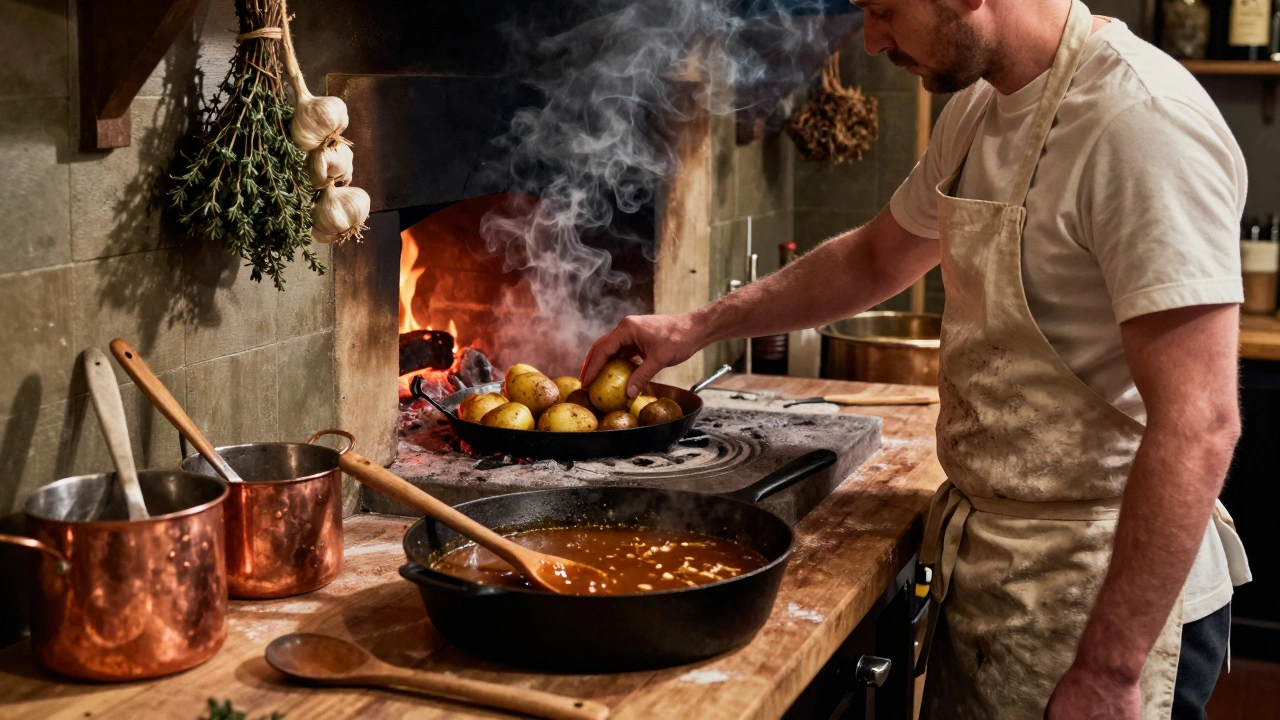
Forget fancy tasting menus or Instagrammable plating. A proper Sunday roast is about comfort, consistency, and care. It’s the kind of dish that hasn’t changed much in 150 years: beef (or lamb, pork, or chicken), roasted in a hot oven, then rested. The potatoes are parboiled, then tossed in fat-duck, goose, or beef drippings-and roasted until they’re crispy on the outside and fluffy inside. Yorkshire puddings rise tall and golden, not soggy. Gravy is made from the pan juices, not a packet. And the vegetables? Boiled just enough to hold their shape, not turn to mush.
London’s best Sunday roasts aren’t in Michelin-starred restaurants. They’re in pubs with stained wooden tables, waiters who remember your name, and kitchens that fire up the oven the moment the doors open. These places don’t advertise their roast. They don’t need to. The smell alone draws people in.
Where the Locals Go: 5 Top Spots for Sunday Roast in London
After talking to chefs, regulars, and even a few food critics, these five spots consistently come out on top-not because they’re the fanciest, but because they get the basics right, every single week.
1. The Harwood Arms ( Fulham )
This isn’t your average pub. It’s the only pub in London with a Michelin star-and it still serves a £22 Sunday roast that feels like a steal. The beef is dry-aged for 28 days, sourced from a single farm in Devon. The potatoes are cooked in beef fat, and the Yorkshire puddings are made with a 72-hour fermented batter. It’s not cheap, but it’s the closest thing to a restaurant-quality roast you’ll find in a pub setting. Book ahead-tables fill up by 11 a.m.
2. The Crown ( Brixton )
Walk in on a Sunday and you’ll see families, couples, and groups of friends packed into this 18th-century pub. The roast here is all about tradition. The meat is hung for 21 days, then slow-roasted. The gravy is thickened with flour and beef stock, not cornstarch. The vegetables are seasonal: parsnips in winter, peas in spring. And the Yorkshire puddings? They come out of the oven with a slight dome, like they should. The best part? It’s still under £20. No reservations needed-just show up early.
3. The Bull & Gate ( Kentish Town )
Once a dive bar, now a cult favorite for Sunday lunch. The roast here is a no-frills, all-flavor experience. They use British Black Angus beef, roasted in a wood-fired oven. The potatoes are fried in goose fat, then finished in the oven. The vegetables? Roasted with thyme and garlic. And the gravy? Made from the bones of the same cow. They serve it with a side of pickled onions and a pint of local ale. The vibe is loud, lively, and unapologetically British. No table service-order at the bar, grab a seat, and wait for your plate to come out.
4. The Prince of Wales ( Notting Hill )
This place has been serving Sunday roasts since 1898. The recipe hasn’t changed. The beef is sourced from a family-run farm in Herefordshire. The potatoes are boiled, then roasted in dripping for 45 minutes. The Yorkshire puddings are made with a secret ratio of egg to flour-no one knows what it is, but they’re always light and airy. The staff have been here for decades. One waitress has been serving roast beef here for 42 years. If you want a roast with history, this is it.
5. The Wheatsheaf ( Camden )
It’s small, it’s tucked away, and it doesn’t take bookings. But on Sundays, the line starts forming by 11:30 a.m. The roast here is simple: choice of beef, lamb, or chicken. All meats are dry-aged for 14 days. The potatoes are roasted in duck fat. The vegetables are steamed, not boiled. The gravy is made with red wine and juniper berries. And the Yorkshire puddings? They’re so big they need their own plate. The owner, Steve, insists on using only British ingredients-even the salt comes from Wales. It’s the kind of place you go to when you want to taste what Sunday lunch used to be.
What Makes a Sunday Roast Truly Great?
Not every pub with a roast is worth your time. Here’s what separates the good from the great:
- Meat quality: Look for dry-aged beef (14+ days). If they say “premium beef” without specifying, ask where it’s from. If they don’t know, walk away.
- Potatoes: They should be crispy on the outside, soft inside. If they’re soggy or pale, they were boiled and then baked-skip it.
- Yorkshire puddings: They should rise tall, have a slight chew, and be hollow inside. If they’re flat or dense, the batter was overmixed or the oven wasn’t hot enough.
- Gravy: Should be rich, not watery. If it tastes like stock with flour, it’s not made from pan drippings.
- Vegetables: They should taste like vegetables, not boiled water. Look for roasted or steamed, never mushy.
And here’s a pro tip: if they serve the roast with a side of mint sauce or apple sauce, it’s probably lamb or pork. Beef comes with horseradish. If they give you mint with beef, they’re not doing it right.
How to Avoid the Tourist Traps
London is full of places that advertise “Traditional Sunday Roast” with photos of golden potatoes and smiling families. Most of them are in tourist zones-Covent Garden, Leicester Square, near the London Eye. They charge £30+, use frozen meat, and serve the roast at 3 p.m. because they’re trying to turn tables.
Here’s how to spot them:
- Menu has “Sunday Roast” in bold, with a photo of a plate you’ve never seen in a real pub.
- They offer “vegetarian roast” made from seitan or tofu. That’s not a roast. That’s a substitute.
- The staff don’t know what cut of meat they use.
- The place is packed with people wearing fanny packs and holding selfie sticks.
Go where the locals go. Ask a bartender at a neighborhood pub where they eat on Sundays. Nine times out of ten, they’ll point you to a place you’ve never heard of-and it’ll be better than any restaurant with a Yelp badge.
What to Order, and What to Skip
Stick to the classics. Don’t get tempted by “gourmet twists.”
- Do order: Beef (rare to medium-rare), Yorkshire pudding, roast potatoes, gravy, seasonal vegetables.
- Do try: A pint of real ale. It cuts through the fat. Try a bitter or a stout.
- Don’t order: “Roast vegetable bowl” (that’s not a roast), “crispy skin chicken” (if it’s not served with Yorkshire pudding, it’s not a roast), or “vegan roast” (it’s not a roast, it’s a plant-based dish).
- Don’t skip: The cheese board after. A good pub will offer a sharp cheddar or Stilton with a glass of port. It’s the perfect end.
When to Go and How to Plan
Sunday roasts are a weekend ritual. Most places open at 12 p.m., but the best ones fill up by 1 p.m. If you want a table, arrive by 11:30 a.m. or book ahead. Some places take reservations-others don’t. Call ahead, even if it’s just to ask if they’re still serving.
Don’t expect a quick lunch. A proper roast takes time. Plan for at least two hours. You’ll be sitting, chatting, sipping, and slowly working your way through a plate of food that was made with patience. That’s the point.
Final Thought: It’s Not About the Price
You can find a £40 Sunday roast at a hotel restaurant. But you’ll pay £18 at The Crown and walk out feeling like you’ve had the best meal of the week. The best Sunday roasts in London aren’t the most expensive. They’re the ones where the chef still cares. Where the meat is sourced from a farm you can name. Where the potatoes are crispy because someone stood over the oven for 45 minutes, not because a machine did it.
That’s what makes them worth finding.
What’s the best cut of beef for a Sunday roast?
The best cut is topside or silverside for a classic roast. It’s lean, flavorful, and stays tender when slow-roasted. For something richer, go for rump or chuck. Avoid sirloin-it’s too expensive and dries out easily. Most top pubs use dry-aged beef, aged at least 14 to 28 days, for deeper flavor and better texture.
Can I get a good Sunday roast in London on a budget?
Absolutely. Places like The Crown in Brixton and The Bull & Gate in Kentish Town serve full roasts for under £20, including all sides and gravy. You won’t get truffle oil or gold leaf, but you’ll get real meat, crispy potatoes, and Yorkshire puddings that rise tall. The best roasts aren’t expensive-they’re honest.
Do London pubs serve Sunday roast year-round?
Yes. Most traditional pubs serve Sunday roast every week, rain or shine. Some close in August or during holidays, but the majority keep it going. The tradition is too strong to drop. Even in summer, you’ll find people eating roast lamb with mint sauce on a sunny afternoon.
Is Yorkshire pudding really that important?
It’s not optional-it’s the soul of the roast. A good Yorkshire pudding is light, airy, and slightly chewy. It soaks up the gravy and balances the richness of the meat. If a place serves a flat, dense, or soggy one, they’re cutting corners. Skip it. The best ones are made with a 72-hour fermented batter and baked in a screaming-hot oven.
What’s the difference between a pub roast and a restaurant roast?
A pub roast is about comfort and consistency. A restaurant roast is about presentation and price. Pub roasts use local meat, simple sides, and are served on a plate with a pint. Restaurant roasts often come with fancy sauces, microgreens, and a wine pairing. The pub version tastes better because it’s made for eating, not photographing.