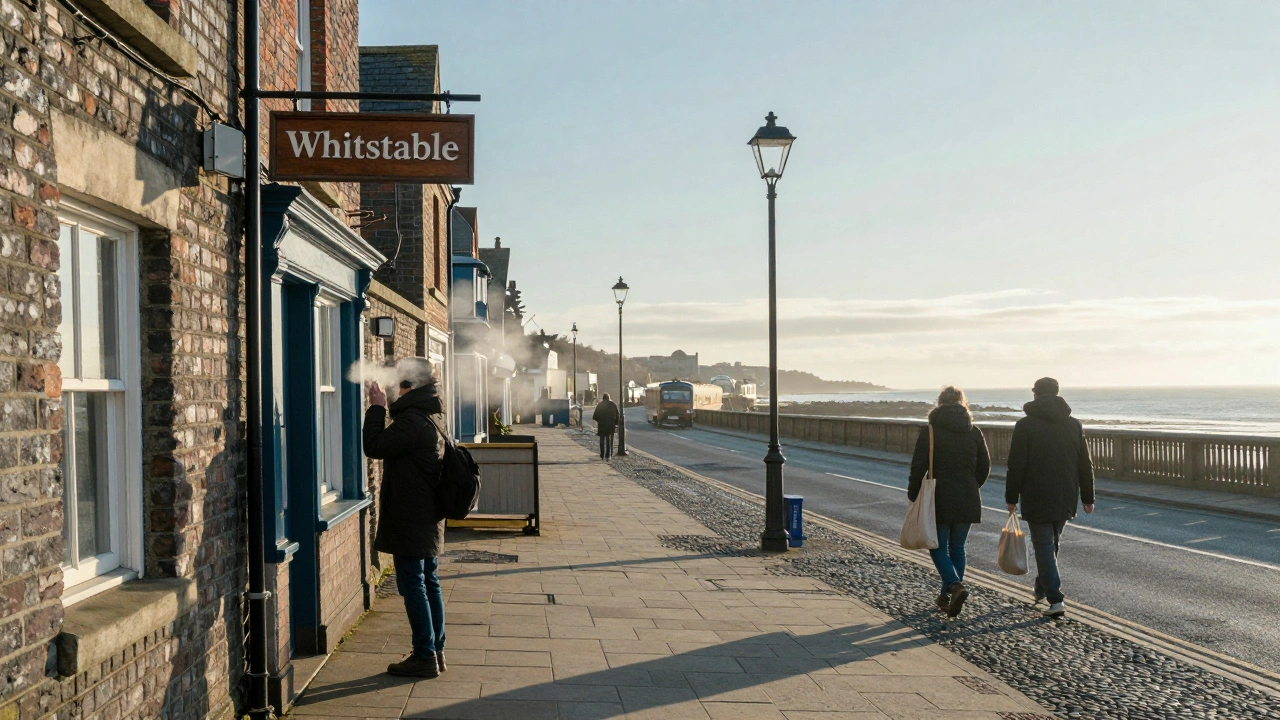
It’s a crisp February morning in London, and you’re tired of the same old parks, pubs, and queues. What if you could be standing on a pebbly beach, breathing in salt air, and biting into a fresh oyster-just 90 minutes from the city? Whitstable isn’t just a side note on a map. It’s a real escape. A place where the sea still feels wild, the pubs still serve beer by the pint, and the oysters? They’re not a gimmick. They’re the reason people come back.
Getting There: No Car Needed
You don’t need to rent a car, fight traffic, or pay £20 for parking. The train from London St Pancras to Whitstable takes about 1 hour and 20 minutes. Trains run every 30 minutes on weekdays and hourly on weekends. A single ticket costs around £22 if you book ahead. If you’re feeling spontaneous, walk to the ticket machine, grab an off-peak fare, and you’re golden.Most people hop on the Southeastern service from St Pancras. The train rolls through Kent’s quiet countryside-rolling hills, old brick stations, and the occasional glimpse of the sea. You’ll know you’re close when you see the sign for Whitstable and hear the conductor say, "Last stop before the coast."
Once you step off the platform, you’re already in the heart of it. The high street starts right outside the station. No taxi needed. No shuttle. Just walk. The sea is less than a 10-minute stroll away.
The Oyster Scene: Not Just a Tourist Trap
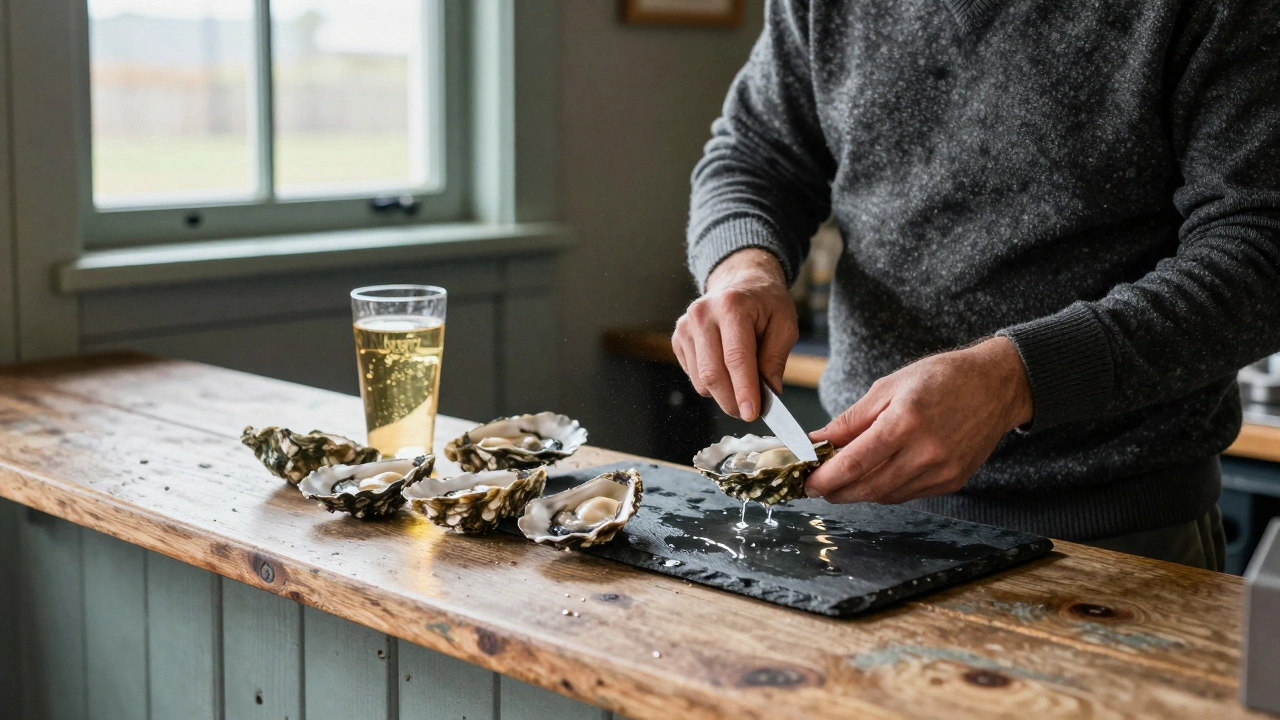
Whitstable’s name is tied to oysters. Not because of fancy marketing. But because the town has been harvesting them since Roman times. The waters here are clean, briny, and perfect for the native flat oyster-smaller than the Pacific kind, with a deep, metallic taste that lingers.Head to Whitstable Oyster Company on Harbour Street. It’s not a restaurant. It’s a shed. A wooden shed with a counter, a fridge, and a man named Dave who’s been shucking for 37 years. He doesn’t do tours. He doesn’t wear a hat. He just asks: "How many?"
You order a half-dozen. He cracks them open with a single twist of his knife. No lemon. No tabasco. Just a sprinkle of salt and a glass of chilled local cider. The first one? It’s briny, sweet, and cold-like the sea just whispered into your mouth. The second? You’re already thinking about the third.
There’s no menu. No prices listed. You pay what you think it’s worth. Most people leave £15-£20 for six. Dave doesn’t argue. He just nods. This isn’t a place for Instagram. It’s for people who remember what real food tastes like.
Walk the Harbour and the Beach
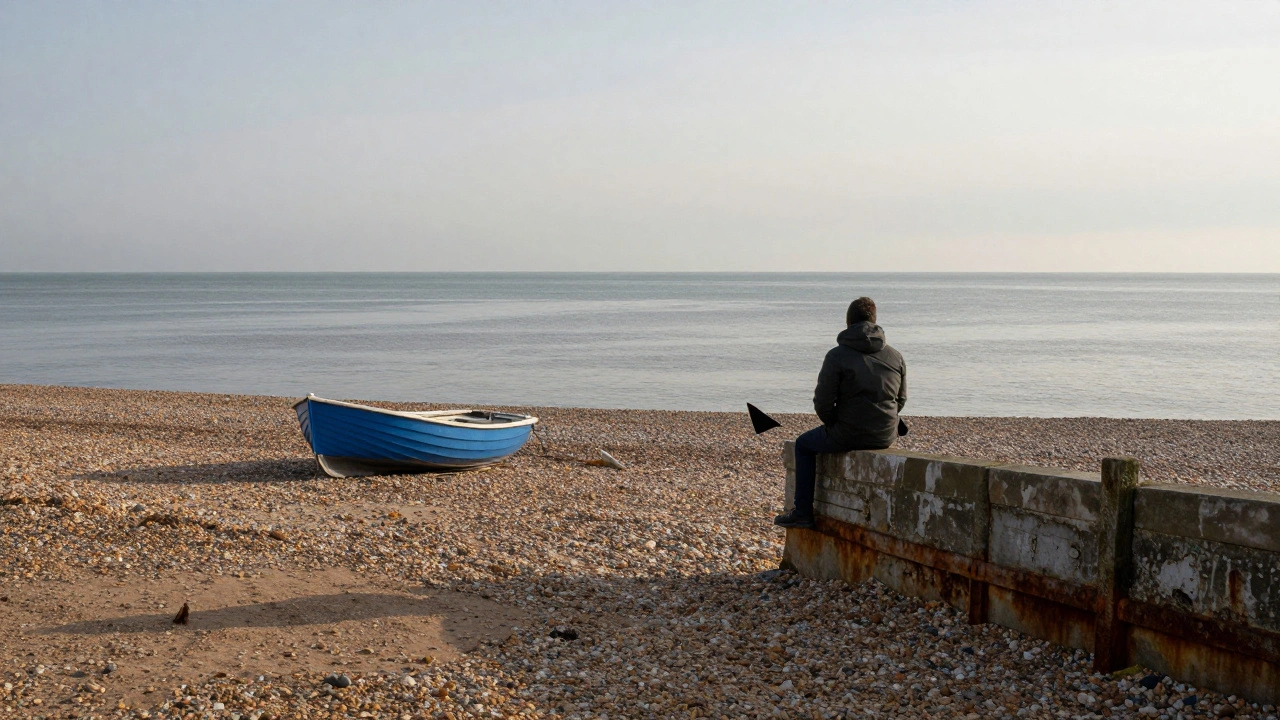
After the oysters, wander down to the harbour. The boats are still here-small fishing trawlers, weathered yachts, and one old wooden rowboat painted blue that’s been there since the 1980s. You can sit on the stone wall and watch the gulls dive for scraps. No one rushes you. No one sells you anything.From there, follow the path east toward Tankerton Sands. The beach isn’t sandy. It’s pebbles. But the sea is clear, and the view stretches out to the horizon. On a calm day, you can see the outline of the Isle of Thanet. Kids build sandcastles on the edges. Couples walk hand in hand. No one’s taking selfies. They’re just… there.
If you’re up for a longer walk, head to the Old Town. Narrow alleys. Colourful cottages. A church built in 1170. You’ll pass a bakery that sells hot cross buns shaped like fish. A bookshop that still uses paper receipts. A pub called The Sea Wall where the landlord knows your name if you come back twice.
What to Eat (Besides Oysters)
You came for the oysters. But you’ll leave with a full stomach for other reasons too.- Whitstable Brewery on the High Street: Try the Sea Haze-a crisp, citrusy pale ale brewed with sea salt. It’s the drink of choice for locals after work.
- Clarence’s Fish & Chips: No fancy name. Just cod, batter, and mushy peas. Served on a paper tray with a side of vinegar. You eat it on the bench outside. No forks. No napkins. Just salt and sea air.
- The Oyster Bar (not the oyster company): A proper pub with a menu. Try the crab sandwich. Fresh, sweet, and piled high. It costs £12. You won’t find better.
- Local markets (Saturdays only): Fresh eggs, honey from the Kent hills, and pickled mackerel in jars. Bring a tote bag. You’ll leave with something you didn’t plan for.
When to Go (and When Not To)
Whitstable is quiet in winter. That’s the point. February is perfect. No crowds. No queues. The oyster sheds are open. The pubs are warm. The beach is yours.Don’t come in August. That’s when the town fills up with tourists, the oyster stalls double their prices, and the beach looks like a parking lot. You’ll pay £30 for six oysters. You’ll wait 45 minutes for a coffee. You’ll leave annoyed.
Best months? October to March. Cool air. Empty streets. Real locals. And oysters that taste like they were pulled from the water that morning.
What to Pack
This isn’t a luxury getaway. It’s a coastal reset.- Sturdy shoes. The harbour path is uneven. The beach is pebbles.
- A light windbreaker. Even in February, the sea wind bites.
- Cash. Some places don’t take cards. Especially the oyster shed.
- A tote bag. For the market, the bread, the beer.
- A book. Or nothing. Just sit on the wall. Watch the tide come in.
Why This Trip Works
You don’t need a weekend. You don’t need a fancy hotel. You just need a train ticket and two hours of quiet.Whitstable doesn’t sell you an experience. It gives you space. Space to breathe. Space to eat something real. Space to forget your inbox.
It’s not about the oysters. It’s about what happens after you swallow them. The silence. The salt on your lips. The way the light hits the water just before sunset. That’s the trip. Not the photo. Not the checklist. Just you, the sea, and a plate of shellfish that tastes like history.
Can I do Whitstable as a day trip from London?
Yes, absolutely. Trains run frequently from London St Pancras, and the journey takes just 90 minutes. You can leave at 8 a.m., spend the whole day exploring, and be back in London by 8 p.m. with plenty of time to spare.
Are oysters in Whitstable really that good?
Yes, if you eat them fresh at the source. Whitstable has been harvesting native flat oysters since Roman times. The waters are clean, and the oysters are harvested daily. The best ones are served raw at the Whitstable Oyster Company-no sauces, no garnish. Just the sea in a shell.
Is Whitstable worth visiting in winter?
Winter is actually the best time. The town is quiet, prices are lower, and locals are more welcoming. The oyster sheds are still open. The beach is empty. You’ll get the real feel of the place without the crowds.
Do I need to book oysters in advance?
No. The Whitstable Oyster Company is walk-in only. They serve oysters from 10 a.m. to 4 p.m., seven days a week. Just show up. Bring cash. Be ready to eat them right there at the counter.
What else can I do in Whitstable besides eat oysters?
Walk the harbour, visit Tankerton Sands, explore the Old Town’s narrow streets, browse independent bookshops and boutiques, stop by the Whitstable Brewery for a local ale, or check out the historic St George’s Church. There’s no need to rush. The charm is in the slow moments.
If you’ve ever felt like you need to get away-not to escape, but to remember-you’ll find that in Whitstable. Not in a resort. Not in a luxury hotel. Just on a pebble beach, with a cold oyster in one hand and the sea in your lungs.