If you’ve ever watched Wimbledon on TV-the green grass, the crisp whites, the hushed silence before a serve-you know it’s more than a tennis match. It’s a British tradition. And if you’re in London in late June or early July, seeing it live isn’t just a trip to a sports event. It’s stepping into a century-old ritual that still feels personal, even with 50,000 people around you.
How to Get Tickets to Wimbledon
The hardest part of seeing Wimbledon isn’t finding your way to the grounds-it’s getting a ticket. The All England Club sells about 14,000 tickets a day across its 18 courts. But here’s the truth: only 1,000 of those are sold directly to the public on the day of the match through the famous queue.
Here’s how to actually get in:
- Enter the public ballot - This is your best shot. Open every October for the next year’s tournament, you register online at wimbledon.com. You pick up to five days and court preferences. Winners are randomly selected and notified in March. No guarantee, but it’s the official route.
- Join the queue - If you’re in London during the tournament and willing to wait, show up at Gate 4 (the main public entrance) before 6 a.m. on the day you want to attend. You’ll get a numbered ticket. The queue starts early-sometimes 2 a.m.-and moves fast once gates open. You can only get one ticket per person, and only for Centre Court or No. 1 Court if they’re available.
- Buy resale tickets - Official resale opens on the day of the match via the Wimbledon website. Tickets from members or season ticket holders who can’t attend go here. Prices stay at face value. Avoid third-party scalpers. Many tickets sold on eBay or Viagogo are fake or inflated.
Don’t expect to walk up and buy a Centre Court ticket on match day unless you’re one of the first 1,000 in line. The rest of the courts? Much easier. No. 2 Court, No. 3, and the outer courts are often wide open.
When to Go and What to Expect
Wimbledon runs for two weeks, starting the last Monday in June. In 2026, that’s June 29 through July 13. The finals are on Saturday, July 12 (women’s) and Sunday, July 13 (men’s).
Here’s what you’ll see:
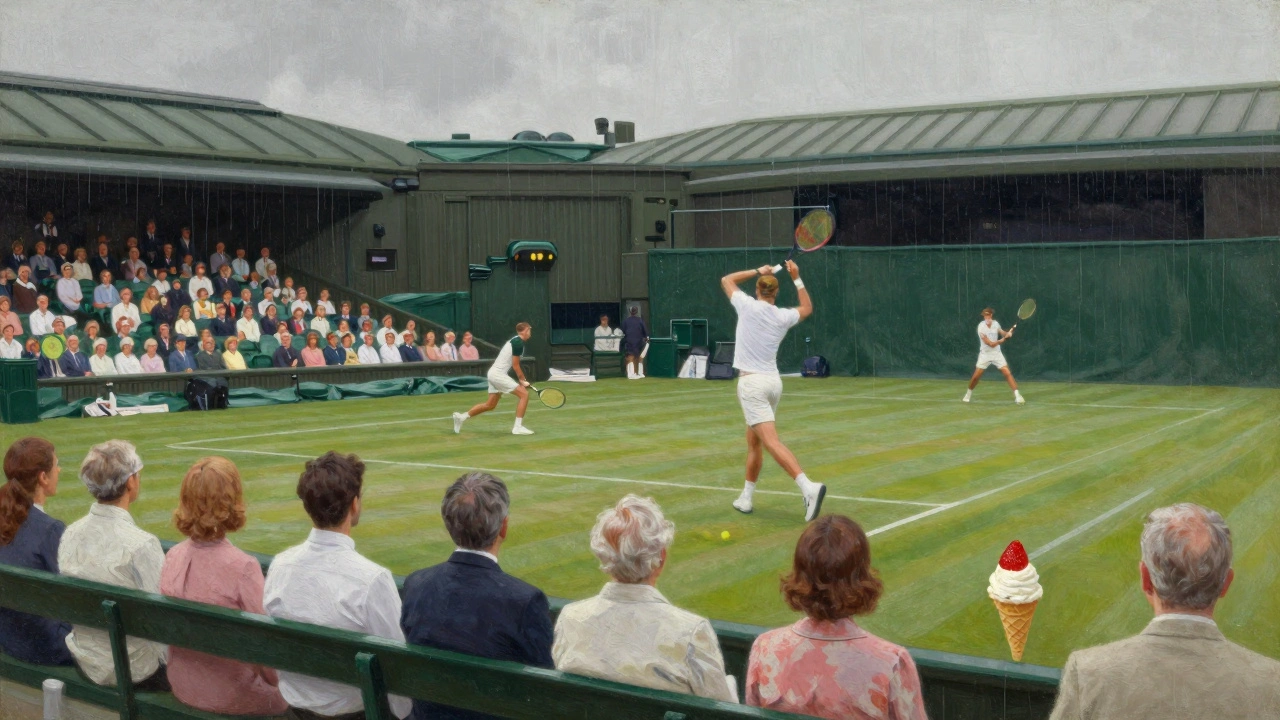
- Centre Court - The main stage. 15,000 seats. Roof closes in rain. The only court with a retractable roof and under-soil heating. This is where the biggest names play-and where the crowd holds its breath.
- No. 1 Court - Almost as big. 12,000 seats. Also has a roof. Often hosts top-10 players and long, dramatic matches.
- No. 2 and No. 3 Courts - Smaller, more intimate. Great for seeing rising stars. You might catch a future champion here before they’re famous.
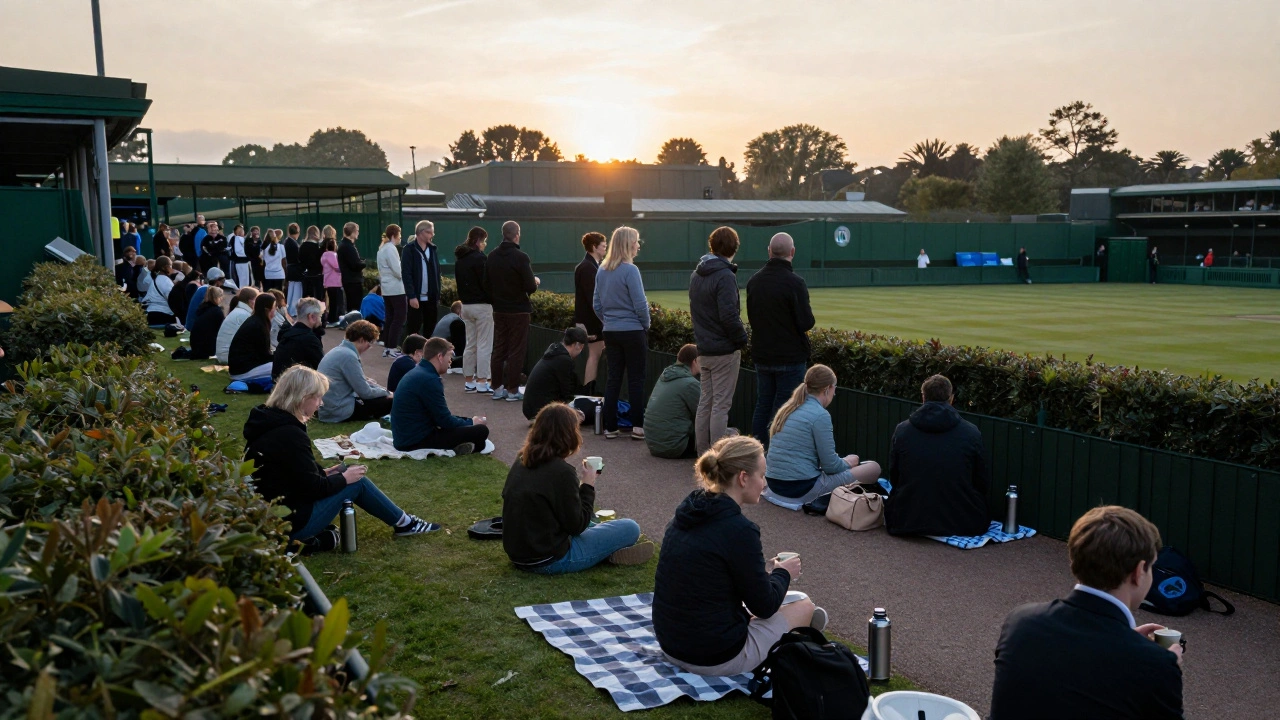
- Outer courts - Free to enter with a grounds pass. You can watch matches on grass, clay, and hard courts. No assigned seating. Bring a blanket, sit on the grass, and soak it in.
The atmosphere is quiet but electric. No loud music. No flashing lights. Just the sound of sneakers on grass, the thwack of a forehand, and the occasional murmur from the crowd. It’s not a concert. It’s a ceremony.
How to Get There
Wimbledon is in southwest London, in the borough of Merton. The nearest station is Wimbledon Station, served by South Western Railway from London Waterloo (35 minutes) and the District Line of the Underground.
Here’s the easiest way:
- From central London - Take the District Line to Wimbledon Station. Get off at the main station, not the tram stop. Walk 10 minutes to Gate 4. Signs are clear.
- By bus - Routes 93, 155, 200, and 493 stop near the grounds. Check Transport for London’s website for real-time updates.
- By car - Not recommended. Parking is extremely limited. Traffic jams start by 8 a.m. on match days. If you drive, park at a nearby station like Putney or Earlsfield and take the train in.
On match days, expect crowds. The station turns into a human river. Follow the signs. Everyone’s heading the same way. Stay calm. You’ll get there.
What to Wear and Bring
There’s no strict dress code for spectators-unlike the players, who must wear all white. But here’s what most people do:
- Wear comfortable shoes - You’ll walk a lot. The grounds are huge. From the station to Centre Court is half a mile.
- Bring a light jacket or sweater - Even in summer, evenings get chilly. Rain is common. A small foldable umbrella fits in a bag. Large umbrellas are banned.
- Don’t bring large bags - Only bags smaller than 40cm x 40cm are allowed. No backpacks over that size. No coolers. No glass bottles.
- Bring cash - Many food stalls and souvenir shops still only take cash. ATMs are on-site but lines are long.
- Bring sunscreen and a hat - The grass courts get hot. There’s little shade on the outer courts.
Pro tip: Buy a Wimbledon program for £5. It’s worth it. You’ll get player stats, draw sheets, and a map. Plus, it’s a keepsake.
Where to Eat and Drink
Wimbledon’s food is legendary-not because it’s fancy, but because it’s perfect for the moment.
- Strawberries and cream - 28,000 kilograms are served during the tournament. Fresh, local strawberries with single cream. It’s £2.50 a portion. Eat it slowly. Savor it.
- Pies and sandwiches - Butcher’s pies, egg and cress, ham and mustard. All served on paper plates. No forks needed.
- Champagne and Pimm’s - The official drink of Wimbledon is Pimm’s No. 1 Cup. It’s a gin-based fruit punch served with lemon, mint, and cucumber. You’ll see it everywhere. Champagne is sold by the glass too. Don’t skip it.
- Food halls - There are three major food areas: Centre Court, No. 1 Court, and the Aorangi Terrace. Prices are fair for London. A sandwich is £8. A pint of beer is £7.
Don’t bother bringing your own food unless it’s a snack. Security checks bags. No picnic baskets allowed.
What to Do Before or After the Match
Wimbledon isn’t just tennis. It’s a full day out.
- Visit the Wimbledon Lawn Tennis Museum - Open daily during the tournament. Free with a ticket. See the original 1877 rackets, the trophies, and the interactive court where you can serve against a virtual Nadal. It’s small but brilliant.
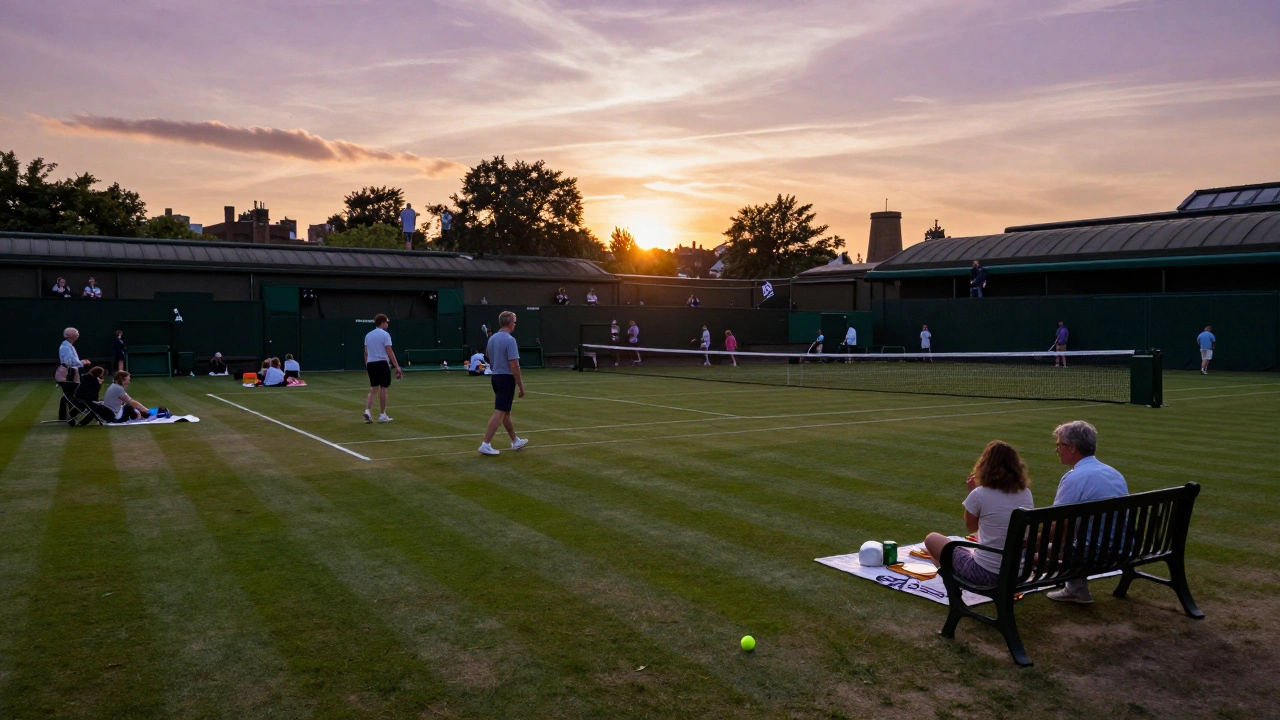
- Walk the grounds before the match - Arrive early. Wander the hedges. Sit on the benches. Watch players practice on the outer courts. You might see a future champion warming up.
- Head to Putney Bridge - After the match, take a 20-minute walk or short bus ride to Putney. Grab a drink at The Swan or The Old Ship. It’s where the rowing crews train. The vibe is local, relaxed, and real.
- Take the Thames walk - If you’ve got time, hop on a Thames Clipper boat from Putney Pier. Ride it to Westminster. See London from the water. The sun sets behind Big Ben. It’s the perfect end to a Wimbledon day.
Common Mistakes to Avoid
People come to Wimbledon with big dreams. They leave disappointed because they didn’t plan right.
- Thinking you can buy tickets at the gate - Unless you’re in the queue before dawn, you won’t get in. Plan ahead.
- Wearing high heels - The grass is uneven. You’ll sink. You’ll hurt your ankle. Flat shoes only.
- Missing the first round - The early matches are where the magic hides. Watch a qualifier from Ukraine beat a top-50 player. That’s the real Wimbledon.
- Not checking the draw - The schedule changes daily. Use the official Wimbledon app. It updates in real time. Don’t rely on paper posters.
- Forgetting the weather - London in June is unpredictable. Pack for rain. Bring a poncho. It’s better than getting soaked.
Final Tip: Be Part of the Ritual
Wimbledon doesn’t care if you’re a tennis fan or not. It cares that you’re there. That you’re quiet during the serve. That you clap when the match ends. That you eat your strawberries with care.
It’s not just a tournament. It’s a shared moment. One hundred and forty-seven years of history, played out on grass, in the middle of a city that never stops moving.
If you go, don’t just watch. Be part of it.
Can I bring my own food and drinks to Wimbledon?
No, you can’t bring in food or drinks except for small snacks and one sealed bottle of water per person. Coolers, picnic baskets, and large containers are banned. Security checks bags at the gates. The food on-site is affordable and part of the experience-strawberries, cream, pies, and Pimm’s are all included in the ticket price.
Is Wimbledon suitable for children?
Yes, children are welcome. Under-16s get free entry to the outer courts with a paying adult. Tickets for Centre Court and No. 1 Court are half-price for kids. The atmosphere is family-friendly-no loud music, no alcohol sales to minors, and plenty of space to move around. The museum is especially engaging for younger fans.
How early should I arrive for a match?
If you have a reserved seat, arrive at least 60 minutes before play starts. Gates open at 9:30 a.m., and matches begin at 11:30 a.m. If you’re queuing for a same-day ticket, be there by 5 a.m. at the latest. The queue moves fast once it opens, but you’ll want time to walk to your court, use the restroom, and grab a drink.
What’s the difference between Centre Court and No. 1 Court?
Centre Court is the main stage-larger, with a retractable roof, and hosts the biggest matches, including finals. No. 1 Court is the second-largest, also with a roof, and often features top-10 players. Both are sold out quickly. No. 2 and No. 3 Courts are smaller, less crowded, and great for seeing up-and-coming talent. You can watch these for free with a grounds pass.
Can I watch matches for free at Wimbledon?
Yes. You can buy a grounds pass for £12 (2026 price), which lets you enter the grounds and watch matches on the outer courts. No assigned seating-you find a spot on the grass or benches. The outer courts often feature exciting matches, including qualifiers and junior players. It’s the most affordable way to experience Wimbledon.