You know that feeling when you step off a train and the air just smells different? For me, it’s the mineral-rich steam of Bath, a city in Somerset, England, famous for its Roman-built baths and stunning honey-colored stone. It is City of Bath. If you’re based in London, this isn’t just another museum tour; it’s a time machine. You can be in the heart of the Empire’s most sophisticated spa town by lunchtime, wander through streets that look like they were plucked from a Jane Austen novel, and be back home before your dinner reservation.
But here’s the catch: Bath is small enough to walk in a day, but dense enough to overwhelm you if you don’t have a plan. Do you rush the ruins? Do you skip the shopping? How do you actually get there without wasting half your budget on taxis? Let’s map out exactly how to spend one perfect day in Bath, focusing on the two things that made it a UNESCO World Heritage site: the ancient Roman engineering and the exquisite Georgian urban planning.
Getting There: The Train is Your Best Friend
Forget driving. Parking in Bath is a nightmare of narrow medieval lanes and expensive multi-story garages that fill up by 10 AM. The train is not just easier; it’s part of the experience. From London Paddington, Great Western Railway (GWR) runs direct services to Bath Spa station. The journey takes about 90 minutes. Yes, ninety minutes. That’s less time than it takes to cross London during rush hour traffic.
Here’s a pro tip: book your tickets in advance via the GWR app or Trainline. Off-peak fares are significantly cheaper, often under £30 return if you’re flexible with times. Avoid Friday evenings and Sunday afternoons if you want a seat. The train itself is modern and comfortable, so use that time to read up on Queen Square, the first completed architectural project in Bath, designed by John Wood the Elder in 1729. Understanding the context makes the stones speak louder when you arrive.
| Mode | Duration | Avg Cost (Return) | Best For |
|---|---|---|---|
| Train (GWR) | 1h 30m | £30 - £60 | Speed and convenience |
| Coach (National Express) | 2h 45m+ | £15 - £25 | Tight budgets |
| Car | 2h+ (traffic dependent) | £20 fuel + parking | Flexibility (but stress) |
Morning Immersion: The Roman Baths
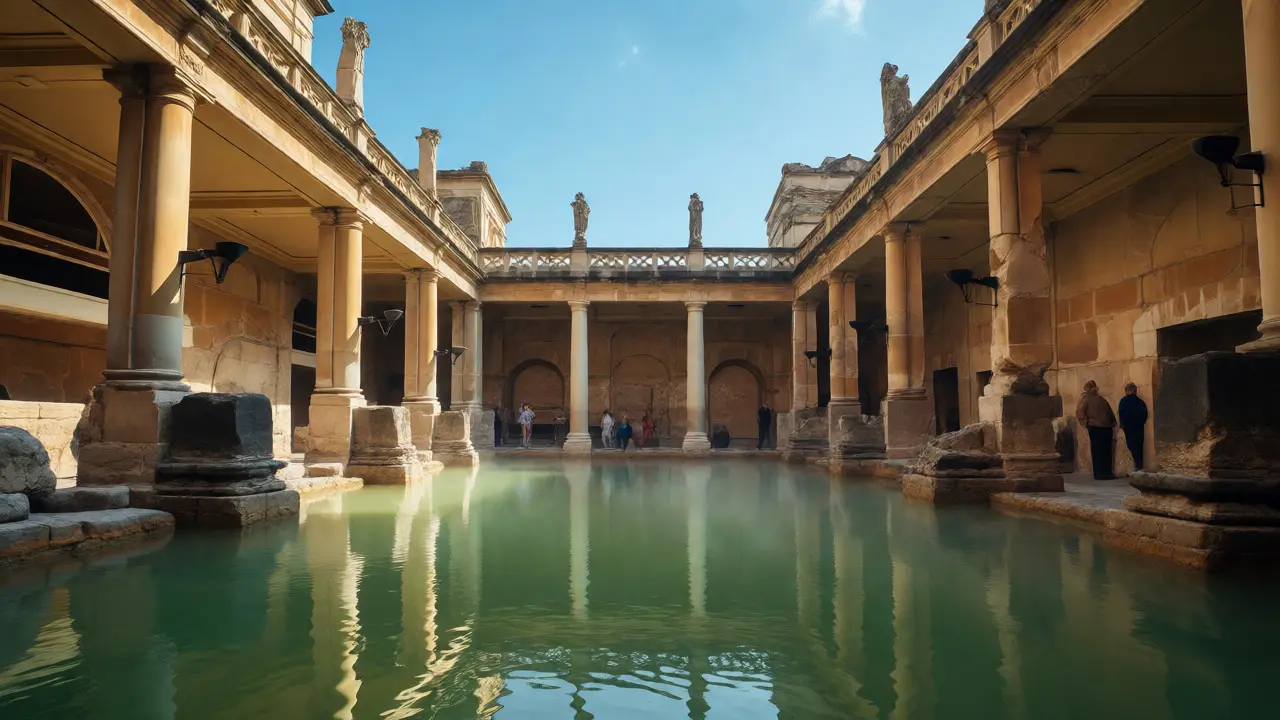
Start your day at the source-literally. The Roman Baths, a well-preserved complex of public baths built around a natural hot spring. They are Thermae Sulis. are the reason Bath exists. The Romans arrived in AD 43, found a spring bubbling up at 46°C (115°F), and decided this was holy ground dedicated to the goddess Sulis Minerva. They didn’t just build a pool; they built a social hub.
Buy your ticket online before you go. The queue for physical tickets can snake around the corner, especially in summer. Once inside, ignore the gift shop initially. Head straight to the Great Bath. It’s an open-air lead-lined pool filled with green-tinted water. Don’t touch it-it’s untreated and teeming with bacteria, though harmless if you’re careful. But looking at it? That’s where the magic happens. Imagine standing there in 2nd-century Britain, wearing nothing but a towel, listening to merchants haggle over olive oil while senators discuss politics. The audio guide is excellent and included, so wear headphones and let the actors recreate the gossip of the era.
The adjacent Great Pump Room, an elegant 18th-century assembly room where visitors drank spa water. It is Pump Room. offers a stark contrast. Here, Georgian society gathered not for hygiene, but for status. You can still drink the spa water here today. It tastes… metallic. Like licking a penny left in the rain. Most people take a sip, grimace, and move on. But doing it connects you to every aristocrat who ever complained about the taste while pretending to enjoy it.

Lunch: A Taste of History
You’ve worked up an appetite walking around ancient ruins. Now, you need food. Skip the tourist traps right next to the Abbey entrance. Walk two streets away into the quieter lanes near Bath Abbey, a parish church located in the center of Bath, founded in the 7th century. It is The Cathedral Church of Saint Peter and Saint Paul.. Look for places serving traditional Welsh Rarebit or a proper Ploughman’s Lunch.
If you want something iconic, try a cream tea. Bath has a fierce rivalry with Devon over who invented it, but in Bath, the scones are usually served with clotted cream and jam. The order matters: Jam first, then cream (Devon style) or Cream first, then jam (Cornish/Bath style)? Locals will argue this until their dying breath. Pick a side, eat it, and move on. Pair it with a local cider from Somerset, which is arguably the best in the UK due to the county’s ideal apple-growing climate.
Afternoon: The Georgian Dream
After lunch, leave the Roman grit behind and step into the polished elegance of the 18th century. This is where Bath becomes visually breathtaking. The city is built almost entirely from Bath Stone, a type of oolitic limestone quarried locally in Somerset. It is oolitic limestone., which gives the buildings their distinctive warm, honey-yellow glow. In sunlight, the whole city looks like it’s glowing from within.
Your first stop must be the Royal Crescent, a row of thirty terraced houses in a crescent shape, built between 1767 and 1774. It is The Crescent.. Designed by John Wood the Younger, this semi-elliptical terrace of thirty houses is one of the finest examples of Georgian architecture in Europe. Why the curve? It wasn’t just aesthetic. The curve allowed more residents to face the park below, maximizing views and airflow. Today, No. 1 Royal Crescent is a museum where you can see how wealthy families lived. But honestly, just standing in the middle of the lawn, looking up at the Corinthian columns, is enough for most visitors.
From there, walk down to the Circus, a circular space formed by three curved terraces, inspired by the Colosseum in Rome. It is The Circus.. This is a perfect circle of houses, divided into three equal parts by roads entering from each direction. Each house features unique carvings representing the arts and sciences. It’s a quiet spot, rarely crowded, making it perfect for photography. Sit on the grass, watch the light change on the stone, and appreciate the sheer audacity of building a perfect circle in the 1750s.
Hidden Gems: Pulteney Bridge and The Abbey
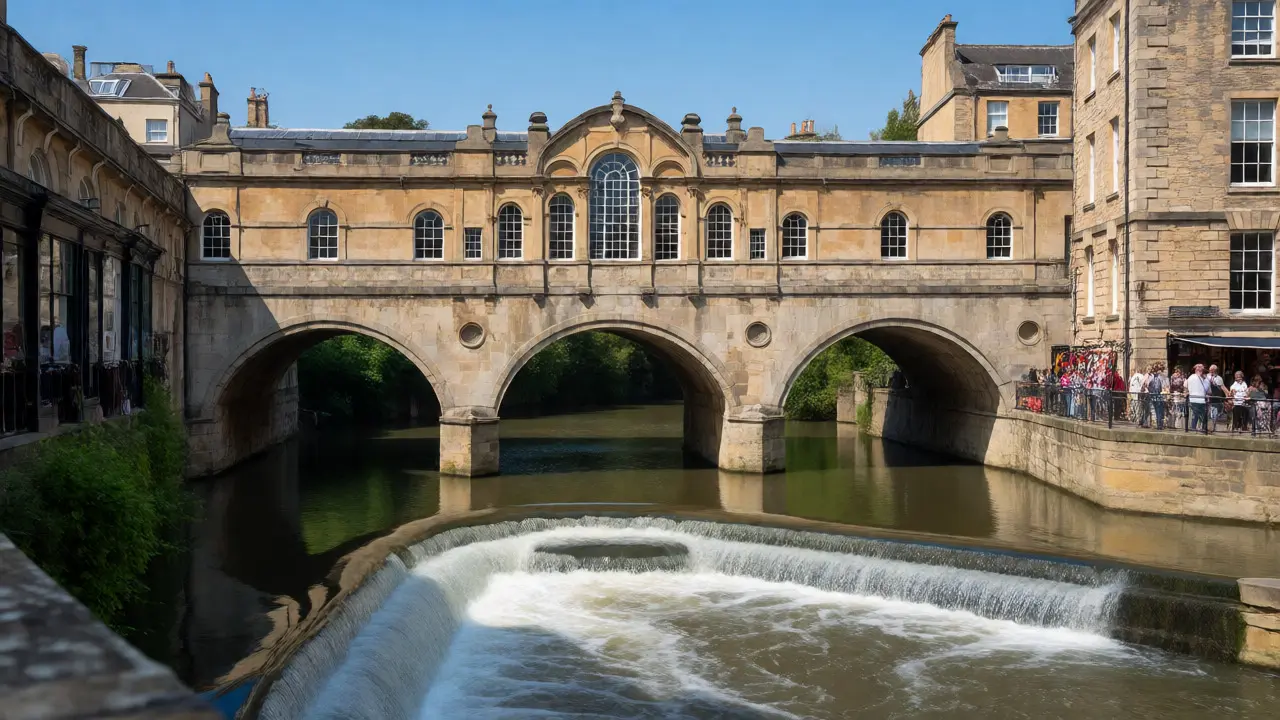
No itinerary is complete without crossing Pulteney Bridge, a bridge across the River Avon lined with shops on both sides. It is Pulteney Bridge.. Completed in 1774, it’s one of only four bridges in the world with shops built along its entire length. Yes, you can buy books, souvenirs, and artisanal chocolates while literally standing over the rushing water of the River Avon. The view from the weir below is spectacular-perfect for that Instagram shot.
Before you leave, pop into Bath Abbey. It’s free to enter (though donations are appreciated). The interior is stunning, featuring fan vaulting that rivals anything in Cambridge or Oxford. Climb the tower if you have the energy. The view from the top gives you a bird’s-eye perspective of the Roman Baths, the Abbey, and the surrounding Georgian terraces, tying all the layers of history together in one glance.
Practical Tips for Your Day Trip
- Wear Comfortable Shoes: Bath is hilly. The cobbles are uneven. High heels are a recipe for disaster.
- Book Ahead: Tickets for the Roman Baths and No. 1 Royal Crescent sell out fast in peak season (June-August).
- Weather Check: Even if it’s sunny in London, bring a light raincoat. Bath is in the west, and Atlantic weather fronts hit here first.
- Sunday Closures: Many smaller museums and shops close early on Sundays. Plan accordingly.
How much does it cost to visit the Roman Baths?
As of late 2026, adult entry fees typically range between £20 and £25 depending on the season and whether you book online. Booking in advance usually saves money compared to buying on the day. Children and concessions are cheaper, and family tickets offer better value if you’re traveling with kids.
Can I swim in the Roman Baths?
No, you cannot swim in the original Roman Baths because the water is untreated and contains high levels of bacteria. However, you can swim in the Thermae Bath Spa, a modern facility nearby that uses the same thermal waters but treats them for safety. It’s a popular add-on for those wanting to relax after walking.
Is Bath worth visiting if I only have one day?
Absolutely. The city center is compact and walkable. You can see the major highlights-the Roman Baths, Abbey, Royal Crescent, and Circus-in about six hours. Leaving time for lunch and a coffee means you’ll have a fulfilling, relaxed day without feeling rushed.
What is the best time of year to visit Bath?
Spring (April-May) and Autumn (September-October) offer the best balance of good weather and manageable crowds. Summer is beautiful but very busy, with long queues. Winter is quiet and atmospheric, especially around Christmas markets, but days are short and cold.
Are there any hidden gems in Bath beyond the main sites?
Yes. Visit Sally Lunn’s Historic Eating House for a traditional bun, or explore the Victoria Art Gallery for free exhibitions. Walking along the Kennet and Avon Canal towpath from the city center towards Limpley Stoke provides a peaceful escape from the tourist hubs and showcases the rural beauty surrounding the city.